Estonia, Denmark transfer two naval patrol boats to Ukraine
 on Google


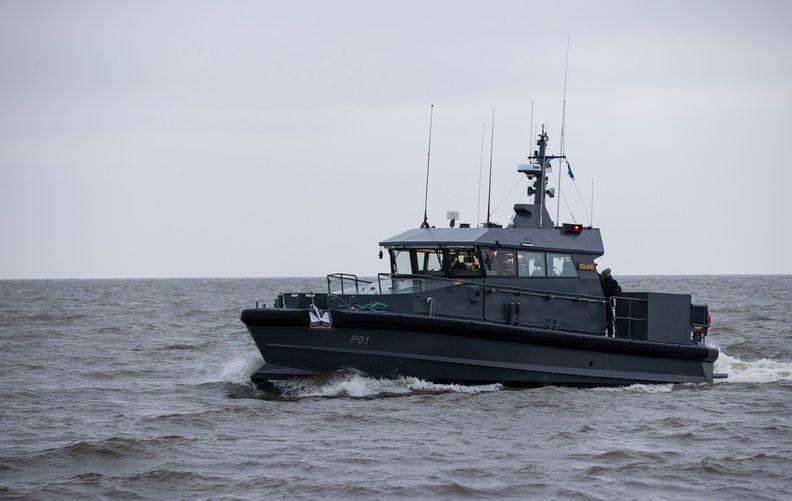
Estonia, in coordination with Denmark, has transferred two naval patrol boats to Ukraine, the country's defense ministry announced on April 26.
"Such assistance allows Ukraine to secure vital sea lines and protect its waters," it said in a post on X.
Ukraine requires naval vessels for tasks such as the protection of Black Sea shipping routes.
After Russia effectively canceled the grain deal in July 2023, Ukraine opened a new corridor the following month.
Initially envisioned as a humanitarian corridor to allow the departure of ships stranded there since the start of the full-scale war, it has since grown into a full-blown trade route.
The boats are just the latest aid announcements from Estonia and Denmark.
Estonian Defense Minister Hanno Pevkur announced a defense aid package for Ukraine worth 20 million euros ($22 million) during a visit to Kyiv on March 21.
"The package includes recoilless anti-tank guns, explosives, various types of artillery ammunition, gas masks, sniper equipment, smaller caliber ammunition, and more," Pevkur said.
The Danish parliament agreed to add 4.4 billion Danish kroner ($633 million) in military support to the country's Ukraine Fund in 2024, the Danish Foreign Ministry announced on April 25.
According to the Kiel Institute for the World Economy (IfW Kiel), which tracks international aid for Ukraine, Denmark is the fourth largest provider of military aid to Kyiv, committing around 8.4 million euros ($9 billion) as of January 2024.
At 2.3% of GDP, Denmark is the second largest provider of military aid in terms of percentage of GDP.