Ceasefire as camouflage — How Russia weaponizes negotiations against Ukraine
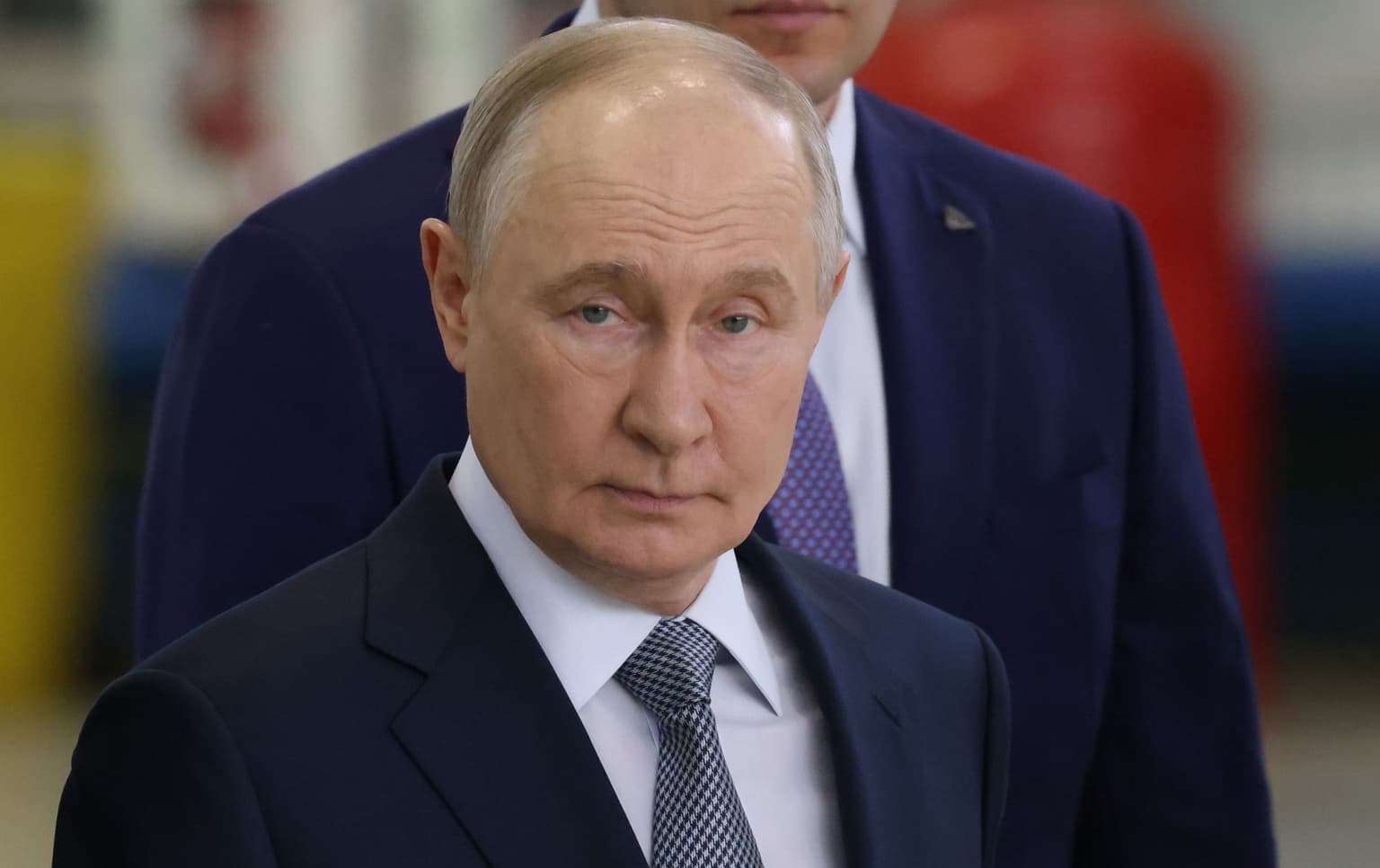
Russian President Vladimir Putin during a visit to Zhukovsky, Moscow Oblast, Russia, on June 24, 2026. (Contributor / Getty Images)
 on Google
Nicholas Chkhaidze
National security and strategic communications analyst
Ahead of its annual spectacle of military ostentation — noticeably scaled down this year— Russia's Defense Ministry issued two statements on May 4, 2026: one declaring a unilateral ceasefire for May 8 and 9 and presenting the announcement as evidence of restraint and humanitarian intent; the other warning that Ukraine risked a "massive missile strike on the center of Kyiv" should it disrupt Victory Day events.
Only from a Western perspective did the two statements appear contradictory. To seasoned Russia watchers, they were entirely consistent: just another example of Moscow's weaponization of peace talks.
The language of de-escalation served as diplomatic cover for explicit military intimidation. The ceasefire was designed to impose psychological pressure and, at the same time, give Russia the opportunity to occupy the moral high ground in international discourse — something we've seen Moscow doing since the start of its invasion and even before.
For Russia, negotiations have become another operational environment through which the Kremlin advances its broader campaign against Ukraine. Ceasefires, diplomatic initiatives, and peace proposals serve as a continuation of Russia's military and hybrid strategy.
"Russia continually attempts to use peace talks as a tool for manipulation, exploiting Western goodwill to justify new and broader demands."
Throughout 2025 and 2026, every significant round of negotiations was followed by an escalation in Russian hybrid operations, which include disinformation campaigns, coercive signaling, and fabricated stories, all aimed at undermining Western support for Ukraine and timed to affect the diplomatic dynamics before progress could take place in negotiations.
According to the 2026 Annual Report of the Estonian Foreign Intelligence Service, for Russia, "any potential settlement must harm the interests of Ukraine and the countries supporting it. Russia continually attempts to use peace talks as a tool for manipulation, exploiting Western goodwill to justify new and broader demands."
This assessment should be understood as an intelligence warning and a description of what happened throughout 2025 and 2026, in periods surrounding major negotiations and peace talks, specifically in December 2025, in Geneva, February 2026, and again in May.
Each time Western negotiators arrived at the table, Russia sought to undermine Ukrainian positions at the talks.
This report sheds light upon how Russia understands these negotiations. For them, peace talks are another instrument through which confrontation continues.
The timing of Russian hybrid operations throughout 2026 illustrates this doctrine in practice. One of the clearest examples emerged during negotiations when Russian officials and state-controlled media rapidly amplified the false narrative that Ukraine had attempted to attack Vladimir Putin's residence. The allegation coincided with diplomatic efforts aimed at advancing a twenty-point peace proposal developed by the United States, Ukraine, and European partners.
The talks in Geneva on February 17-18 followed a similar pattern. Russia appointed the hardliner, Vladimir Medinsky, to lead the delegation, the same figure who was leading the Istanbul talks in March 2022, whose academic work argues that Western plots against Russia justify its war objectives.

The appointment of such an actor signaled that Russia is not settling for a peace agreement.
On the nights before the talks began, Russia launched hundreds of long-range drones and missiles across 12 regions in Ukraine, injuring civilians and children.
President Zelensky instructed his negotiating team to raise this issue. As he put it: "Shaheds, missiles and fantasy chatter about history matter more to them than real diplomacy." As Zelensky put it, Russia's approach is "dragging out negotiations that could be at its final stage."
The pattern is consistent with Storm-1516, one of Russia’s most potent weapons in its disinformation war, and the documented operational tempo: investigation by Bloomberg documented that the GRU-supported network doubled its disinformation output in 2026 compared to the same period the previous year, producing fabricated stories daily, a surge that coincided with the most active phase of Russia-Ukraine diplomatic activity in 2026, specifically the Abu Dhabi talks, the Geneva process, and the lead-up to the Victory Day ceasefire.
As Western publics watched peace talks on their screens while being fed fabricated narratives produced by Storm-1516 into the same information space, including fabricated stories, AI-generated footage, forged documents, and fake whistleblower videos, they became exposed to essential tools of Russian information warfare that were designed to seed doubt about Western support for Ukraine.
It was a combination of kinetic means and disinformation surge that formed a unified hybrid system: bombing Ukraine while negotiations are taking place, and flooding the information space as Western governments celebrate minimal, imaginary gains.
When Putin told Donald Trump about the alleged drone attack on Dec. 29, Trump accepted it. Despite receiving no intelligence assessment, no response from the Ukrainian government, and no independent verification, he still believed Putin's claims, delivered directly by phone.
For the following days, this event, a narrative that was completely fabricated by Russia to advance its goals, shaped the U.S. President's position and opinion toward Ukraine, shifting blame for disrupting progress in negotiations, until the CIA clarified and corrected this issue.
If that correction had not been timely or had been a bit slower, the diplomatic consequences for Kyiv would have been severe. By using a fabricated story, Russia, at least temporarily, influenced the most important Western mediator at the time in its favor.
The reason the Kremlin gains such opportunities is that Western actors believe the start of negotiations is evidence that confrontation is weakening, when in reality it's intensifying.
Future negotiations with Russia will almost certainly continue, as diplomacy remains the only path to ending wars. However, diplomacy conducted with no understanding of how Russia acts before, after, and at the negotiating table will keep producing the same results: ceasefires are not treated as ceasefires, de-escalation is concealed coercion, and fabricated crises are timed to undermine Ukraine's positions.
For the West, treating Russia at the negotiating table requires re-evaluating a matter of trust.
When Dmitry Peskov was asked for evidence about the alleged drone attack on Putin's residence, he said to "take the Kremlin's word for it". Western mediators cannot afford to, as for Russia, peace talks and negotiations are just another battlefield.
This reality should be treated as a norm rather than a worst-case scenario, and until it is not, ceasefires and so-called "peace talks" will serve as cover for continuing the war by other means.
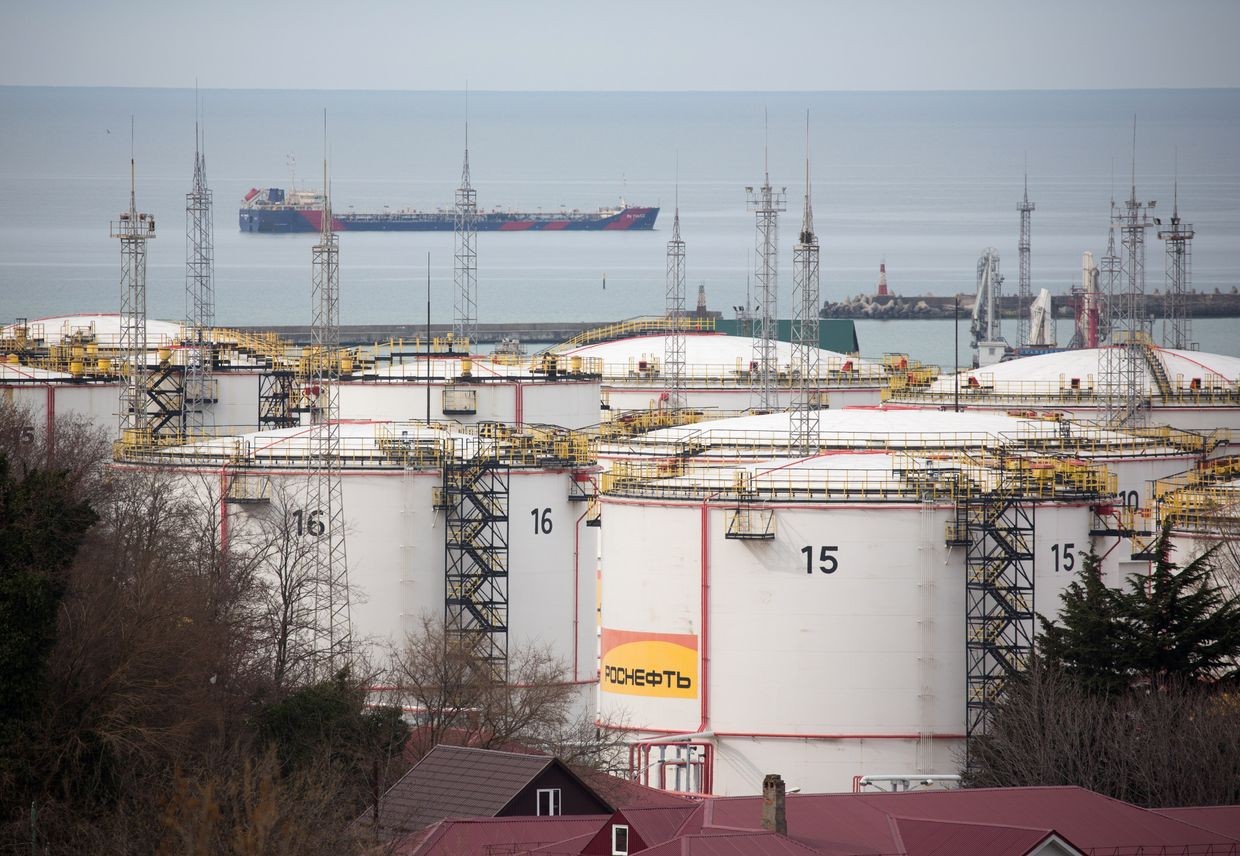
As Ukraine's position strengthens, which is reflected in battlefield gains, degraded refinery capacity, and oil shortages in Russia as a result of successful drone operations, Russia may present a new negotiating offer as a mechanism to mitigate damage and regroup.
The West should not fall for it.
Editor's note: The opinions expressed in the op-ed section are those of the authors and do not purport to reflect the views of the Kyiv Independent.