Russia likely killed opposition leader Navalny with dart frog poison, 5 European states say
 on Google
Editor's note: This story is being updated.
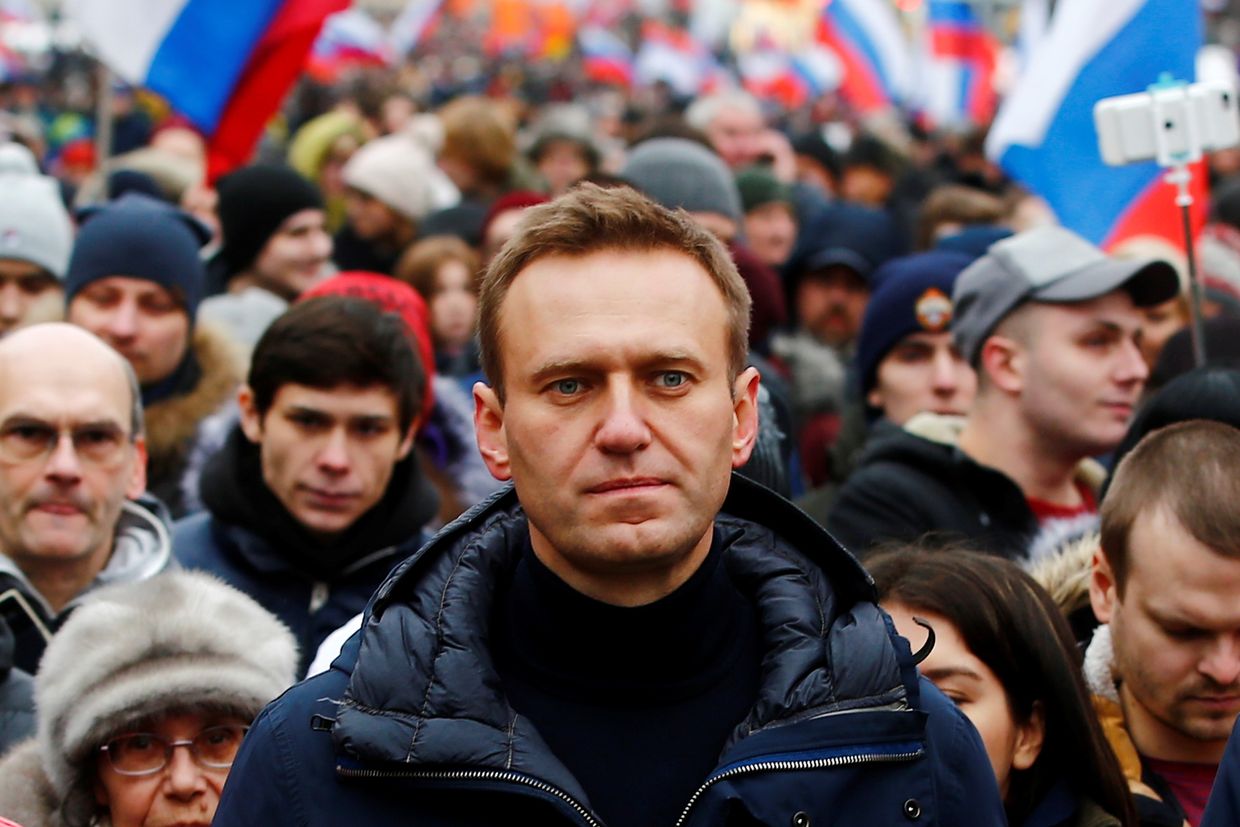
Russian opposition leader Alexei Navalny was poisoned with a dart frog toxin called epibatidine before he died in 2024, five European governments said in a joint statement on Feb. 14.
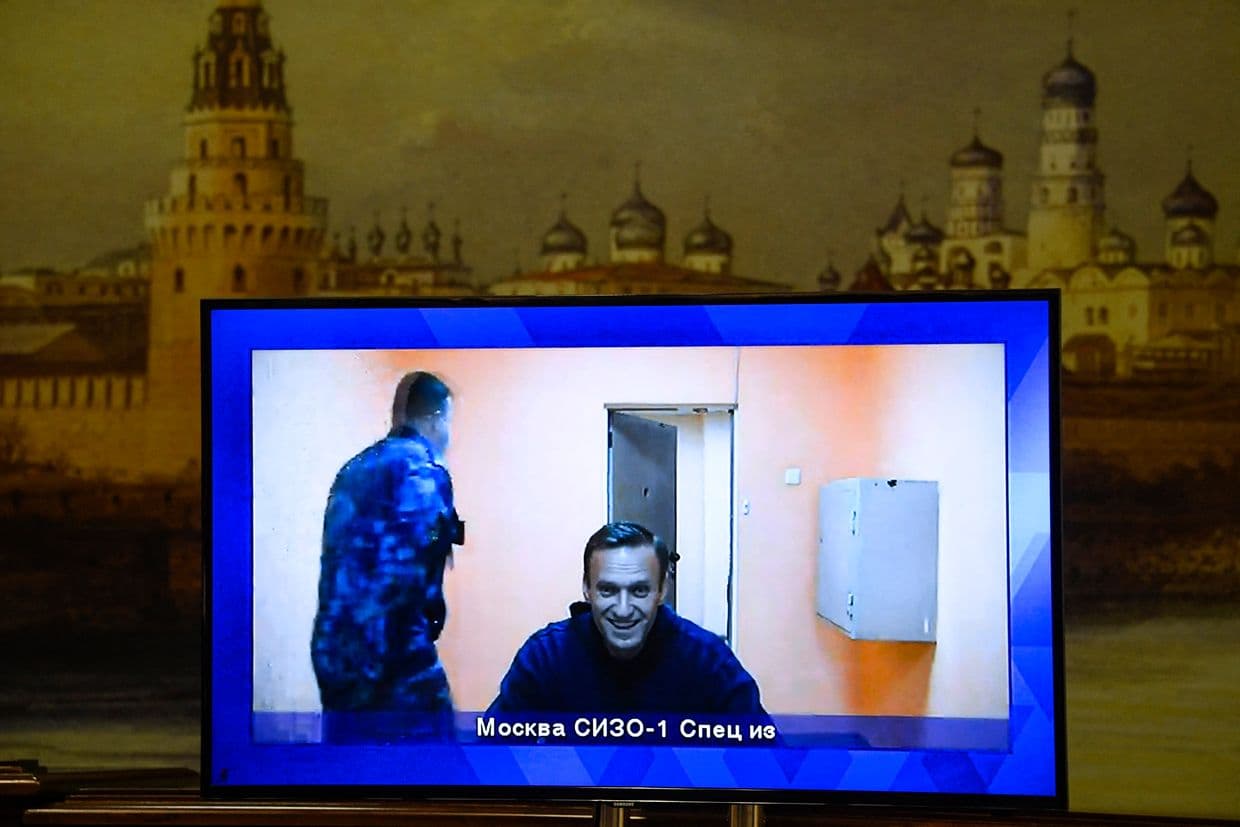
Navalny died on Feb. 16, 2024 in an Arctic penal colony in the town of Kharp, in Russia's Yamalo-Nenets Autonomous District. The activist, who was Russian President Vladimir Putin's main opponent, was sentenced in several fabricated criminal cases, and some of his allies have also been imprisoned.
Laboratories in the U.K., Sweden, France, Germany, and the Netherlands received Navalny's biological samples after his death and unanimously concluded that he was poisoned with epibatidine, the Insider, an independent Russian media outlet, reported on Feb. 14.
Intensive-care physician Alexander Polupan told the Insider that "the publicly available information about Alexei Navalny’s symptoms matches what is known about the effects of epibatidine."
"The U.K., Sweden, France, Germany, and the Netherlands are confident that Alexei Navalny was poisoned with a lethal toxin," the countries' governments said in a joint statement. "This is the conclusion of our governments based on analyses of samples from Alexei Navalny. These analyses have conclusively confirmed the presence of epibatidine."
According to the statement, "Russia claimed that Navalny died of natural causes."
"But given the toxicity of epibatidine and reported symptoms, poisoning was highly likely the cause of his death," the governments said. "Navalny died while held in prison, meaning Russia had the means, motive and opportunity to administer this poison to him."
The Kremlin has denied the accusations.

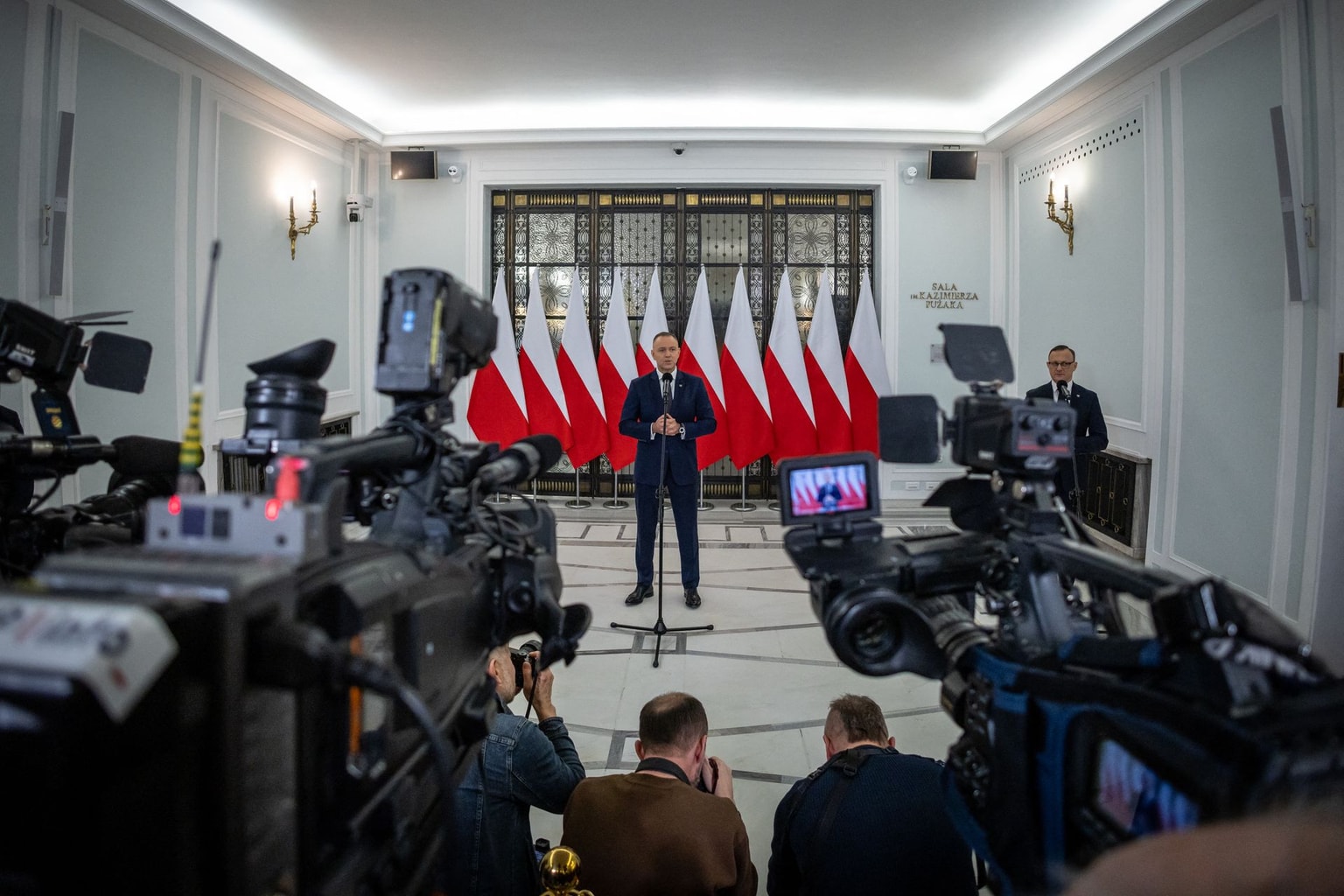
U.K. Foreign Minister Yvette Cooper said at the Munich Security Conference on Feb. 14 that "Russia saw Navalny as a threat."
"By using this form of poison, the Russian state demonstrated the despicable tools it has at its disposal and the overwhelming fear it has of political opposition," she added.
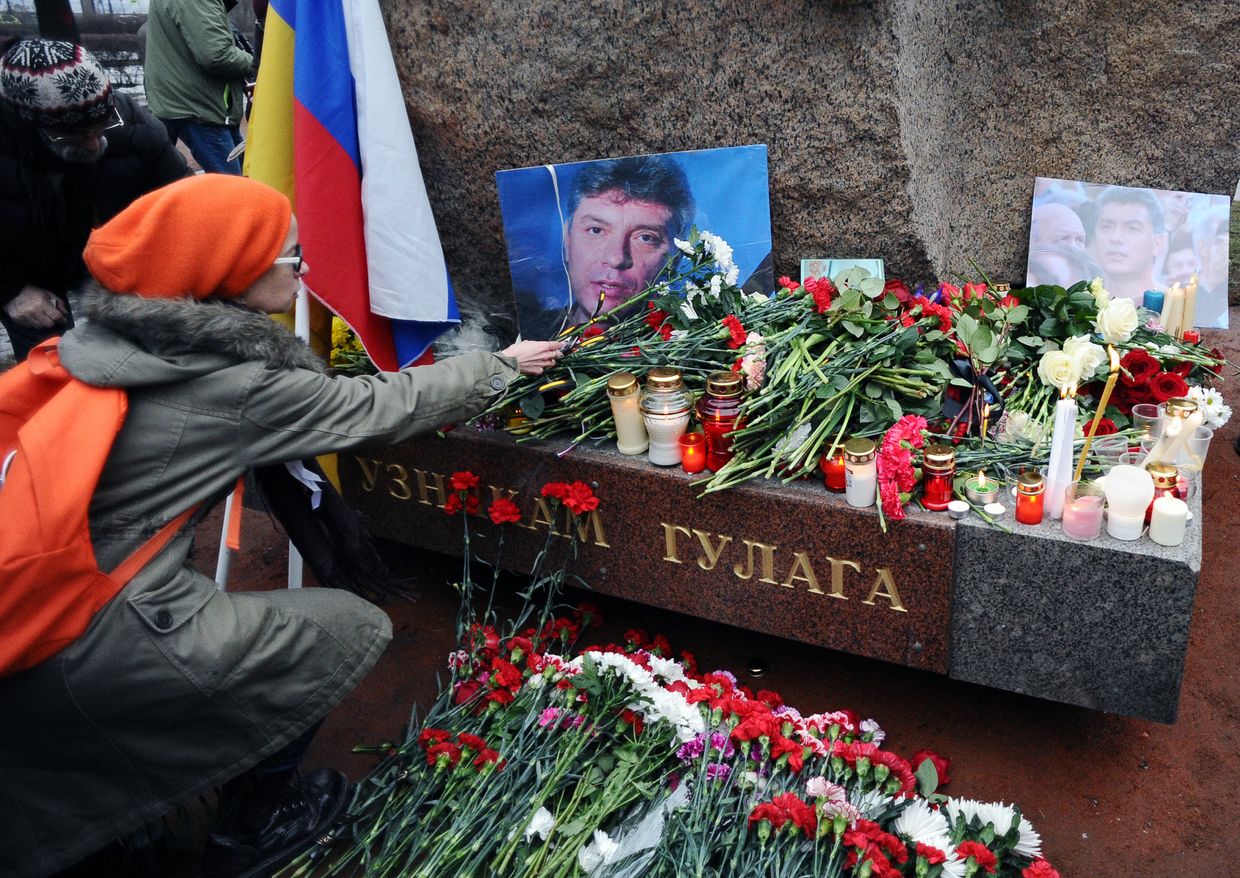
Navalny's widow Yulia Navalnaya also commented on the announcement.
"Scientists from five European countries have determined that my husband, Alexei Navalny, was poisoned with epibatidine — a neurotoxin and one of the deadliest poisons on earth," Navalnaya wrote on X. "In nature, this poison can be found on the skin of an Ecuadorian tree frog. It causes paralysis, respiratory arrest, and a painful death."
She said that she was "certain from the very first day that my husband had been poisoned, but now there is proof: Putin killed Alexei with chemical weapons."
"I am grateful to the European states for the painstaking work they carried out over two years, and for bringing the truth to light," Navalnaya said. "Vladimir Putin is a murderer. He must be held accountable for all his crimes."
This was not the first poisoning of Navalny. In 2020, he was poisoned in Russia and flown for treatment to Germany while in a coma.
German doctors, as well as several independent labs in Europe, said in 2020 that he had been poisoned with a Novichok nerve agent – a chemical weapon produced by the Russian government.
A joint investigation by The Insider, Bellingcat, CNN, and Der Spiegel revealed that Navalny had been poisoned by agents of Russia’s Federal Security Service (FSB) in 2020. The media outlets also identified the agents' names.
The journalists obtained data on the alleged murderers’ travel and mobile phone data. A special chemical substances unit of Russia’s Federal Security Service had been following Navalny for years, including during his trip to Siberia when the assassination attempt took place.
Navalny impersonated a Russian state official to speak to one of the members of the alleged poisoning team, Konstantin Kudryavtsev, in 2020. In the phone call with Navalny, Kudryavtsev admitted that he had taken part in the poisoning operation and said that the poison had been put in Navalny’s underwear.
Putin has admitted that the FSB squad had been conducting surveillance on Navalny but denied that they were tasked to kill him.
Despite the poisoning, Navalny decided to return to Russia after his treatment in 2021 and was jailed by the authorities.
The same FSB squad that allegedly tried to kill Navalny had also trailed three other people before they were found dead with signs of poisoning, including syringe pricks, from 2014 to 2019, according to an investigation by Bellingcat, The Insider, CNN, and Der Spiegel.
Meanwhile, the FSB poisoning team also followed liberal politician Vladimir Kara-Murza when he was poisoned in 2015 and then again in 2017, although he survived, Bellingcat, the Insider and Der Spiegel reported.
In a separate incident, former Russian intelligence officer Sergei Skripal and his daughter Yulia survived after being poisoned in the U.K. with the Novichok nerve agent in the city of Salisbury, England, in 2018. Dawn Sturgess, a British citizen, accidentally came into contact with the poison and died as a result.
The British authorities identified Russian military intelligence agents using the passports of Alexander Petrov and Ruslan Bashirov as suspects in the murder case.
"In both cases (Navalny's 2020 poisoning and the Skripal case), only the Russian state had the combined means, motive and disregard for international law to carry out the attacks," the U.K., Sweden, France, Germany, and the Netherlands said on Feb. 14. "These latest findings once again underline the need to hold Russia accountable for its repeated violations of the Chemical Weapons Convention and, in this instance, the Biological and Toxin Weapons Convention."
Meanwhile, the Russian government's Organic Chemistry and Technology Institute has been developing both Novichok and epibatidine, the Insider reported.
"(The Feb. 14 announcement on Navalny's poisoning) proves that we have an authoritarian regime in Russia that does not respect the rule of law," Norwegian Foreign Minister Espen Barth Eide told the Kyiv Independent.
He added that Russia has experienced "a steady move towards a more authoritarian system bordering on a totalitarian one."
"Navalny was poisoned by Putin," Russian exiled opposition politician Mikhail Khodorkovsky told the Kyiv Independent. "For us it wasn't (even) a question. We know that and our investigations (confirmed) it directly. We didn't know what type of poison was used but for us it doesn't matter."
He added that "if Putin decides to kill somebody, it's 90% that this person will be killed, and if you think about that every day, you can go crazy."
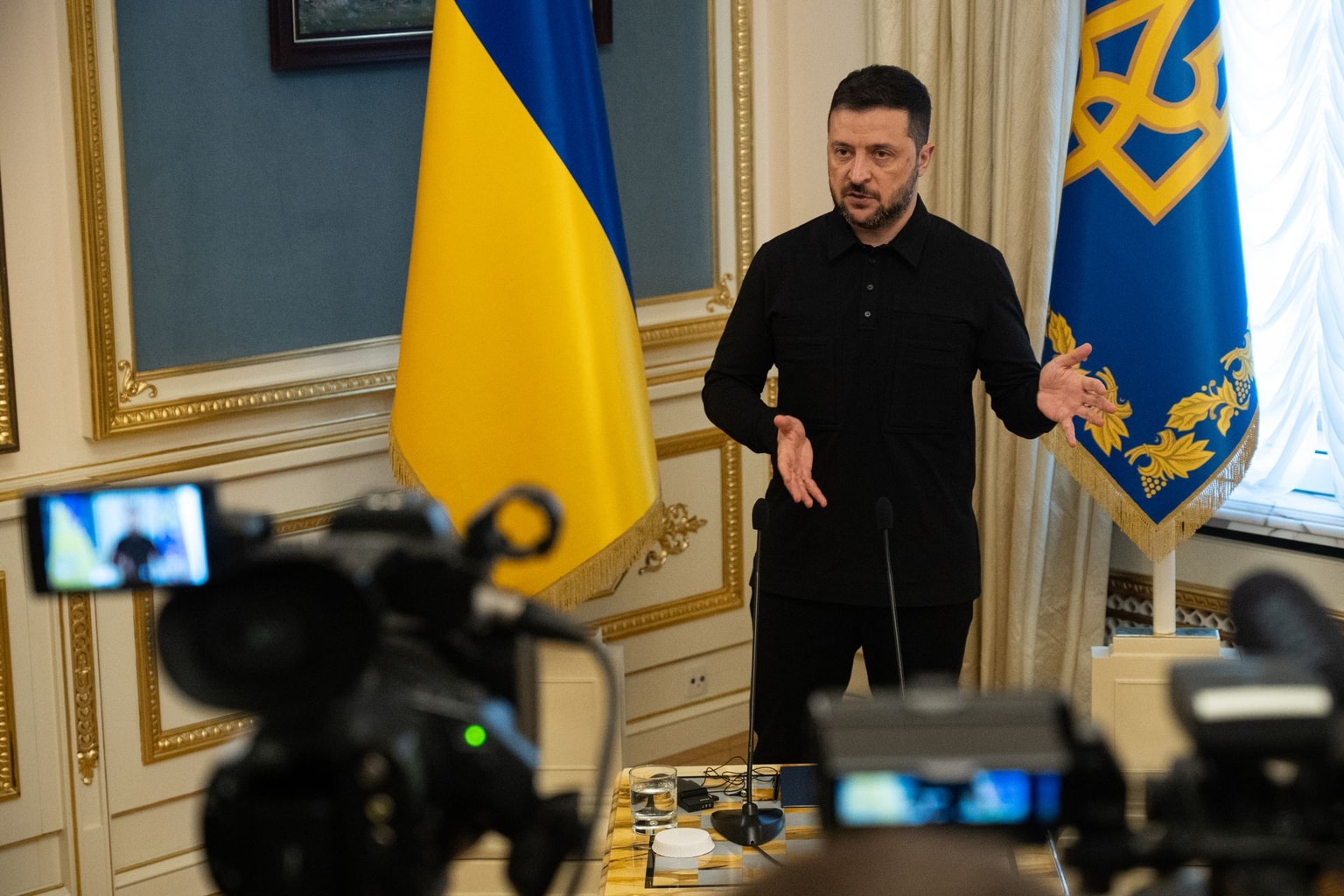
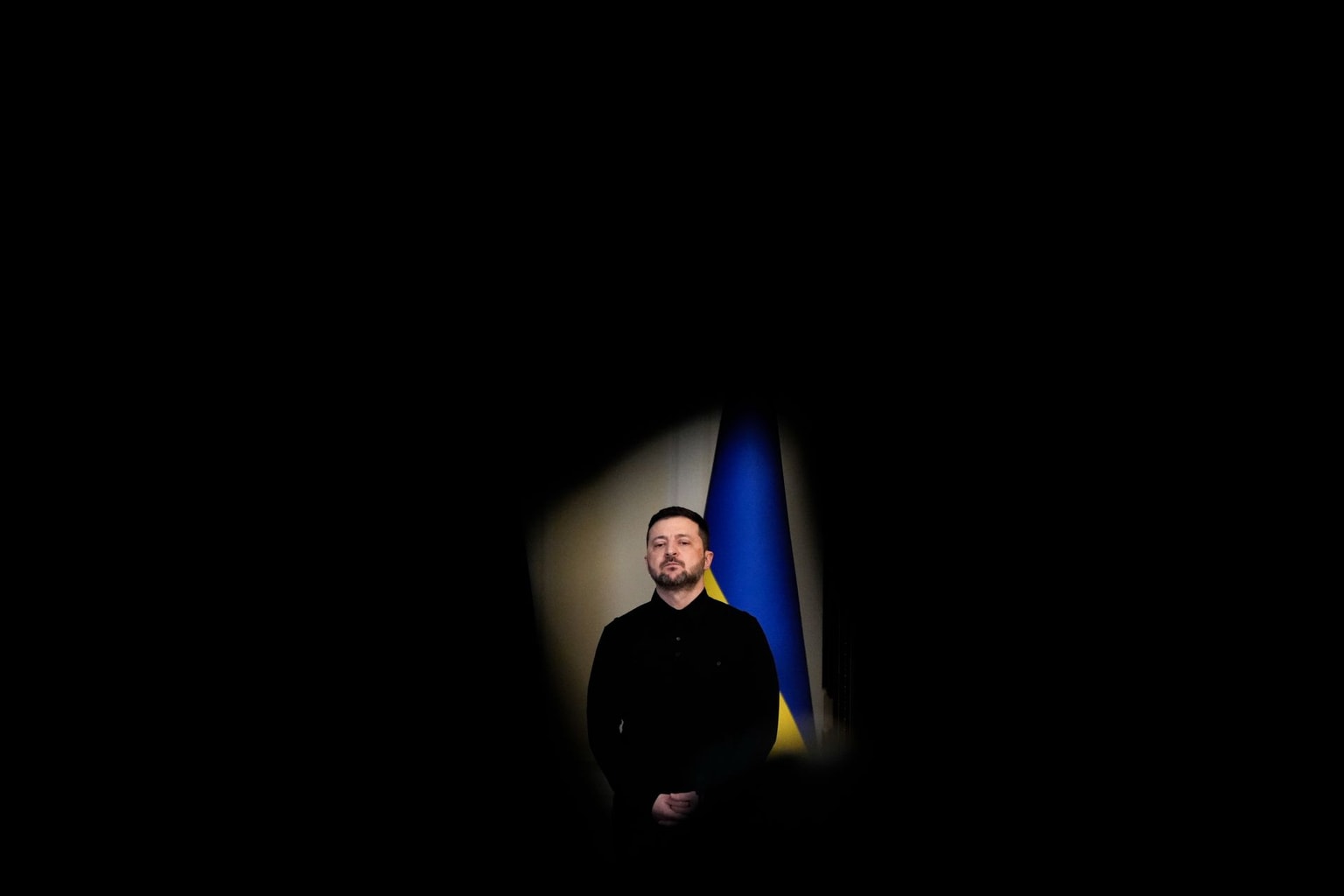
President Volodymyr Zelensky was asked by reporters at the Munich Security Conference on Feb. 14 if he feared that Putin would target him with assassination by poison.
"I'm not thinking about myself," he said. "So, I'm one of all the people in Ukraine who are in Ukraine. ... They attack us with, you see, hundreds and hundreds of drones and missiles. What is the difference between poison and missile? I don't see the difference."
Kyiv Independent reporter Martin Fornusek contributed to this report.