Baltic countries to push for 2.5% of GDP defense spending minimum during NATO summit
 on Google
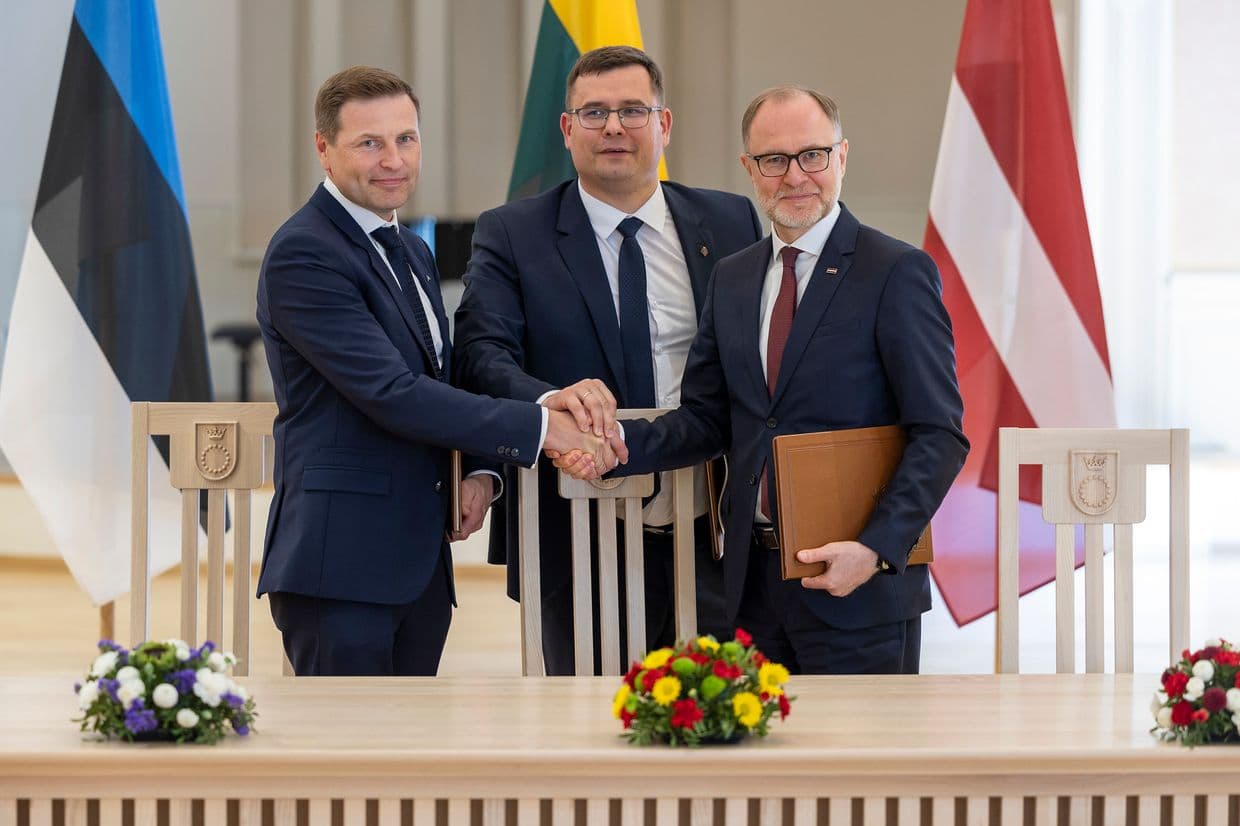
The defense ministers of Lithuania, Latvia, and Estonia met in the Lithuanian town of Palanga on May 22 and agreed on their key goals ahead of the upcoming NATO summit, including an allied commitment to invest at least 2.5% of GDP in defense.
The allied countries have been ramping up their defense spending after the outbreak of Russia's full-scale war against Ukraine, with 18 NATO members expected to hit the current 2% mark in 2024.
Estonia's Hanno Pevkur, Lithuania's Laurynas Kasciunas, and Latvia's Andris Spruds also stressed their continued support for Ukraine in the face of Russian aggression and confirmed their pledge to allocate at least 0.25% of their budget every year to aid Kyiv.
The three Baltic countries have been among Ukraine's staunchest supporters since the outbreak of the all-out war and repeatedly called for more decisive steps on NATO's side against Russian aggression.
During the summit, which will take place in Washington in July, the three countries also aim to push for NATO allies to strengthen critical capabilities, develop NATO regional defense plans, and discuss the practical implementation of the air defense rotation model.
"We need to make more concerted efforts to commit allies to focus on critical missing capabilities in the short term," Kasciunas said.
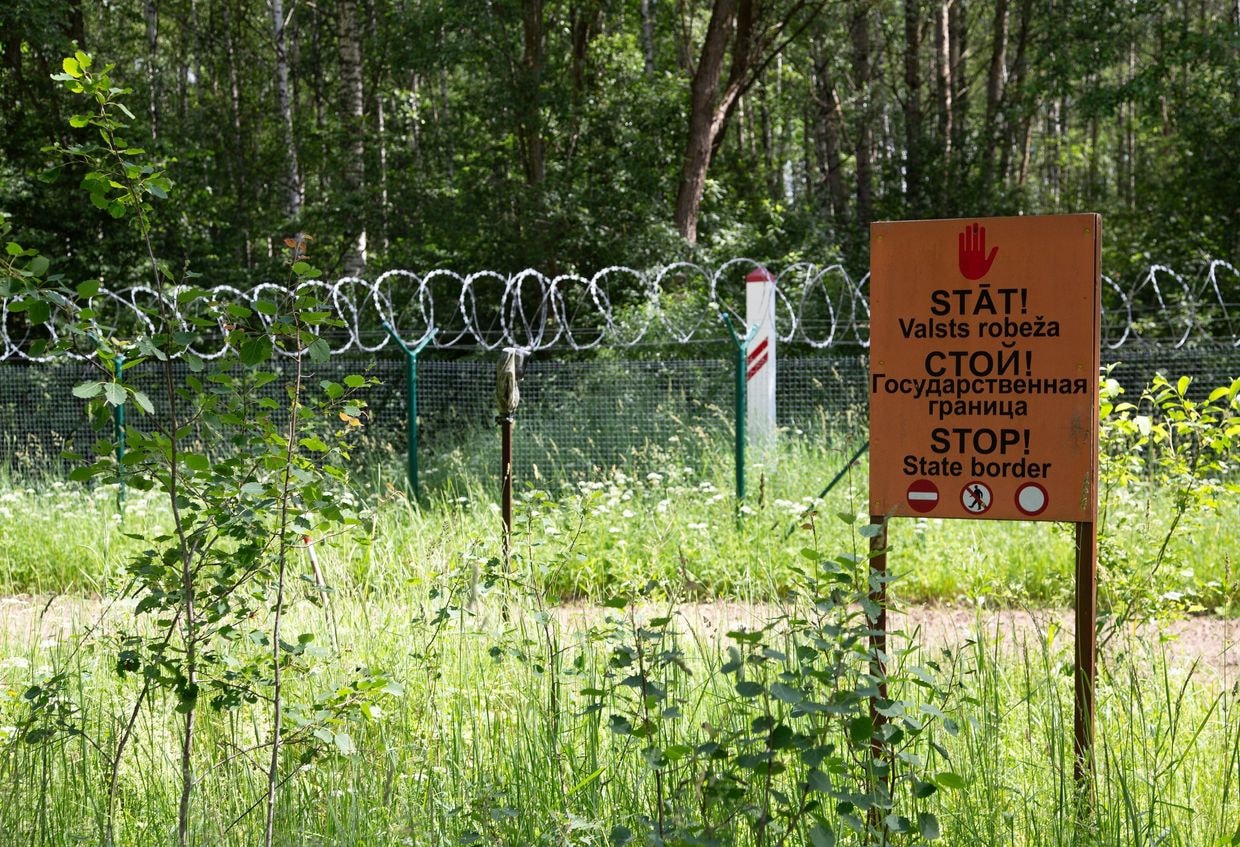
The ministers also agreed to accelerate cooperation on the Baltic defense lines, thus strengthening NATO's forward defense. All of the three countries border Russia, and Latvia and Lithuania border Moscow's key regional ally, Belarus.
Given their geographical location, there are worries among the Baltic countries that they might be the first target in the case of an all-out conflict between NATO and Russia.
"Russia will remain a long-term threat to Euro-Atlantic security and especially to the Baltic countries, so the solidarity of our countries must be more important than ever," Kasciunas commented.