Azerbaijani airliner that crashed in December struck by Russian Pantsir missile, source tells Reuters
 on Google

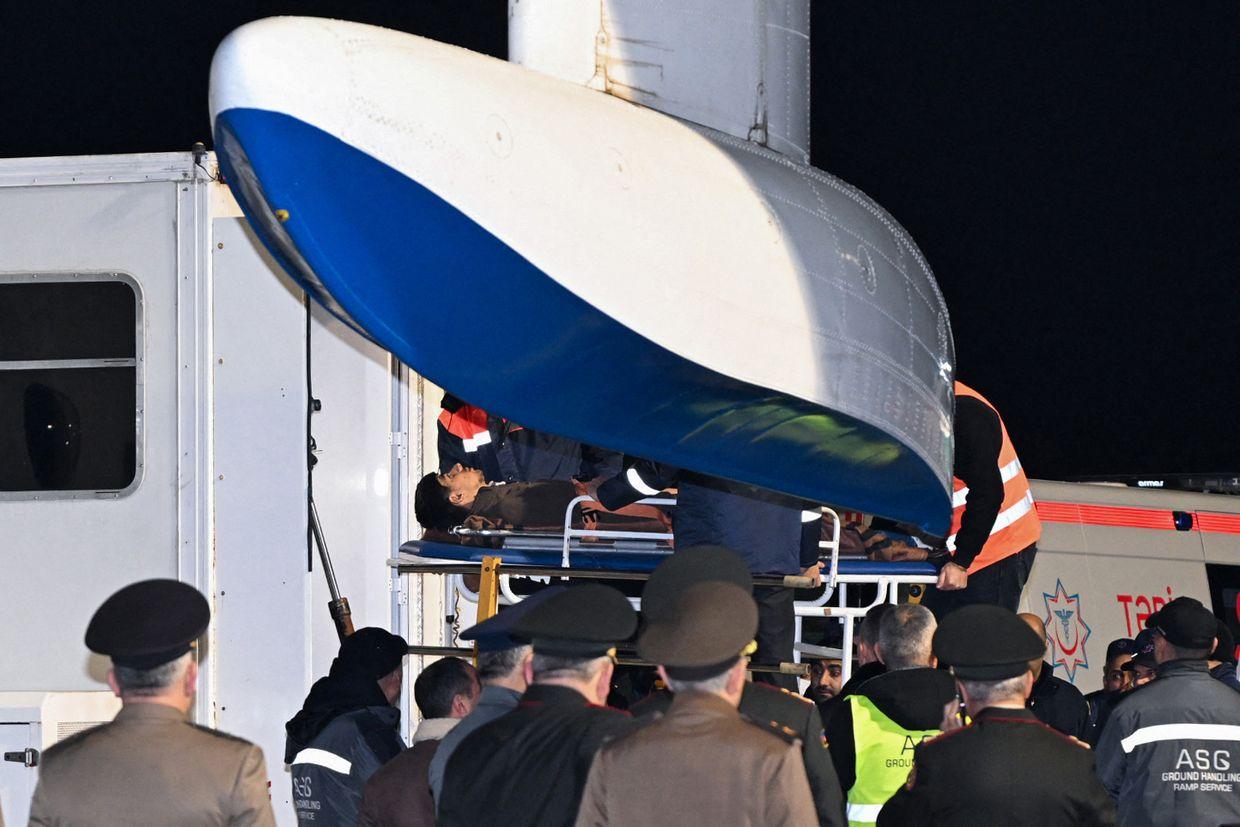
The Azerbaijani airliner that crashed in Kazakhstan in December after diverting from the Russian airspace was struck by a Russian Pantsir air defense missile, an undisclosed Azerbaijani official told Reuters in comments published on Feb. 4.
The Azerbaijan Airlines plane was flying from Baku to Grozny in Russia's Chechen Republic before suddenly changing course and crashing on Dec. 25 near the city of Aktau in Kazakhstan, killing 38 of the 67 people on board.
The source revealed to Reuters that the Azerbaijani side possesses a fragment of a Russian Pantsir missile extracted from the crashed plane, adding that the analysis is underway.
Kazakhstan's authorities on Feb. 4 released preliminary results of their analysis of available data, including the plane's black boxes. The conclusions pointed to a number of holes and dents in the aircraft and a collision with "foreign metal objects."
Baku has previously accused Russia of accidentally shooting down the plane and demanded an admission of guilt and reparations.
Russian President Vladimir Putin called Azerbaijani President Ilham Aliyev soon after the crash, apologizing for the incident taking place in Russian airspace but stopped short of acknowledging responsibility.
Aliyev later criticized Russia’s handling of the incident, accusing its agencies of suppressing evidence and promoting "absurd versions" of events.
He also criticized Russia for failing to close the airspace during a reported drone attack and highlighted poor coordination between its military and civil aviation services as factors contributing to the tragedy.