Amid EU push, Council of Europe launches rival bid to use Russian assets to help Ukraine
 on Google
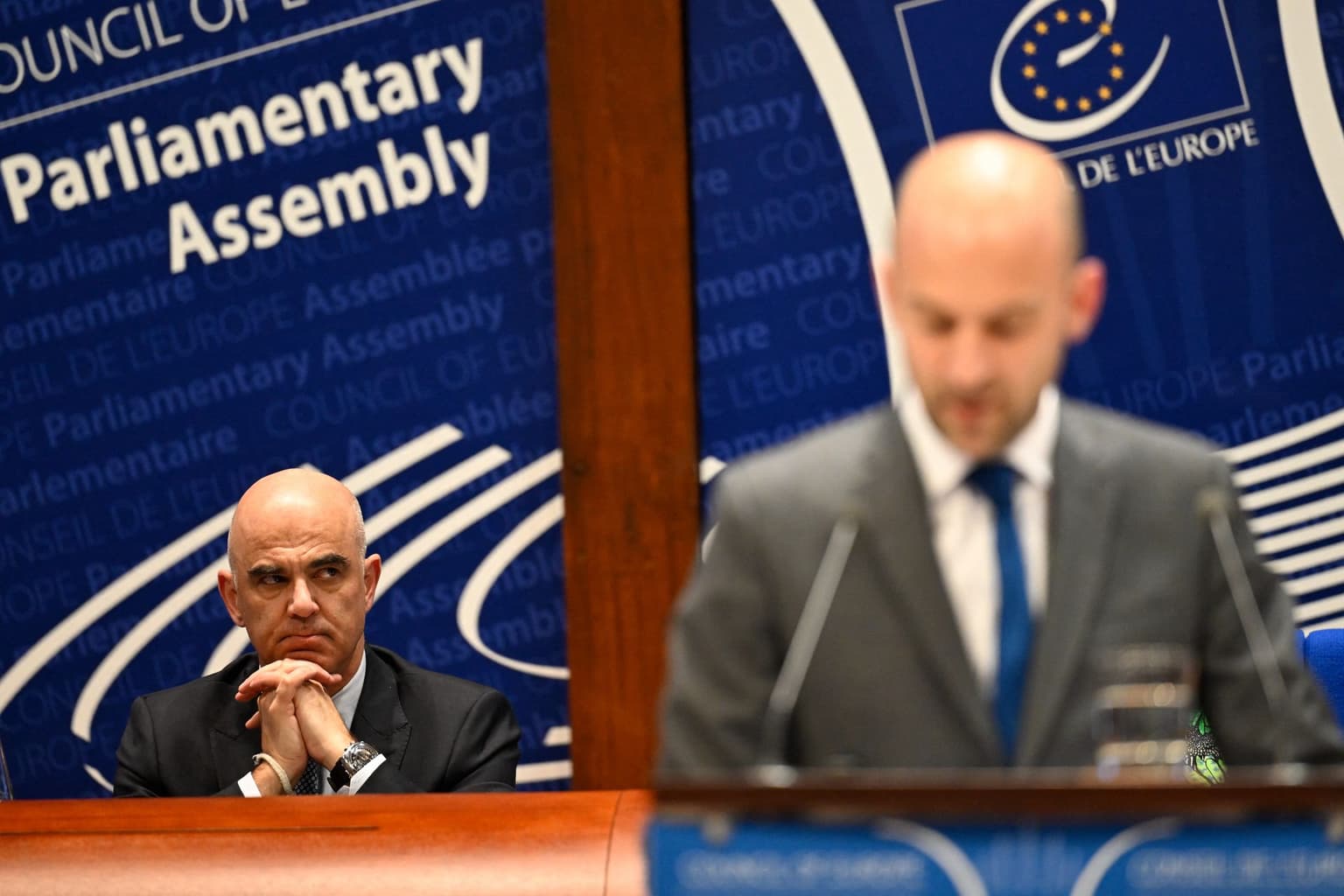
BRUSSELS, Belgium — The Council of Europe's Parliamentary Assembly (PACE) on Sept. 9 called for Russia's immobilized assets to be used to compensate Ukraine for war damage, just as the EU pushes a separate plan for the funds.
The Russian Central Bank's financial assets held in the EU, G7, and other partner countries were frozen after Moscow launched its full-scale invasion of Ukraine in 2022. The vast majority, 180 billion euros ($210 billion), is held in Belgium.
A press statement from PACE's Legal Affairs committee reads that "the repurposing of Russian state assets to pay compensation to Ukraine in cases concerning the war would constitute a lawful countermeasure under international law."
"Given the scale of the damage inflicted on Ukraine... any awards could potentially amount to billions, tens of billions, or hundreds of billions of euros," the statement reads.
A World Bank report from February 2026 estimates the cost of recovery and reconstruction to be $588 billion.
European diplomats had previously told the Kyiv Independent that Russian assets were being considered as a source of funds to pay compensation to victims of Russia's war, via an International Claims Commission that has been established by the Council of Europe.
However, the Russian assets under discussion do not even cover half of the bill.
And crucially, there is a strong push within EU circles in Brussels to use Russian assets to support Ukraine in a different way.
Institutional lasagna
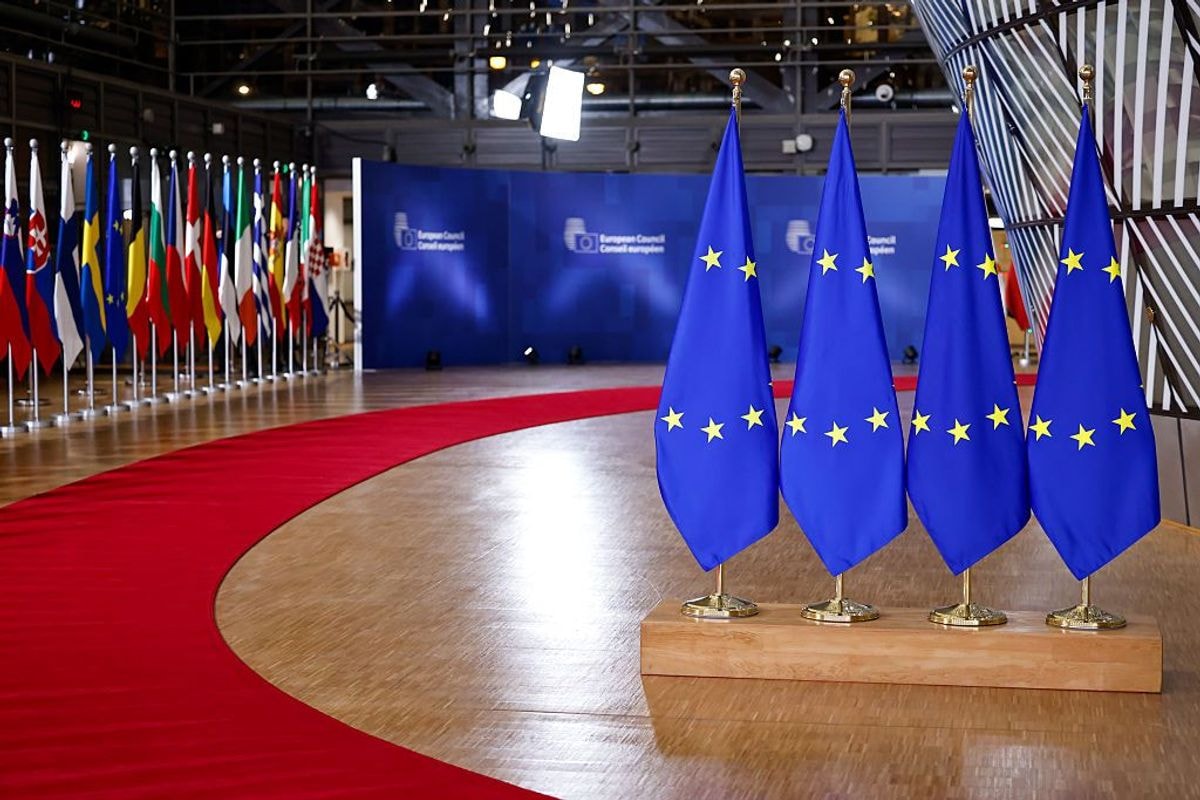
Despite some similarities — such as using the same flag — the Council of Europe and the European Union are completely separate bodies.
The Council of Europe comprises 46 European countries, including Ukraine, and excluding Russia as of 2022. Its focus is on guaranteeing human rights across the continent, but it is a much looser group than the EU.
Members of its parliamentary assembly are not directly elected, but are drawn from the members of the 46 national parliaments.
The European Union is composed of 27 member countries that are closely bound together by a common legal system, single market, area of free movement, and for many, a shared currency, the euro.
Ukraine applied to join the bloc in 2022 and is currently undertaking reforms in an effort to join one day.
It is the EU that has been providing financial support to Ukraine, giving it greater leverage in the debate over how to use Russian assets.
The EU failed to agree on what to do with the 200 billion euros ($230 billion) immobilized on its territory back in December 2025, but it did agree to ensure that the immobilization itself would remain permanent.
September has marked the start of new efforts within the bloc to find a way to use Russia's assets.
Sweden, the Netherlands, Poland, and Spain co-wrote a letter kicking off the discussion on Sept. 1.
And 122 members of the European Parliament penned a joint call to "urgently" use the assets on Sept. 9, hours before their PACE counterparts publicly communicated the same.
However, if the EU plan to somehow convert the 200 billion euros into a loan for Ukraine works, the lack of engagement with the PACE proposal would carry its own repercussions.
The Council of Europe, and the EU as a supporting member of it, have agreed to set up an international court to try Russia for the crime of aggression, to collect a "register of damages" that Moscow has wrought against Ukraine, and to set up an International Claims Commission to assess and award damages based on that register.
Russia has not engaged with that process, so the question of finding up to $588 billion to cover potential compensation claims remains.