Zelensky signs law permitting Ukrainian troops to operate abroad during martial law
 on Google
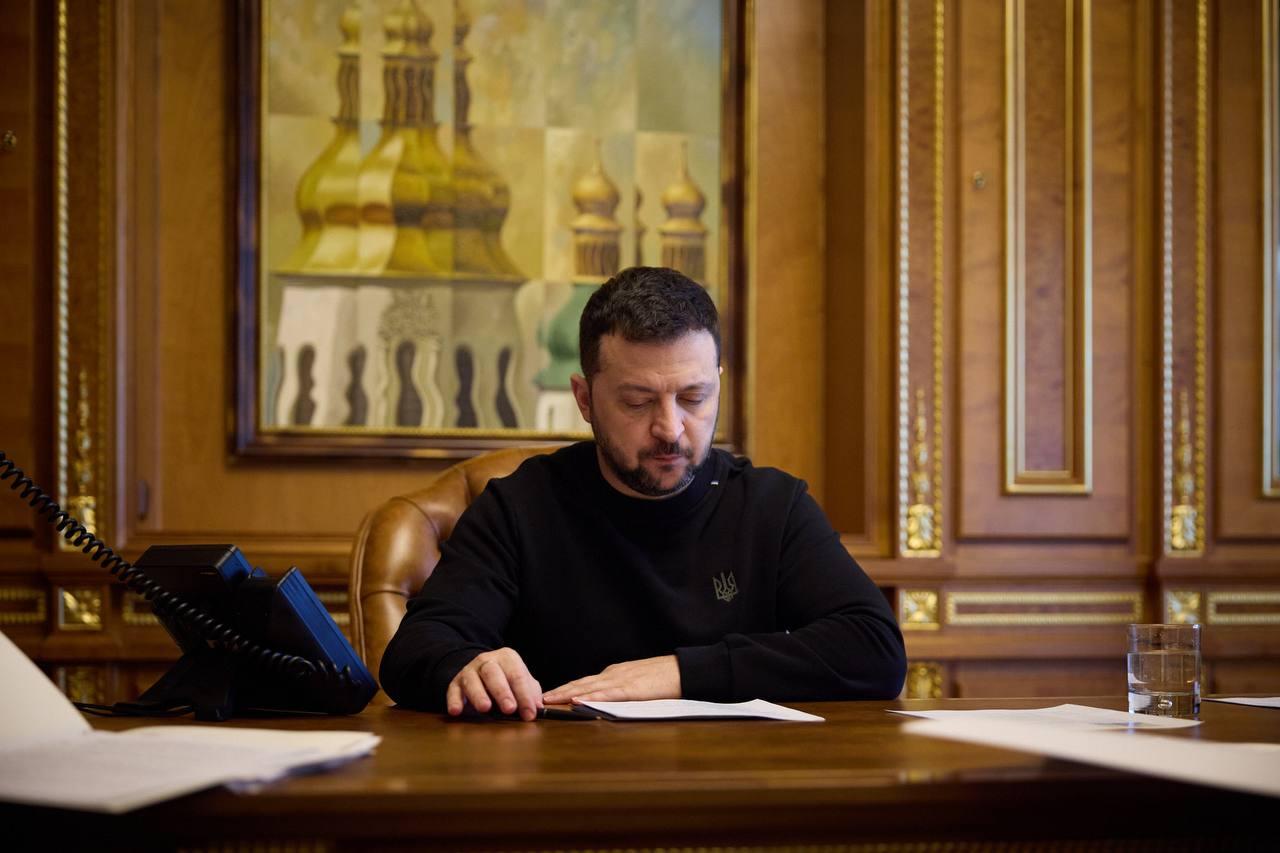
President Volodymyr Zelensky has signed a law allowing Ukraine's Armed Forces to be sent abroad during martial law, according to an official decree published on March 17.
The law aims to enhance defense cooperation with partner nations, particularly by enabling Ukrainian forces to participate in training and receive military equipment, lawmaker Oleksii Honcharenko explained.
"This will allow us to attract international support to strengthen Ukraine's defense faster and more effectively," Honcharenko posted on Telegram.
The legislation permits Ukrainian military units to be deployed to other countries for national security purposes, including repelling armed aggression, protecting sovereignty and territorial integrity, and exercising the right to self-defense under international law.
The law does not concern the deployment of Ukrainian troops for combat operations on Russian territory.
The decision to send military personnel abroad will be made by the president but requires approval from the Verkhovna Rada, the country's parliament. Deployments will be subject to a formal request detailing the mission's objectives, troop numbers, weaponry, and the conditions of their stay abroad.
Zelensky vetoed the bill in January and returned it to parliament with amendments clarifying the decision-making process and ensuring compliance with international law. Lawmakers approved the revised version in late February.