Zelensky reiterates call to create joint European army with at least 3 million personnel amid growing Russian threat
 on Google

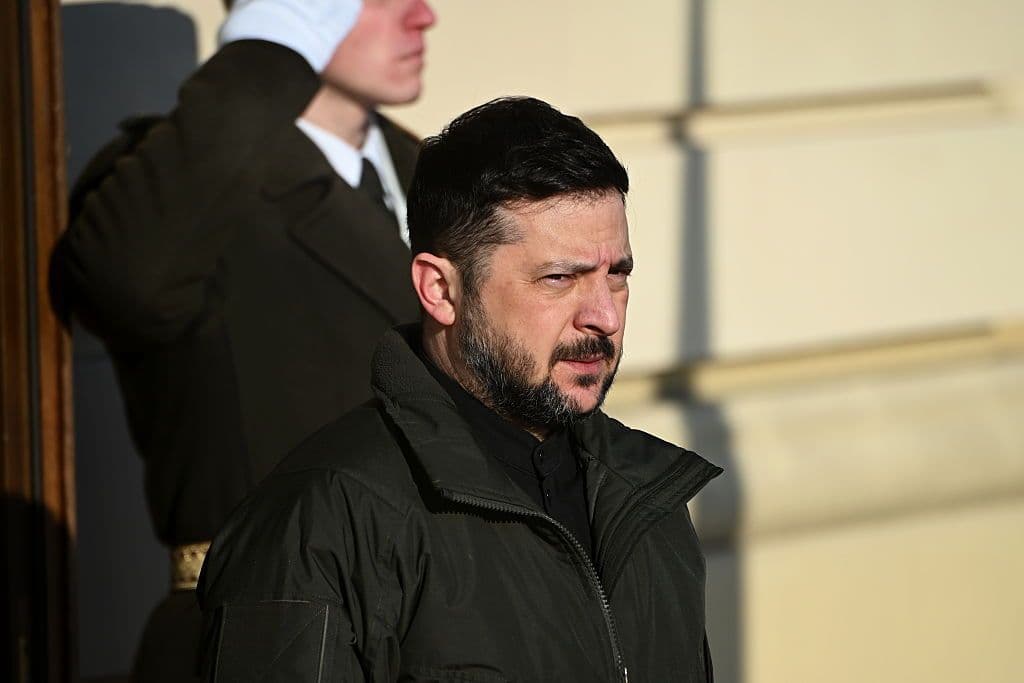
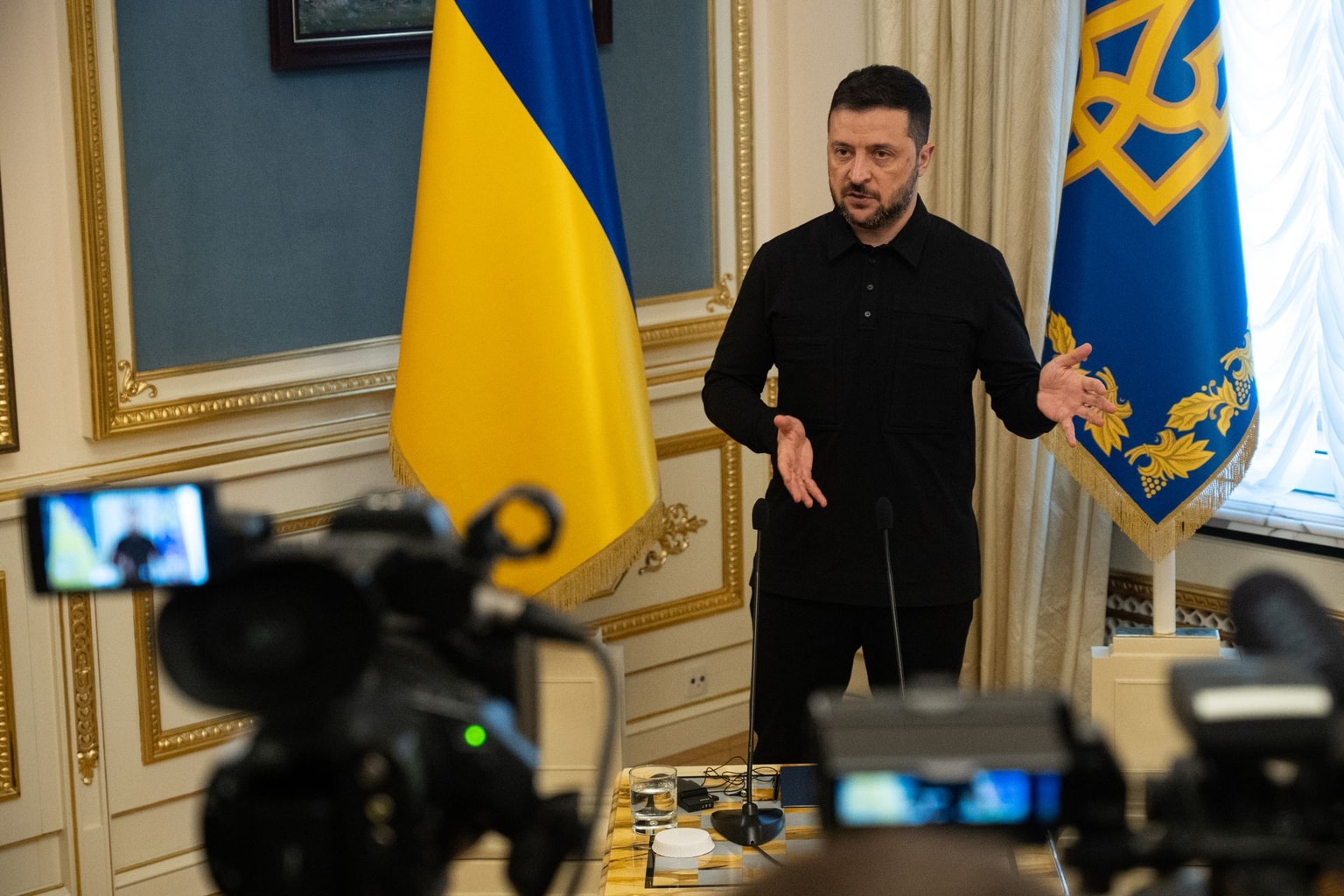
President Volodymyr Zelensky on Jan. 20 reiterated his call for the creation of a joint European armed force of at least 3 million personnel.
"Russia plans to have an army of 2 to 2.5 million personnel by 2030. So a European army, while each country keeps its own sovereign forces, must be able to respond. It should be no smaller than 3 million," Zelensky told journalists.
Zelensky's statement comes nearly a year after he first called on European partners to create a new armed force at the Munich Security Conference on Feb. 15, 2025, amid uncertainty over further U.S. support if Russian aggression escalates.
European leaders have taken no steps toward implementing the initiative in nearly a year, according to Zelensky.
"Maybe now, with all the new challenges, European leaders will take it more seriously," the president added.
Zelensky said the newly created army would not aim to compete with the U.S. and would not require dissolving NATO.
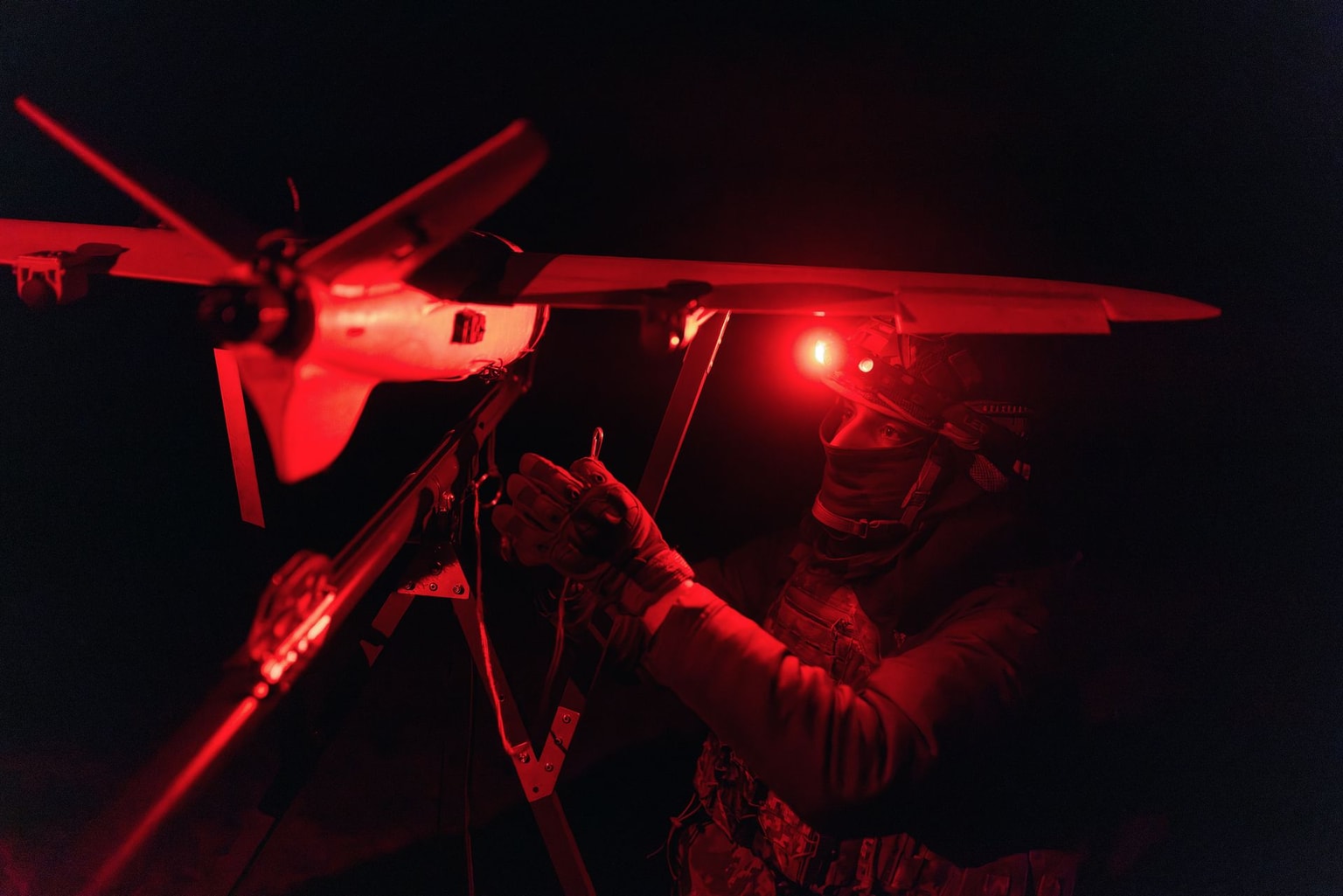
Zelensky added that Ukraine could become a cornerstone of such a force due to its combat experience, as well as its military technology and logistics expertise.
"Because we have real wartime experience, we share our technologies with our partners. They give us intelligence — for example, France provides intelligence, and other countries do as well," Zelensky said.
"And we give them our interceptors — systems that have already been tested in combat. We also share other technologies, showing how certain weapons actually work," he added.
Zelensky's remarks coincided with the beginning of the annual economic forum in Davos, Switzerland, where Greenland's future is expected to be one of the key topics.
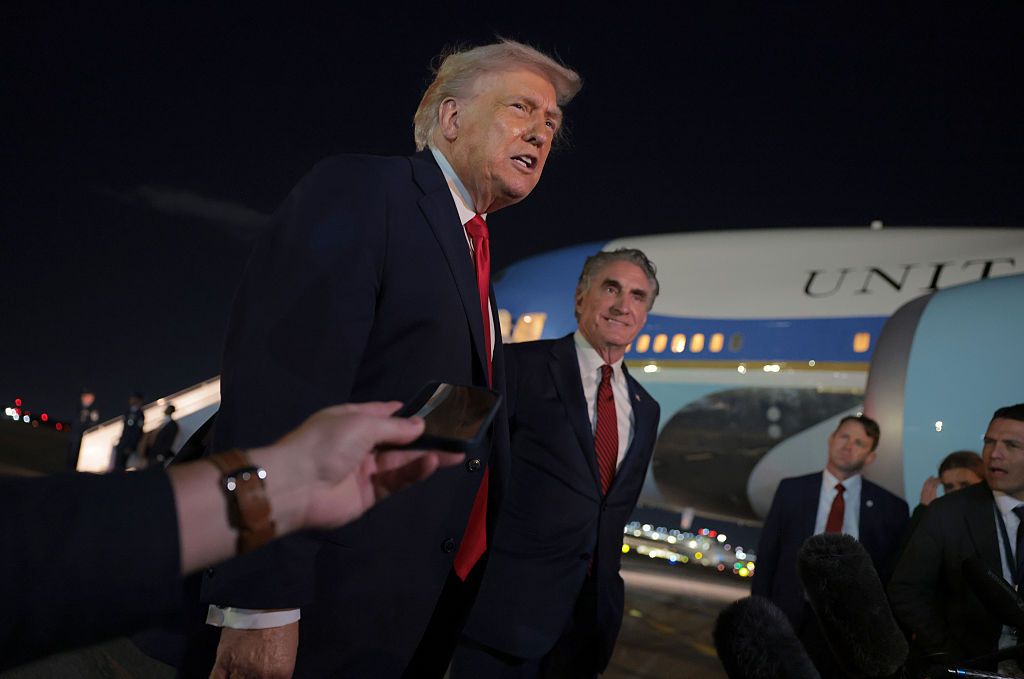
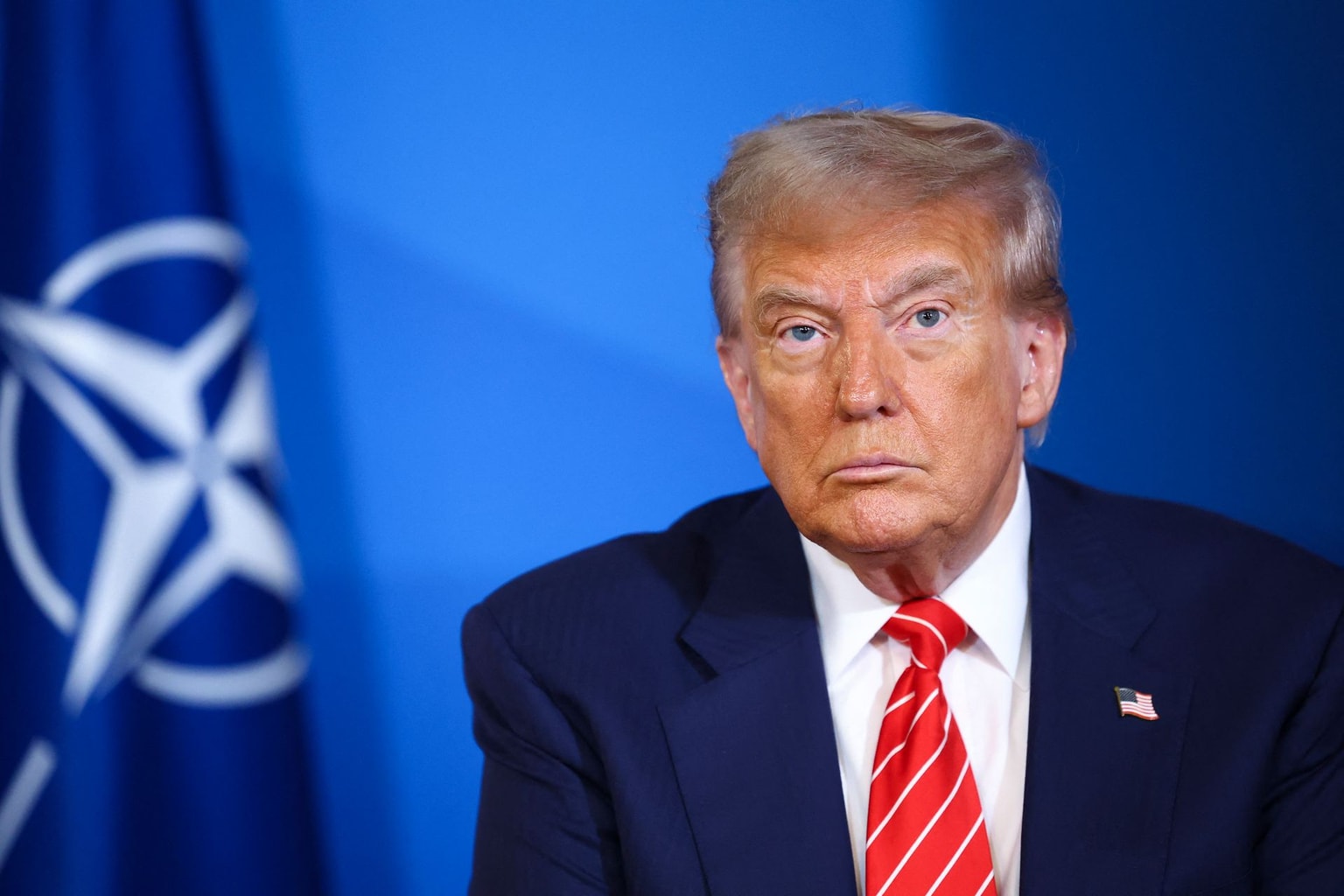
U.S. President Donald Trump said on Jan. 17 that Washington would impose 10% tariffs on NATO allies — France, Sweden, Denmark, Norway, Germany, the U.K., the Netherlands, and Finland — until the U.S. reaches a deal to buy Greenland.
Trump threatened to acquire the island "one way or the other."
When asked whether Ukraine would send troops to Greenland if Denmark requested it, Zelensky said Ukraine is currently engaged in a full-scale war and short on military personnel.
Zelensky added that Denmark has not made such a request so far.
Greenland, home to about 56,000 people, already hosts a U.S. military base and has grown in strategic importance as Arctic competition intensifies.
Several EU countries have publicly backed Denmark since Trump renewed his threats, signaling alarm in Europe over the potential consequences for NATO cohesion.
Trump has insisted that NATO would become "more formidable and effective" if Greenland were under U.S. control, a claim European leaders have rejected.