'Constant reminder of real threat:' World marks 40th anniversary of Chornobyl disaster
 on Google
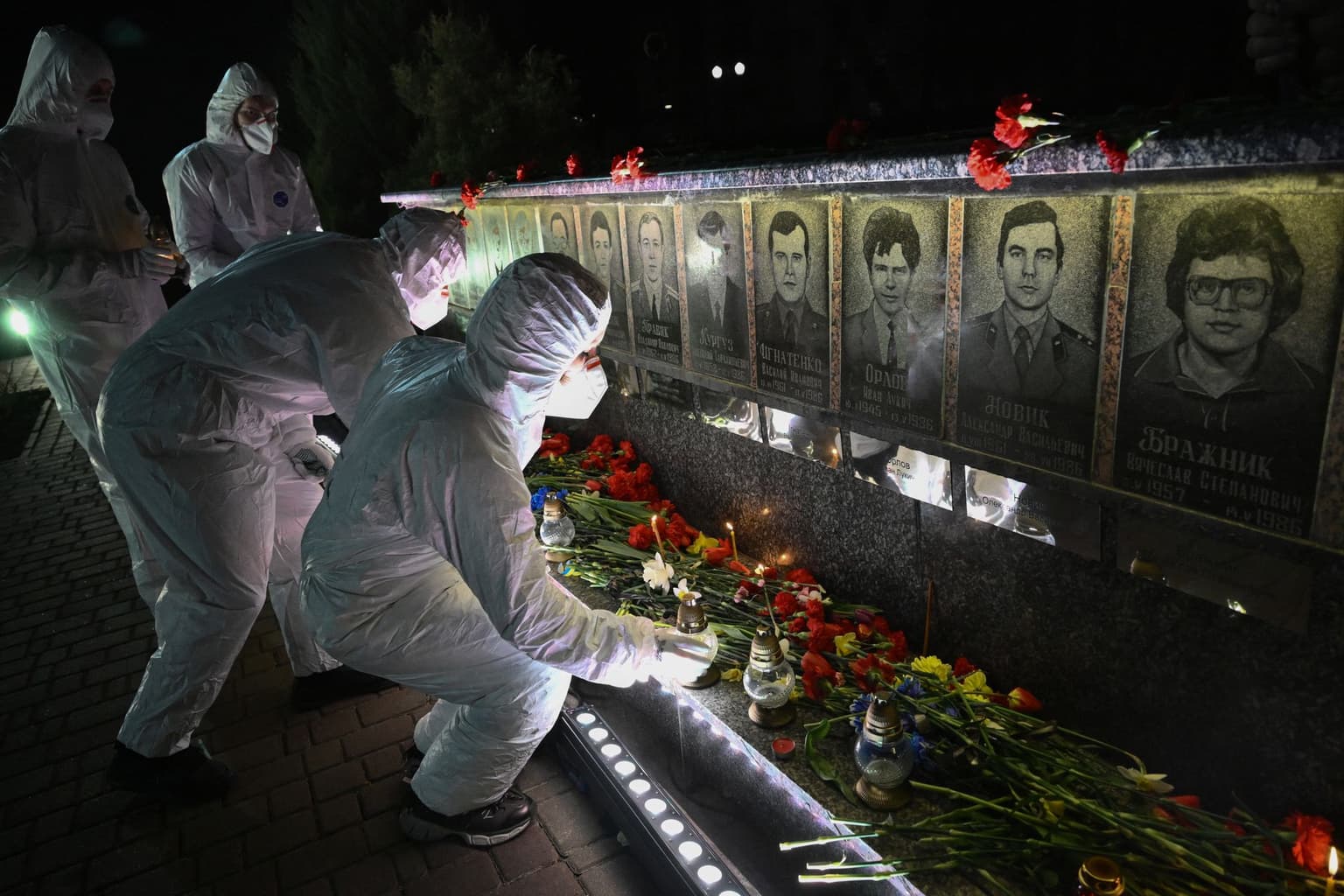
As the world marks the 40th anniversary of the Chornobyl disaster, Ukrainian and foreign leaders have been commemorating the tragedy, while Russia's ongoing war against Ukraine continues to threaten nuclear safety across the country.
"We remember everyone who gave their lives while dealing with the aftermath of this tragedy. May all the victims of the Chornobyl disaster rest in peace," President Volodymyr Zelensky wrote on X on April 26.
The Chornobyl nuclear accident occurred on April 26, 1986, when Ukraine was part of the Soviet Union.
In the early hours of that morning, the fourth reactor of the Chornobyl nuclear power plant exploded, initiating a meltdown of the reactor's core while tearing through the roof and spewing radioactive material across Ukraine, Belarus, and much of Europe.
A huge exclusion zone — once home to 116,000 people — was created on the territory of Ukraine and Belarus in the areas of the worst contamination.
The accident remains the deadliest nuclear disaster in the history of nuclear energy production in terms of civilian casualties to date.
"The explosion at the fourth reactor changed the lives of millions of Ukrainians. Its consequences affected the entire world and are still felt today," Prime Minister Yulia Svyrydenko said.
Svyrydenko also drew parallels between Soviet Union and today's Russia, saying Moscow "still exhibits totalitarian regime behaviors" on display to the world since the full-scale invasion of Ukraine.
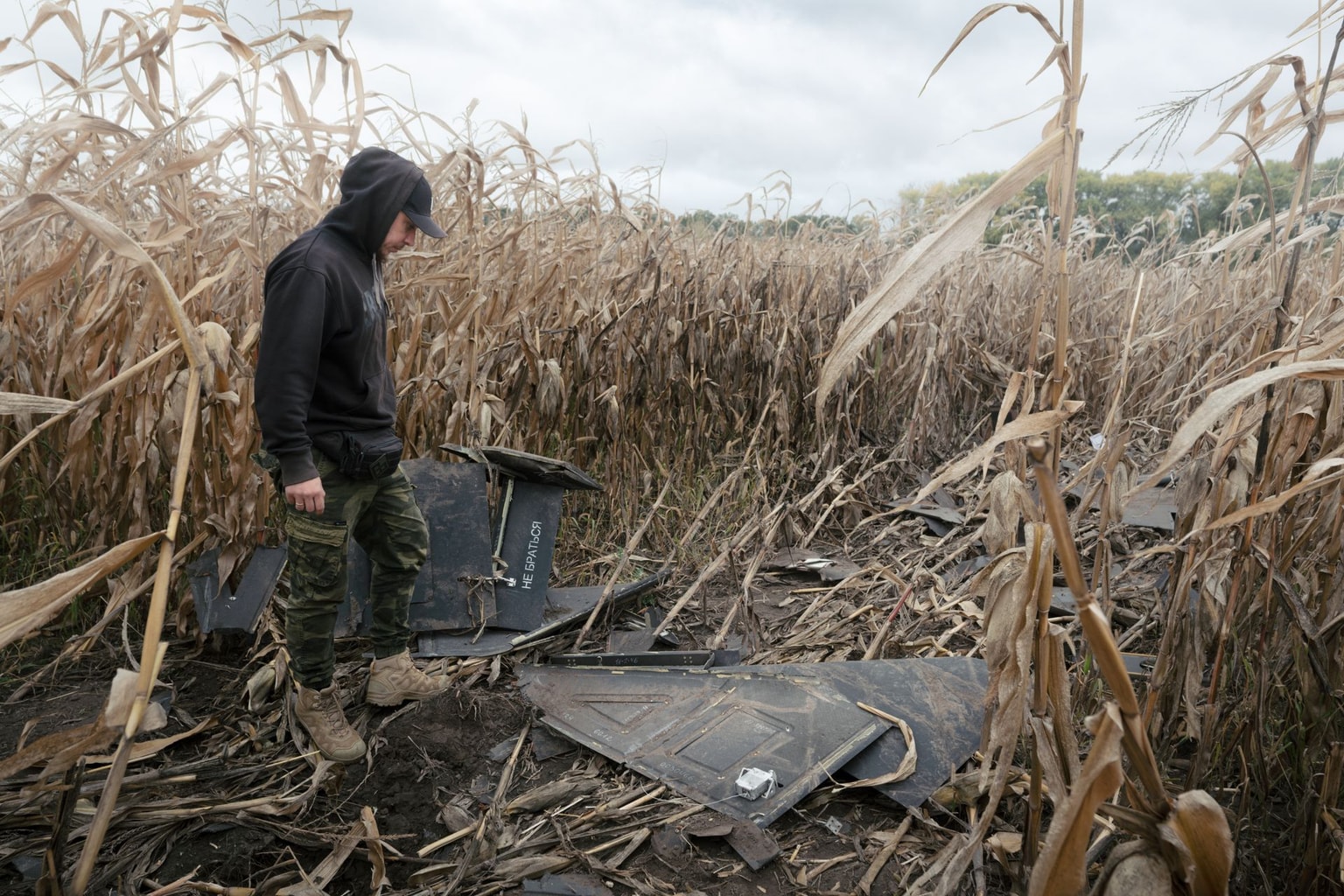
In February 2025, a Russian Shahed-type drone struck the New Safe Confinement (NSC) over Chornobyl's destroyed fourth reactor. The structure built to contain radioactive material was damaged, though no serious radiation leaks occurred.
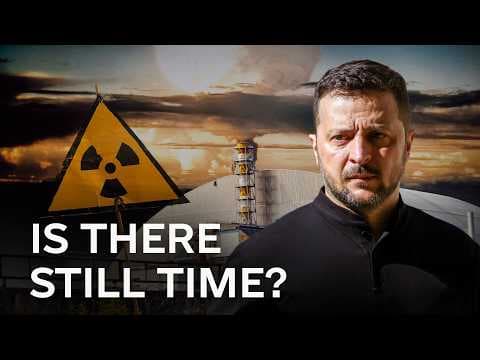
The Chornobyl nuclear power plant was briefly occupied by Russian forces in the early days of the full-scale invasion, and the plant's security guards remain in Russian captivity to this day.
"Chornobyl did not remain in 1986. It is a constant reminder of the real threat that totalitarian regimes pose to global energy security," Svyrydenko said.
Russia continues "to flout global nuclear safety principles," creating risks on a continental scale as it systematically strikes Europe's largest nuclear power plant located in occupied Enerhodar, Zaporizhzhia Oblast, Svyrydenko added.
Since occupying the plant, Moscow has consistently put the facility in danger of a nuclear accident by using the area as a military base and neglecting basic maintenance requirements.
Because nuclear safety is not an option. It is a cornerstone of European and global security overall.
The EU's commissioner for economy and energy, Dan Jorgensen, told reporters during his visit to Kyiv that the cost of repairing the Chornobyl safe confinement is not just Ukraine's workers' affair but a collective responsibility.
"Nuclear safety is not an option. It is a cornerstone of European and global security overall," Jorgensen said.
"From the EU's side, I want to stress that we remain absolutely committed to the work that needs to be done. Ensuring Ukraine's nuclear safety remains one of our top priorities."
Rafael Mariano Grossi, director general of the International Atomic Energy Agency, also visited Ukraine to mark the anniversary. Speaking at the "Restoring Nuclear Safety" conference, he reflected on the global impact of the disaster.
"1986 is one of those dates we remember ... where we were when we learned what was happening here," Grossi said. "We saw images that seemed almost like science fiction coming from a very opaque system."
"That terrible day," he added, "marked the beginning of global cooperation on nuclear safety. Within weeks, the IAEA established a relationship with Chornobyl that continues to this day."
In a later social media post, Grossi wrote that "Chornobyl is not history. It is a living responsibility," noting the agency continues its work at the site amid wartime conditions, including efforts to repair the New Safe Confinement.
U.S. State Department spokesperson Thomas "Tommy" Pigott said in a statement that forty years ago, the Chornobyl disaster "changed forever how the world thinks about nuclear safety."
"We remember the lives lost and honor the incredible courage of the first responders and innocent people in Ukraine, Belarus, Russia, and other countries who faced this tragedy head-on and continue to deal with its effects today," Pigott said.
Pigott added that the U.S. responded to the crisis, assisting with the cleanup and the containment of the site.
"This catastrophe compelled us and our partners to create stronger international standards and better safety protocols that protect communities worldwide. Nuclear power must remain in responsible hands committed to transparency."