US military aid to Ukraine dropped 99% in 2025, report finds
 on Google
U.S. military aid to Ukraine fell by 99% in 2025, leaving European countries to fill the gap as Kyiv nears the fourth anniversary of Russia's full-scale invasion, the Kiel Institute for the World Economy reported on Feb. 11.
European military aid to Ukraine increased by 67% in 2025, while humanitarian and financial aid increased 59%, according to a report released by the Kiel Institute's Ukraine Support Tracker.
The surge in European aid allowed support for Ukraine to remain fairly stable despite the sharp decline in U.S. military aid last year. Still, total military support for Kyiv dropped 13% below the annual average between 2022 and 2024, the report found.
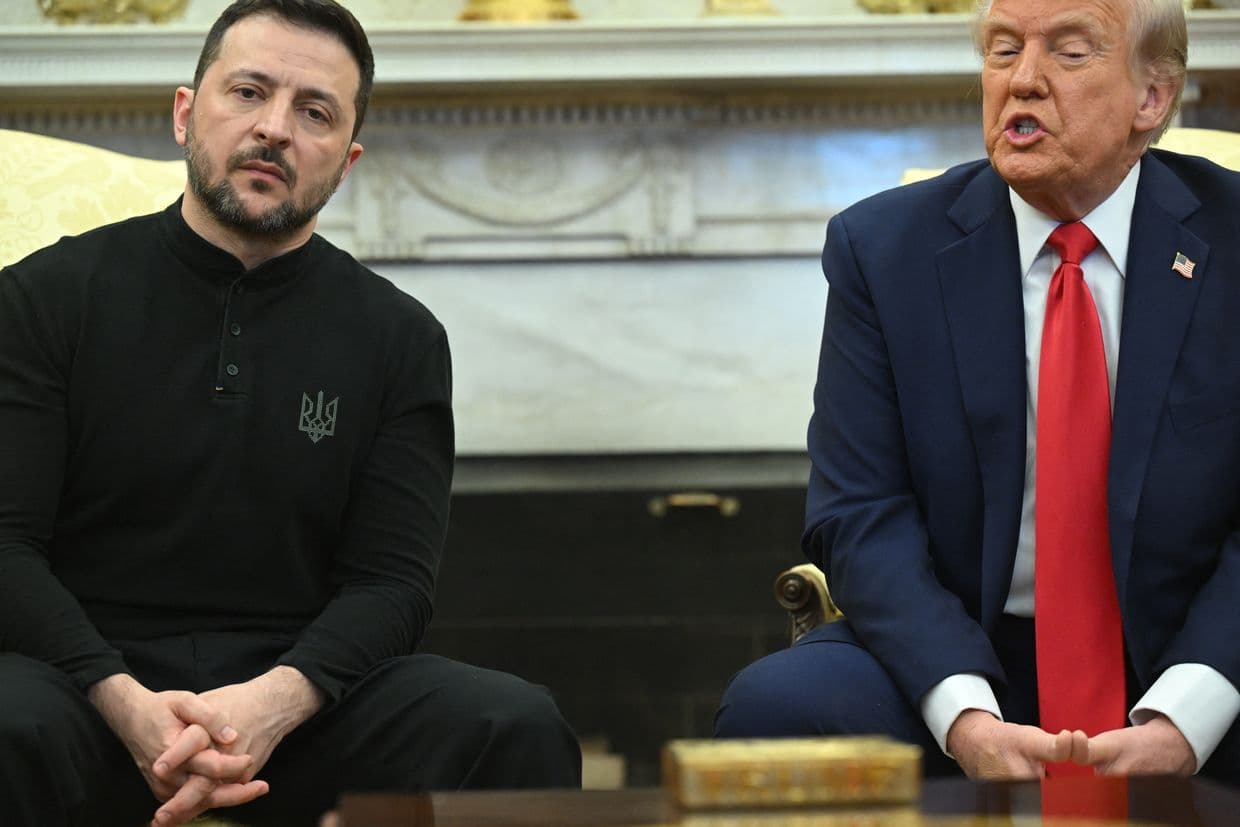
The dramatic drop in American military support coincides with U.S. President Donald Trump's first year back in office. Since his inauguration in January 2025, Trump has not allocated any new defense aid packages under the Presidential Drawdown Authority (PDA) — a tool frequently used by his predecessor, former President Joe Biden.
Instead, the Trump administration has opted to sell weapons to Ukraine via NATO partners, using the Prioritized Ukraine Requirements List (PURL).
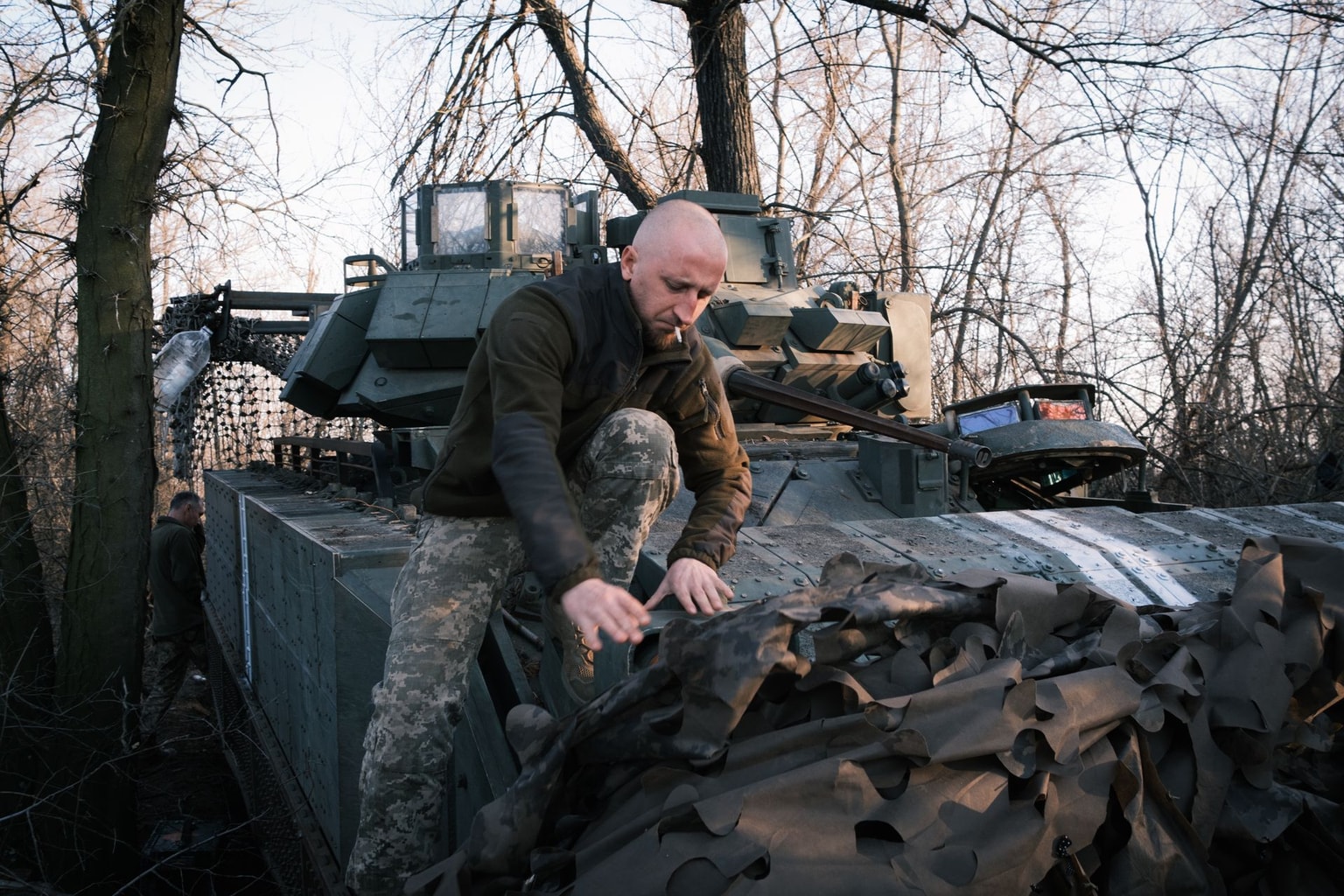
NATO donors purchased 3.7 billion euros ($4.39 billion) worth of U.S. weapons for Kyiv in 2025, the report found. Purchases included High-Mobility Artillery Rocket Systems (HIMARS) and Patriot air defense batteries.

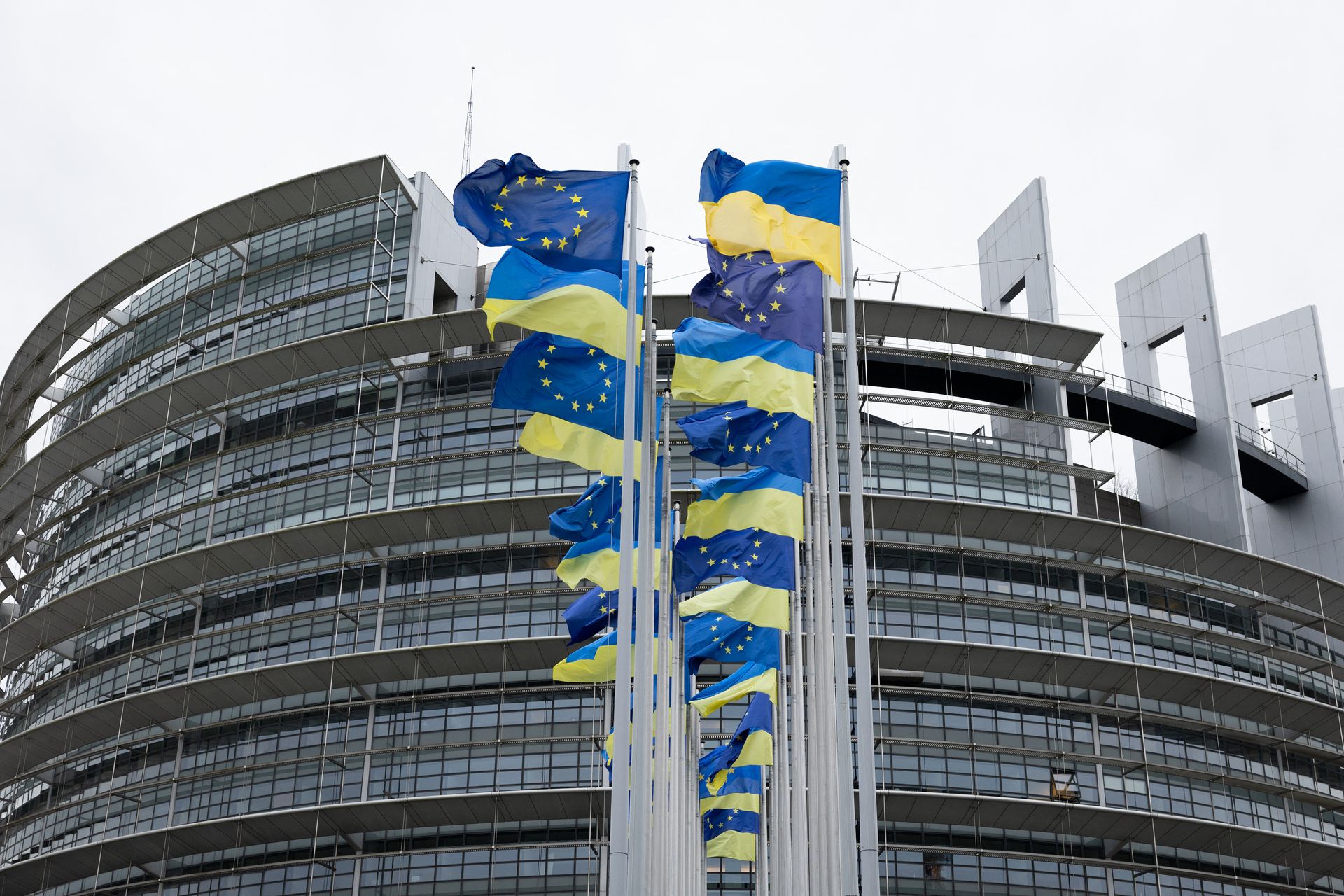
The European Union now provides the majority of financial and humanitarian aid to Ukraine, while a small group of donor countries provide most of the military aid, according to the Kiel Institute.
"Ukraine's growing budgetary needs are now largely financed through EU-level loans and grants," Ukraine Support Tracker Head Christoph Trebesch said.
"This growing reliance on multilateral, EU-level aid means that Ukraine support is more fairly distributed across the EU, namely in line with each country's GDP share in the bloc. However, this pattern is only observable for financial aid, while military aid still requires bilateral donations of individual member states, and we see far less burden sharing there."
Germany and the United Kingdom were responsible for two-thirds of Western Europe's total military aid to Ukraine from 2022 to 2025. Northern Europe represented the second-biggest donor.
Aid from Eastern and Southern European countries, meanwhile, has declined. Military aid from Eastern Europe fell from 17% in 2022 to only 2% in 2025, while defense support from Southern Europe dropped from 7% to 3% over the same period.