US lifts sanctions on Russian nationals, Russia-linked entities
 on Google
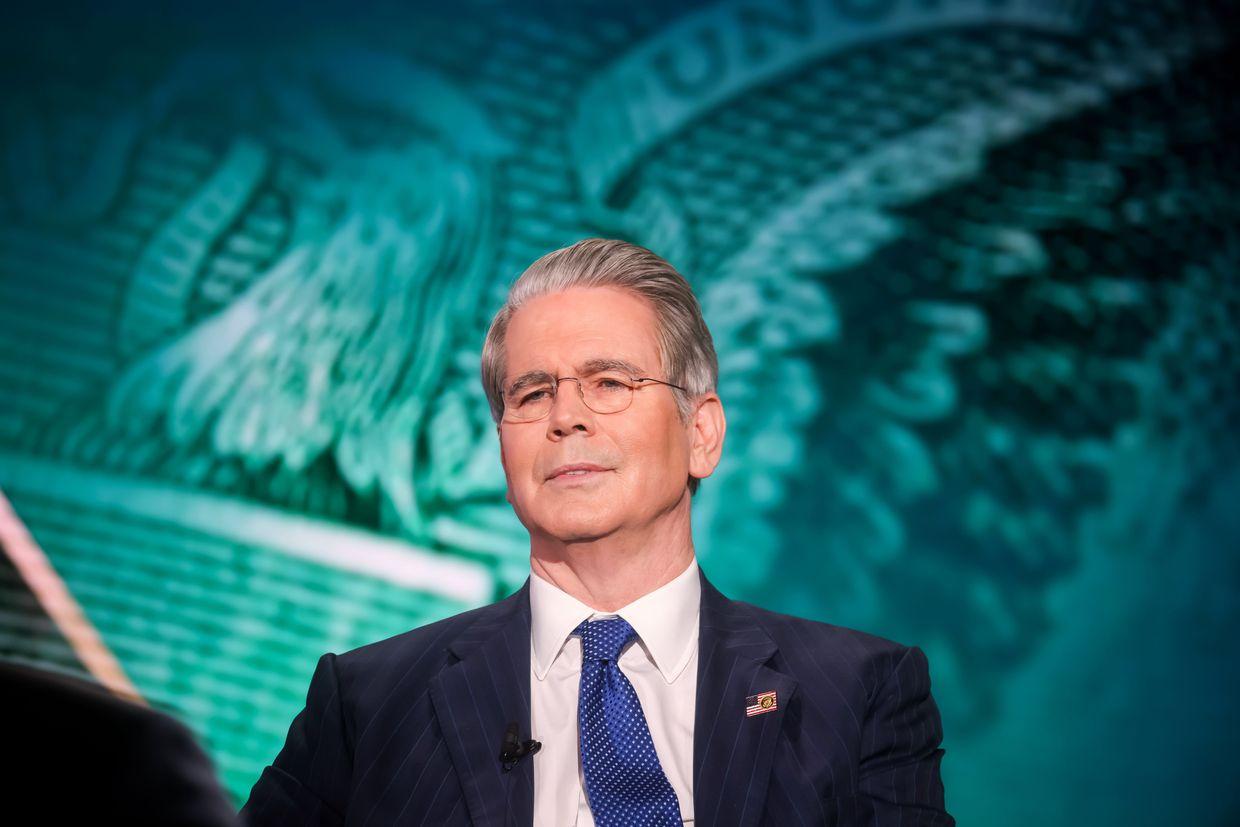
The United States removed two Russian citizens and other individuals and entities linked to Russia from its sanctions list on March 20, the U.S. Treasury Department announced.
The change comes as the Trump administration has temporarily eased restrictions on Russian oil transit and purchases in response to surging global oil prices triggered by the U.S.-Israeli war against Iran.
Russian citizens Yurii Korzhavin and Lidiya Korzhavina have been removed from the U.S. sanctions list, the Treasury Department said in an update published March 20. No explanation was given for the change.
Korzhavin and Korzhavina were first sanctioned by the U.S. in May 2024 due to their links to the Russian transport and logistics company Elfor TL. Both individuals were identified as shareholders of the company, which the U.S. sanctioned in December 2023.
The company provides services for international cargo transportation and customs clearance.

In addition to removing Korzhavin and Korzhavina from the sanctions list, the U.S. Treasury also lifted sanctions on several other individuals and entities linked to Russia.
These include Hungarian national Imre Lasloczki, former executive of the Russian-Hungarian International Investment Bank, who came under U.S. sanctions in April 2023. Also removed from the list is Gilad Piflaks, who was sanctioned in 2023 as the son of Maks Piflaks — a member of the Russian sanctions evasion network led by arms dealer Igor Zimenkov.
The company Reliable Freight Services FZCO, based in the United Arab Emirates, was also removed from the list. When imposing sanctions against the firm in 2023, the U.S. Treasury said the company shipped items such as x-ray systems, batteries, and aircraft parts to Russia.
Individuals and entities designated on the sanctions list are subject to economic restrictions, including freezing of assets. U.S. companies and individuals are also barred from doing business with designated persons.
While the Treasury provided no explanation for the changes in designation, U.S. President Donald Trump has recently made several moves to ease restrictions on Russia in the name of stabilizing global energy markets.
Washington on March 13 issued a temporary license to allow countries to purchase Russian oil currently stranded at sea — a step that could bring the Kremlin $150 million a day. Days earlier, the Treasure Department granted India temporary permission to purchase Russian crude already loaded on tankers at sea to offset supply disruptions from the Middle East.
Trump has claimed the suspension in sanctions will be temporary.