US temporarily eases Russian oil sanctions as Iran war drives price surge
 on Google


Editor's note: The story has been updated with additional details.
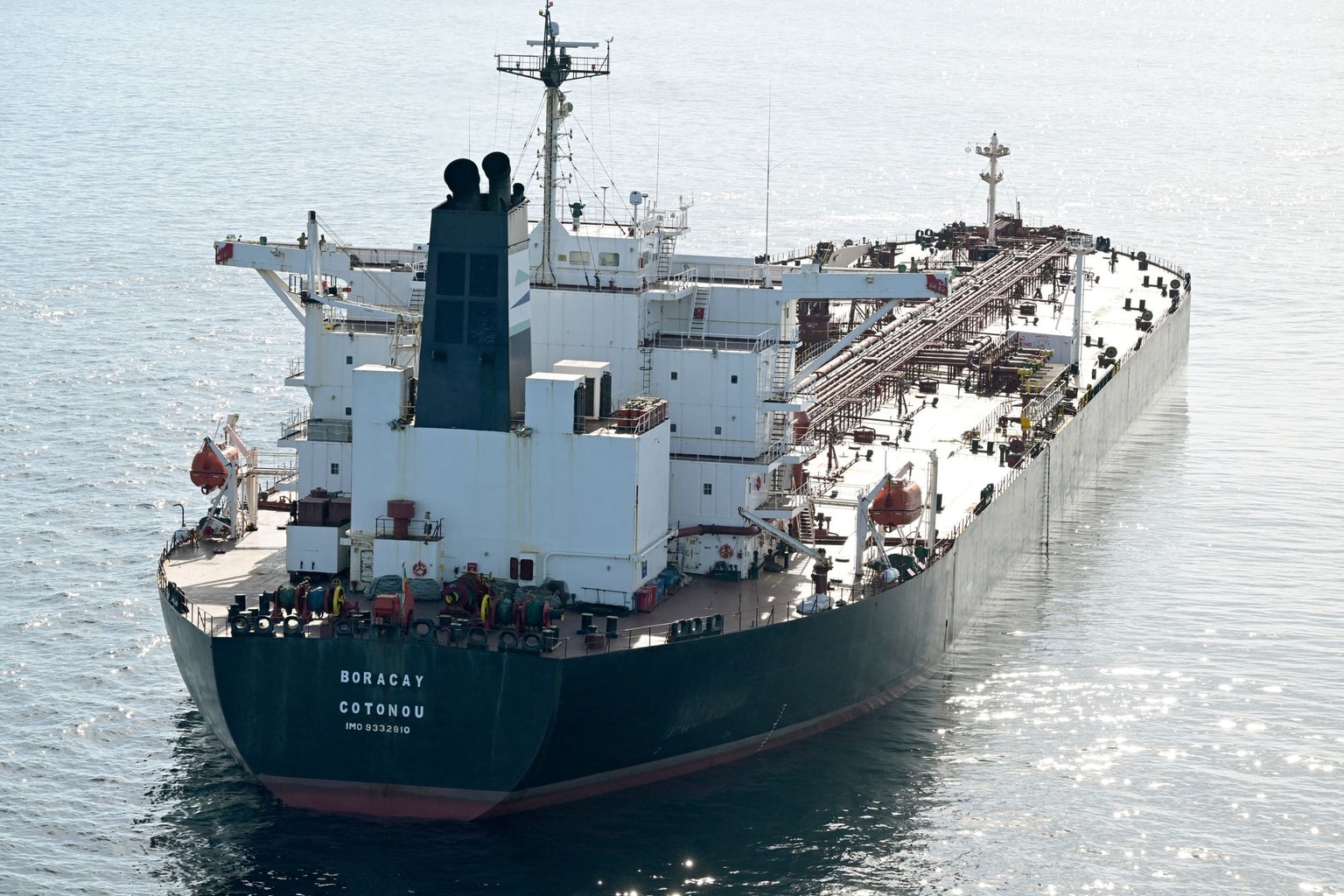
The U.S. Treasury Department issued a temporary license on March 12 to allow countries to purchase Russian oil currently stranded at sea, in an effort to stabilize global energy prices as the war with Iran drives markets higher.
The move marks a shift in Washington's sanctions enforcement as the escalating conflict in the Middle East threatens global oil supply and economic stability.
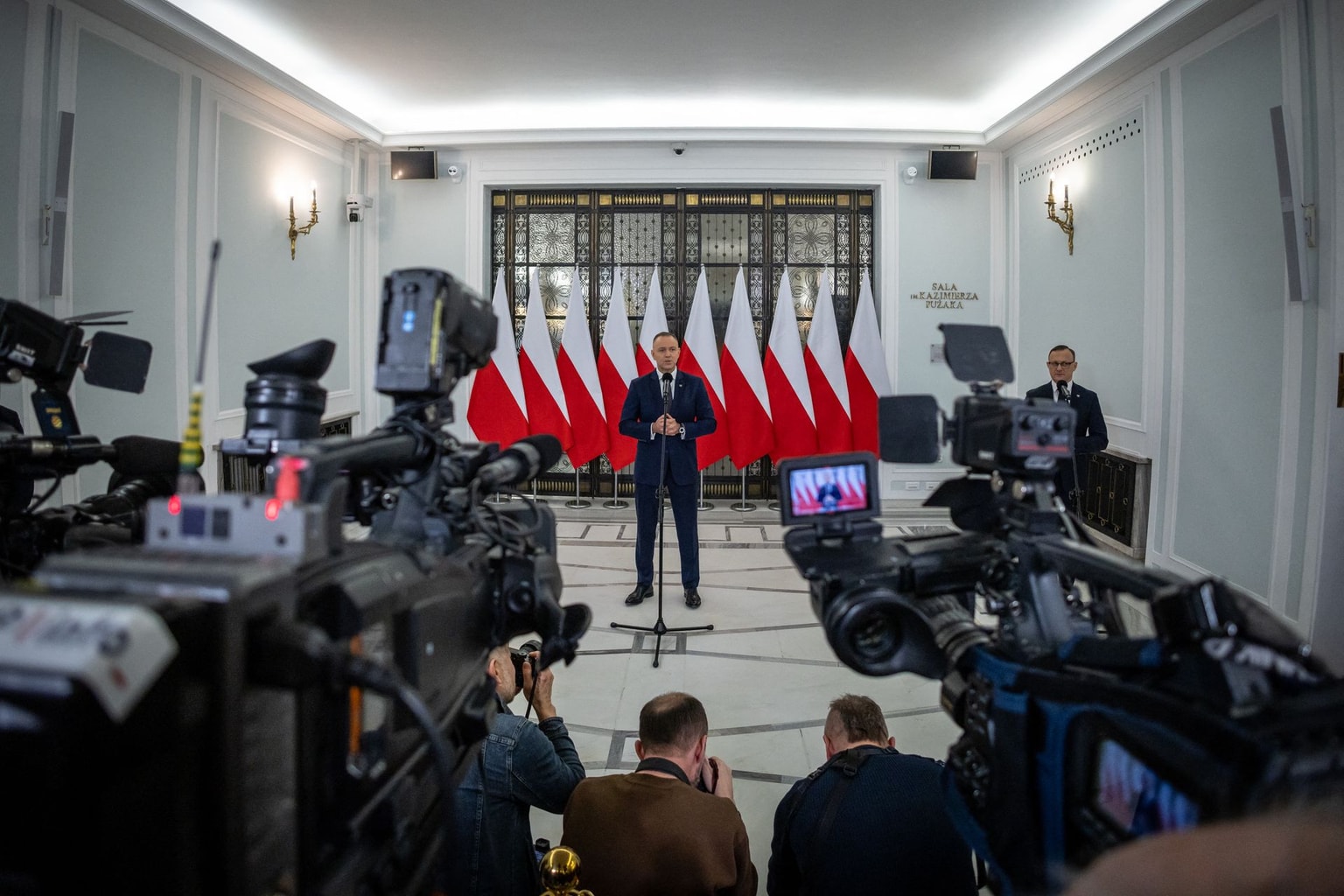
In a statement on X, U.S. Treasury Secretary Scott Bessent called the temporary authorization a "narrowly tailored, short-term measure" which applied "only to oil already in transit."
Bessent further claimed that it "will not provide significant financial benefit to the Russian government, which derives the majority of its energy revenue from taxes assessed at the point of extraction."
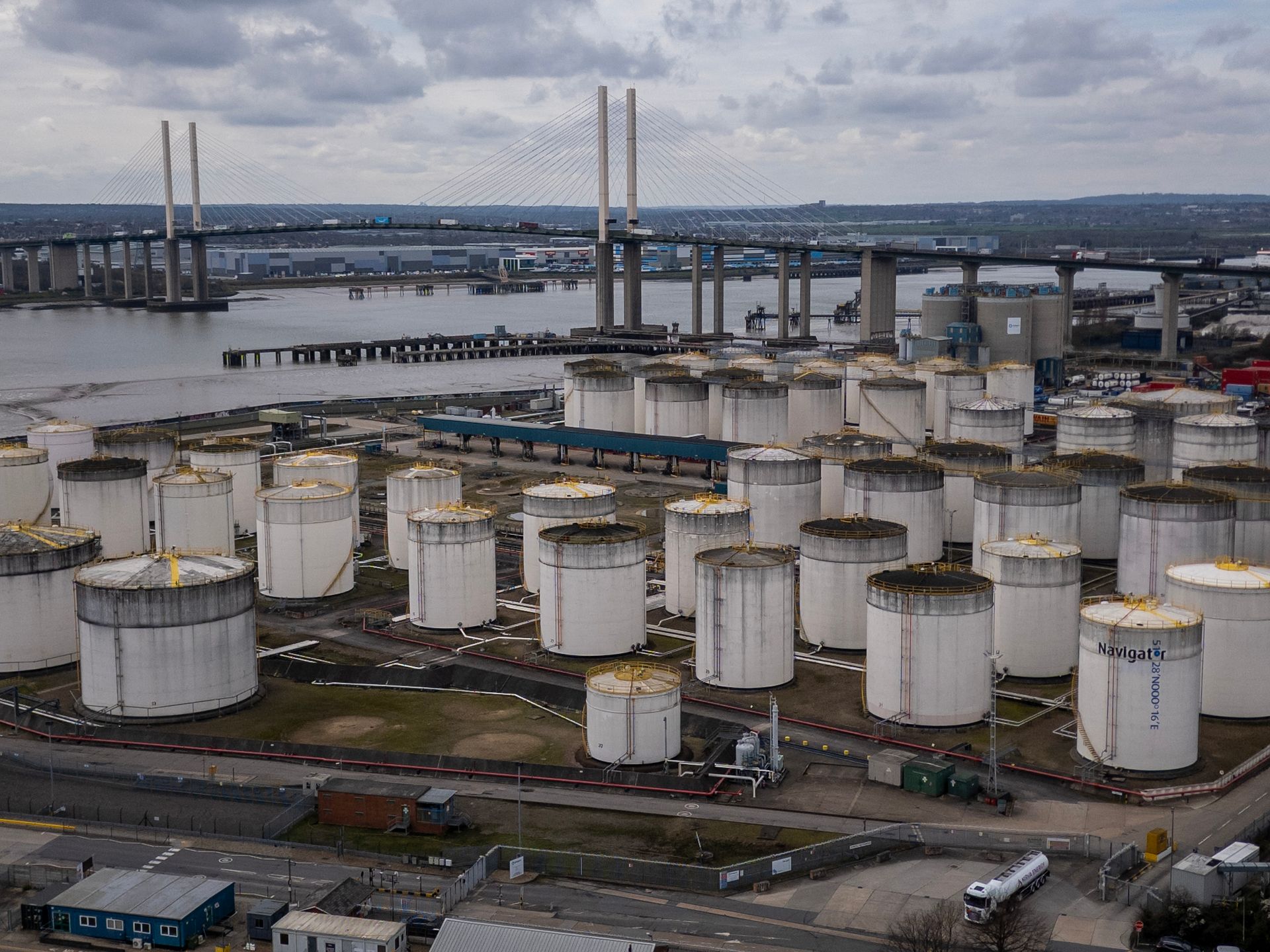
Global oil and gas prices surged after the U.S. and Israel launched strikes on Iran on Feb. 28. In response, Tehran closed the Strait of Hormuz, a route that carries roughly 20% of the world's oil supply.
The Center for Research on Energy and Clean Air (CREA) found that Russian oil revenues have soared in two weeks of fighting between the U.S. and Iran, providing Moscow with an additional 6 billion euros ($6.9 billion) in revenue.
In response to the rising oil prices, the International Energy Agency (IEA), comprising 32 member states, announced on March 11 that it had agreed to release 400 million barrels of oil from its strategic reserves
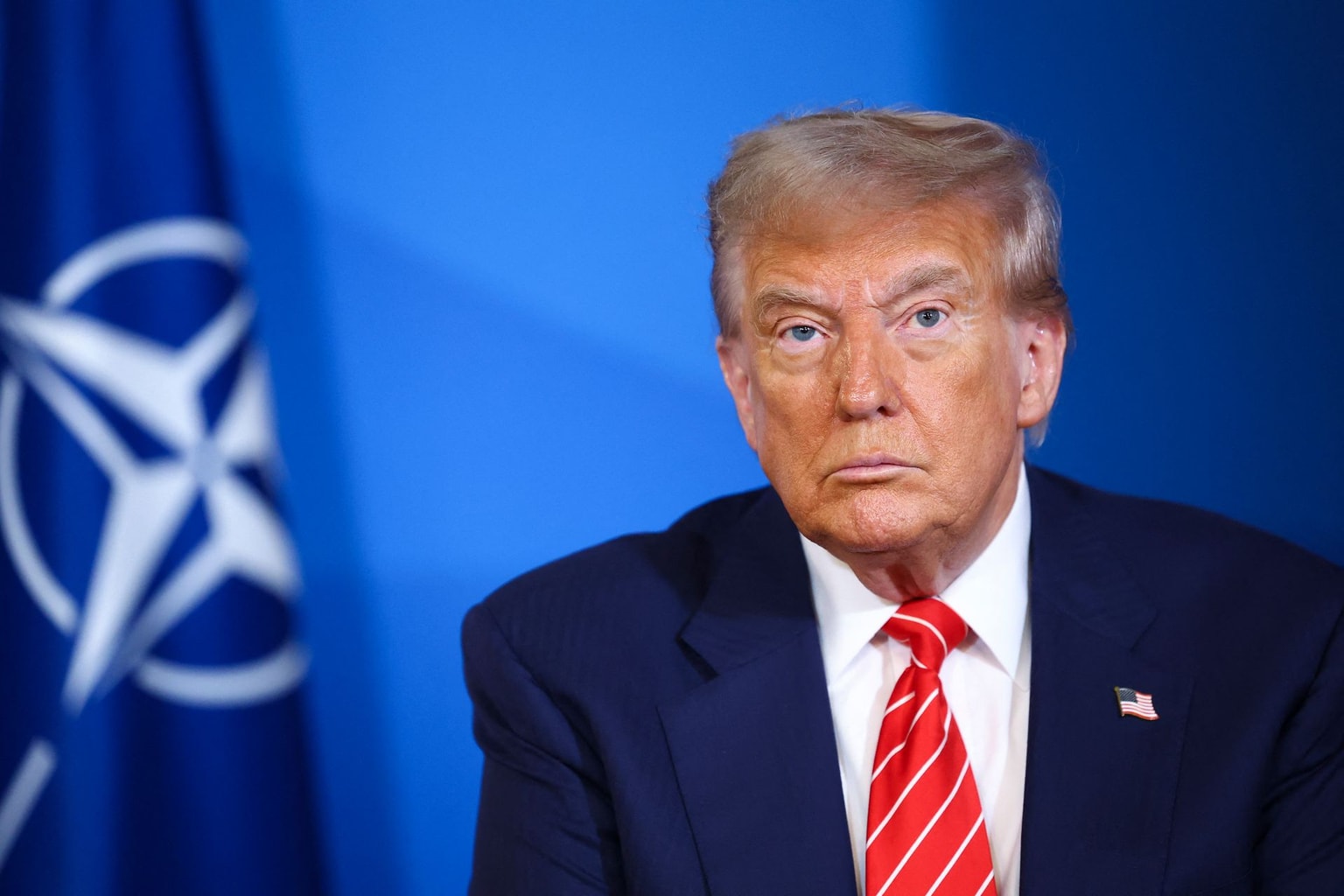
The license, issued by the U.S. Office of Foreign Assets Control, will be in effect until April 11, effective immediately. Its announcement comes just days after U.S. President Donald Trump held a phone call with Russian President Vladimir Putin to discuss Russia's full-scale war against Ukraine and the growing conflict in Iran.
While easing sanctions could boost global energy supplies, critics say it risks undermining efforts to pressure Moscow over its full-scale invasion of Ukraine, which entered its fifth year in February.
"The U.S. sanctions waiver risks throwing Russia a financial lifeline just as Moscow is profiting from the geopolitical shock created by the Iran conflict," Alexander Kirk, a sanctions campaigner at the Urgewald NGO, told the Kyiv Independent.
"Allowing more Russian oil onto the market now only helps refill the Kremlin's war chest, undermining U.S. foreign policy and weakening European security. Ukrainians will pay in blood for that choice."
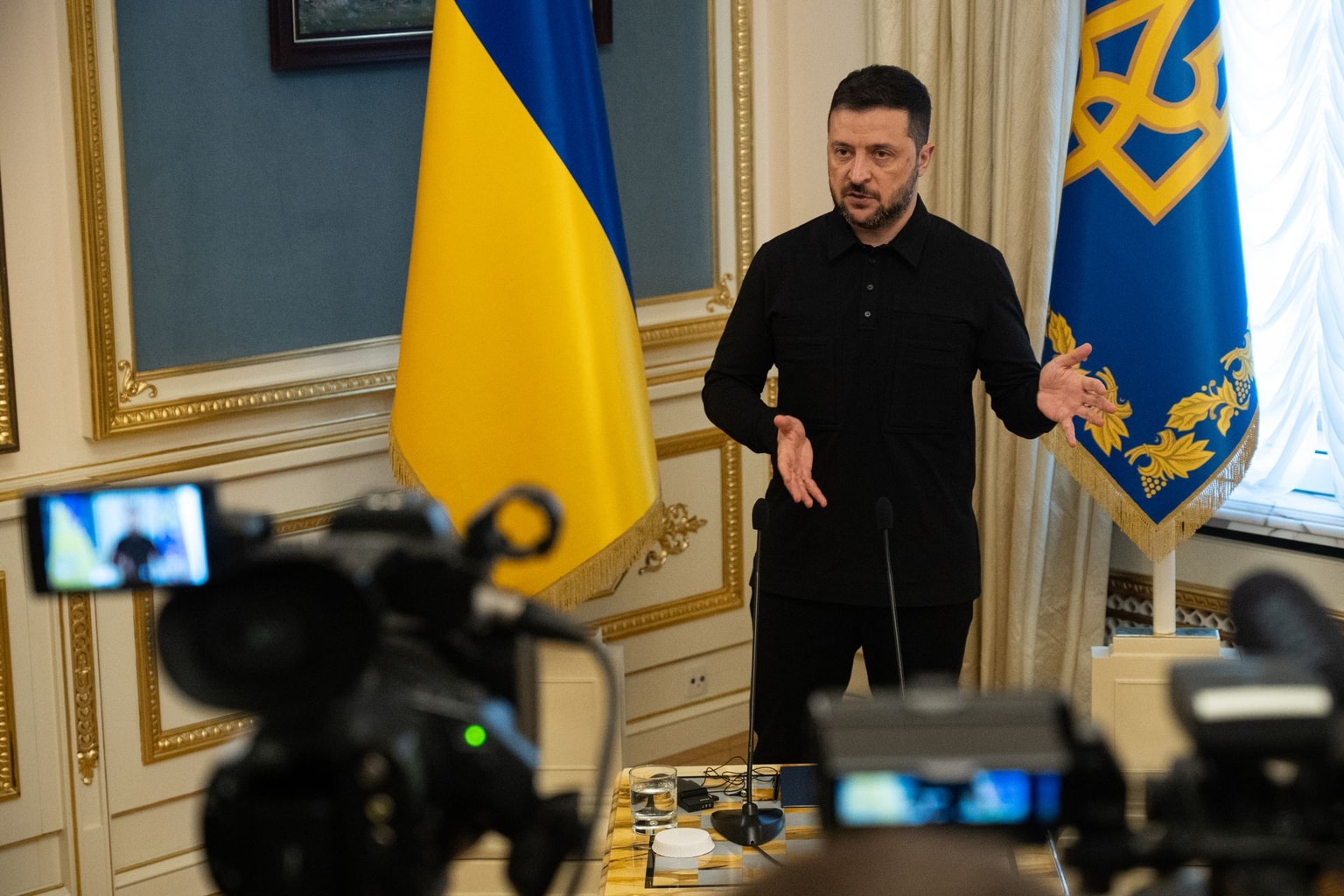
President Volodymyr Zelensky warned that lifting sanctions would be a "serious blow" to Ukraine and a "reputational blow" for the world.
"How can sanctions be lifted from Russia if it is an aggressor?" Zelensky said during a briefing with journalists on March 10, stressing that sanctions are designed to prevent Moscow from funding its war on Ukraine.
Russia has welcomed the move. The Kremlin's economic negotiator, Kirill Dmitriev, commented that "Russian energy is indispensable to easing the world's largest energy crisis."
"EU bureaucrats will soon be forced to recognize this reality, acknowledge their strategic blunders, and atone," Dmitriev said on X.
The license follows a temporary waiver granted last week, allowing India to purchase Russian crude already loaded on tankers at sea to offset supply disruptions from the Middle East.
Despite the temporary measures, U.S. Energy Secretary Chris Wright claimed on March 8 that Washington does not plan to abandon its broader sanctions policy toward Russia.
"We just made a pragmatic decision," Wright told Fox News. "I don't think there's any change in the pressure there… Russia's oil remains sanctioned. There's no change in policy towards Russia."
Iran remains one of Russia's closest partners since the start of Moscow's full-scale invasion of Ukraine.
read also
 Tim Zadorozhnyy
 Alexander Kirk