Ukrainian crew begins 'crucial' repairs on Zaporizhzhia nuclear plant backup line under IAEA-brokered ceasefire
 on Google
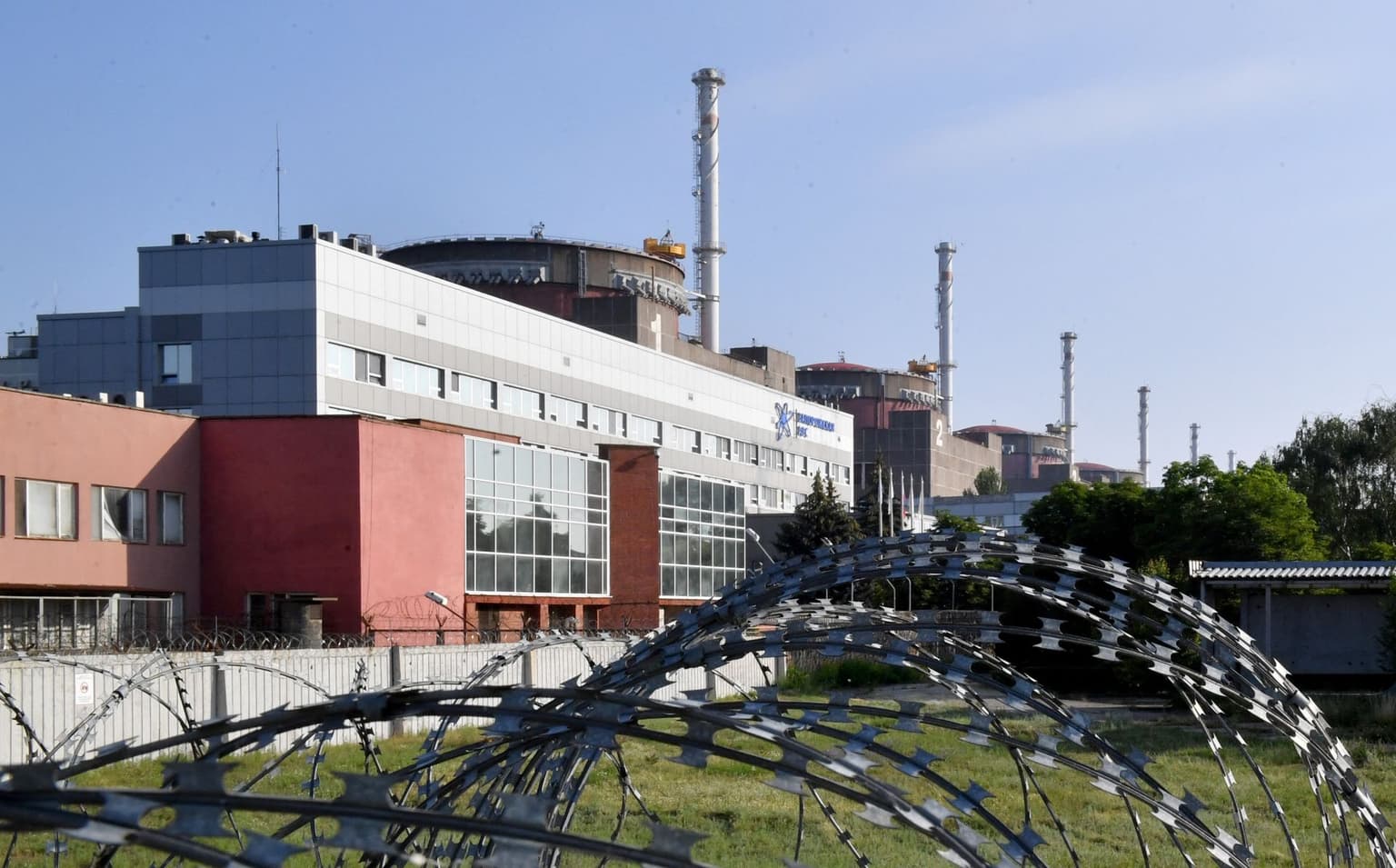
Repair works have begun on the backup power line connecting the Russian-occupied Zaporizhzhia nuclear power plant to the power grid under an International Atomic Energy Agency (IAEA)-brokered local ceasefire, the agency announced on Jan. 18.
The 330-kilovolt (kV) power line, damaged and disconnected by military activity on Jan. 2, is vital for supplying the plant with external electricity, with the agency describing the repair work as "crucial" to maintaining stable operations.
The disconnection has left the plant dependent on its sole functioning 750 kV main power line.
Before Russia's full-scale invasion, the plant, located in Russian-occupied Enerhodar, generated around 20% of Ukraine's electricity. It is the largest nuclear power facility in Europe.
Russian forces seized the plant in March 2022, and all six reactor units were placed into cold shutdown by September of the same year.
The current repair work is being carried out by a Ukrainian technical team, with IAEA experts on site monitoring progress. IAEA Director General Rafael Grossi said on Jan. 16 that the agreement enabling the repairs marks the fourth localized ceasefire around the plant.
The announcement comes as Russia continues to target Ukraine's energy infrastructure nationwide. Against this backdrop, the IAEA is preparing a new expert mission to inspect 10 power stations that are essential for nuclear safety.
The Zaporizhzhia plant has faced repeated safety concerns since the full-scale invasion, including power outages, nearby attacks, and staff shortages.
An IAEA monitoring mission has been stationed at the site since September 2022, though Russian occupation authorities have repeatedly restricted its access.
Control of the plant remains a contentious issue in U.S.-mediated peace negotiations between Ukraine and Russia. Under a U.S.-backed framework, the facility would be jointly operated by Ukraine, the United States, and Russia, with economic benefits shared among the parties.
Kyiv fears this proposal would effectively legitimize Russia's occupation of the plant.