Ukraine war latest: Hungary claims new ‘evidence’ in seized Ukrainian bank convoy case, Oschadbank calls it fabricated
 on Google
Key developments on April 8:
- Hungary claims new ‘evidence’ in seized Ukrainian bank convoy case, Oschadbank calls it fabricated
- Russia hits Kharkiv Oblast oil refinery, causing 'significant' damage
- Ukraine welcomes US–Iran ceasefire, says time to push Russia too
- Attacks, threats against journalists in Ukraine surge in 2025
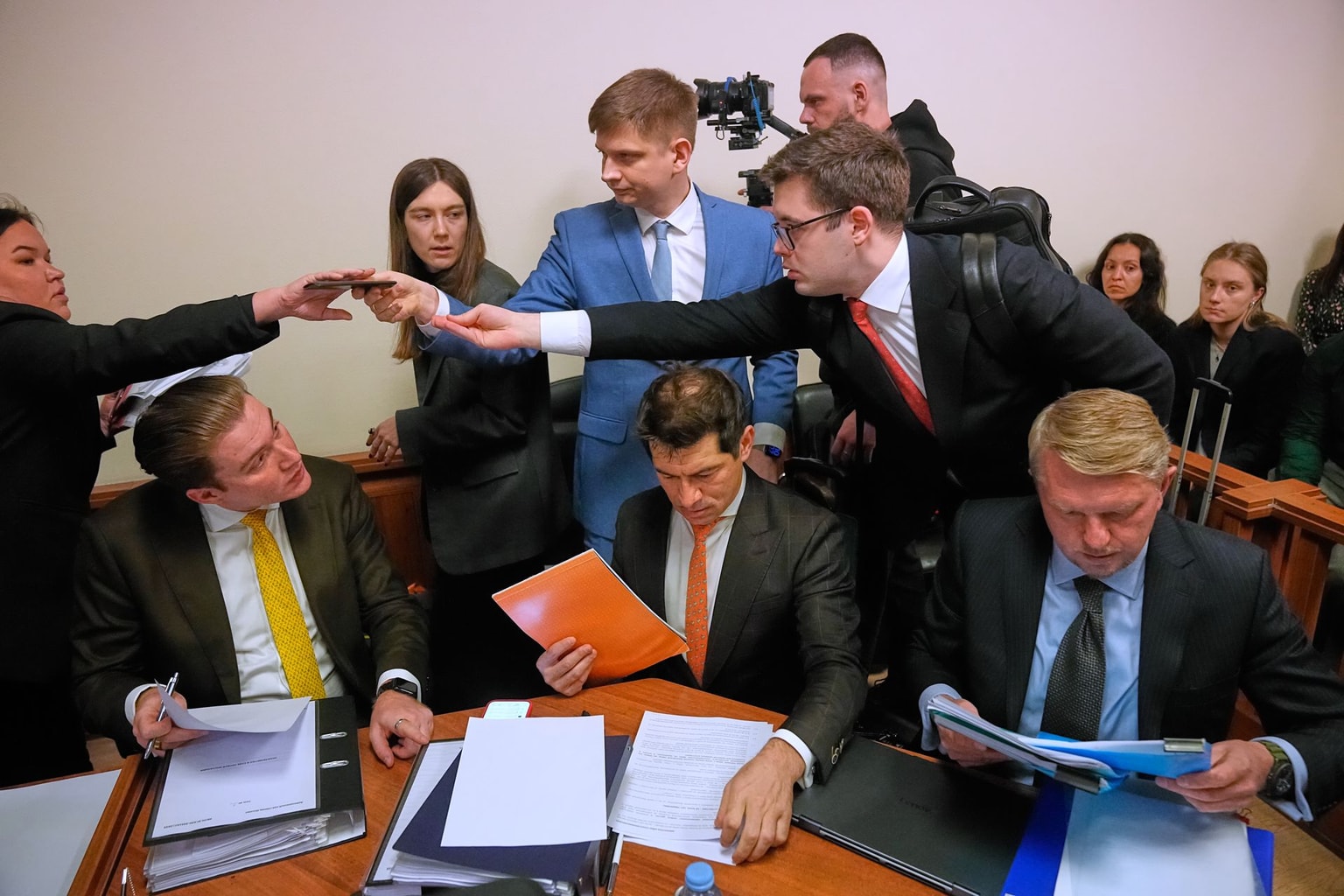
Hungary claimed on April 8 that it had new "evidence" that the Ukrainian bank convoy it seized earlier in March was part of a money laundering operation.
Hungarian government spokesperson Zoltan Kovacs, wrote that investigators had found "freshly-printed euros and dollars that had never entered circulation" and claimed that they were "tied to multiple banks, including Ukraine's Oschadbank, as well as Polish and Gibraltar-based institutions."
The new "evidence" also reportedly includes a video of a Ukrainian official "falsifying documents in a gas station restroom" and his associates discussing "corruption-related payments."
Ukraine's Oschadbank issued a public statement on March 8 in reply, dismissing the evidence presented by Hungary as falsified.
"The video contains audio of a conversation between members of the cash collection team. For publication to a Hungarian audience, Hungarian subtitles were added, including a phrase 'corruption money' that does not exist in the audio track," the bank's public statement reads.
"It is precisely this deliberately added phrase that forms the basis of (Hungary's) conclusions linking the video to the case of unlawful detention of Oschadbank’s funds."
Hungarian authorities seized two Ukrainian armored bank vehicles on March 5 that were transporting approximately $82 million in cash and gold from Austria to Ukraine.
While the Ukrainian personnel accompanying the vehicles were released from detention the following day, Hungarian officials have not yet returned the financial assets, claiming they are part of an ongoing investigation. Ukraine's Oschadbank has said it will pursue legal action to recover the funds.
According to Oschadbank, Hungary has also not responded to multiple requests regarding the legal grounds for continuing to hold bank employees' personal property.
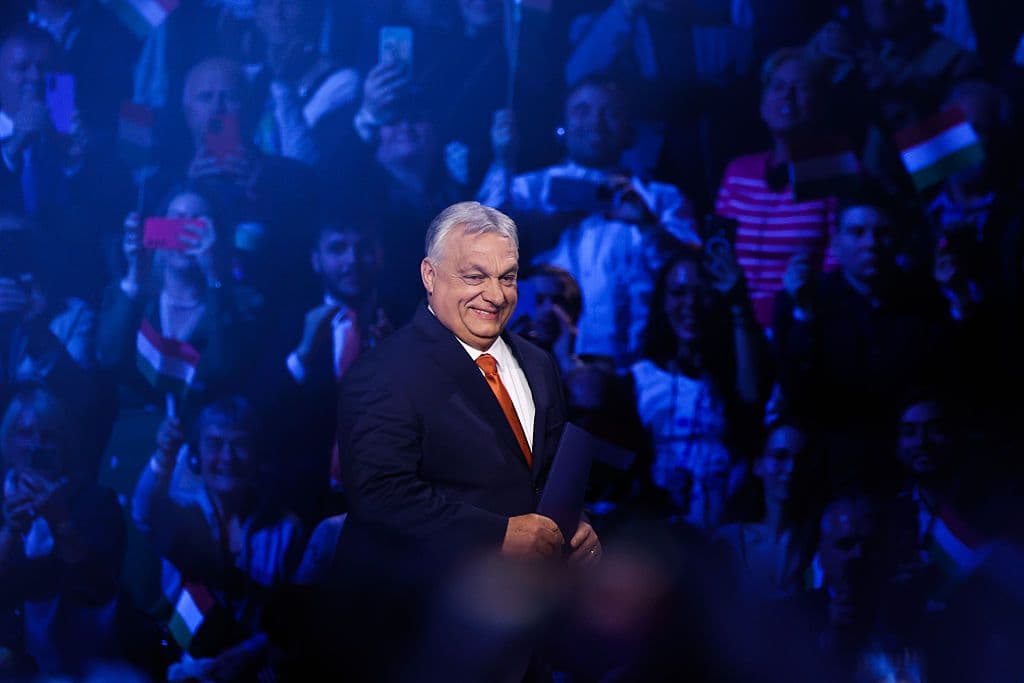
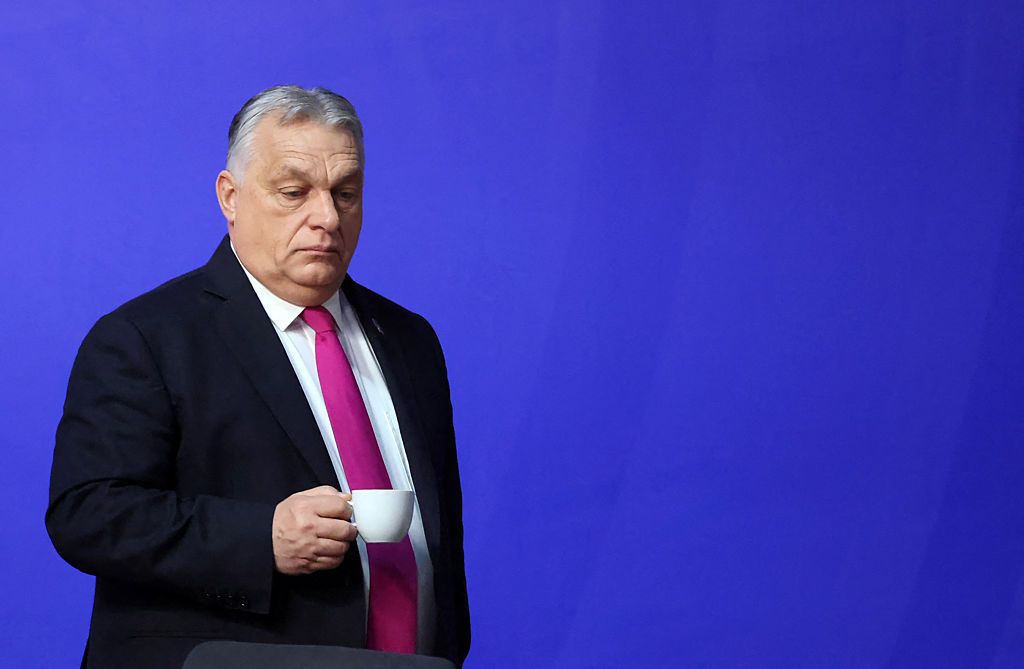
As Hungary approaches its parliamentary election on April 12, Prime Minister Viktor Orban has increasingly invoked Ukraine as a political foil, using the neighboring country as a rallying point to energize his base.
Investigative reports emerged in early March that Russia has been meddling in the elections to help sway them in Orban's favor, and there have been ongoing concerns among EU officials that Budapest may be sharing intelligence with Moscow.

Russia hits Kharkiv Oblast oil refinery, causing 'significant' damage
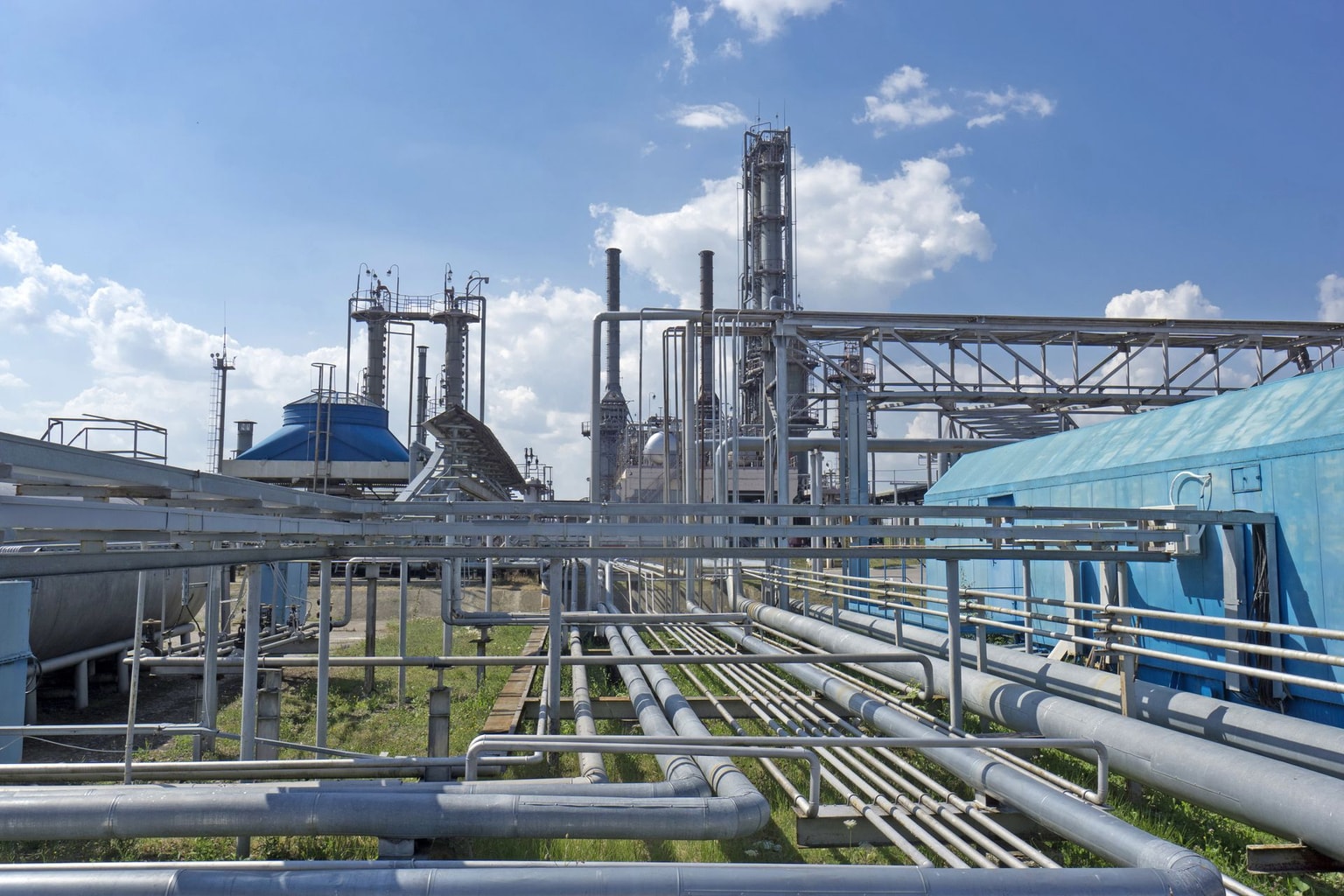
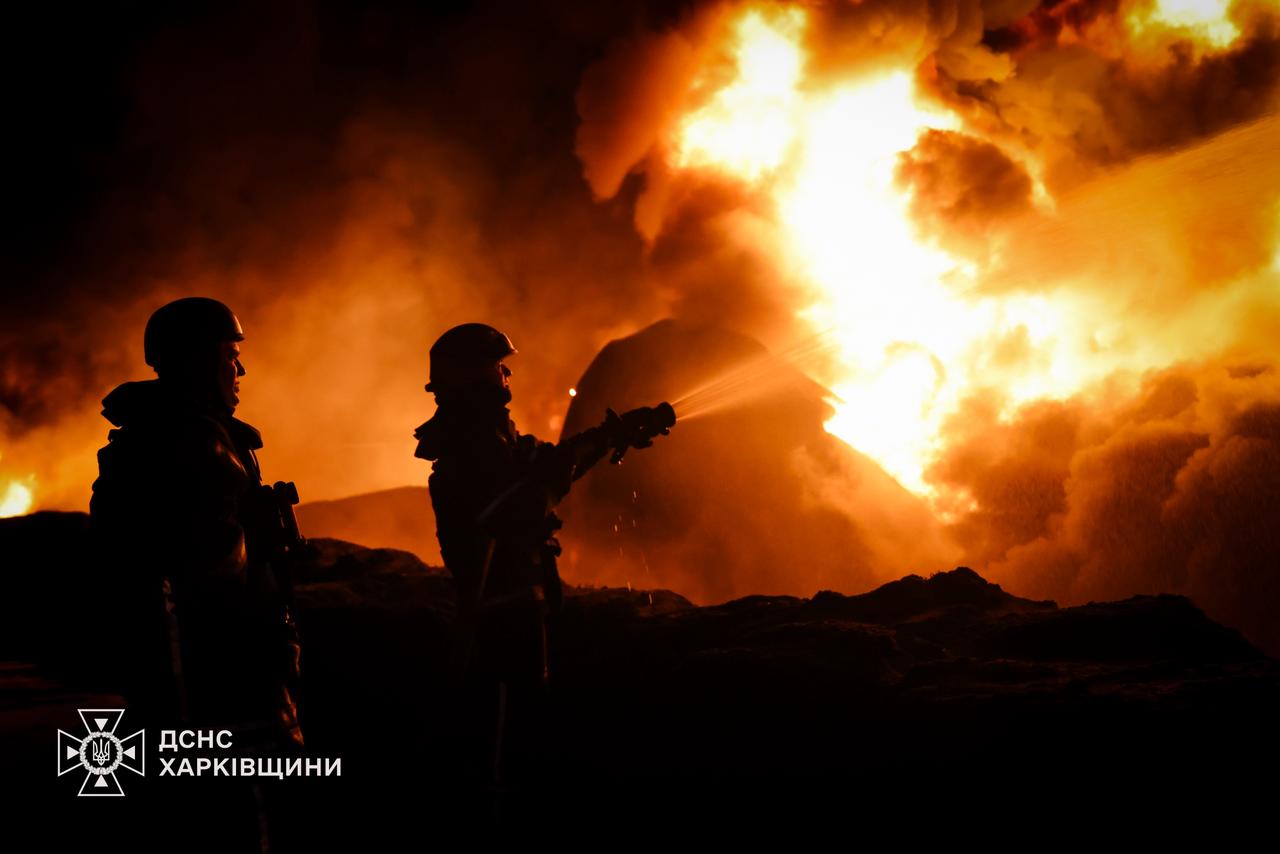
Russian forces struck an oil refinery in the city of Merefa, Kharkiv Oblast, overnight on April 8, causing "significant" damage, Ukrainian public broadcaster Suspilne reported, citing the refinery's legal director, Anastasiia Cherednykova.
Russian forces attacked 17 settlements in the oblast, which borders Russia to the north and northeast, using more than 60 drones of various types, and five guided aerial bombs over the past day, according to local authorities.
One of the strikes hit the city of Merefa, where the refinery is located. Four houses and three vehicles were also damaged, Governor Oleh Syniehubov said.
Cherednykova said no casualties were reported in the attack on the facility in Merefa, but the oil refinery, which has now been struck for the fifth time since the start of the full-scale invasion, incurred "significant" damage.
"The facility will continue to operate because we have a very large workforce. We will resume operations, but we cannot say how long that will take," Cherednykova told Suspilne.
During a March 2025 attack on the oil refinery, Russia deployed around 20 long-range drones, forcing the facility to temporarily suspend operations due to the damage.
Ukraine welcomes US–Iran ceasefire, says time to push Russia too
Ukrainian leadership on April 8 hailed the two-week ceasefire reached between the U.S. and Iran but stressed it is time to pressure Russia to end its war in Ukraine as well.
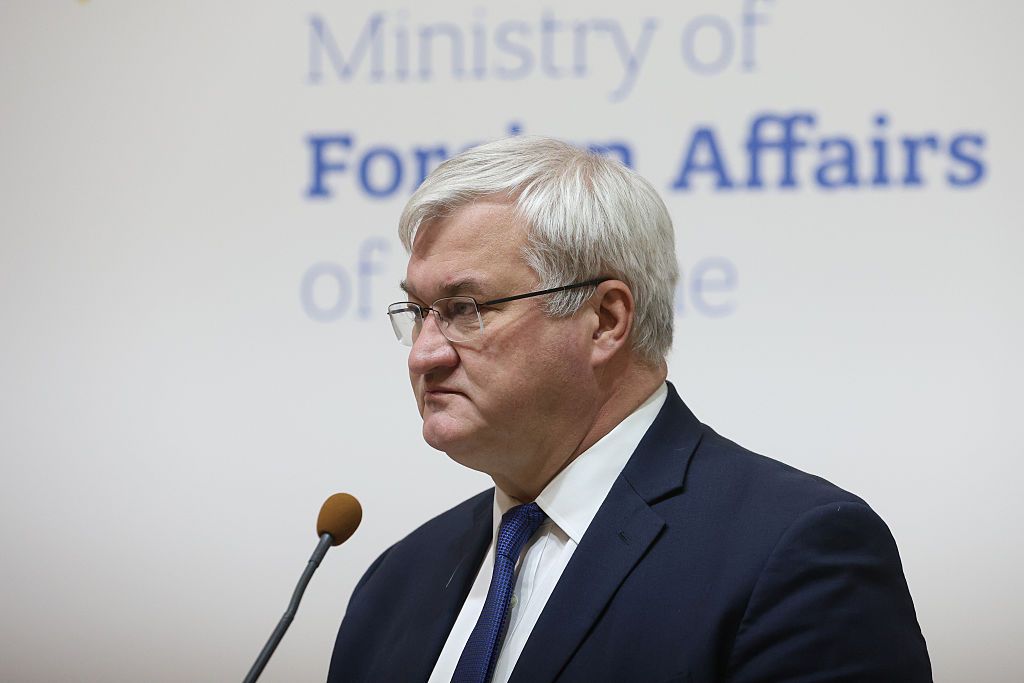
"American decisiveness works. We believe it is time for sufficient decisiveness to force Moscow to cease fire and end its war against Ukraine," Foreign Minister Andrii Sybiha said on X.
The comments come after Washington and Tehran announced a truce brokered by Pakistan, signaling de-escalation in a more than a month-long conflict that has driven a surge in energy prices and cost thousands of lives.
President Volodymyr Zelensky called the ceasefire a "right decision" as it helps avert loss of life and the destruction of cities and villages, and allows energy infrastructure to function.
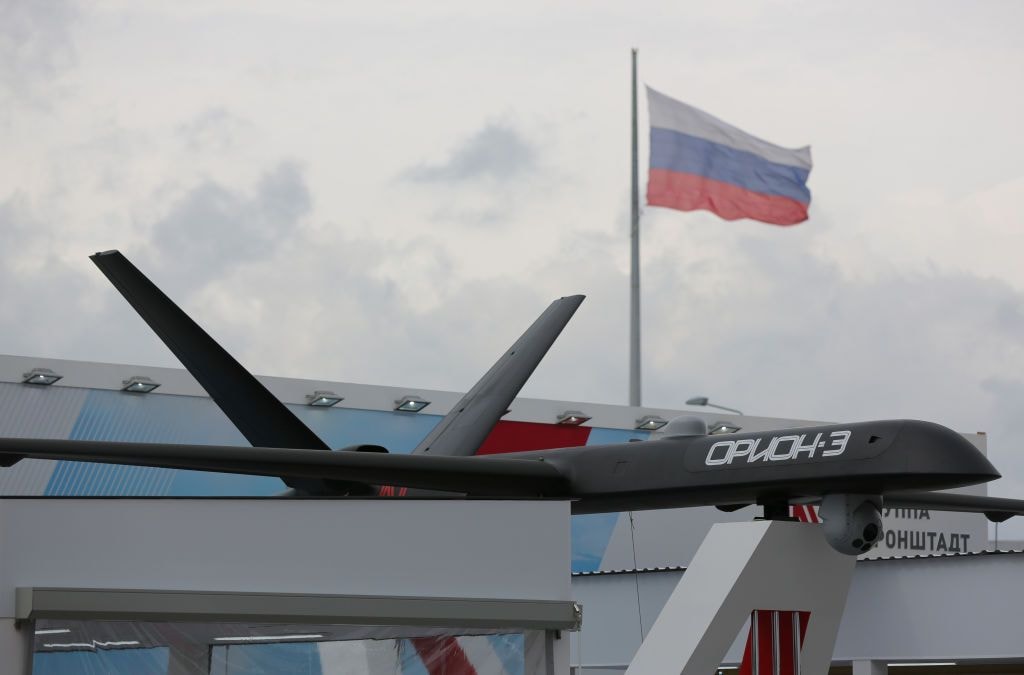
The Ukrainian leader also underscored Kyiv's assistance to countries in the region in fending off Shahed drone attacks — weaponry used daily in Russian attacks on Ukraine.
Iran has been a key ally of Russia during its all-out war in Ukraine, providing kamikaze drones and helping Moscow develop its own offshoots.
"Ukraine has always called for a ceasefire in the war waged by Russia here in Europe against our state and our people," the president said on social media.
"Ukraine tells Russia once again: we are ready to respond in kind if the Russians stop their strikes."
Kyiv has previously passed an energy ceasefire proposal to Russia via U.S. intermediaries.
The potential Easter ceasefire would see Ukraine halt drone attacks on Russian oil and gas facilities, while Moscow would refrain from attacking the Ukrainian energy grid.
The Kremlin has dismissed the initiative.
U.S.-mediated efforts to broker peace between Ukraine and Russia have largely stalled in recent weeks as U.S. President Donald Trump's focus has shifted to the war with Iran.
Russia has repeatedly rejected a ceasefire along the current front line, demanding that Ukraine cede the entire Donbas region, including areas still held by Ukrainian forces.
Attacks, threats against journalists in Ukraine surge in 2025
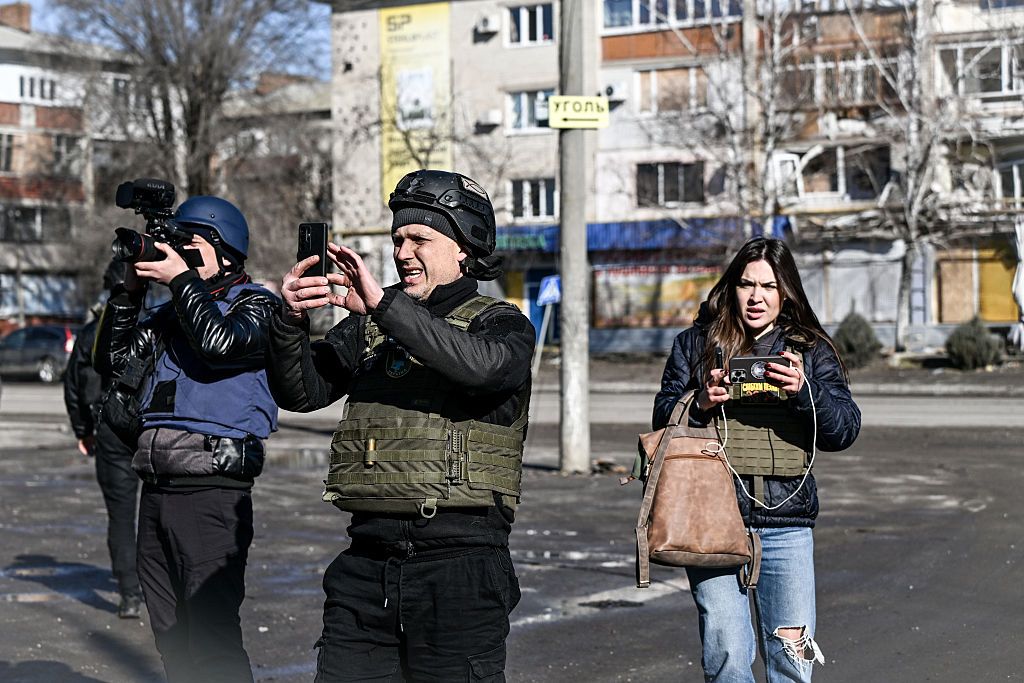
Attacks and threats against journalists in Ukraine surged in 2025, with 160 cases recorded so far this year, while the total number of media workers killed since the start of Russia’s full-scale invasion has risen to 147, according to Ukraine’s National Union of Journalists.
The figure marks a sharp increase from the 91 media workers reported killed as of June 2024, highlighting the growing risks faced by journalists covering the war.
At least 21 of those killed died while performing their professional duties, union head Serhii Tomilenko said during a parliamentary commission meeting on April 8 focused on crimes against media workers.
Tomilenko added that 70 of the recorded incidents in 2025 involved damage to or destruction of media property or journalists’ personal equipment.
Another 28 Ukrainian journalists remain in Russian captivity, he said, noting that the figures are not final due to limited access to information about all cases of persecution.
"Any ‘Press’ marking makes a journalist a live target," Tomilenko said, urging reporters working near the front line to avoid identifying themselves with visible press labels on protective gear.
He noted the issue was discussed with representatives of the Organization for Security and Co-operation in Europe (OSCE), highlighting a growing dilemma between international standards — which encourage clear identification of journalists — and the reality on the ground in Ukraine, where such markings can make journalists more likely to be targeted.
Ukraine's parliament established a temporary investigative commission on Dec. 4, 2025, to examine crimes committed by Russian forces against journalists and media workers.
Journalists covering Russia's war in Ukraine have faced constant dangers, including drone strikes, artillery fire, and abductions. Since Feb. 24, 2022, Reporters Without Borders (RSF) has documented more than 175 cases of journalists subjected to abuses in connection with the war.