Ukraine war latest: Ukraine hits Russia's key Baltic Sea oil port, Bashkortostan oil refinery, General Staff confirms
 on Google
Key developments on March 23:
- Ukraine hits Russia's key Baltic Sea oil port, Bashkortostan oil refinery, General Staff confirms
- Ukrainian defense tech firm lands first US-Ukraine 'minerals fund' deal
- Ukraine has 'irrefutable evidence' of Russia providing intelligence to Iran, Zelensky says
- Ukraine names Hungarian officer allegedly behind spy network busted in 2025
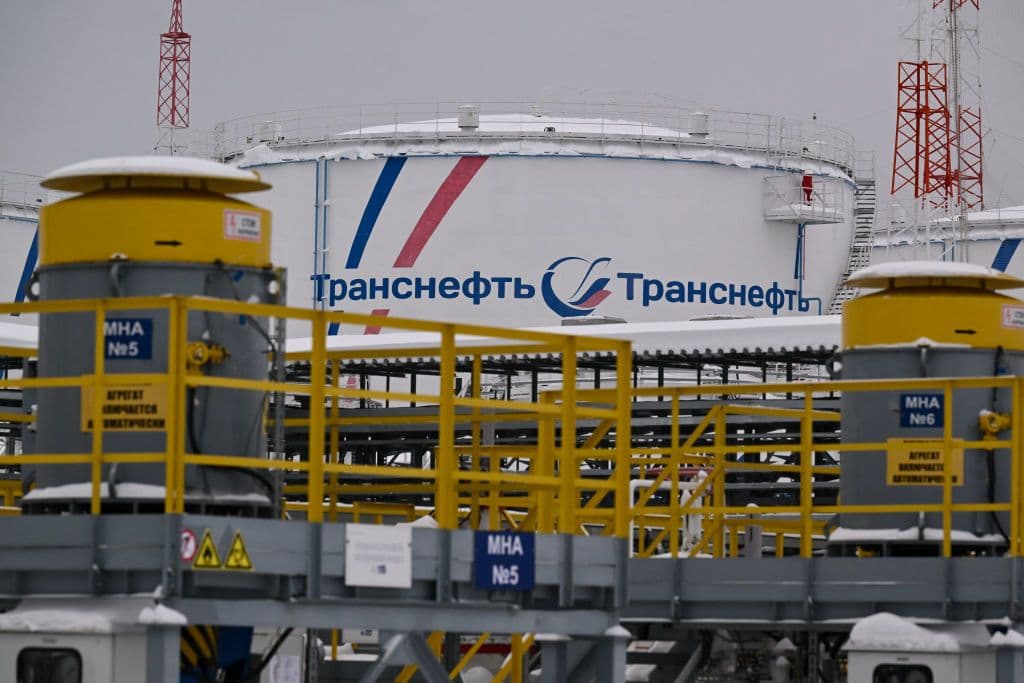
Ukrainian forces targeted the Transneft oil terminal at the port of Primorsk in Leningrad Oblast and the Bashneft-Ufaneftekhim refinery in Ufa, Bashkortostan, overnight on March 23, the General Staff confirmed.
Primorsk handles around 60 million tons of oil annually and is Russia's main oil export hub on the Baltic Sea. The port lies approximately 1,087 kilometers (675 miles) from Ukraine's nearest border point.
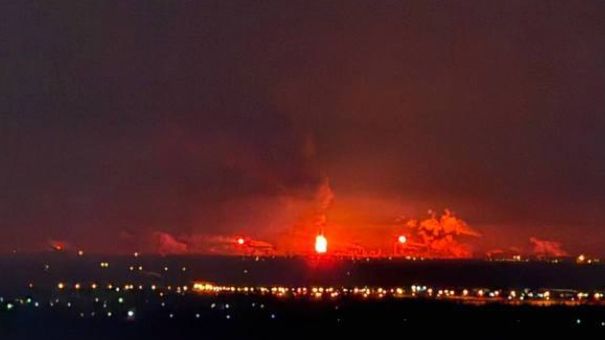
A fuel tank and oil-loading infrastructure were hit, causing a fire a break to break out at the facility in Primorsk, according to the General Staff.
While local authorities said only one fuel tank was damaged, Radio Free Europe/Radio Liberty reported that at least four tanks were on fire, citing satellite imagery.
The strike on the Bashneft-Ufaneftekhim oil refinery, about 1,400 kilometers (870 miles) from the border, also sparked a fire, the General Staff said, adding the facility has an annual processing capacity of 6-8 million tons.
The targeted facilities play a significant role in the processing, storage, and transportation of fuel used to support Russia's war effort against Ukraine. The extent of the damage is still being clarified.

Ukrainian defense tech firm lands first US-Ukraine 'minerals fund' deal
Just over a year after a dramatic Oval Office clash derailed the now-infamous "minerals deal," the fund it spawned is making its first move, backing Ukraine's defense tech sector as global conflicts intensify.
The first of three investments planned this year by the fund — officially known as the U.S.-Ukraine Reconstruction Investment Fund — will go to Sine Engineering, a Ukrainian dual-use military technology company, two people familiar with the deal told the Kyiv Independent.
The deal is expected to be formally announced by Ukraine and the U.S. Development Finance Corporation (DFC) that jointly created the fund with Kyiv this week, a source said. The DFC is currently in Kyiv to discuss the fund with its Ukrainian counterparts.
The size of the investment is not yet known.
The minerals deal was contentious from the outset, after U.S. President Donald Trump proposed using Ukraine’s "rare earth" resources as repayment for U.S. military aid. Early drafts, leaked to the press, drew sharp criticism and raised concerns that Washington was seeking unprecedented control over Ukraine’s critical minerals.
Ukrainian officials pushed back, and the deal was ultimately reshaped into a first-of-its-kind arrangement. It is now a jointly managed, private equity–style fund between two sovereign nations targeting strategic sectors such as technology, energy, and minerals, a senior U.S. official said in Kyiv in January.
For the first ten years, all profits from the fund will be reinvested in Ukraine's economy, with Kyiv and Washington allocating $75 million each in seed capital last September.
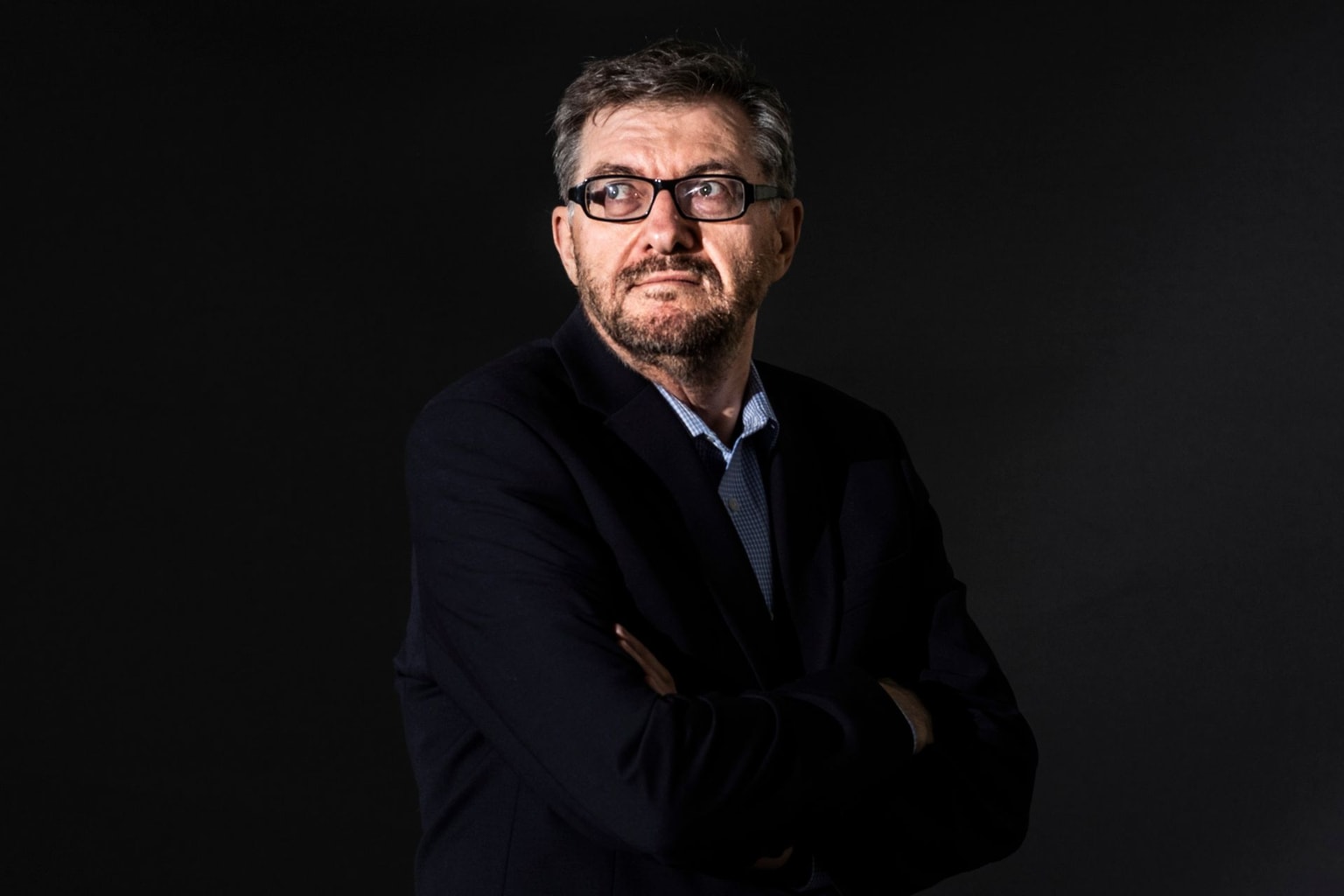
Sine Engineering is a Lviv-based startup co-founded in 2022 by tech entrepreneur Andriy Chulyk, the company's current CEO. Other owners, according to Ukrainian company registry YouControl, are Bohdan Tymkiv and Ostap Ferensovych.
Since its inception, Sine has grown from a small group of five volunteers into a 200-person team, which recently won a NATO Innovation Range award in December.
The company has made a name for itself for its satellite-independent navigation software, enabling drones to fly without relying on GPS. Since its technology is dual-use, it can sell its products to the foreign market, unlike most Ukrainian drone makers that are bound by export restrictions.
Ukraine has 'irrefutable evidence' of Russia providing intelligence to Iran, Zelensky says
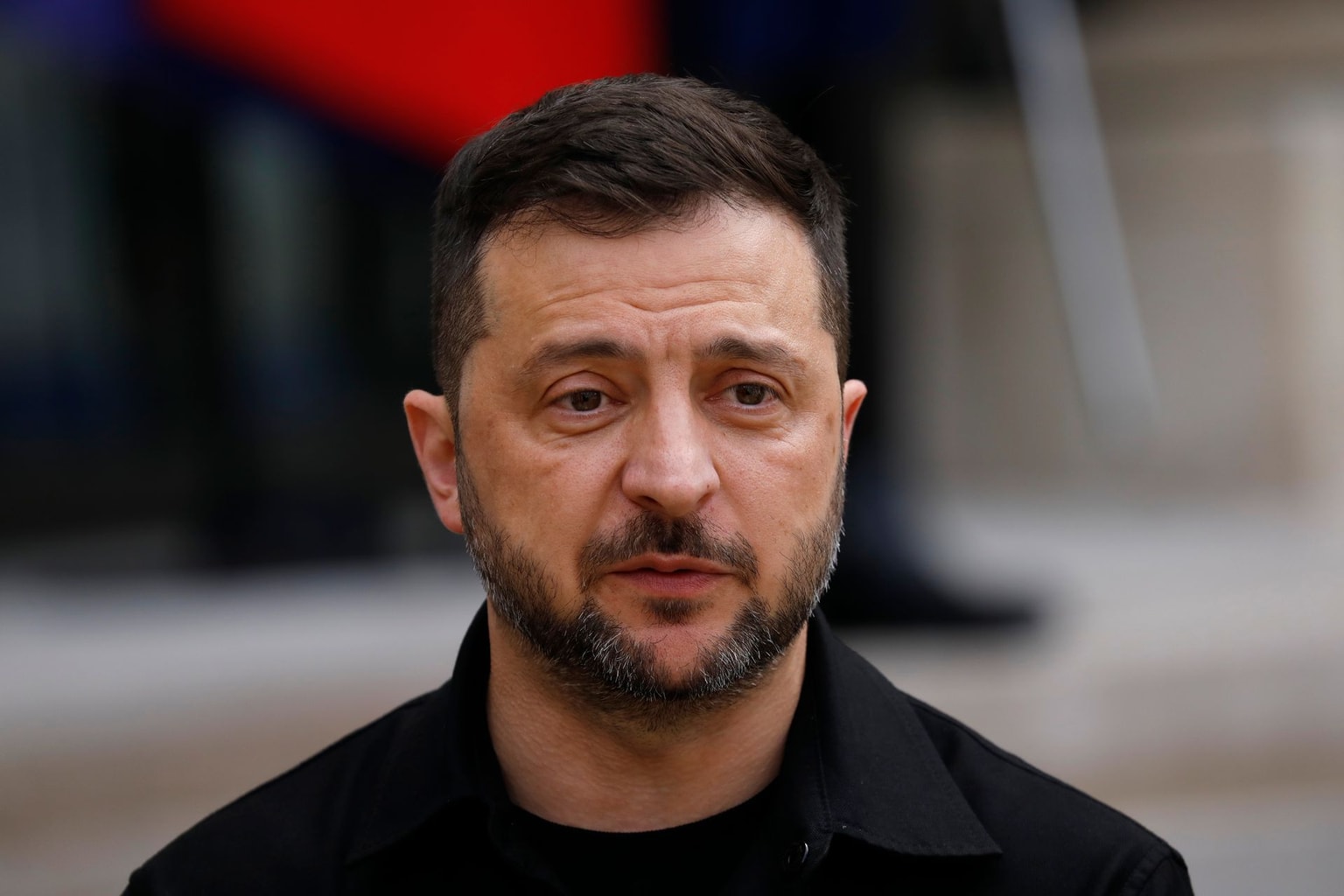
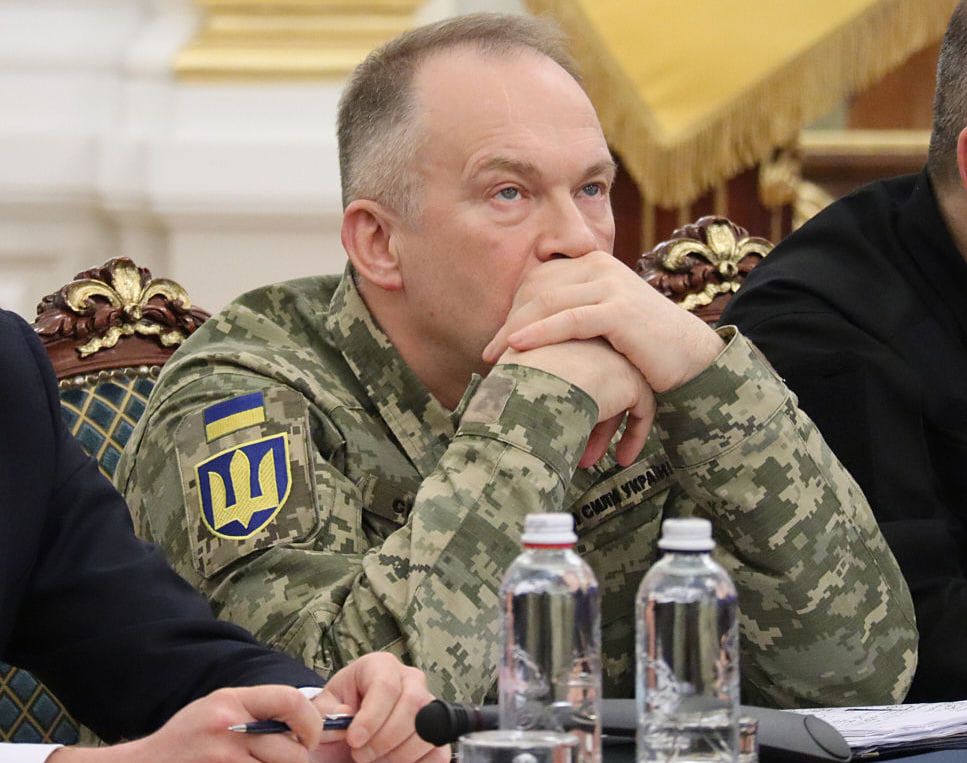
Ukraine has "irrefutable evidence" that Russia continues to provide intelligence to Iran, President Volodymyr Zelensky said on March 23 after a meeting with his country's top military intelligence leadership.
"Russia is utilizing its own capabilities in radio-technical and electronic intelligence, as well as some intelligence shared by partners in the Middle East," Zelensky said in his Telegram post, where he summarized the main points from the meeting with Oleh Ivashchenko, the head of military intelligence (HUR).
Neither Russia nor Iran has publicly reacted to Zelensky's report at the time of publication. Zelensky's statement comes as the Middle East tensions surge in the fourth week of the U.S.-Israeli war against Iran.
Russia and Iran have deepened cooperation in recent years, particularly during Moscow's war against Ukraine, with Tehran supplying drones and other military equipment used by Russian forces.
Earlier on March 20, Politico reported, citing two people familiar with the U.S.-Russia negotiations, that the Kremlin has issued a new ultimatum, proposing to halt intelligence-sharing with Iran if the United States does the same for Ukraine. Politico reported the U.S. rejecting the proposal.
Zelensky also said, citing Ivashchenko's report, that Ukraine has "clear information" that Russia plans to further deploy ground control stations for long-range drones both in the Russian-occupied Ukrainian territories, as well as four in Belarus.
Without elaborating on the potential consequences the new development could bring, Zelensky said he instructed Ivashchenko to inform its Western allies about the data.

Ukraine names Hungarian officer allegedly behind spy network busted in 2025
Ukraine's Security Service (SBU) on March 23 revealed the name of a Hungarian intelligence officer who allegedly oversaw an espionage operation in Zakarpattia Oblast dismantled last year.
Zoltan Andre, a staff member of Hungary's military intelligence, ran the network tasked with collecting information on Ukraine's defenses and the political climate in the westernmost region of Ukraine, according to the SBU.
Kyiv first announced busting the network in May 2025, detaining two Ukrainians suspected of conducting espionage on behalf of Budapest — the first such incident between the two countries.
The spy network's objectives reportedly included gathering intelligence on air defense systems and assessing local residents' potential reaction to a Hungarian military deployment in the region.
The revelations sparked a row between Ukraine and Hungary at the time, leading to a tit-for-tat expulsion of diplomats.
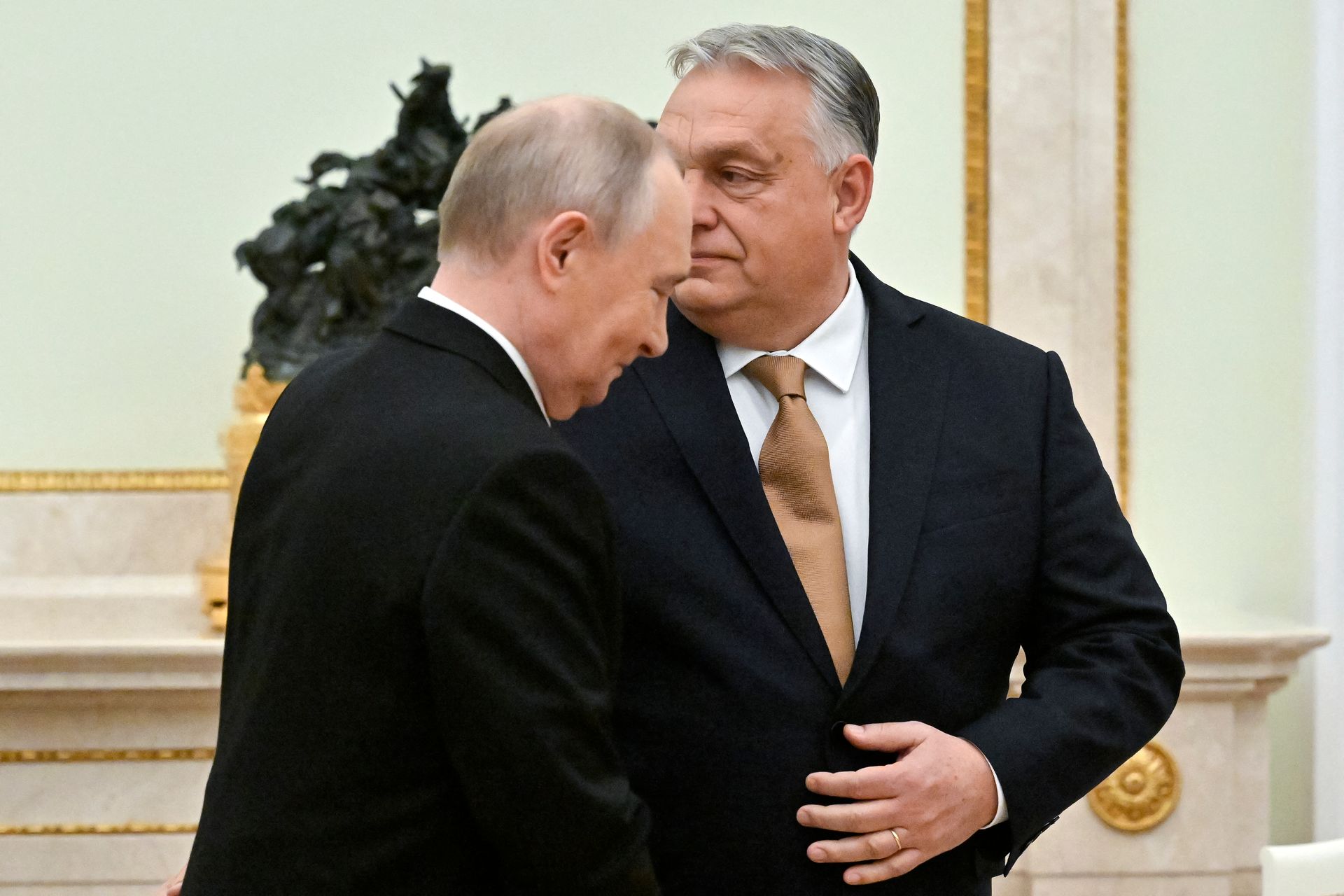
The SBU said already in 2025 that it had identified the Hungarian officer overseeing the operation, but did not disclose his identity until now — just as Hungary's Prime Minister Viktor Orban is escalating his rhetoric toward Kyiv amid a heated election campaign at home.
According to the SBU, Andre previously carried out intelligence activities under diplomatic cover in Georgia between 2016 and 2020.
In 2021, he began intelligence operations targeting Ukraine, seeking to recruit spies, mainly among former or active-duty military or law enforcement personnel.
The SBU also said Andre approached local residents seeking Hungarian citizenship, offering money and other benefits in exchange for their cooperation.
The Kyiv Independent could not immediately verify the claims.
"At present, SBU counterintelligence continues comprehensive measures to identify all members of the Hungarian agent network operating against Ukraine," the Ukrainian agency said in a statement on Telegram.
Zakarpattia Oblast is a region with a sizable ethnic Hungarian minority and a sensitive location along NATO's eastern frontier. Kyiv has long accused Budapest of undermining Ukraine's sovereignty through political interference and dual citizenship schemes.
More recently, the SBU also warned of a Russian disinformation campaign aimed at stoking tensions among local Hungarians in the region and between Kyiv and Budapest.
Note from the author:
Ukraine War Latest is put together by the Kyiv Independent news desk team, who keep you informed 24 hours a day, seven days a week. If you value our work and want to ensure we have the resources to continue, join the Kyiv Independent community.