Russia has a new missile — here's what we know about the S-71K
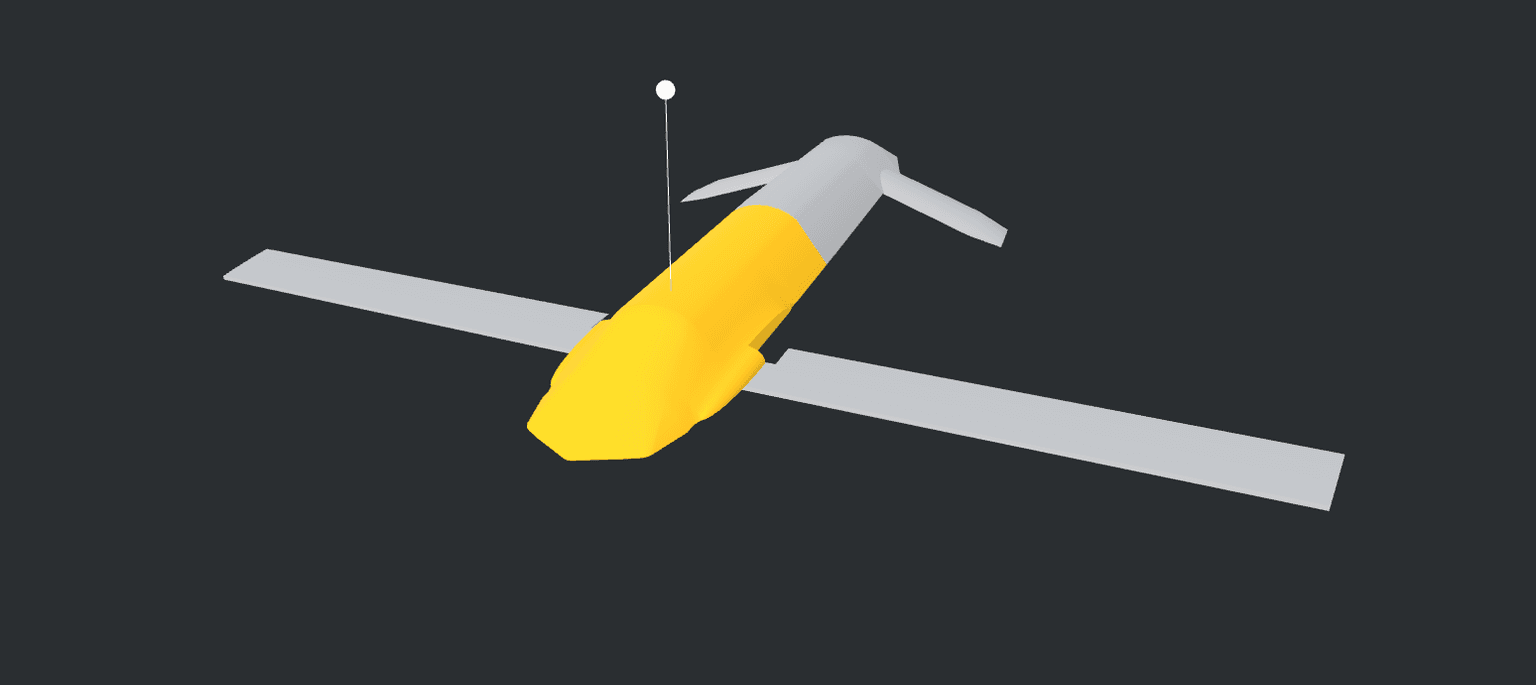
A 3D model of a new Russian air-launched cruise missile, the S-71K "Kovyor". (War&Sanctions)
 on Google
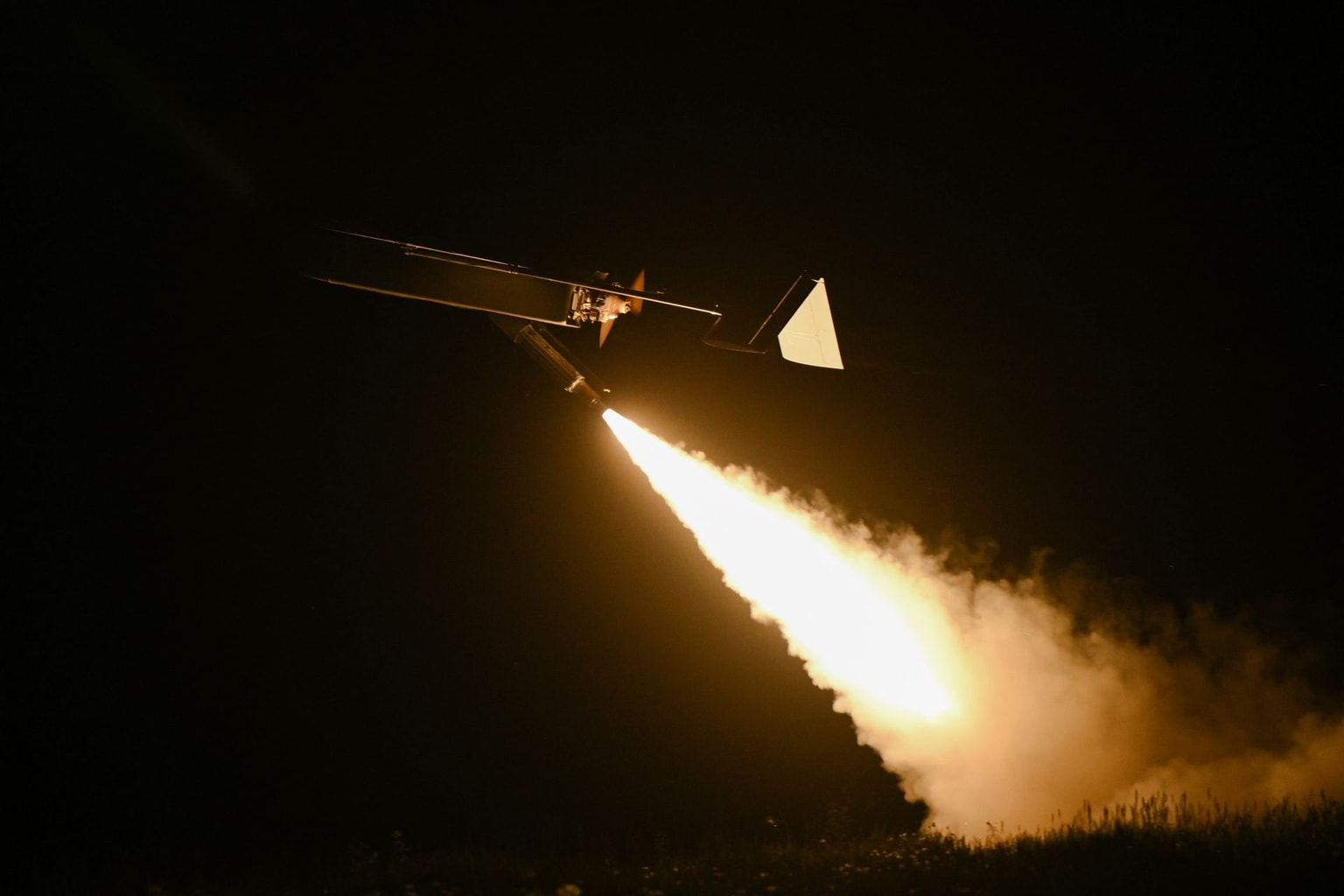
Ukraine's military intelligence (HUR), has revealed details of a new Russian air-launched cruise missile, the S-71K "Kovyor," offering a closer look at its design and production.
On its War&Sanctions portal, the agency published a 3D model of the missile, along with a breakdown of its components. Two major takeaways are the missile's reliance on foreign-made electronics and its relatively simple construction.
According to HUR, the missile was developed by Russia's United Aircraft Corporation and was first used against Ukraine towards the end of 2025.
The S-71K was designed for integration with the Sukhoi Su-57, one of Russia's most advanced combat aircraft.

A simplified cruise missile design
The S-71K missile uses an OFAB-250-270 high-explosive fragmentation bomb weighing 250 kilograms as its warhead, mounted in the missile's forward section.
Ukrainian military historian and defense expert Andrii Kharuk told the Kyiv Independent that this approach reflects a broader shift toward simpler, lower-cost cruise missiles.
"Traditional cruise missiles are expensive," the expert said, referring to systems such as the Kh-101 and Kalibr.
"What we are now seeing is a concept of simpler, cheaper missiles that can be launched in greater numbers."
The missile's body is constructed from multilayer composite materials based on fiberglass, with internal elements made from aluminum alloys. Its onboard systems include a flight controller and an inertial navigation system based on relatively simple sensors.
Kharuk described such systems as a bridge between Shahed-type drones and conventional cruise missiles, combining lower costs with a strike capability greater than drones.
"They are designed to saturate air defenses," the expert said, adding that intercepting such targets may require more expensive air defense missiles rather than mobile fire groups.
The missile is powered by an R500 turbojet engine and is estimated to have a range of up to 300 kilometers, supported by a main fuel tank and two auxiliary tanks.
At the same time, the expert cautioned that production constraints remain uncertain.
"The main critical component is the jet engine," he said, noting that Russia has historically faced challenges in producing small turbojet engines at scale.
HUR added that Russia is considering adapting the missile for launch from the Sukhoi S-70 Okhotnik unmanned combat aerial vehicle.
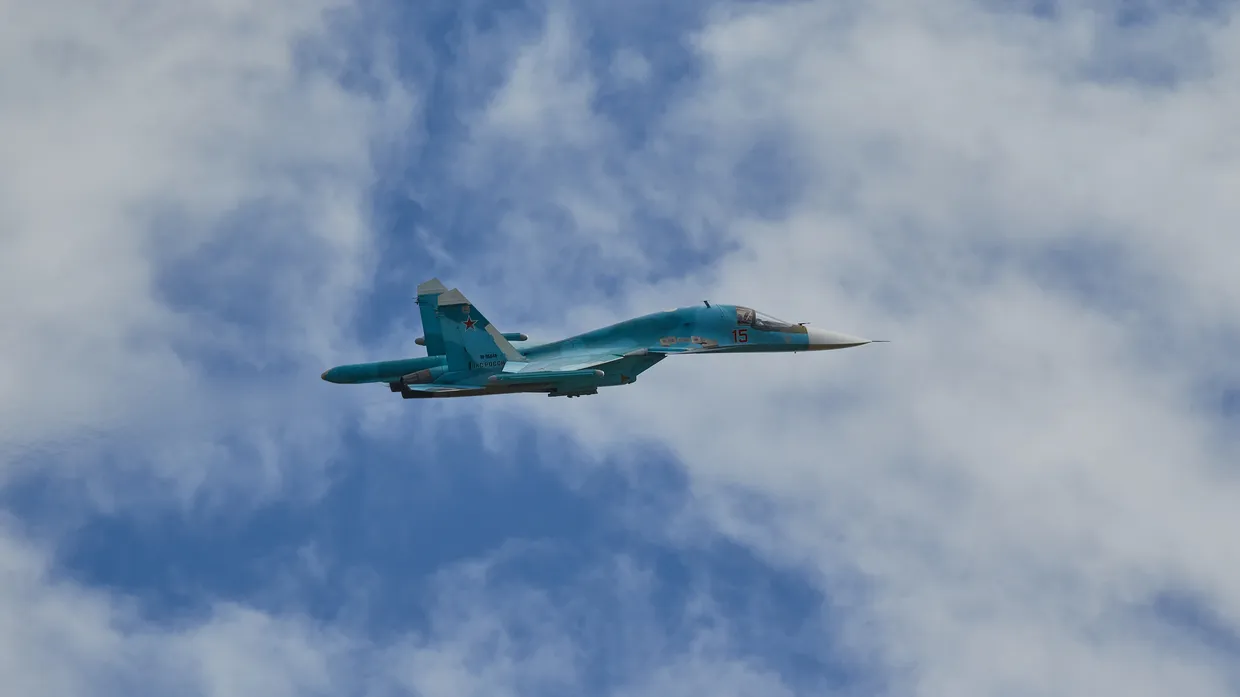
Despite being designed for the Su-57, the expert said the missile is unlikely to be used only from that platform due to the small number of Su-57 aircraft in service, and could instead be deployed from more widely used aircraft such as the Su-34.
Reliance on foreign components
HUR said that "the overwhelming majority" of the missile's electronic components are of foreign origin, including parts produced in the United States, China, Switzerland, Japan, Germany, Taiwan, and Ireland.
"Continued access to foreign technologies and components allows the aggressor state to develop new weapons and scale their use in the war against Ukraine," the agency said.
Despite export restrictions and sanctions imposed on Russia after the full-scale invasion, investigations have repeatedly found Western-made microchips and electronics in Russian weapons used in Ukraine.


These components often enter Russia through intermediary countries, civilian supply chains, or front companies, all of which complicate enforcement efforts.
Ukrainian authorities have imposed sanctions on foreign firms and networks accused of supplying components for Russian missiles and drones, including companies operating through third countries such as China, the United Arab Emirates, and former Soviet states.
However, intermediaries frequently re-export restricted goods through global trading hubs, allowing dual-use technologies such as semiconductors to reach Russian defense manufacturers.