War

Ukraine to help US counter Iranian drones, Zelensky says

3 min read
Ukraine to help US counter Iranian drones, Zelensky says
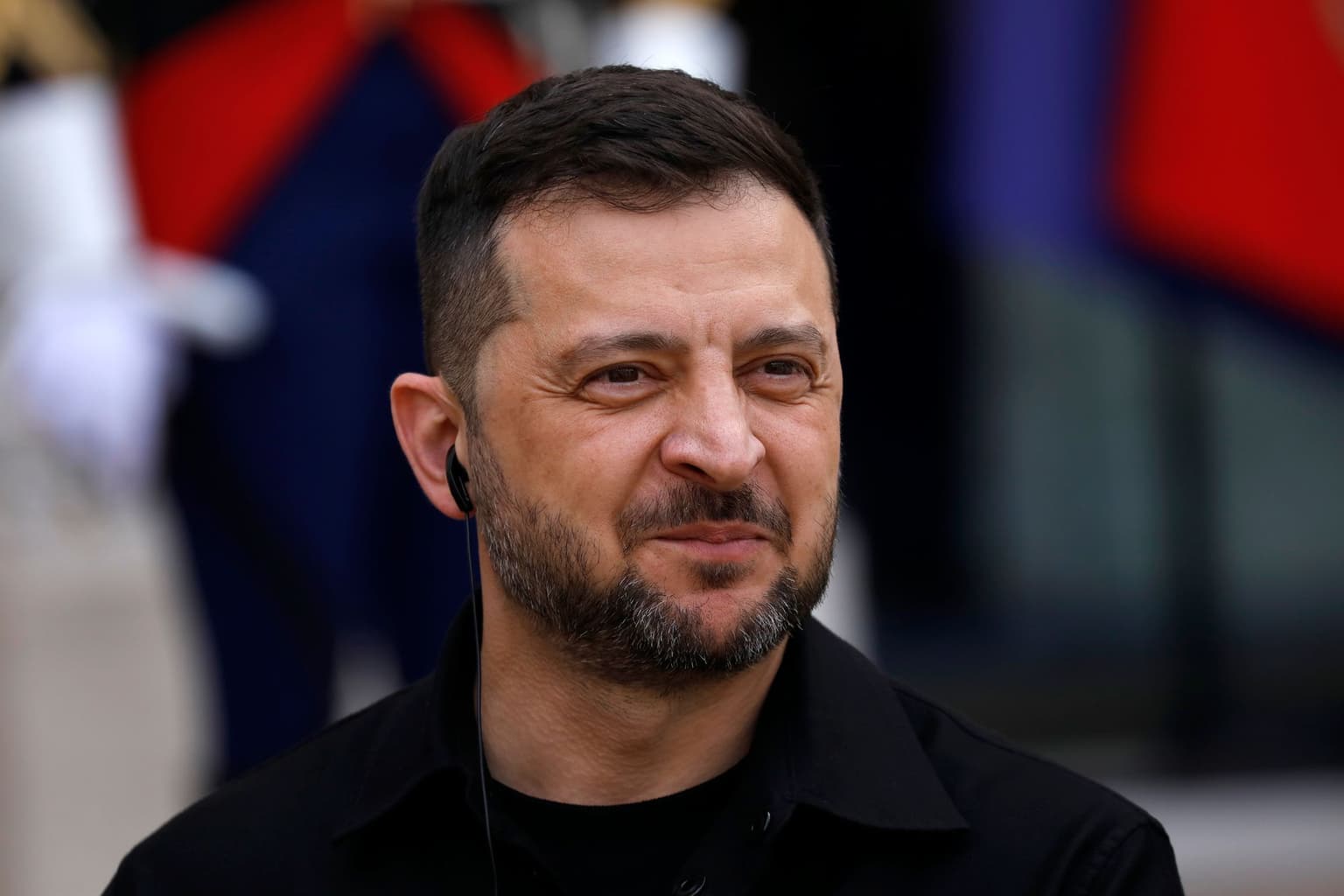
President Volodymyr Zelensky speaks alongside France's President Emmanuel Macron (not pictured) to members of the media prior to their meeting at the Elysee presidential palace in Paris, France, on Sept. 3, 2025. (Antoine Gyori - Corbis/Corbis via Getty Images)

President Volodymyr Zelensky said on March 5 that Ukraine will provide the U.S. with "the necessary resources" to help counter Iranian Shahed drones, as the U.S.-Israeli war with Iran enters its sixth day.

"We have received a request from the U.S. for specific support in protecting against Shahed drones in the Middle East," Zelensky said in his post on Telegram.

He added he had moved to "provide the necessary means and ensure the presence of Ukrainian specialists who can guarantee the necessary security," without providing further details.

The Financial Times reported earlier on March 5, citing Ukrainian industry figures, that the Pentagon and at least one Gulf state are holding talks to purchase Ukrainian-made interceptors against Iranian drones.

The FT added that Gulf states have had to rely on expensive Patriot missiles to counter the Iranian drones, but the stockpile is decreasing, and they are eyeing Ukraine's experience with Shahed drones.

read also

In the Middle East, chaos is Putin’s new ally
If anyone was worried that Russia was going to intervene on behalf of its ally Iran in the new Middle East conflict, they need not be. Vladimir Putin’s response to the massive U.S.-Israeli campaign against Iran — and even the Israeli strike that killed Ayatollah Ali Khamenei, Iran’s longtime Supreme Leader — was at best bland. He called the U.S. and Israeli strikes “cynical” and murderous, but issued neither threats, nor red lines, nor commitments to help Iran. To understand Putin’s restraint,
What to do if you’re under attack by Iranian Shahed drones
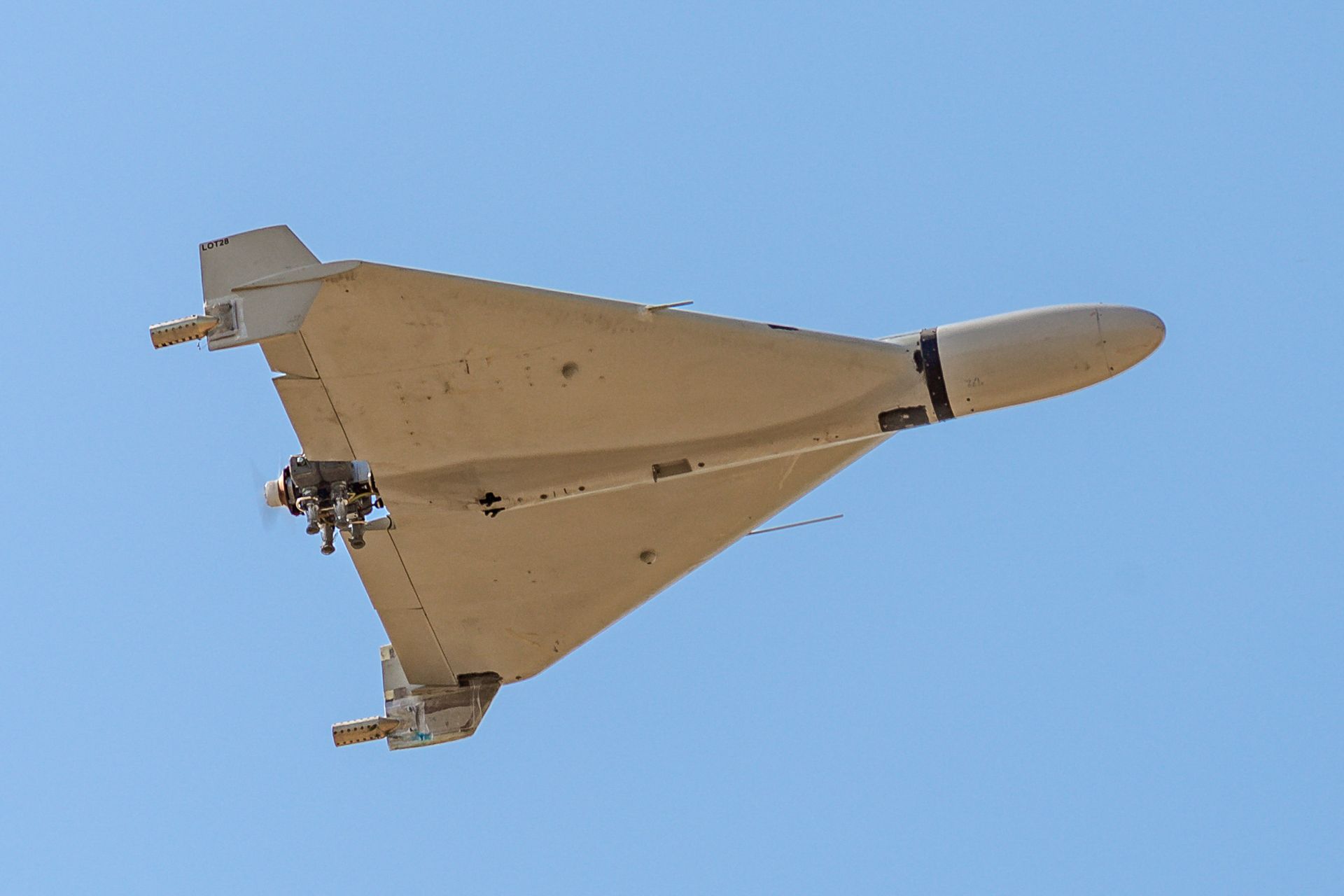
A Shahed drone has a distinct triangular shape and narrow, straight wings. At the back, there’s a small propeller engine which gives off a shrill buzz, a sound often compared to a moped or chainsaw.
Ukraine’s experience priceless as Iran war sees long-range strike drones go global
The Trump administration’s move to launch a large-scale strike operation in Iran has seen state-on-state war return to the Middle East with a vengeance. Hours after the first U.S. and Israeli strikes began hitting the country on Feb. 28, Tehran — despite its leadership being decapitated on the first day of the fighting — retaliated with large-scale missile and drone attacks across the region, with a focus on U.S. military bases and embassies. On top of its arsenal of ballistic missiles, Iran’s

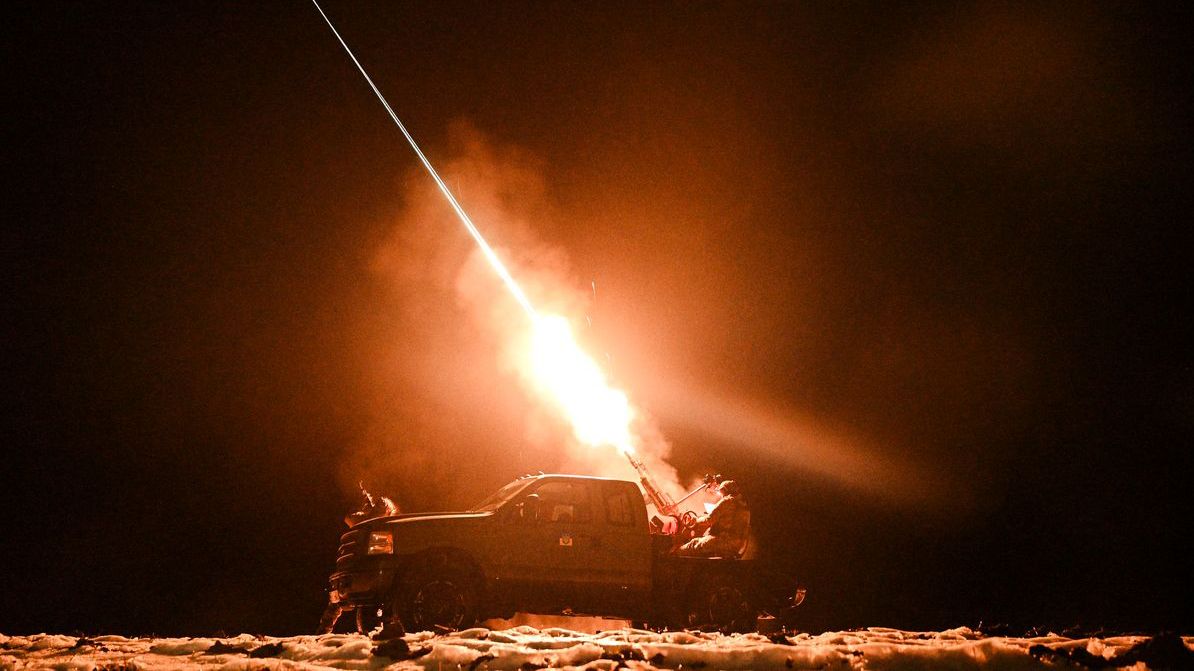
"Ukraine has pioneered using mass-produced interceptors costing a few thousand dollars to destroy Russian versions of the Shahed, launched against Ukrainian cities in swarms," the FT reported on March 5.

Since Russia first launched attacks using Shahed drones in late 2022, Ukraine has had to find ways to defend itself against the cheap but effective drones overwhelming the country, such as by producing interceptor drones that target them.

Zelensky's statement comes less than a week after Israel and the U.S. launched an attack against Iran on Feb. 28, with U.S. President Donald Trump confirming American involvement.

Iran then launched retaliatory strikes, including on U.S. military bases in the Middle East.

Earlier on March 5, Azerbaijan reported drone attacks from the Iranian territory, marking an escalation of the Middle East war. The Azerbaijani Foreign Ministry said that an airport near the Iranian border was damaged and two civilians were wounded.

Zelensky also reiterated that Ukraine supports its partners who help bolster its own security and protect people's lives.

Video thumbnail
Avatar
Asami Terajima

Reporter

Asami Terajima is a reporter at the Kyiv Independent covering Ukrainian military issues, front-line developments, and politics. She is the co-author of the weekly War Notes newsletter. She previously worked as a business reporter for the Kyiv Post focusing on international trade, infrastructure, investment, and energy. Originally from Japan, Terajima moved to Ukraine during childhood and completed her bachelor’s degree in Business Administration in the U.S. She is the winner of the Thomson Reuters Foundation's Kurt Schork Award in International Journalism 2023 (Local Reporter category) and the George Weidenfeld Prize, awarded as part of Germany's Axel Springer Prize 2023. She was also featured in the Media Development Foundation’s “25 under 25: Young and Bold” 2023 list of emerging media makers in Ukraine.

Read more
News Feed
Video

The Kyiv Independent’s Kollen Post sits down with Oleksandr Yakovenko, founder of TAF Industries, to discuss how his company went from wartime volunteer logistics to becoming one of Ukraine’s largest drone manufacturers.

Show More