Ukraine now has more air defenses, but Russia has even more missiles for future attacks, Zelensky says
 on Google

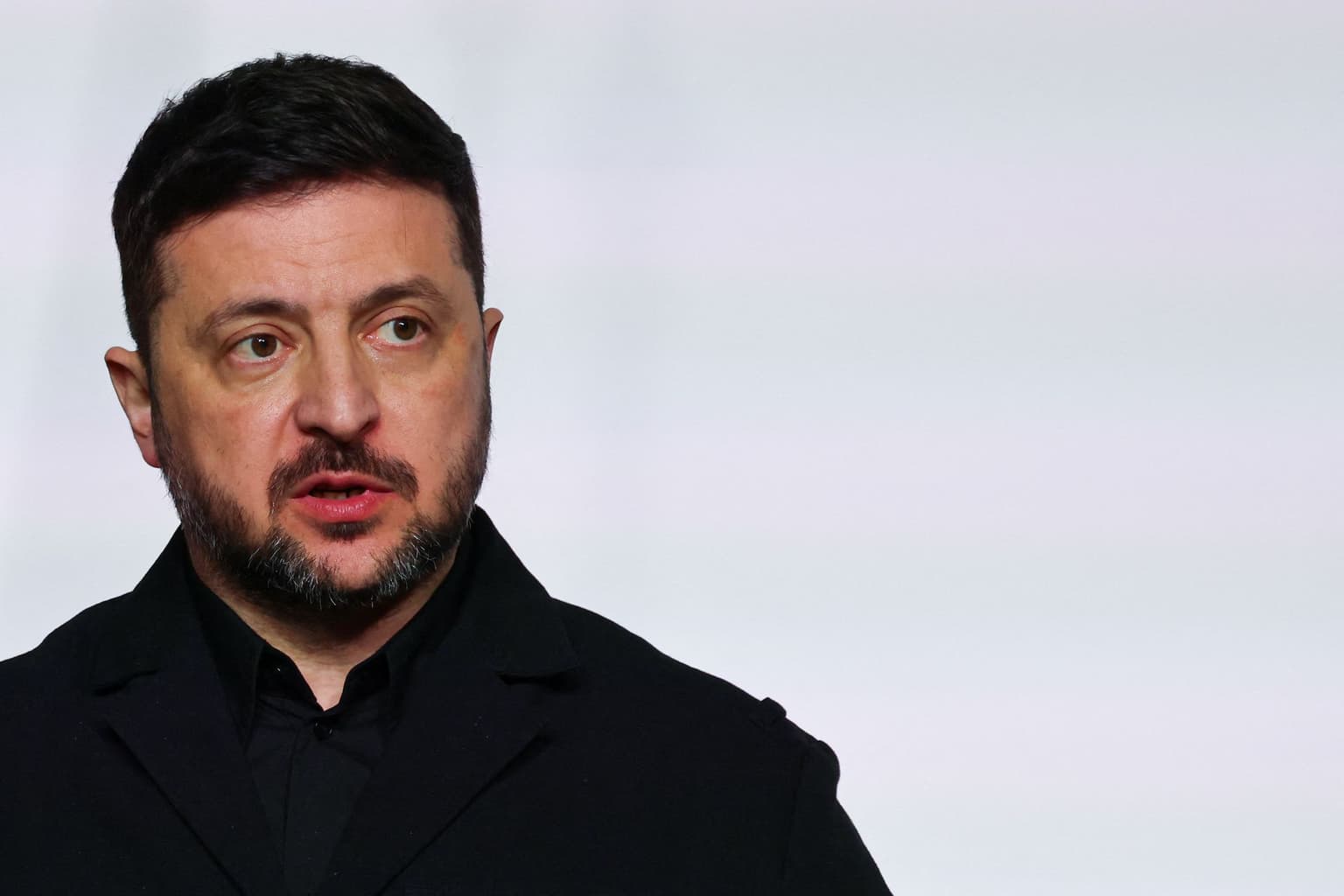
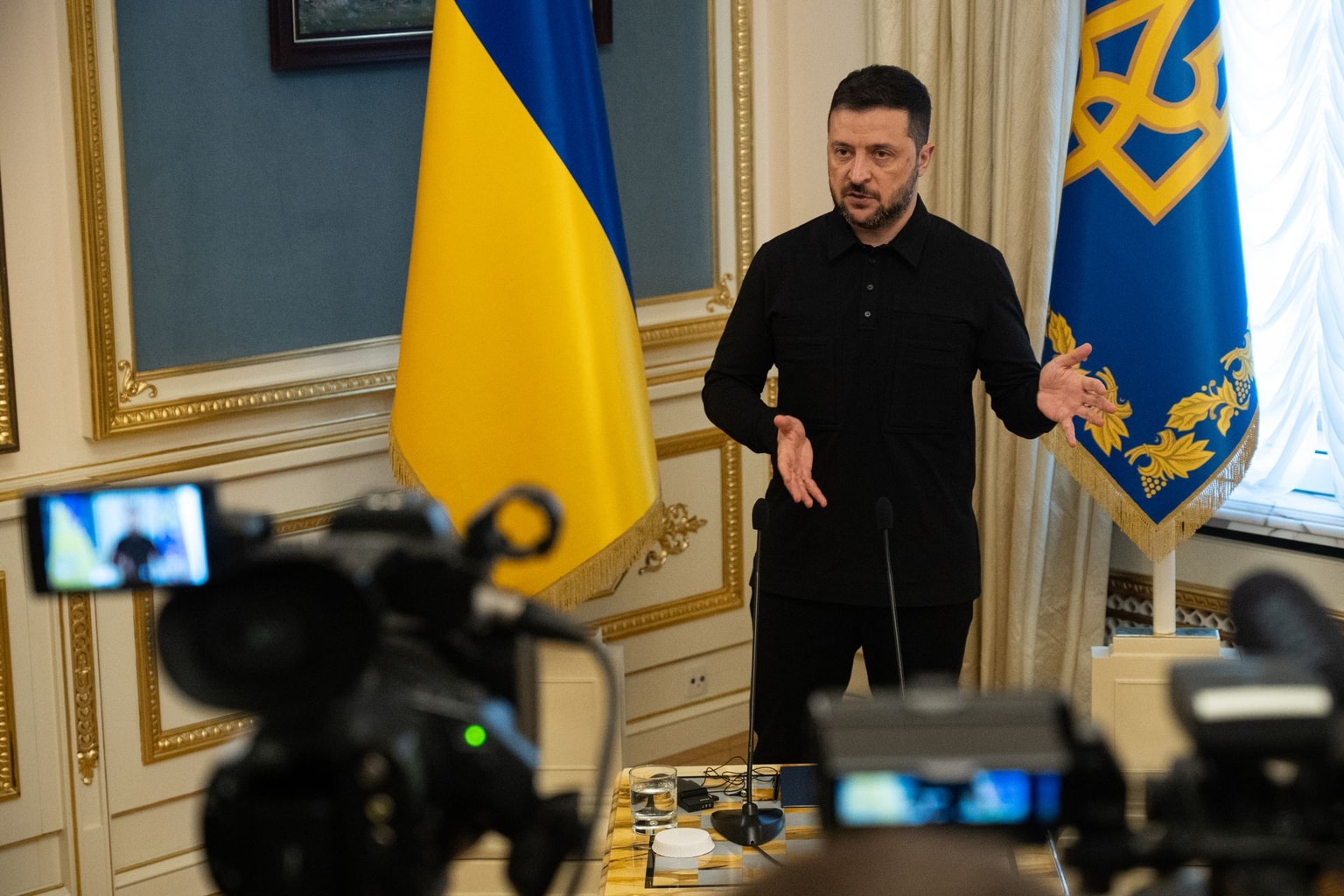
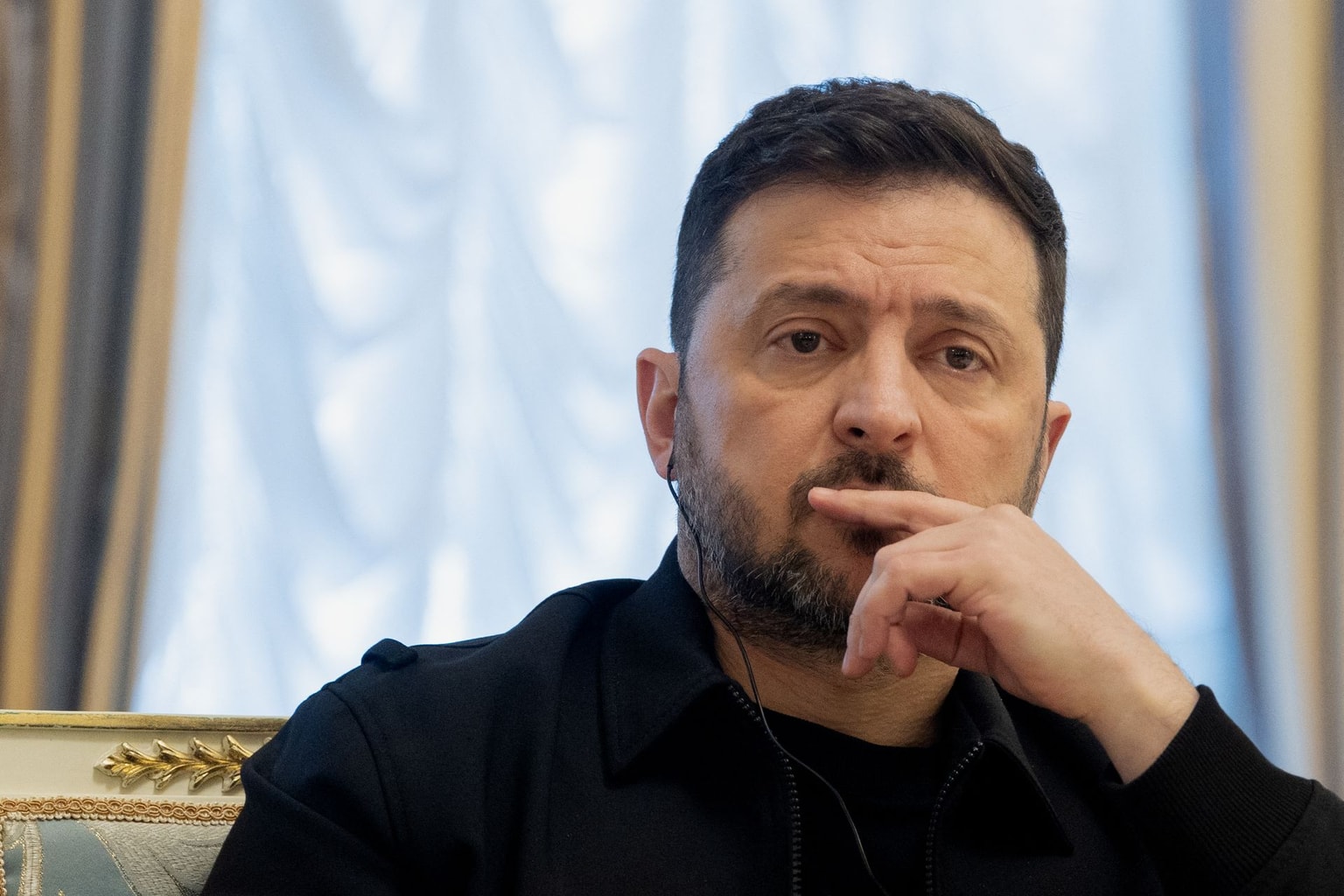
Ukraine now has more air defense systems, but Russia has many times more missiles for future attacks, President Volodymyr Zelensky told journalists on Jan. 20.
Zelensky's remarks came after Russia carried out a mass overnight attack on Ukraine on Jan. 20, launching 33 missiles — including 18 ballistic missiles — and 339 drones.
The vast majority of the strikes hit Kyiv and the surrounding region, damaging energy infrastructure and leaving thousands of homes without heating, electricity and water in several regions of the country.
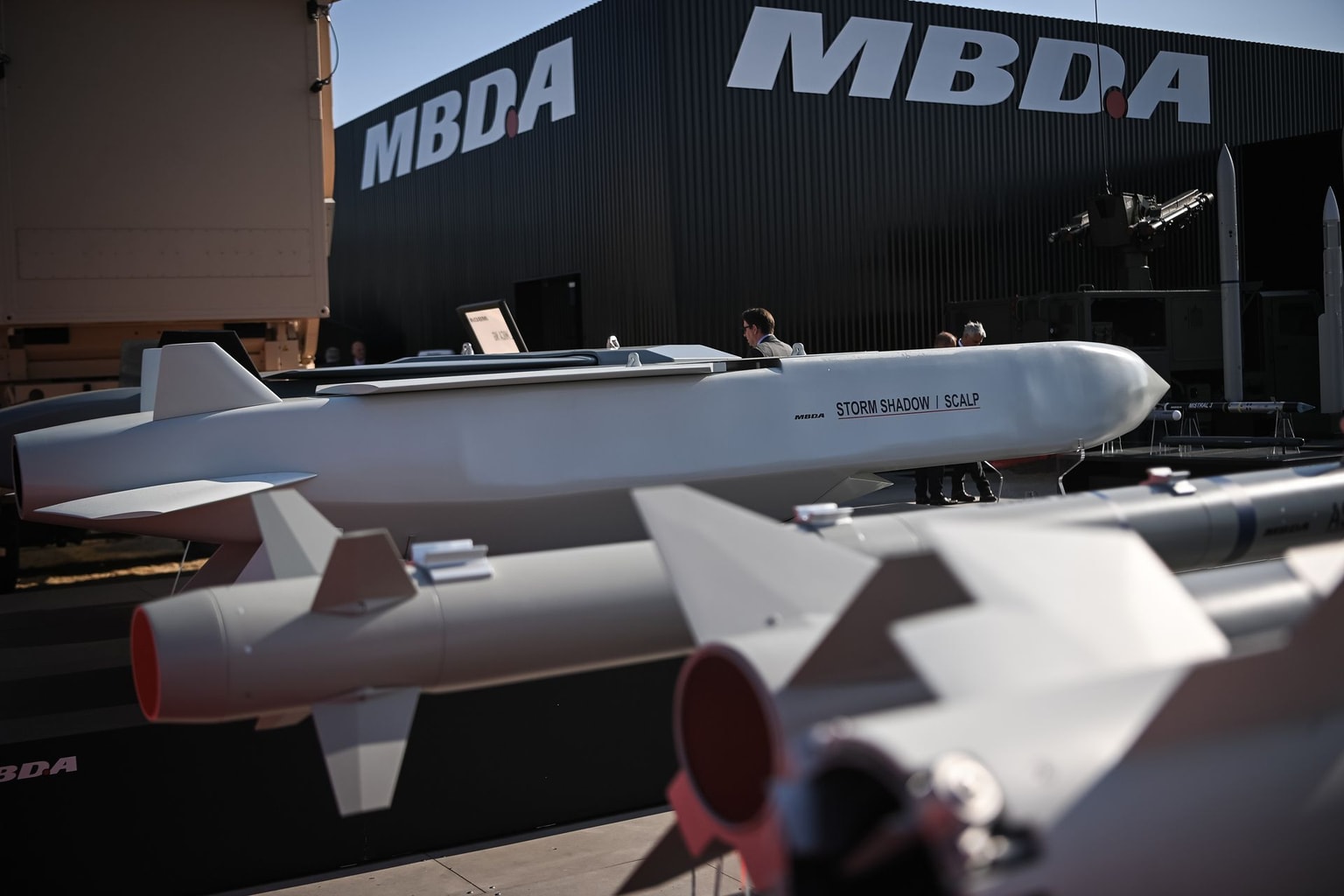
The Jan. 20 Russian attack cost Ukraine about 80 million euro ($88 million) in missiles for its air defense systems, according to Zelensky.
"(Ukraine) needs more missiles, more air defenses," Zelensky said, adding that aside from U.S.-produced Patriot PAC-3 missiles used against Russian ballistic missiles — whose numbers have increased significantly — "nothing else works."
Zelensky said Russia continues to receive components for missile production from private manufacturers and allied countries. The president also stressed the need to reduce Russia's production capacity, adding that "this is not happening yet."
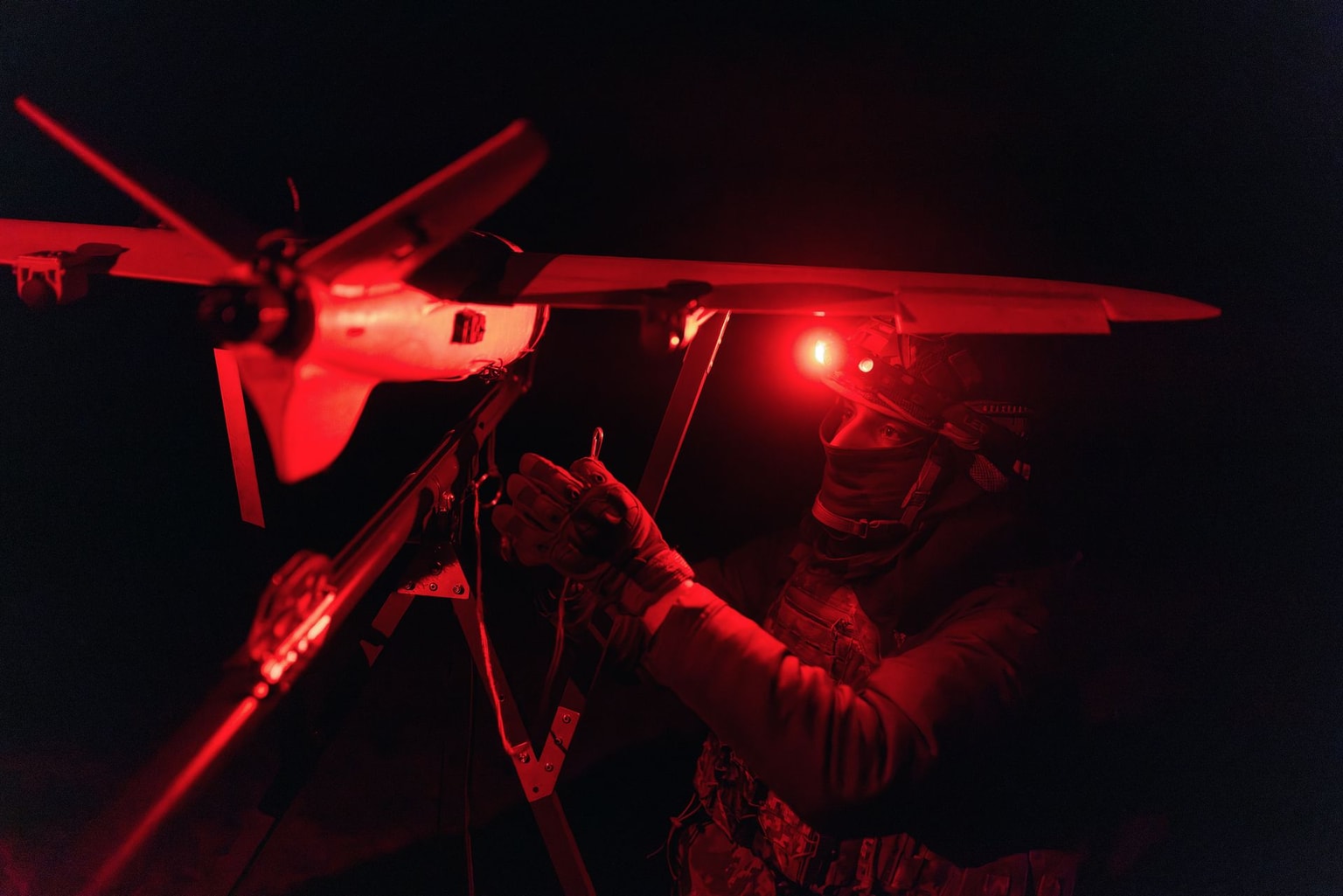
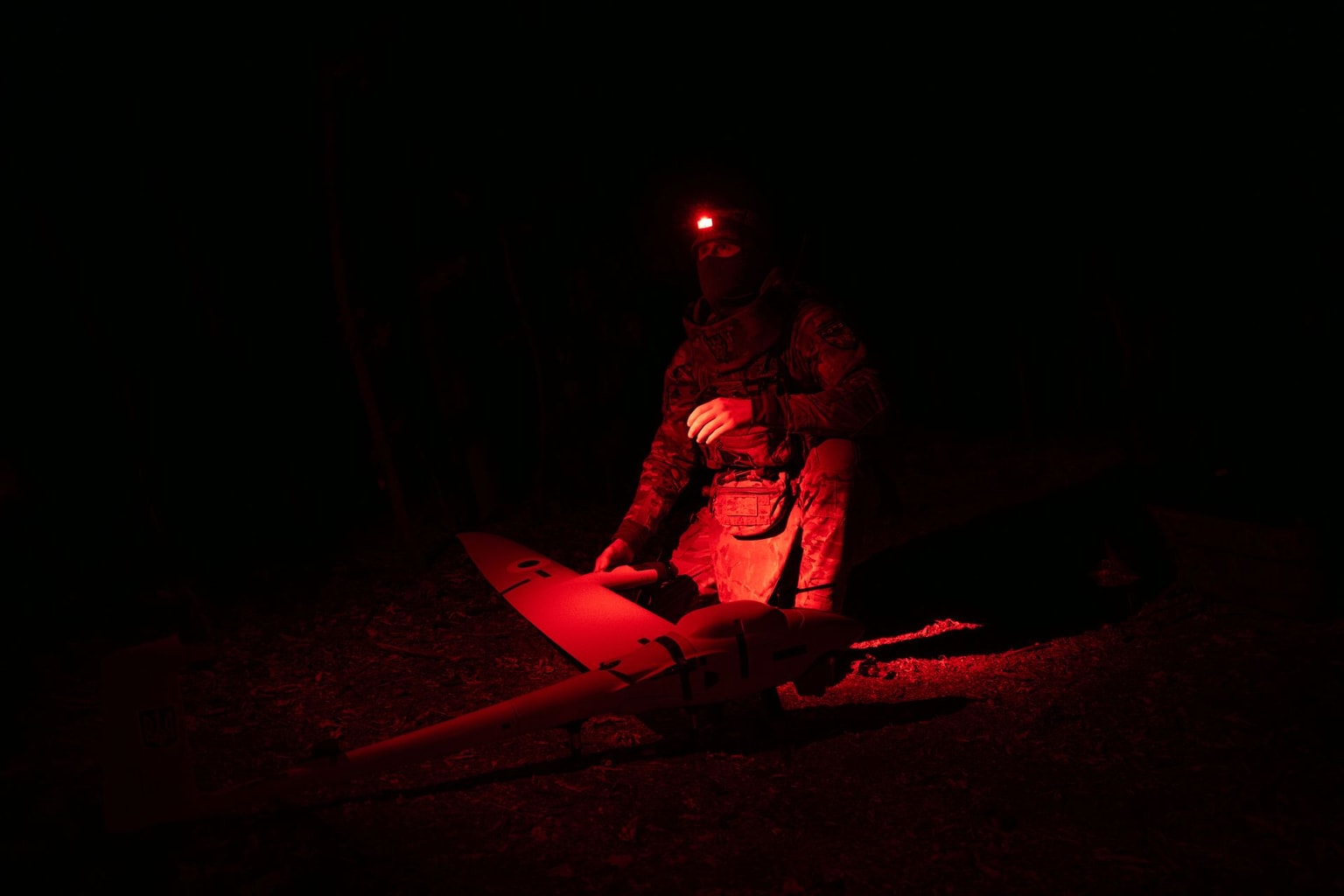
Russia has also increased its use of Shahed-type drones in attacks on Ukraine. At the same time, Ukraine has expanded its number of interceptors and mobile fire groups, according to the president.
"We are finding tools and will eventually overcome (the threat from) Shahed-type drones," Zelensky said. "Without this, there is no way to survive."
"But when it comes to ballistic missiles, the key is still in the hands of the U.S.," he said, highlighting the importance of the functioning of the Prioritized Ukraine Requirements List (PURL) and support from partners in Europe and the U.S.
Russia has stepped up attacks on Ukraineis energy infrastructure in recent months, causing prolonged power outages across the country. Many residents have also lost heating and water supply as a result of the strikes, as temperatures across Ukraine have fallen well below minus 10 degrees Celsius (14 degrees Fahrenheit).
Ukrainian authorities have declared a state of emergency to tackle the consequences and alleviate humanitarian challenges facing the population.
Zelensky announced on Jan. 16 that a major air defense aid package had arrived in Ukraine to help defend its stricken energy infrastructure as the country-wide winter energy crisis deepens.
In addition to air defense support Ukraine's partners continue to supply Kyiv with emergency aid directed both at repairing energy infrastructure and mitigating the humanitarian effects of the crisis.
The U.K. allocated 20 million pounds ($26.8 million) of accelerated funding for "energy infrastructure support" on Jan. 16 while Italy has begun the delivery of industrial boilers with 1.85 million euros ($2.15 million) for the worst-affected areas, Ukrainian foreign minister Andrii Sybiha said.
Ukraine's Security Service (SBU) said that since October 2025, Russian forces have targeted 11 hydroelectric power plants, 45 major combined heat and power plants, 49 thermal power plants, and 151 electrical substations across the country.
The heaviest strikes were recorded in Kyiv and Kyiv Oblast, as well as the Kharkiv, Odesa, Dnipropetrovsk, Sumy, Mykolaiv, and Chernihiv oblasts.