Ukraine could build non-conscript army if Europe helps with funding, Zelensky says
 on Google
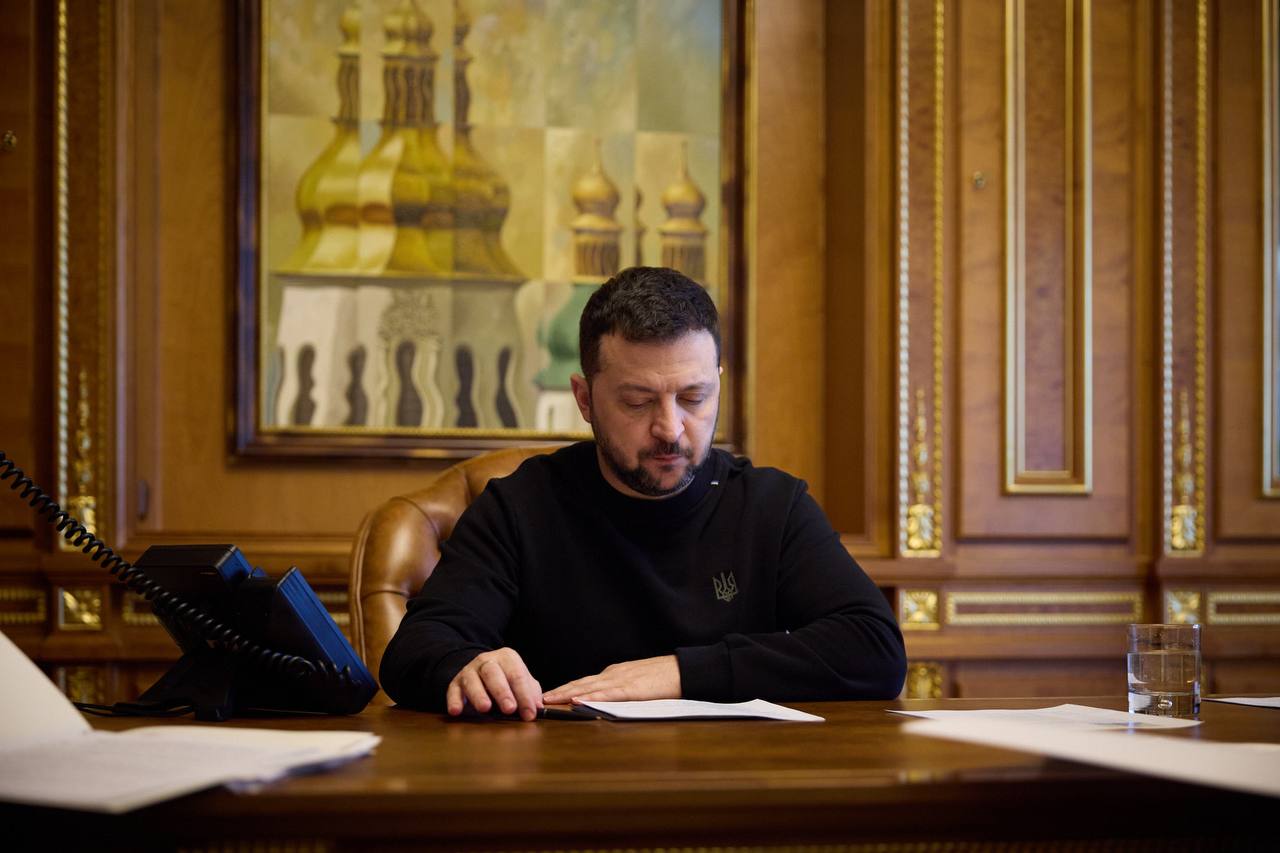
Ukraine could adopt a contract army, as Russia has, if it received financial assistance from European partners, President Volodymyr Zelensky said in an interview with BBC, published on Feb. 23.
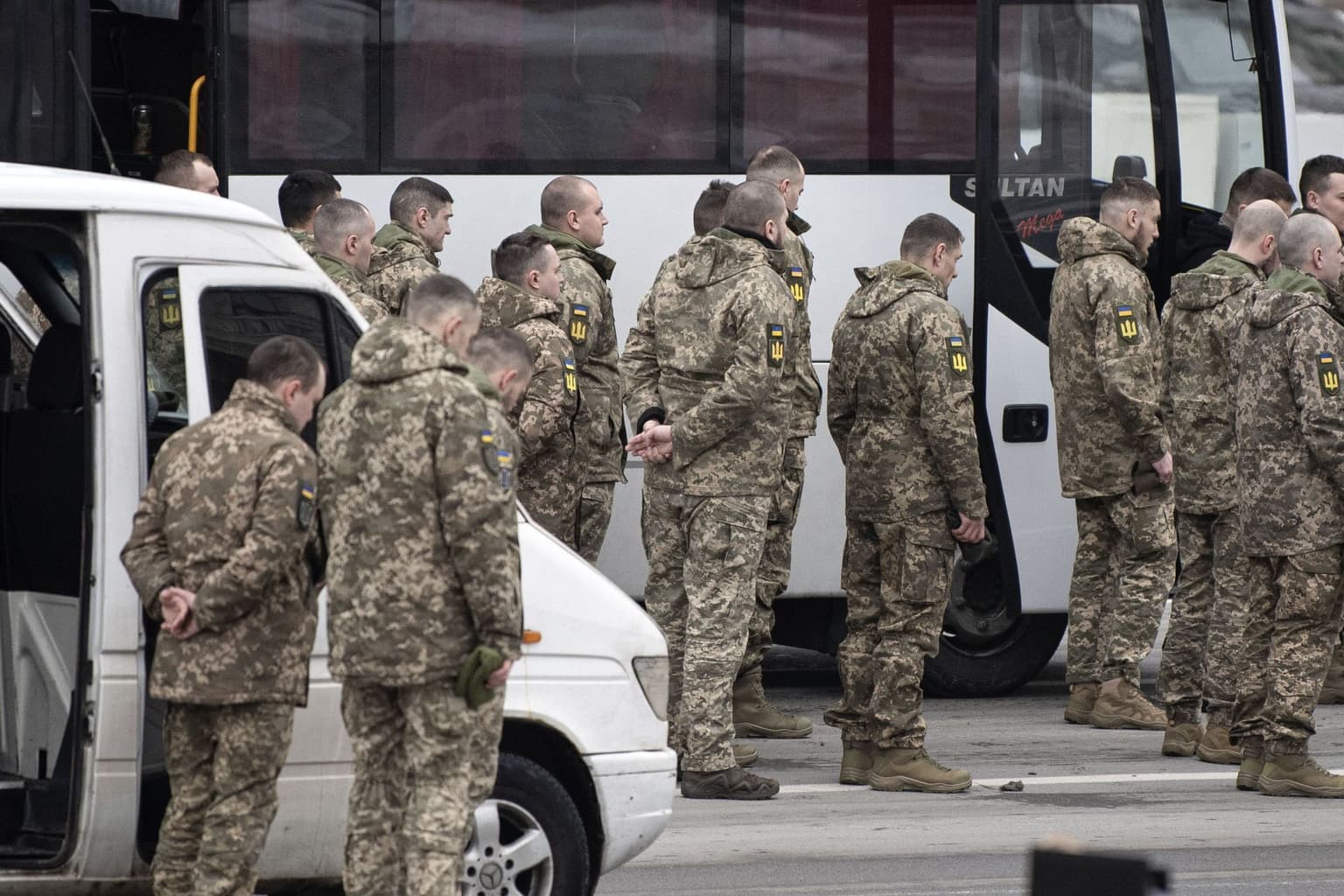
Since the start of Russia's full-scale invasion, Ukraine has imposed martial law and a compulsory mobilization for men aged 25 to 60, as well as men 18 and older with military experience. Despite this, the Ukrainian army continues to face personnel shortages.
"When we talk about personnel, Europeans can help if – or when – we transition our army from mobilization to contracts," Zelensky said.
"The same thing (Vladimir) Putin is doing: he pays each person money for a contract. We want this as well, but we do not have enough funds. This is where Europeans could help. This program is not yet financed by Europeans."
During the interview, Zelensky said he was "grateful" for the aid Europe has provided but stressed that Ukraine needs more financial support.
"Do we need more? Absolutely, because we do not have the same amount of weapons as the Russian Federation," the president said.
Unlike mobilization under martial law, contract service in Ukraine is voluntary. Recruits can sign multi-year contracts and choose the units they wish to join.
Contract service allows individuals who are not subject to mobilization under Ukrainian law to enlist. It also offers additional financial incentives, including signing bonuses, preferential housing loans, and compensation for rent and relocation.
In contrast, mobilized soldiers are assigned to units in need of reinforcements after completing their training, unless they are placed through recruitment services.
During martial law, mobilized personnel and contract service members may be discharged only after a nationwide demobilization is declared and martial law is lifted. Exceptions apply in cases of health issues or the need to care for close relatives.
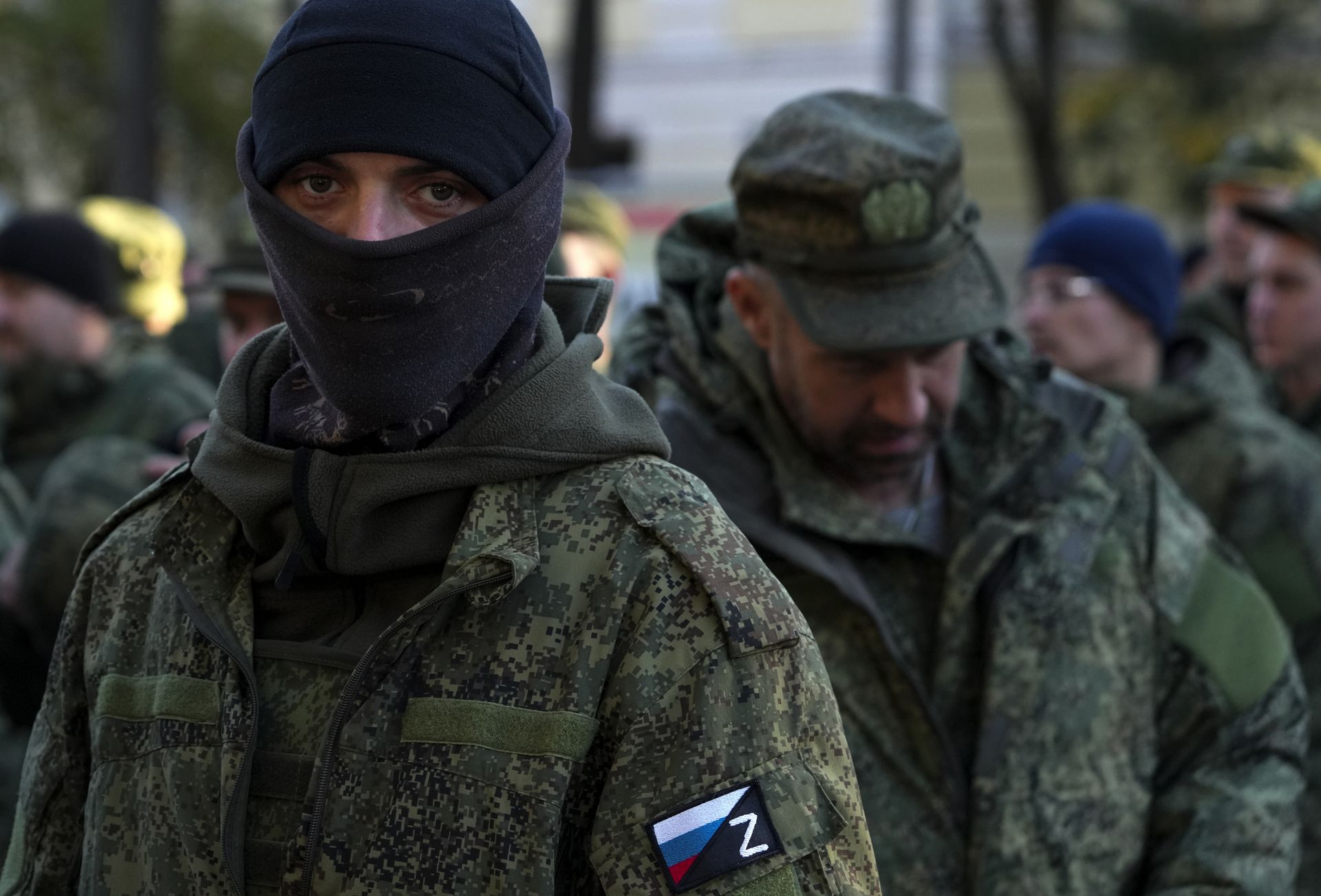
Russia has not declared a mobilization, but since January 2026 it has introduced year-round military conscription, replacing the traditional spring and autumn draft campaigns. Under Russian law, conscripts are not permitted to take part in combat operations, though there have been numerous reports of them being killed or captured in fighting in Ukraine.
Russia has also expanded contract recruitment to sustain its war effort in Ukraine, enlisting about 35,000 people per month and offering payments of up to 2 million rubles ($26,000), according to Ukraine's military intelligence (HUR).
Russia launched a renewed ground offensive against Ukraine in 2025, concentrating the bulk of its forces in eastern Donetsk Oblast. As part of the campaign, Russia also intensified operations in Ukraine's southern Zaporizhzhia Oblast and broke into the southern part of Dnipropetrovsk Oblast.
Over the course of 2025, Russian forces occupied a total 4,336 square kilometers (1,674 square miles) of Ukrainian territory, according to the open-source mapping project DeepState.
read also
 Sonya Bandouil
 Tania Myronyshena
 Yuliia Taradiuk