UK, France, Germany to further sanction Iran after ballistic missile deliveries to Russia confirmed
 on Google

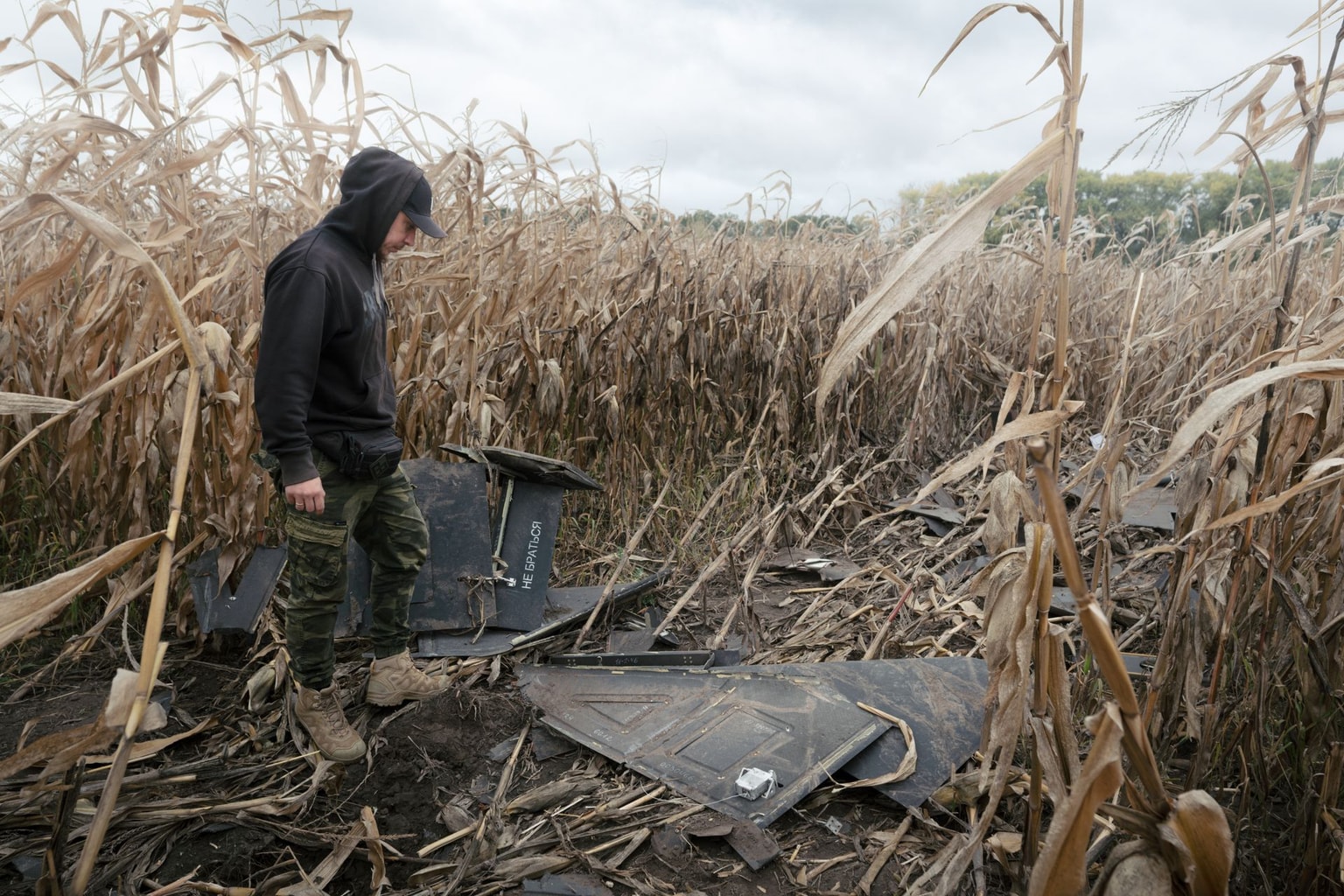
The U.K., France, and Germany will impose further sanctions on Iran due to confirmation that Moscow has received ballistic missiles from Tehran, the three countries said in a joint statement on Sept. 10.
Washington confirmed on Sept. 10 earlier media reports that Russia had received shipments of Iranian ballistic missiles.
The confirmation of the deliveries marks a "further escalation of Iran's military support to Russia's war of aggression against Ukraine," the U.K., France, and Germany said.
The three countries said that they have "privately and publicly been clear that we would take new and significant measures against Iran if the transfers took place."
According to the joint statement, they will now "be taking immediate steps to cancel bilateral air services agreements with Iran," and work towards sanctioning Iran Air, the country's flag carrier.
"Entities and individuals involved with Iran's ballistic missile program and the transfer of ballistic missiles and other weapons to Russia" will also face sanctions.
"This act is an escalation by both Iran and Russia, and is a direct threat to European security," the joint statement said.
The U.K. released a statement detailing which Iranian individuals and organizations had been sanctioned by both London and Washington.
These include Brigadier General Seyed Hamzeh Ghalandari, the Iranian Defense Ministry's director general for international relations, Second Brigadier General Ali Jafarabadi, the head of the Space Command of Iran's Aerospace Force, and Majid Mousavi, Deputy Commander of Iran's Revolutionary Guards.
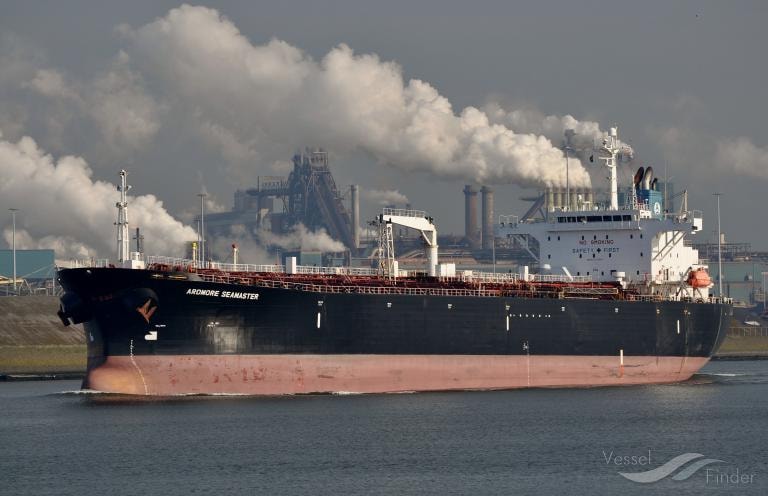
The U.K. also announced sanctions on five Russian cargo ships "for their role in transporting military supplies from Iran to Russia."
U.S. Secretary of State Antony Blinken commented on the news that Russia had received the ballistic missile shipments during a joint press conference with his British counterpart David Lammy.
The delivery of the missiles "gives the Russians an additional capability and additional flexibility," further fuelling the war, Blinken said in London.
According to Blinken, the Iranian ballistic missiles have a shorter range of around 75 miles, which means "Russia will be able to dedicate its own ballistic missiles to longer-range targets."
"Anyone who is providing assistance to Russia, whether it is direct assistance like Iran or North Korea, whether it is assistance to their defense industrial base, like China, is perpetuating the war," Blinken added.
Iran on Sept. 9 denied it had delivered ballistic missiles to Russia, claiming reports to the contrary were "psychological warfare."