Trump has 'greenlit' bipartisan Russia sanctions bill, clearing way for Senate vote, US Senator Graham says
 on Google

Editor's note: This story has been updated with additional information.
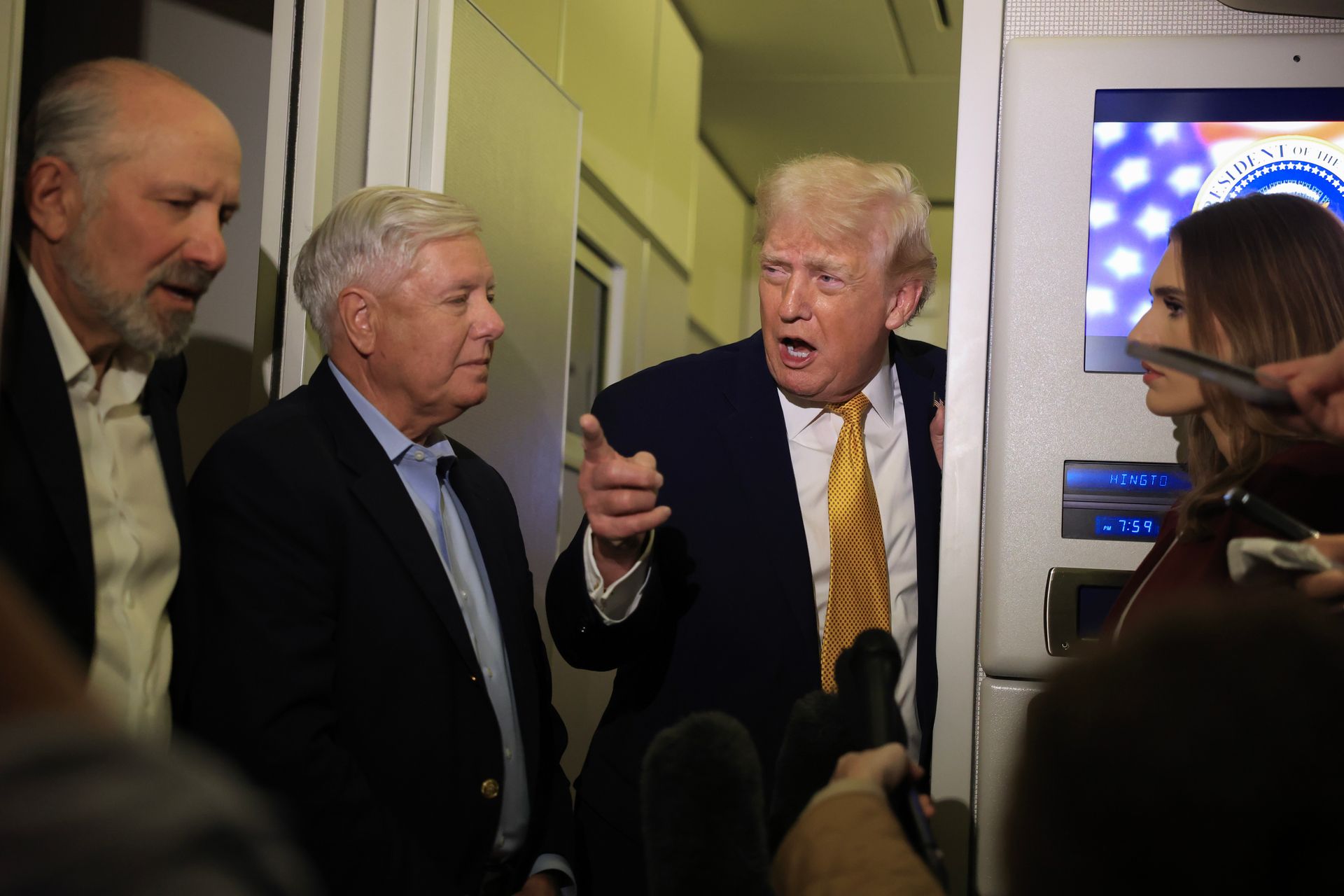
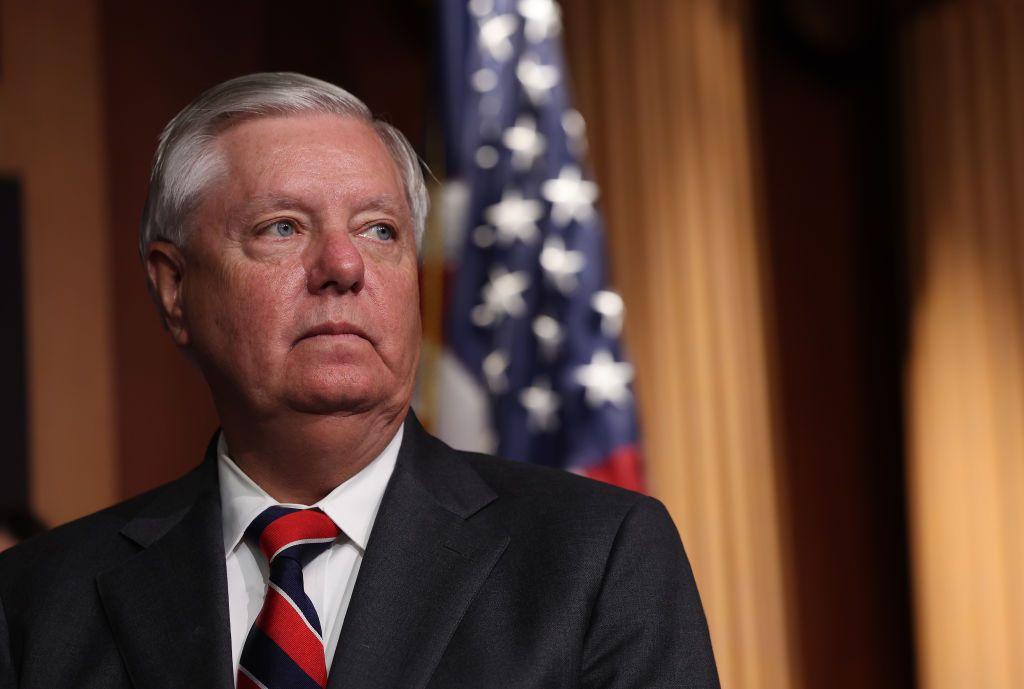
U.S. President Donald Trump has approved moving forward with a bipartisan bill targeting Russia, opening the door for a possible Senate vote as early as next week, Senator Lindsey Graham said on Jan. 7.
The legislation would authorize sweeping secondary sanctions against countries that continue buying Russian oil and gas, including China, Brazil, and India, aiming to choke off a key revenue stream funding Moscow's full-scale war against Ukraine.
"This bill will allow President Trump to punish those countries who buy cheap Russian oil fueling Putin's war machine," Graham said, describing the measure as a powerful new lever against the Kremlin and its trading partners.
Graham said Trump gave the green light after a meeting earlier this week, which he described as productive and focused on a range of policy issues.
A White House official separately confirmed to the Kyiv Independent that Trump supports advancing the legislation, which the president is expected to use as leverage if Moscow fails to negotiate in good faith to end its war.
Graham said Senate leadership has been working closely with the administration to finalize the bill, though similar efforts in the past have failed to gain traction.
For months, Graham, one of Congress's staunchest supporters of Ukraine, attempted to force a vote on the "overwhelmingly bipartisan" bill.
Despite his efforts, Trump reportedly pressured senators to soften the sanctions deal in an effort to negotiate a ceasefire with the Kremlin. The bill was never brought to a vote before the Senate amid Trump's pressure campaign.
After months of failing to negotiate an end to the war in Ukraine, Trump imposed sanctions against Russia's two largest oil companies, Rosneft and Lukoil, marking the first time Trump imposed sanctions against Russia since he took office last January.
The sanctions bill announcement comes the same day as U.S. authorities seized a Russian-flagged oil tanker formerly known as Bella 1 in the North Atlantic after a weeks-long pursuit, the U.S. military announced on Jan. 7.
The unprecedented incident risks inflaming tensions between Russia and the U.S., sharpened by Washington's military operation in Venezuela that resulted in the capture of dictator Nicolas Maduro, Moscow's ally, and Russia's refusal to cease hostilities in Ukraine amid Trump's negotiation efforts.