Talks on reparations loan for Ukraine continue as key summit approaches
 on Google
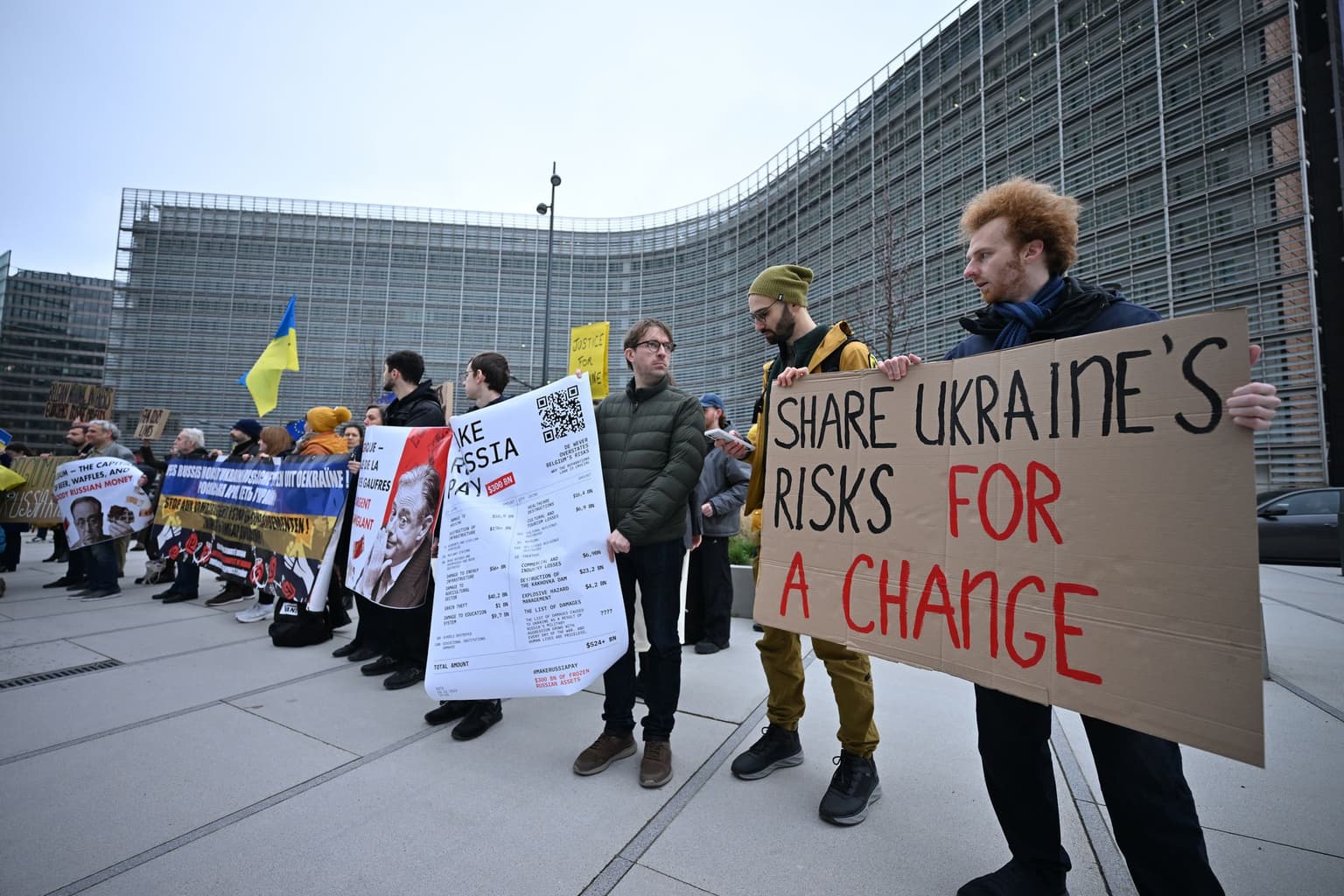
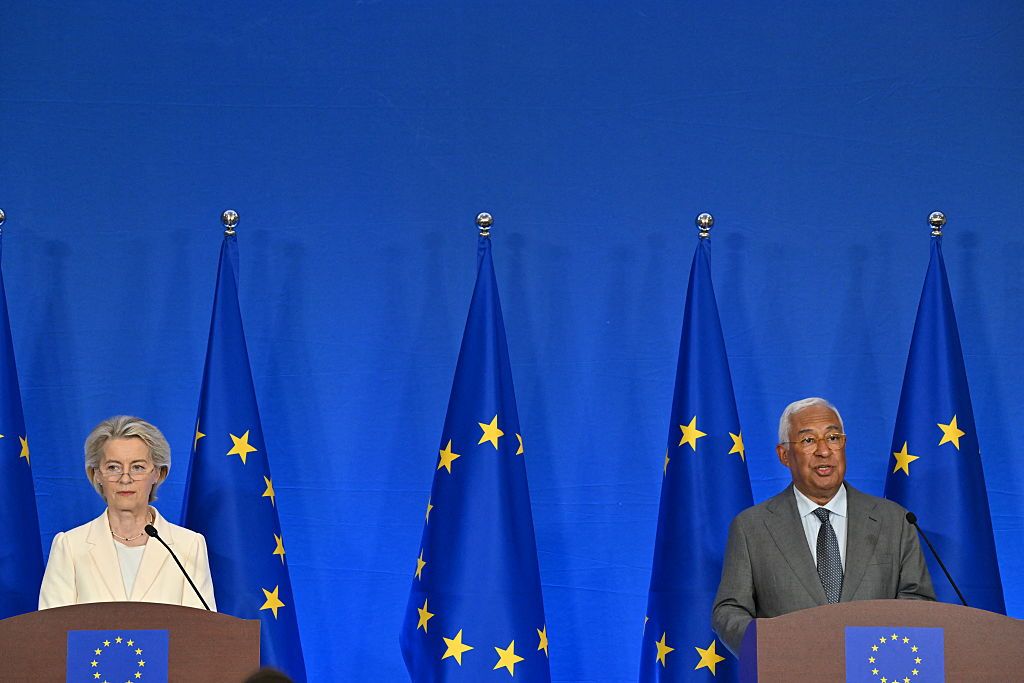
Talks are ongoing in Brussels for a second day in a row as EU countries try to finalize the details of a financial lifeline to Ukraine ahead of a key leaders summit later this week.
European leaders will decide on Dec. 18–19 whether to proceed with a "reparations loan," a plan to lend up to 210 billion euros in frozen Russian assets to Ukraine. Without extra financing, Kyiv will run out of cash by spring next year.
The powerful committee of European ambassadors, known as Coreper, will meet at 6 p.m. in Brussels on Dec. 16 to continue talks over the initiative. They will meet again on Wednesday morning at 9 a.m., according to the provisional agenda.
Coreper often meets before European Council decisions to iron out differences between member states and reach consensus before leaders convene.
Today's meeting is the second this week, after talks concluded yesterday evening. Politico reported that the Commission made several concessions to Belgium during the Dec. 15 meeting, but they weren't sufficient to gain the country's approval.
Belgium is home to Euroclear, the financial institution which holds the vast majority of the frozen assets. Belgian Prime Minister Bart de Wever has expressed opposition to the plan, citing legal and financial risks.
Most scholars agree that the reparations loan is a well-crafted policy response to Ukraine's financing needs and Russia's continued aggression in Ukraine.
German chancellor Friedrich Merz, who has been vocal in his support of the initiative, said on Dec. 15 during a joint press conference with President Volodymyr Zelensky that if the reparations loan fails, "the European Union's ability to act will be severely damaged for years, if not for much longer."
"And we will show the world that, at such a crucial moment in our history, we are incapable of standing together and acting to defend our own political order on this European continent," Merz added.
But Italy, Bulgaria and Malta on Dec. 12 called for the European Commission to explore "alternative options" to the reparations loan in a joint declaration.
Czechia's Prime Minister Andrej Babiš also called on the European Commission to find other ways of supporting Ukraine on Dec. 13 in a Facebook post, adding that Czechia needs "every crown we have for our citizens."
The Commission is seeking to get a qualified majority of countries — at least 15 countries representing 55% of the EU's population — to sign up to the plan.
Speaking to the press on Dec. 15, the EU's top diplomat Kaja Kallas said that it would also be important to get Belgium on board.
The bloc moved closer to sealing the deal on Dec. 12 after a majority of European countries agreed to indefinitely immobilize roughly 210 billion euros in frozen Russian assets, addressing one of Belgium's key concerns.
Previously, their continued immobilization was subject to the agreement of all 27 member states every six months. Hungary and Slovakia, the most pro-Russian member states, had repeatedly threatened to veto their renewal.
Belgium worried that should the cash be lent to Kyiv but the assets suddenly unfrozen, the country would be on the hook for hundreds of billions of dollars without the means to fulfil that obligation.