

Ukraine's electricity imports fall as crisis fades
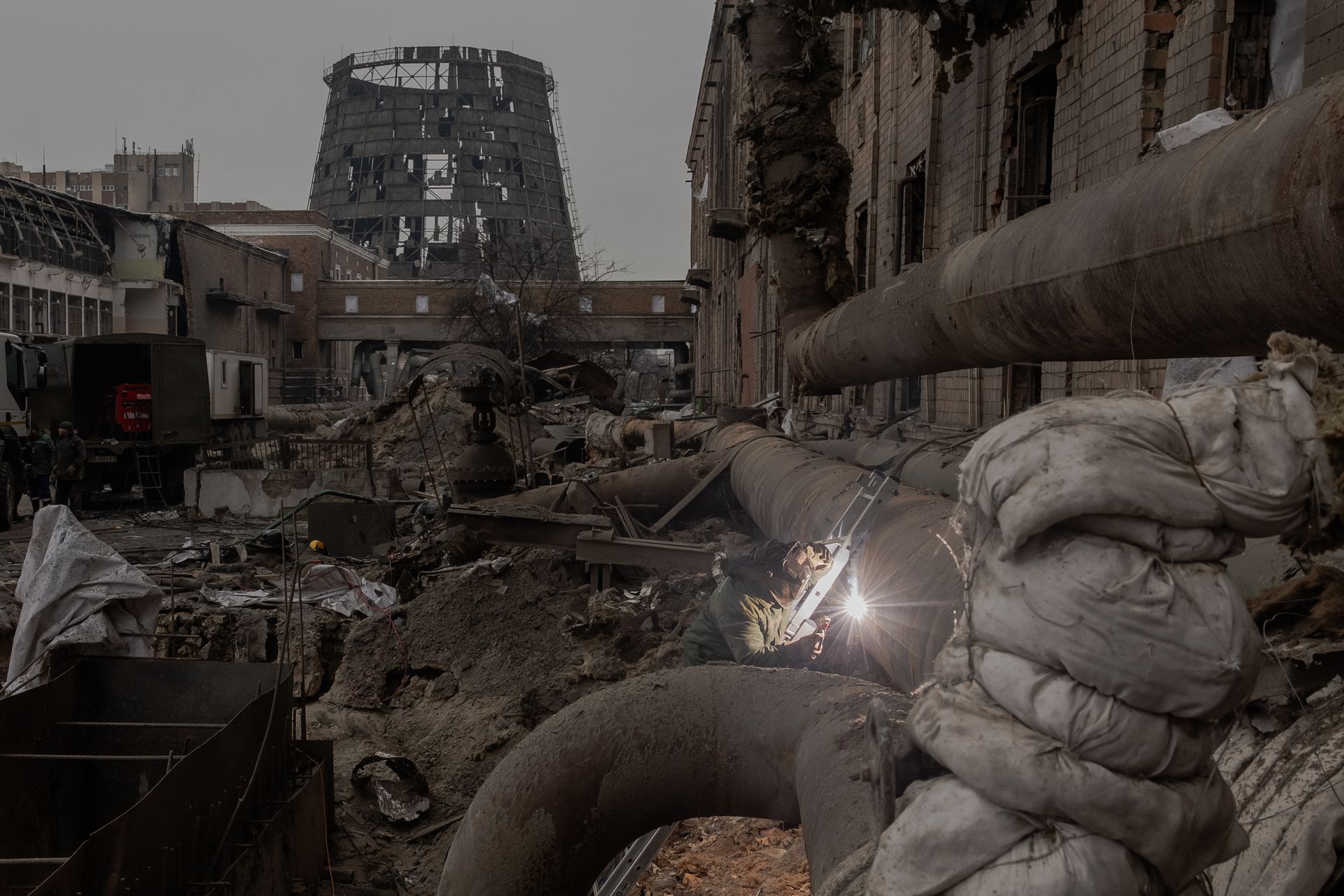
Ukraine's imports of electricity dropped by 25% in March compared to the previous month, as the country emerges from a devastating winter brought on by Russian attacks on the energy grid.

Ukraine's imports of electricity dropped by 25% in March compared to the previous month, as the country emerges from a devastating winter brought on by Russian attacks on the energy grid.
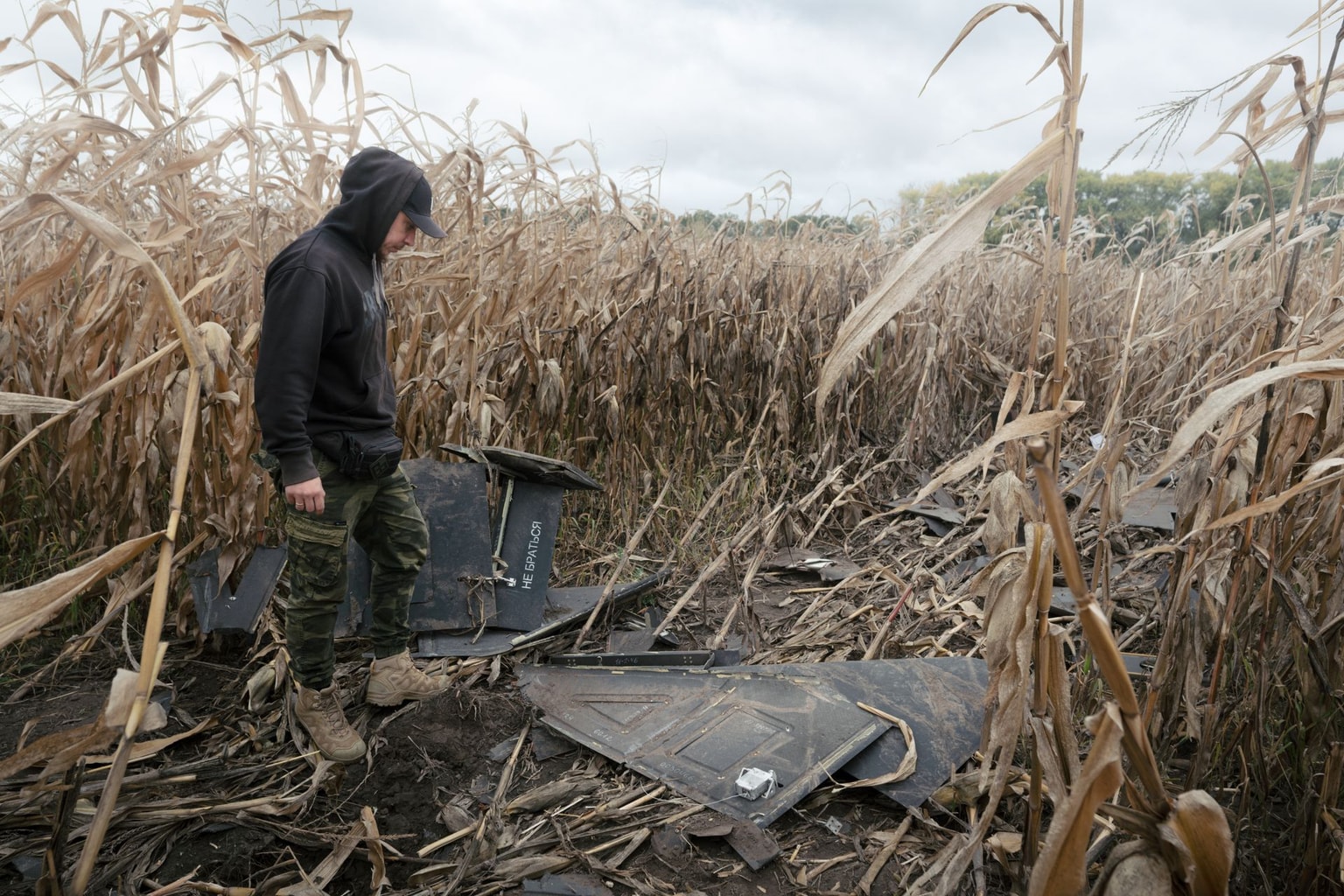
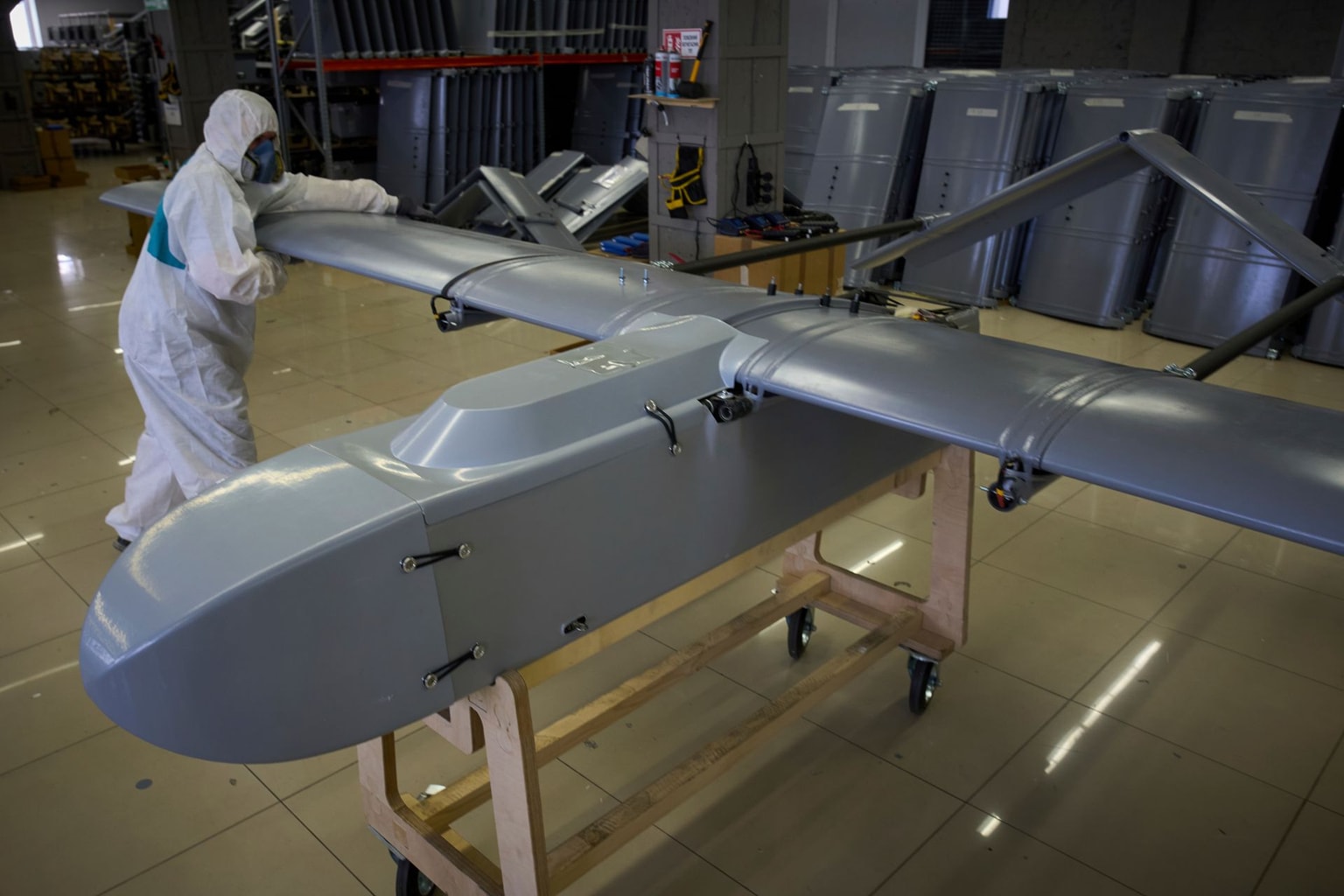
Russia launched 93 long-range kamikaze Shahed-type drones overnight, the Ukrainian Air Force said, adding that Ukraine downed 76 of them.

The number includes 1,180 casualties that Russian forces suffered over the past day.

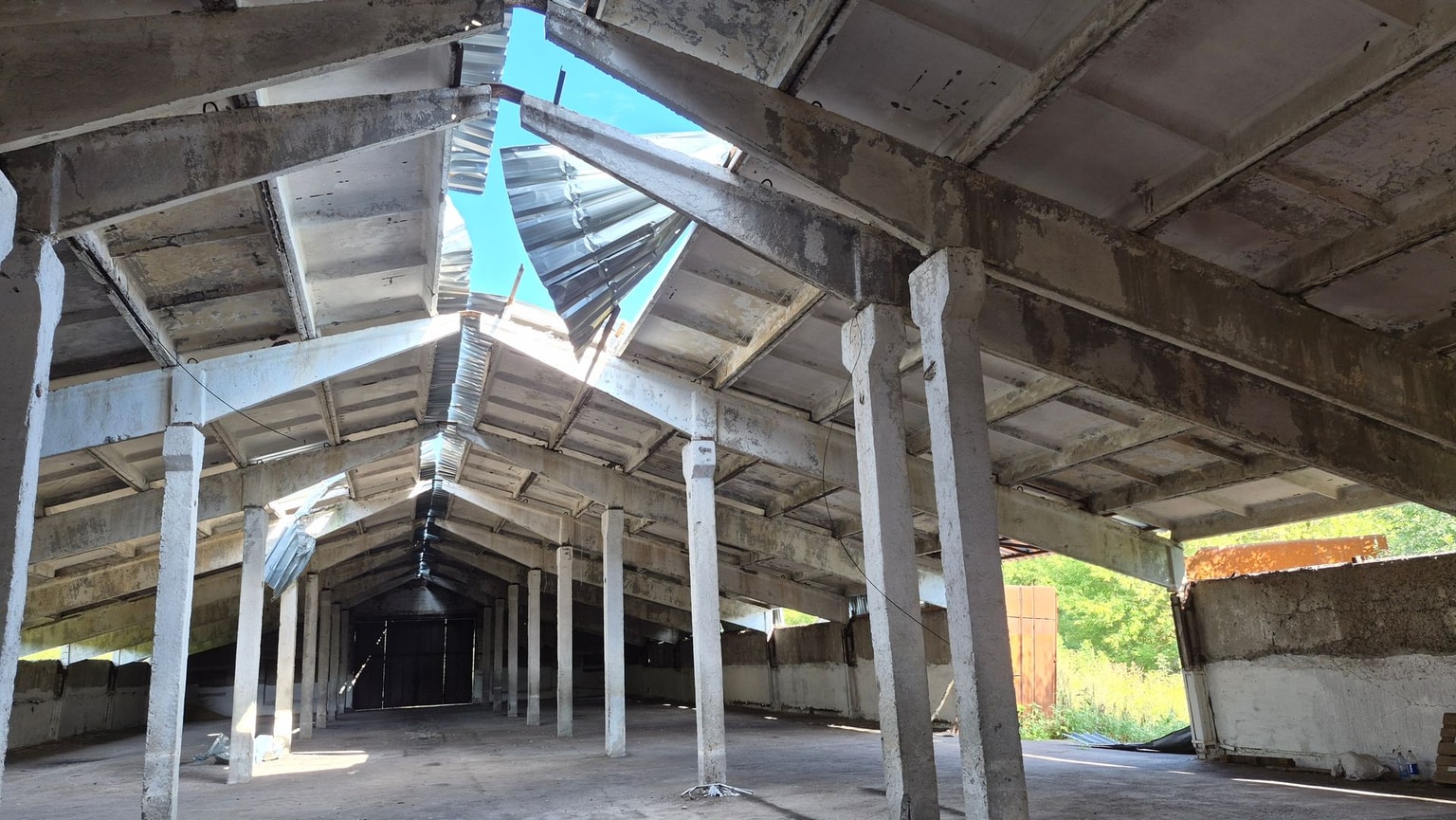
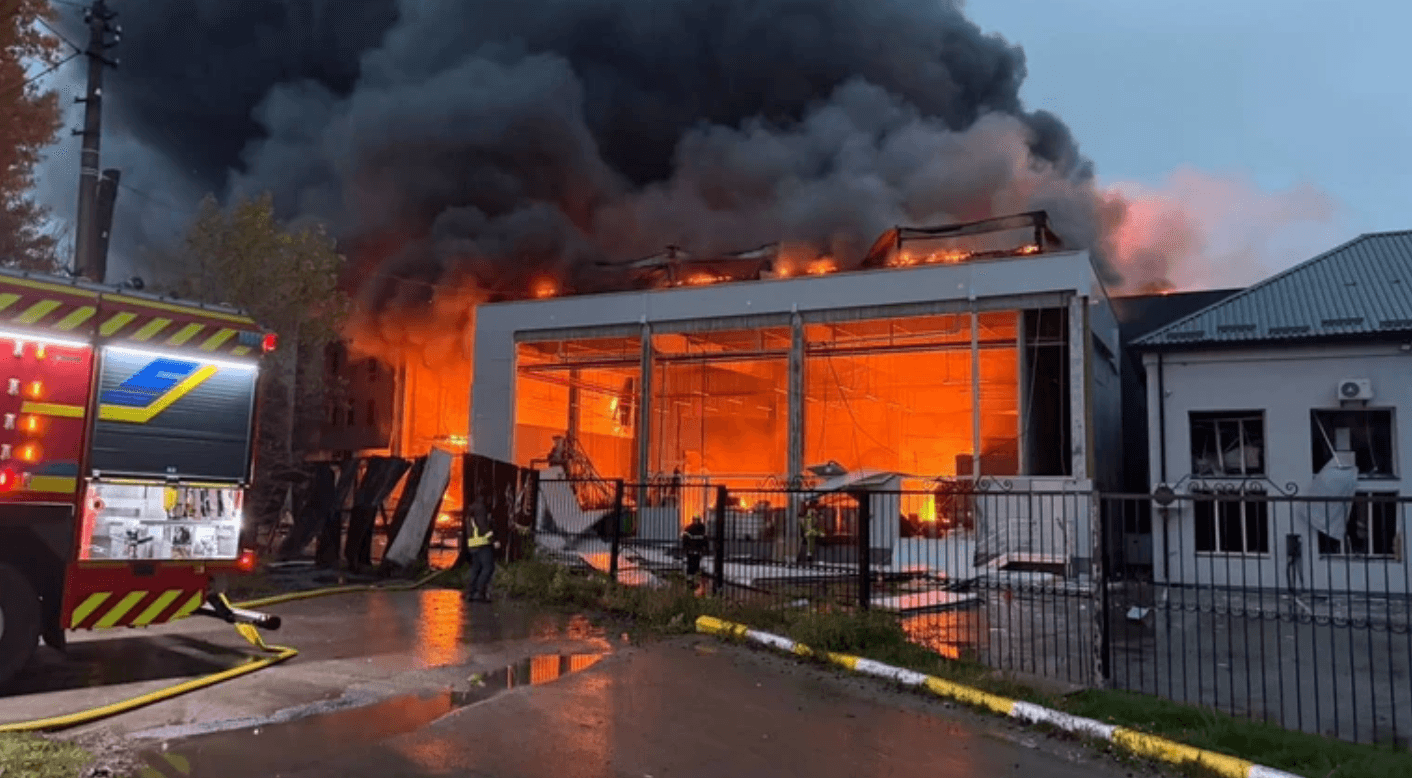
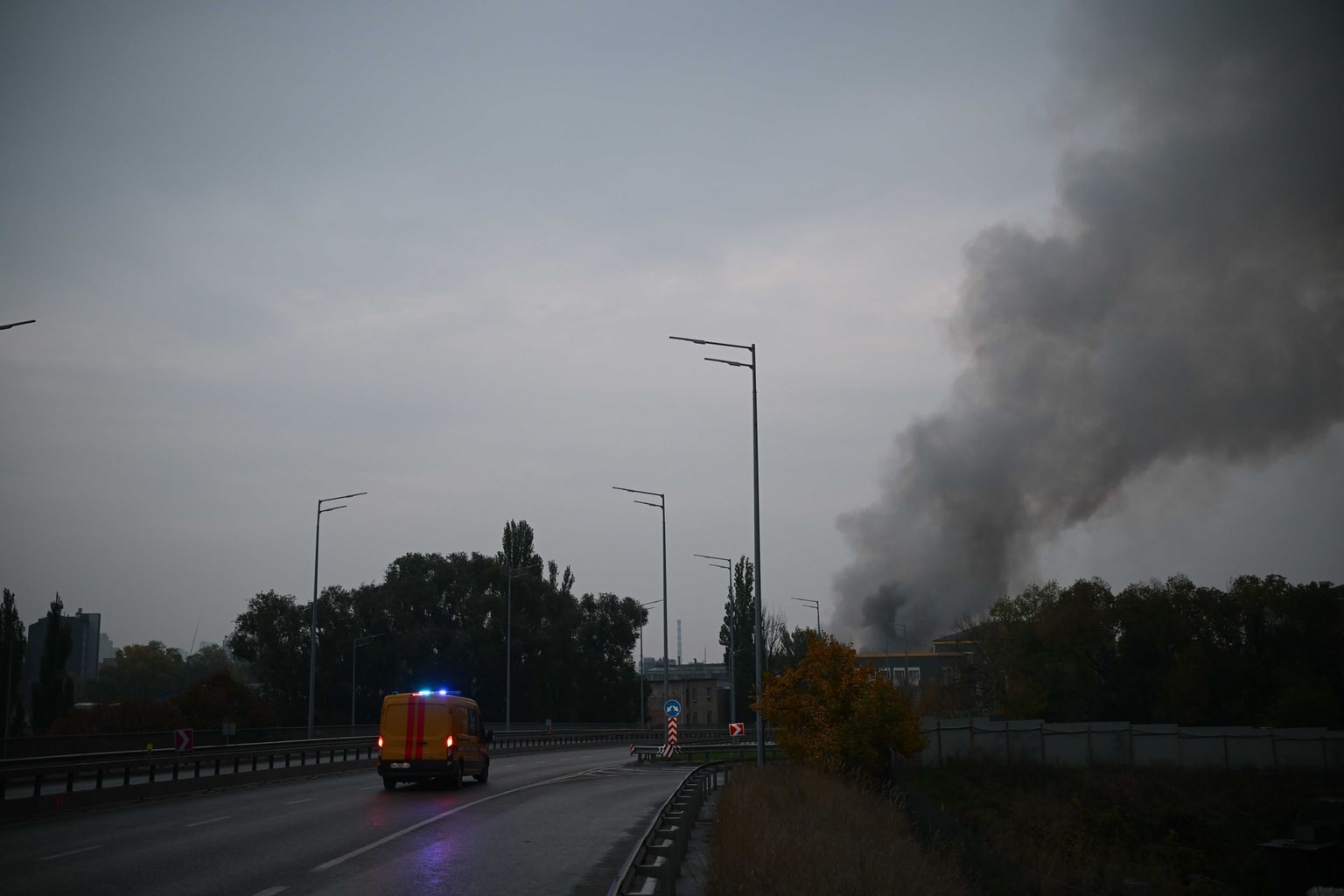
Russian forces launched a drone attack on the city of Odesa overnight on April 5, damaging a residential building and injuring at least three people, local officials reported.

Two enlistment officers in the city of Vinnytsia have been injured in a knife attack during a procedural document check, the Vinnytsia Oblast Regional Recruitment Center reported on April 4.

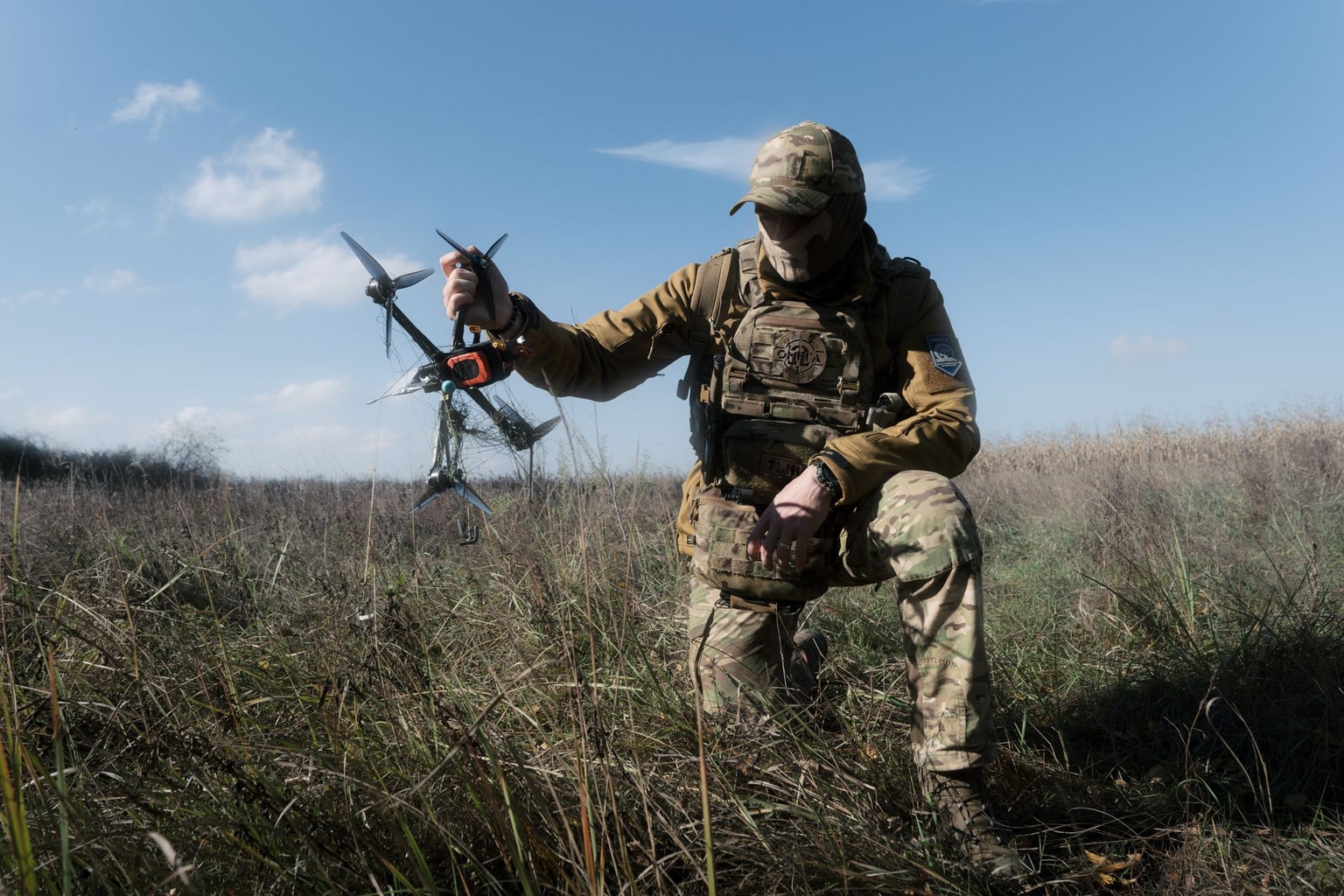
The latest attack comes as Ukrainian officials have acknowledged that foreign allies have asked Kyiv to pause drone attacks on Russian oil refineries as the U.S.-Israeli war in Iran drives up fuel prices worldwide.

"We are receiving certain signals about this," Kyrylo Budanov, head of Ukraine's Presidential Office, told Bloomberg.

The Kyiv Independent’s Business Desk covers the biggest news in business, economics, and tech from Ukraine, as well as global developments that shape the economy of the region.

As you read this, somewhere at a TSMC fab in Taiwan's Hsinchu a robot is moving a silicon wafer packed with transistors measuring 2 nanometers — 20 atoms in a row. Mass production of chips using the 2-nanometer process began in late 2025, and TSMC's entire 2026 capacity is already sold out — Apple, Qualcomm, NVIDIA, and AMD are all in line. Samsung has launched its own 2-nanometer Exynos 2600 processor. Intel is advancing its 18A node (1.8 nm). We are talking about the kind of density and effi