Sweden detains another suspected Russian shadow fleet vessel in Baltic Sea
 on Google
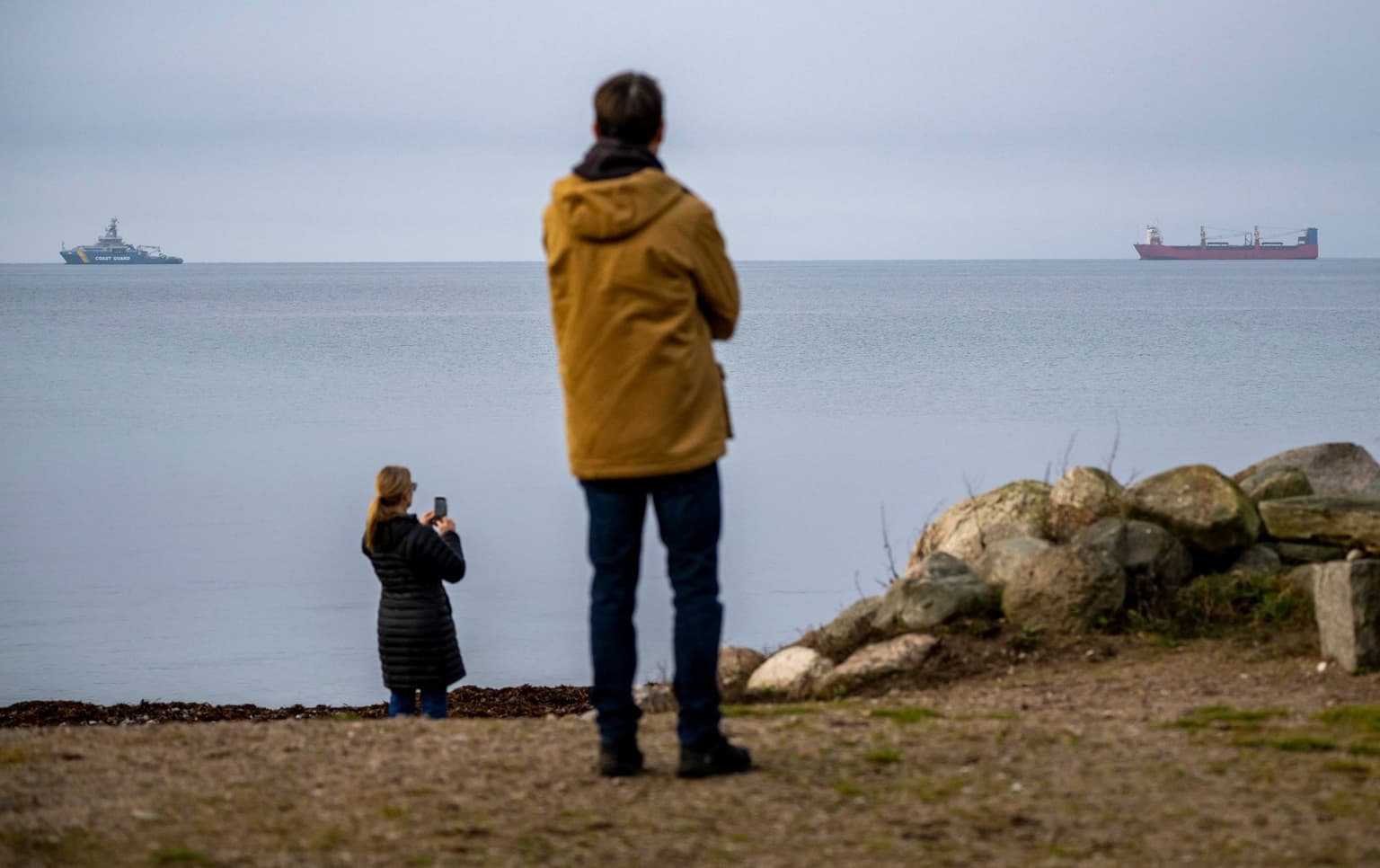
Swedish authorities on March 12 boarded a tanker in its territorial waters suspected of belonging to Russia's so-called shadow fleet.
This marks the second such move by Sweden in recent days, a sign that European countries are stepping up countermeasures against possible Russian hybrid activities in the Baltic Sea.
The EU-sanctioned tanker Sea Owl I was boarded near the port city of Trelleborg, the Swedish Coast Guard said.
Sweden suspects the vessel was falsely sailing under a Comorian flag and violated safety regulations.
"Our overall assessment is that the risk of safety deficiencies on board is high," said Daniel Stenling, the deputy operational chief at the Swedish Coast Guard, in a statement.
"The threats to maritime safety and the environment are too great. Therefore, there are grounds for action against the vessel."
On March 13, Swedish prosecutors launched a preliminary investigation into the ship's Russian captain.
The Swedish Coast Guard also boarded the false-flag cargo vessel Caffa near Trelleborg on March 6.
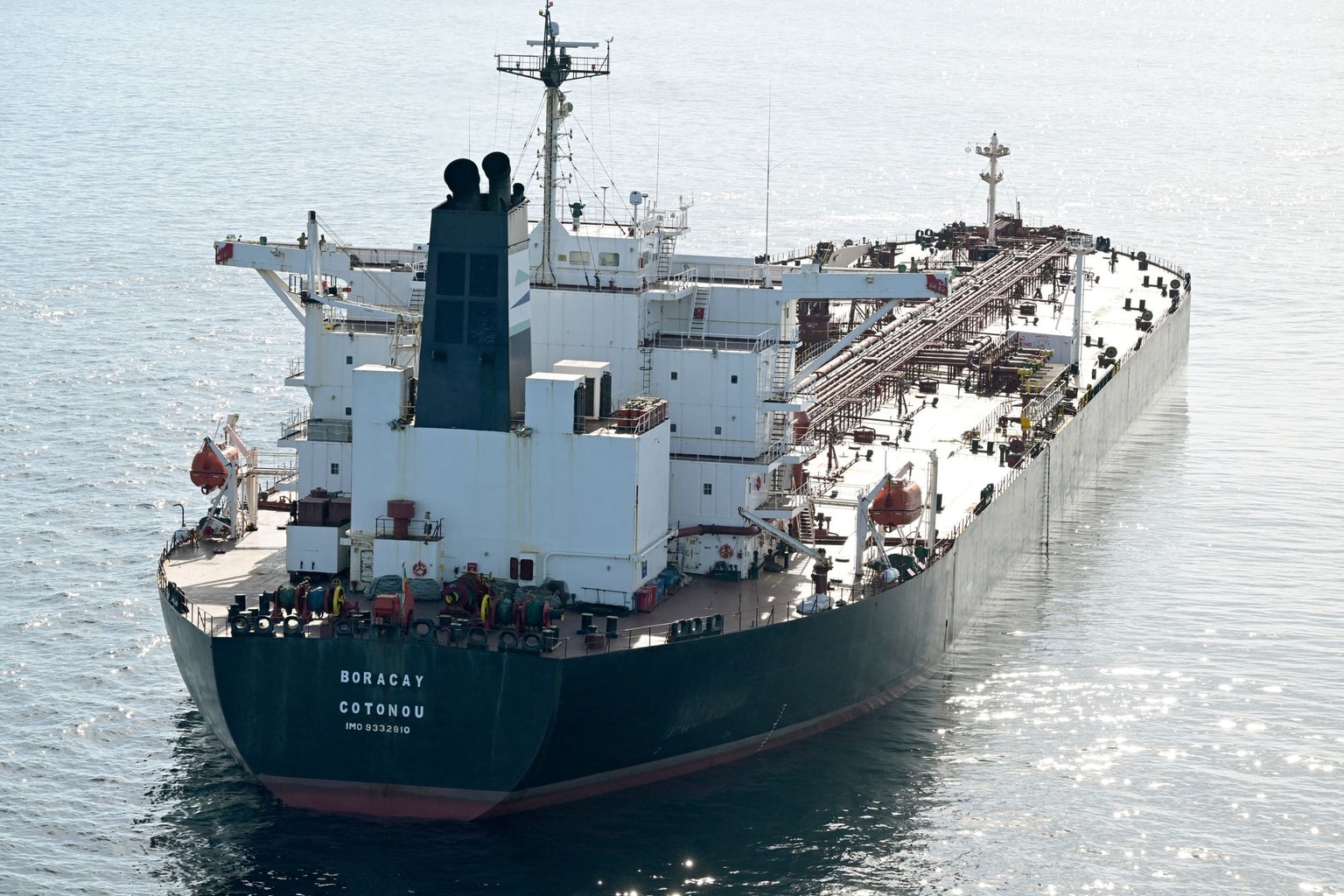
The sanctioned vessel, flying the flag of Guinea, was also suspected of belonging to Moscow's shadow fleet. Both Caffa and Sea Owl I were heading toward Russia.
"The Russian shadow fleet poses a significant security and environmental threat," Swedish Civil Defense Minister Carl-Oskar Bohlin commented on the detentions.
Moscow uses its shadow fleet of aging, underinsured tankers to evade international sanctions on Russian oil trade. Western countries also suspect it is linked to Russia's hybrid activities in Europe, including espionage and launching drones.
"Another Sweden's decisive action against Russia's shadow fleet," Ukraine's Foreign Minister Andrii Sybiha said.
"We commend this firm action. Russia's shadow fleet helps finance its war against Ukraine and threatens our European security."