Russia's Transneft cuts oil intake after Ukrainian strike on Druzhba pipeline hub, Reuters reports
 on Google
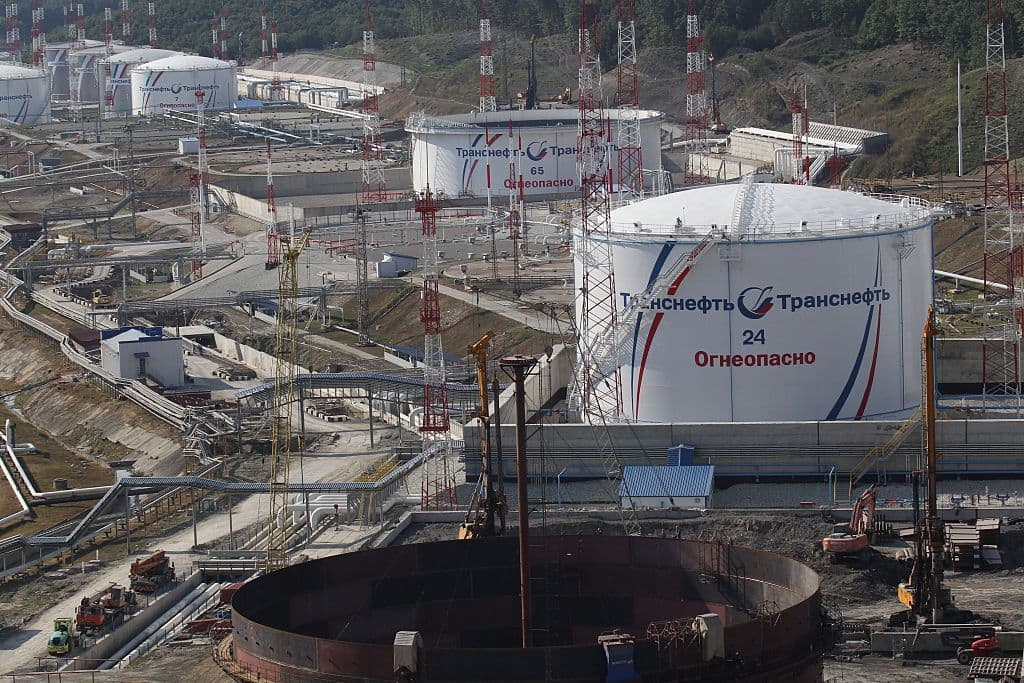
Russia's state-owned oil pipeline monopoly Transneft has cut crude intake by 250,000 barrels per day after a Ukrainian drone strike damaged a critical pumping station, Reuters reported on Feb. 24, citing two sources familiar with the matter.
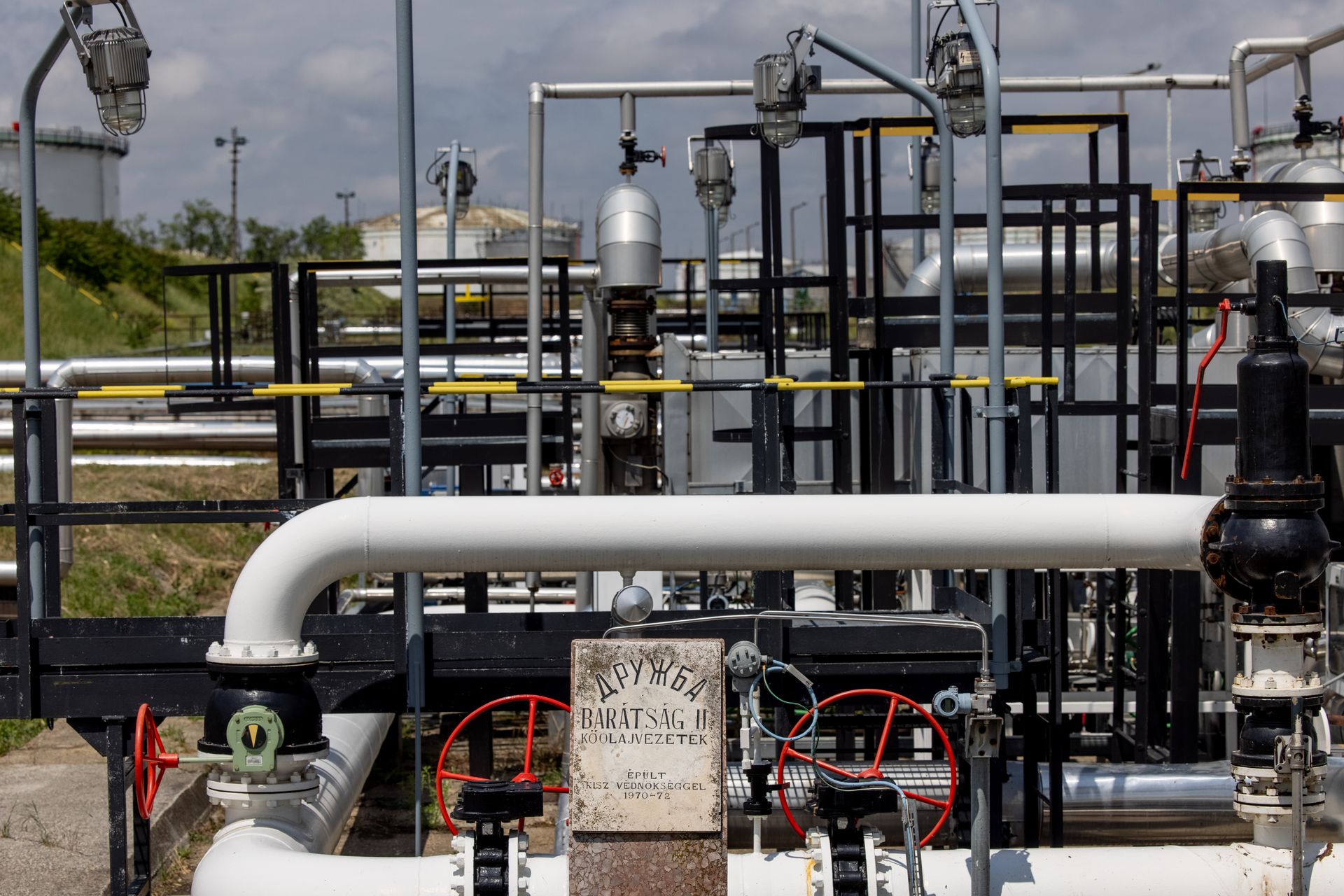
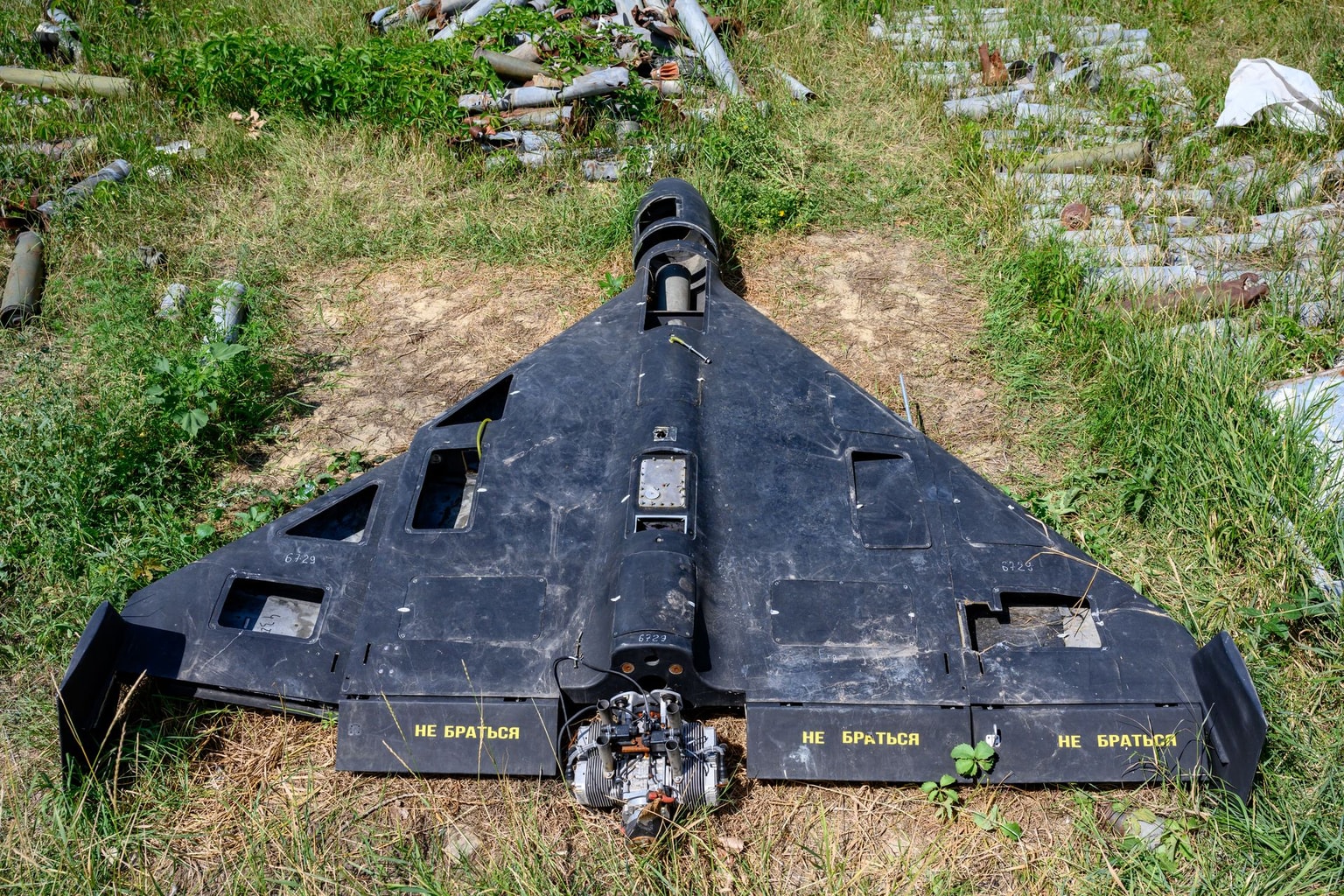
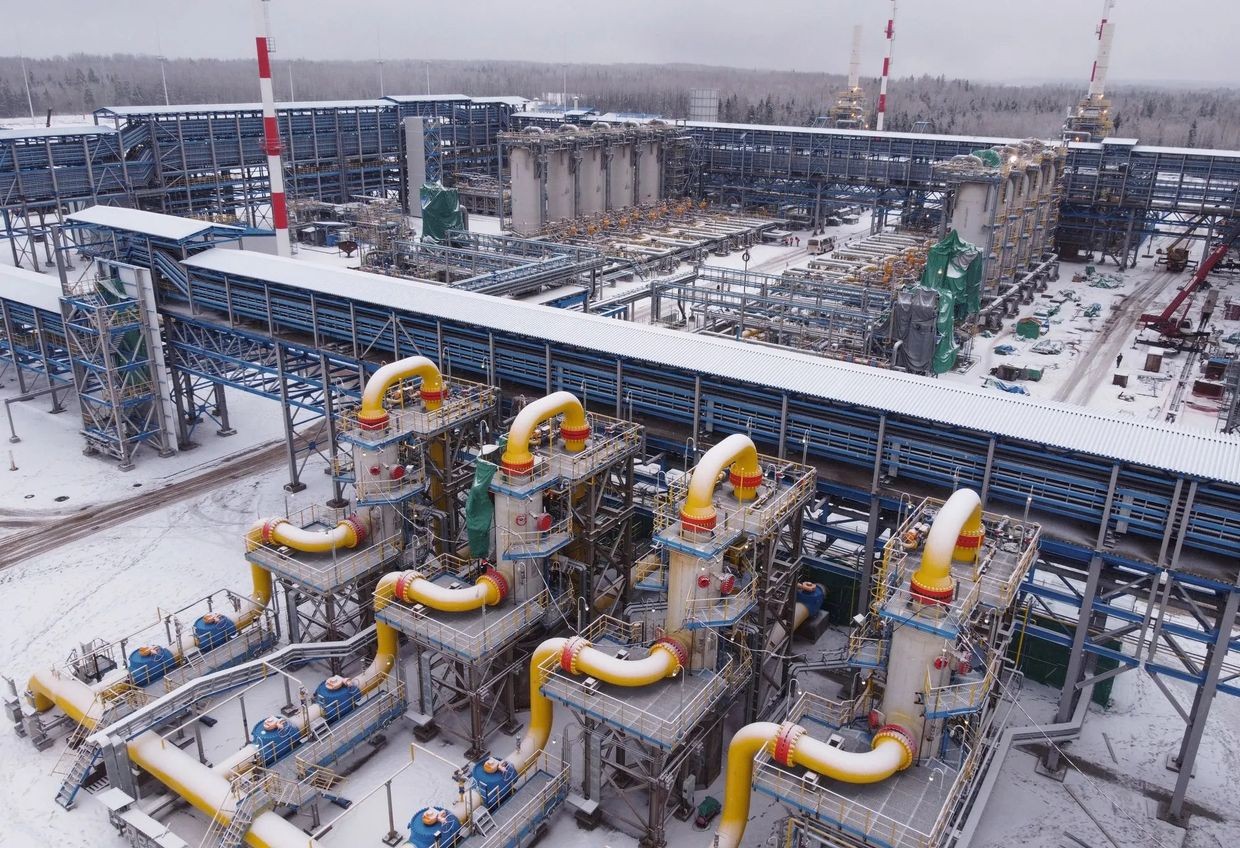
Ukraine's State Security Service (SBU) launched a drone attack on the Kaleykino oil pumping station — a key oil transportation hub — in Russia's Tatarstan overnight on Feb. 23, an agency source told the Kyiv Independent. The station serves the Druzhba pipeline, one of the world's largest crude oil networks, carrying nearly two million barrels per day from Russia through Belarus and Ukraine to Central Europe.
The facility is also a major hub for deliveries to oil refineries in Russia.
Damage from the attack forced Transneft to cut crude oil intake by 250,000 barrels per day and could cause further problems for Russian oil exports, affecting volumes and quality of oil shipped, industry sources told Reuters.
Two 50,000-metric-ton storage tanks caught fire due to the attack, one source said. The full extent of the damage has not yet been determined.
The tanks at the Kaleykino pumping station store and balance oil flows before pumping them further along the pipeline, which supplies refineries in countries including Hungary and Slovakia, the only EU countries still importing Russian crude through the system.
The recent attack comes amid heightened tensions among Ukraine, Slovakia, and Hungary over halted oil flow via the Druzhba pipeline.
The pipeline has been offline since late January following a Russian strike, according to Ukrainian authorities. Hungary and Slovakia have accused Ukraine of delaying repairs and retaliated against Kyiv by blocking the EU's latest round of sanctions against Russia. Budapest also blocked a planned 90 billion euro ($107 billion) EU loan for Kyiv over the pipeline dispute.
Ukraine said it has proposed several "doable solutions" to resolve the conflict with Hungary regarding Russian oil transit.
Kyiv routinely launches drone strikes against oil facilities in Russia, arguing that these sites are legitimate military targets because they finance and fuel Moscow's war against Ukraine. President Volodymyr Zelensky has described drone strikes on Russian energy assets as "the sanctions that work the fastest."
Transneft warned producers in September 2025 that they may have to cut output following a series of Ukrainian drone strikes. The pipeline monopoly handles more than 80% of Russia's crude oil output.