Russia, Trump find common ground in blaming Zelensky for stalled peace talks
 on Google
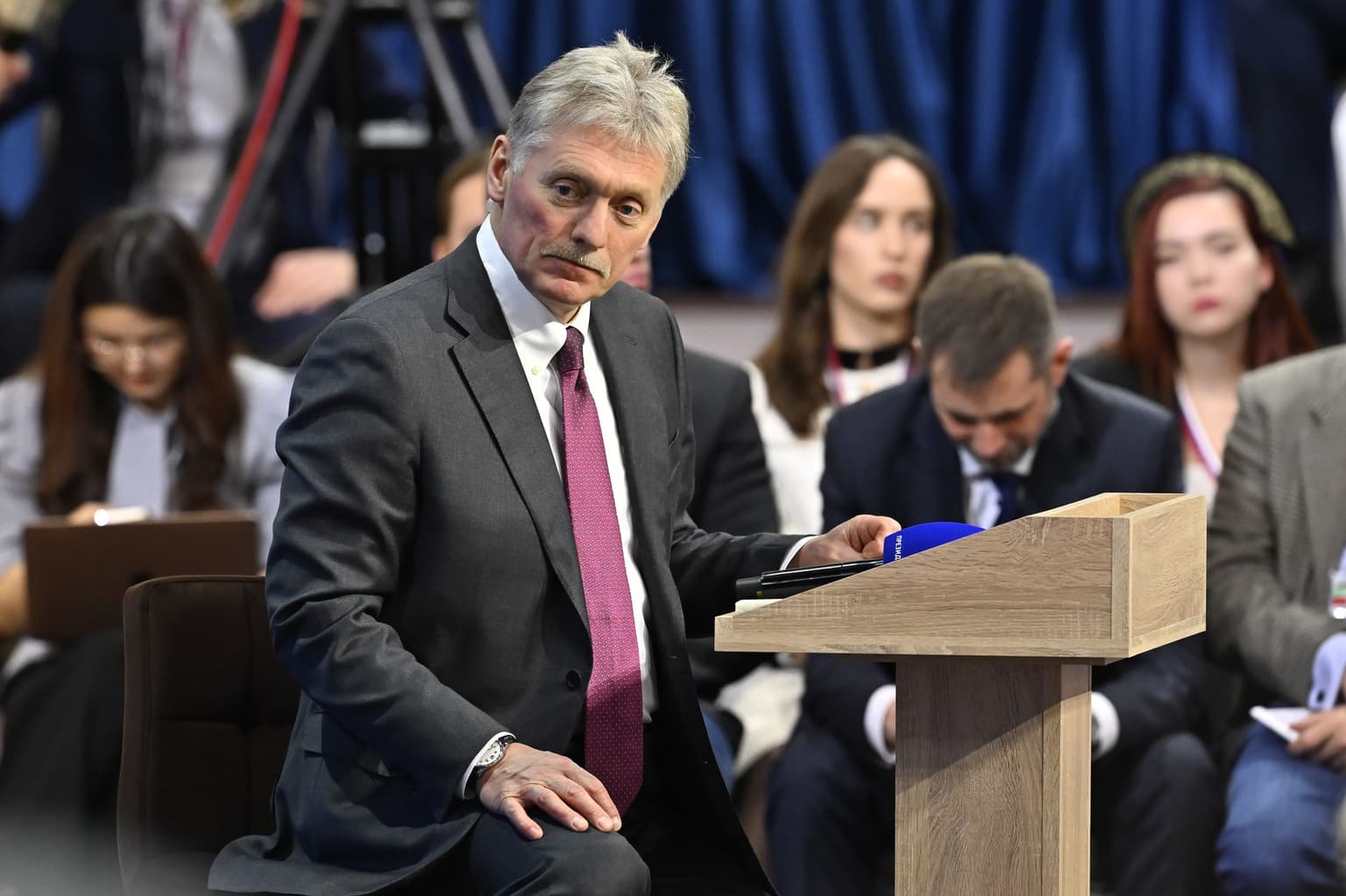
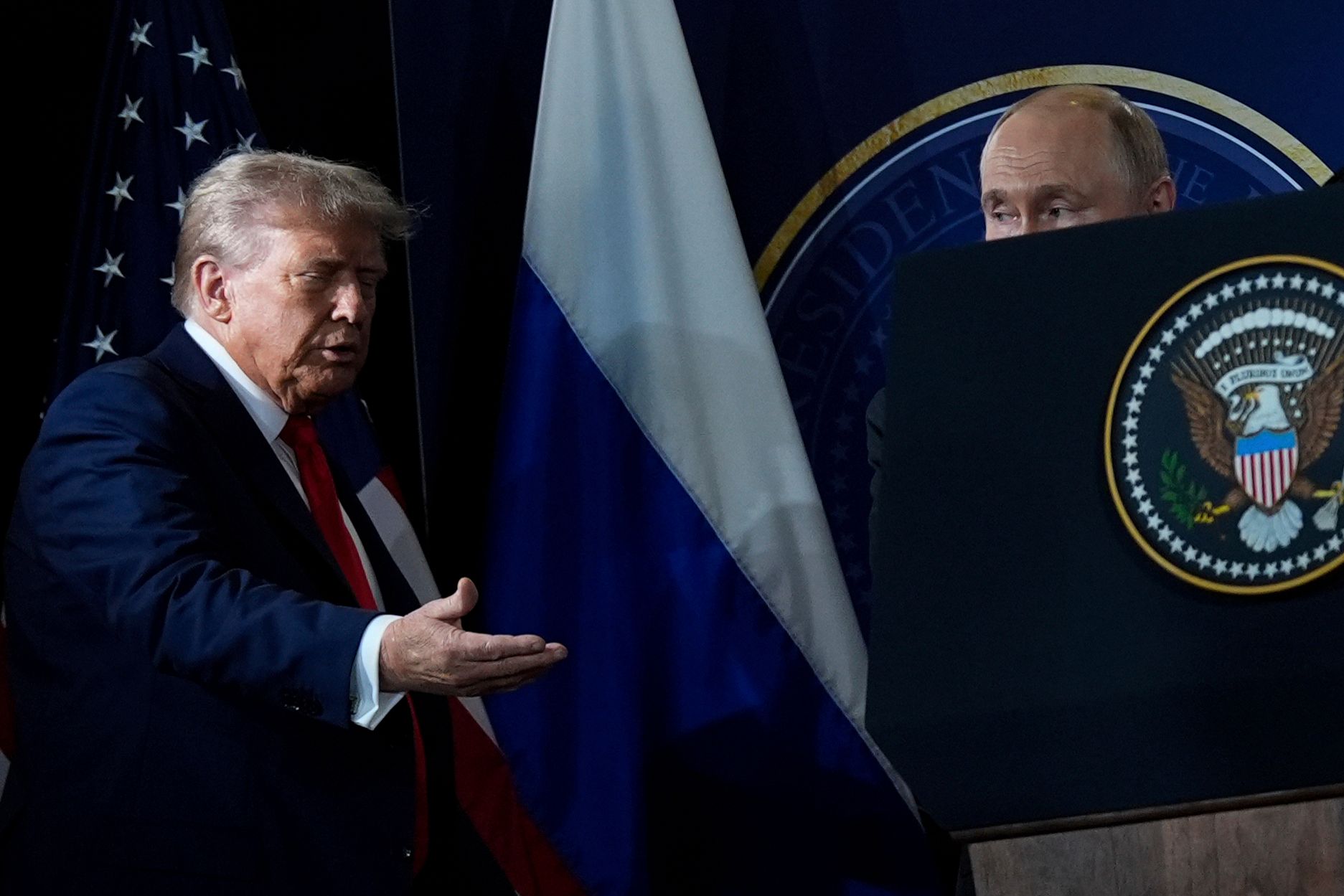
Kremlin spokesperson Dmitry Peskov on March 16 repeated criticism voiced by U.S. President Donald Trump, accusing President Volodymyr Zelensky of obstructing efforts to reach a peace deal to end Russia's war against Ukraine.
The remarks highlight growing pressure from both Moscow and Washington on Kyiv to agree to Russia's maximalist demands, even as Ukrainian officials insist they support a ceasefire and a comprehensive settlement that would not require conceding territory without fighting.
The Kremlin spokesperson told reporters that Trump was urging Zelensky to reach an agreement, claiming that Kyiv had become "the main obstacle" in the negotiation process.
"It follows from (Trump's) statements that it is the Ukrainian side that is the main obstacle," he said.
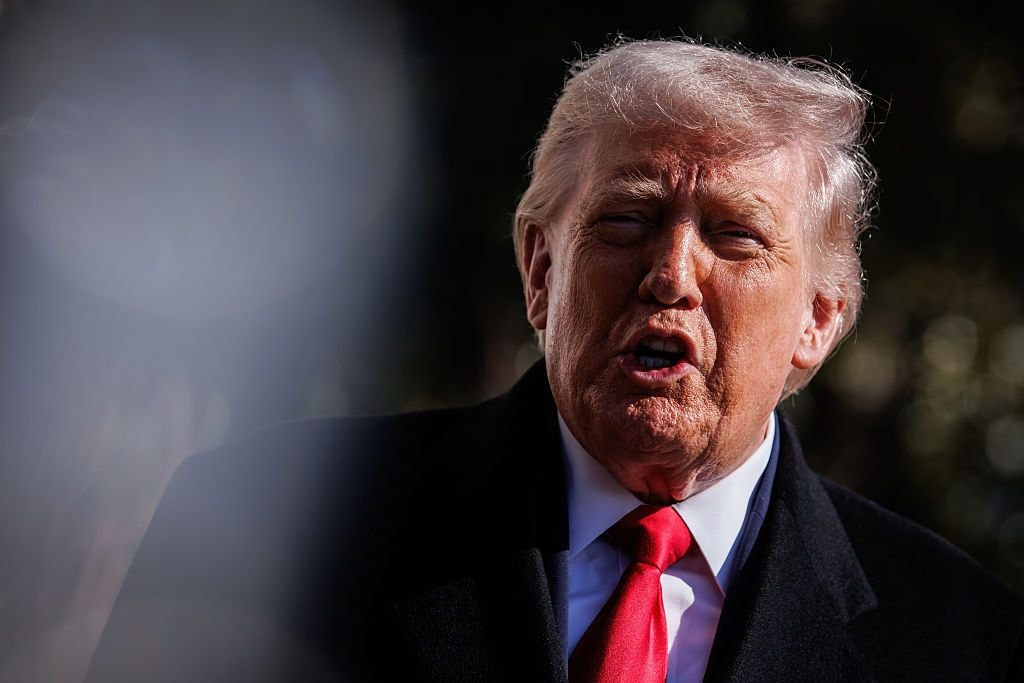
The comments followed Trump's interview with NBC News, in which he expressed surprise that Zelensky "doesn't want" to make a deal and suggested Russian President Vladimir Putin was ready.
"Tell Zelensky to make a deal because Putin's willing to make a deal," he said.
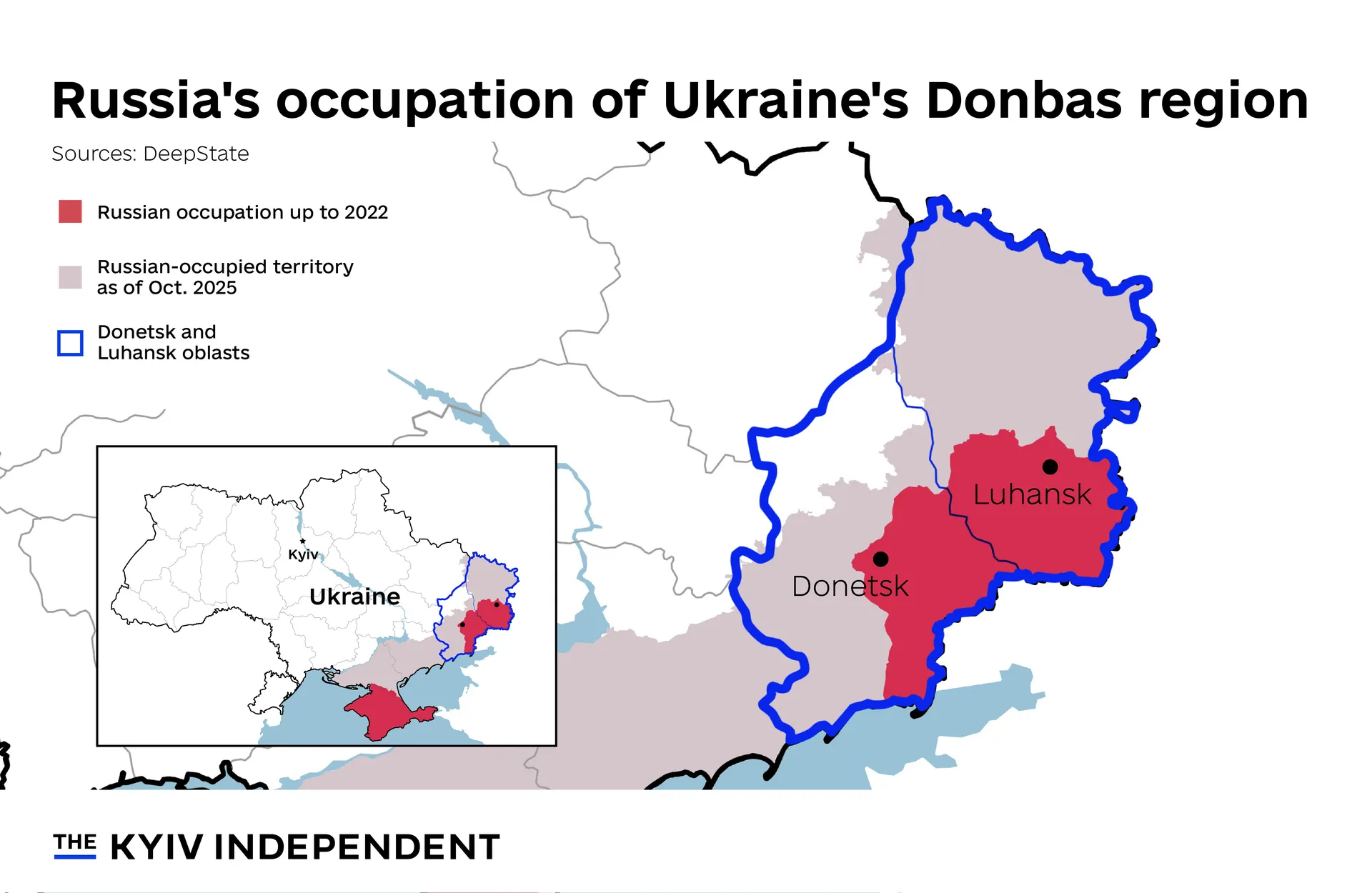
Kyiv has repeatedly rejected Russia's demands that Ukrainian forces withdraw from fortified positions in eastern Ukraine — in Donetsk Oblast — as a precondition for any agreement.
Russia has attempted to seize full control of Donetsk Oblast since the start of its aggression in 2014, but has so far failed to capture the region entirely. Ukrainian officials say Moscow is now trying to use diplomatic pressure to achieve what it has not secured on the battlefield.
Control over the region has become the main sticking point in the peace talks.
The statements come as uncertainty surrounds preparations for another round of trilateral talks between Ukraine, Russia, and the United States. Negotiations have been complicated by escalating tensions in the Middle East following joint U.S.-Israeli strikes on Iranian targets.
Zelensky has suggested that the deteriorating security situation linked to the conflict with Iran has limited the ability of U.S. envoys to travel and sustain diplomatic engagement.
"The war and the security situation don't allow (Trump's envoys) to leave the U.S. now," he said.
The timing and format of the possible new meeting remain unclear. A source familiar with the matter told the Kyiv Independent that it could take place as soon as this week.
Peskov said Russia remained open to continuing the negotiation process and expressed confidence that a new round of talks could take place "in the foreseeable future."
If held, the meeting would mark the fourth set of U.S.-mediated negotiations between Ukraine and Russia since January — and the first conducted during the conflict in the Middle East.