Russia targets Kyiv, Ukrainian cities with ballistic missiles as Moscow stalls on peace talks
 on Google

Editor's Note: This is a developing story and is being updated.
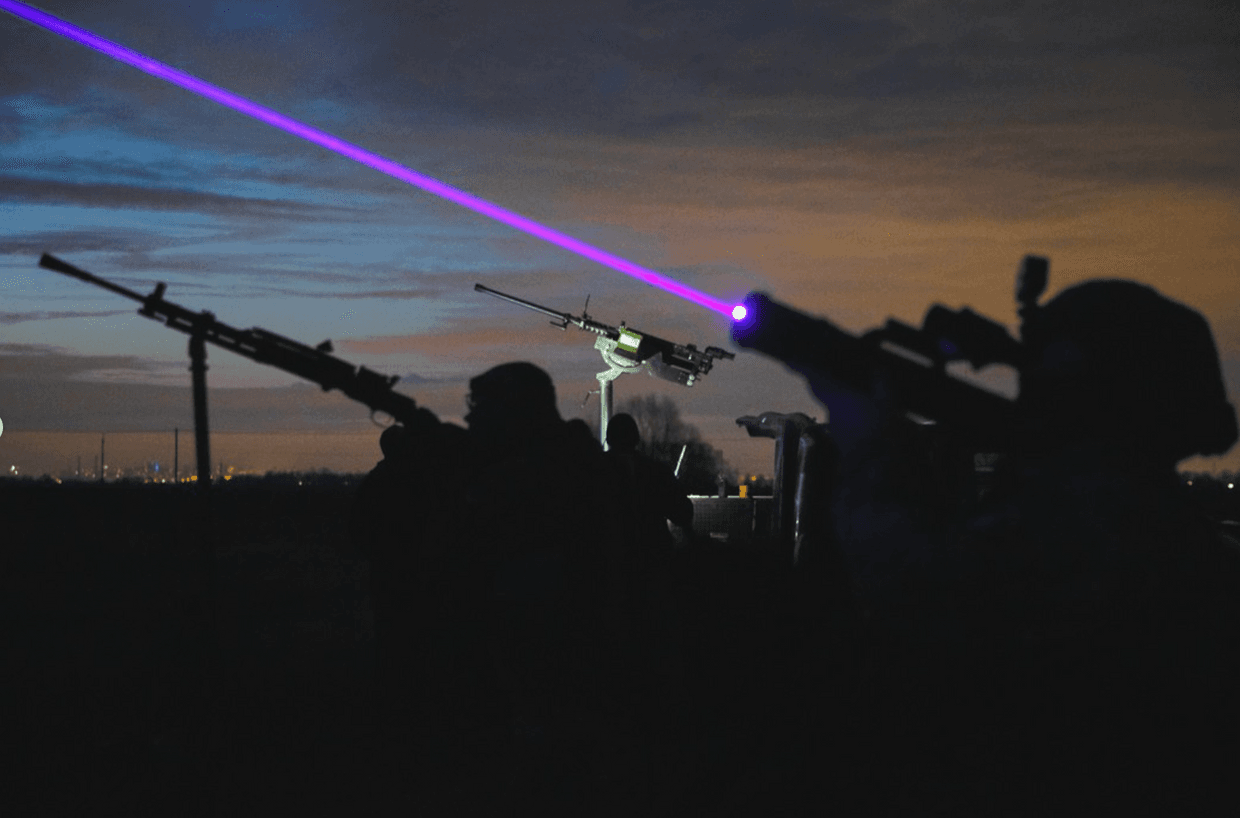
Russia attacked Ukraine with missiles and drones overnight on Feb. 12, focusing on Kyiv, Dnipro, Odesa, and Kharkiv, the Air Force reported on Feb. 12.
The latest missile attack comes as Moscow refuses to commit to another round of peace talks proposed by the United States, according to President Volodymyr Zelensky.
In total, Russia launched 24 Iskander-M/S-300 ballistic missiles, one Kh-59/69 guided air missile, and 219 drones overnight on Feb. 12, the Air Force reported.
Ukrainian air defenses intercepted 213 targets. At least nine missiles and 19 drones made it through, striking 13 locations. Debris from intercepted targets fell in 14 locations.
Zelensky said the main target of the strike was Ukraine’s energy sector, including power generation facilities and substations in Kyiv, Odesa, and Dnipro.
In Kyiv, Mayor Vitali Klitschko reported that two people were injured in the attack and hospitalized.
More than 107,000 Kyiv residents were left without power following strikes on energy facilities, DTEK, Ukraine's biggest private energy firm, reported.
Russian strikes damaged residential buildings in the Dniprovskyi and Darnytskyi districts. A nine-story building was hit, while the facade of a 16-story building was damaged and windows were shattered. Police recovered a jet engine from a downed drone inside a top-floor apartment.
Viacheslav Drozd, a resident of the damaged 16-story building in the Darnytskyi district, said the explosion woke him and his girlfriend in the middle of the night.
"We woke up to a powerful blast that went off above the roof. On the 15th floor, the windows were simply torn open and damaged. My girlfriend and I got away with a severe scare. We were really frightened, especially since there had been ballistic missiles before that," Drozd told the Kyiv Independent.
Residents of the same building said they have not had heating since a Feb. 3 Russian attack damaged the Darnytsia Thermal Power Plant. They say the temperature inside is 6-8 degrees.
The heating crisis deepened after Kyiv's TPP-6 thermal power plant in the Troieshchyna district, which also located on the left bank, shut down again after the strike, Desnianskyi District Administration head Dmytro Bakhmatov said.
"If we don't start thinking about independent heat and power generation now, the Desnianskyi district will freeze," he said, adding that Kyiv's right bank relies on around 130 small boiler houses currently providing heat, while the left bank has no such alternative infrastructure.
In Dnipro, four people were injured, including two children — an infant and a four-year-old girl, according to Suspilne. Around 10 residential buildings reportedly were damaged. Heat supply was cut off for 10,000 subscribers following the attack, Deputy Prime Minister Oleksii Kuleba said.
In Odesa, one man was injured, the Military Administration reported. The attack damaged civilian and critical infrastructure. Russian forces struck a DTEK energy facility. This is the 31st major DTEK substation in the region damaged since the start of the full-scale invasion. The destruction is significant, and repairs will require considerable time.
DTEK also said Russia attacked one of its thermal power plants, significantly damaging equipment. This was the 11th mass attack on the company’s thermal power plants since October 2025.
In Kharkiv, emergency power outage schedules were introduced. In the city’s Saltivka district, a 38-year-old man jumped from a third-floor window to escape a fire in his apartment, according to DTEK. He was hospitalized with injuries. Firefighters extinguished the blaze in about two hours, and the cause is under investigation.
The attack was ongoing as of the morning, with several hostile drones still detected in Ukrainian airspace. The full consequences of the strikes are not yet clear.
Throughout fall and winter, Russia has hammered Kyiv's critical infrastructure, leaving thousands of residents without access to electricity and heating amid freezing temperatures.
A state of emergency was declared in Kyiv on Jan. 14 due to the energy crisis brought on by Russian attacks.


Russia's assault on Ukraine's power grid has targeted not just Kyiv, but the entire country. A mass attack on Feb. 7 damaged facilities servicing Ukraine's nuclear power plants and damaged thermal power plants far from the front lines.
The strike marked Russia's worst attack on Ukraine's nuclear-connected substations throughout the full-scale war, and reduced the volume of electricity generated by the country's nuclear power by around 50%.
The attack also highlighted Moscow's dismissal of a U.S.-proposed energy ceasefire, discussed at the recent peace talks in Abu Dhabi.
"We haven't received any responses from the Russians regarding the energy ceasefire. On the contrary, we've received a response in the form of drone and missile attacks," Zelensky told journalists on Feb. 11.
"We were waiting for a response from the Russians. So far, as I understand it, Russia is hesitating," Zelensky said.
The president also confirmed that the U.S. has proposed another round of peace talks and that Ukraine immediately agreed to participate. Russia, however, has not responded.
"We were waiting for a response from the Russians. So far, as I understand it, Russia is hesitating," Zelensky said.