News Feed

Russia shells 8 communities in Sumy Oblast

1 min read
Russia shells 8 communities in Sumy Oblast
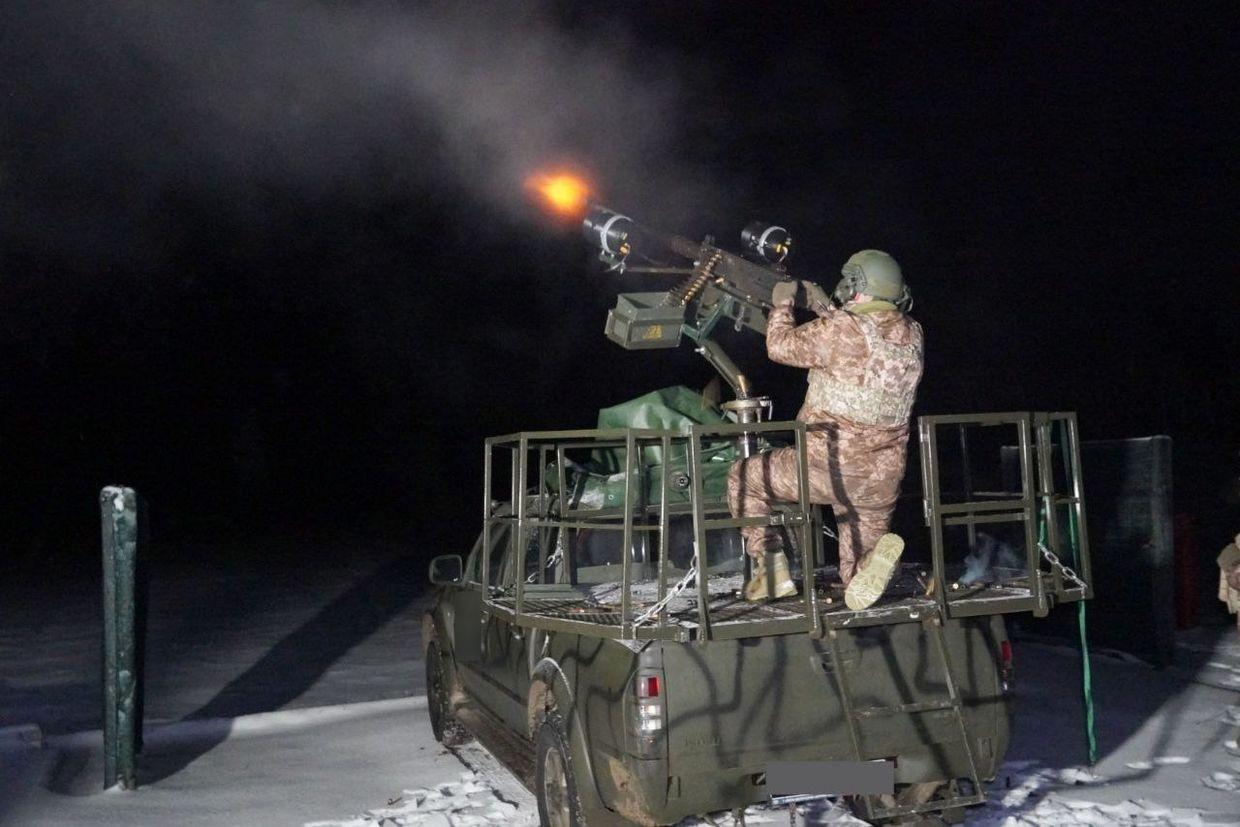
Air defense at work in Ukraine's northeastern Sumy Oblast in the evening of Jan. 17. (Sumy Oblast Military Administration/Telegram)

Russian forces shelled Sumy Oblast 24 times, firing at eight communities along the border on Jan. 21, the Sumy Oblast Military Administration reported.

The Russian military fired on the communities of Khotin, Yunakivka, Bilopillia, Krasnopillia, Velyka Pysarivka, Esman, Shalyhyne, and Svesa. Throughout the day, Russia assailed the border communities with mortar, artillery, drone, and grenade launcher attacks, while dropping mines onto two settlements. In total 96 explosions were recorded.

No casualties or damage to civilian infrastructure were reported.

The town of Bilopillia, with a pre-war population of about 16,000 residents, experienced the most intense attacks with 26 explosions recorded in the area. The community is located just eight kilometers south and 25 kilometers west of the Ukraine-Russia border.

Shelling is a daily occurrence for the communities near Ukraine's northeastern border with Russia. Residents in the region's vulnerable border settlements experience multiple attacks per day.


Avatar
Dmytro Basmat

Senior News Editor

Dmytro Basmat is a senior news editor for The Kyiv Independent. He previously worked in Canadian politics as a communications lead and spokesperson for a national political party, and as a communications assistant for a Canadian Member of Parliament. Basmat has a Master's degree in Political Management from Carleton University in Ottawa, Canada, and a Bachelor of Arts in Politics and Governance from Toronto Metropolitan University.

Read more
News Feed

Russian President Vladimir Putin and U.S. President Donald Trump spoke by phone on March 9, according to Kremlin aide Yuri Ushakov. During the call, Putin reportedly presented proposals aimed at resolving the war in Iran.

The spring in Ukraine has arrived, but thick layers of ice left over from the brutally cold winter will delay the start of the sowing season by two to four weeks, burdening struggling farmers with extra work amid wartime challenges.

Show More