Russia moves to curb Chinese car imports with higher fees, tighter regulations
 on Google
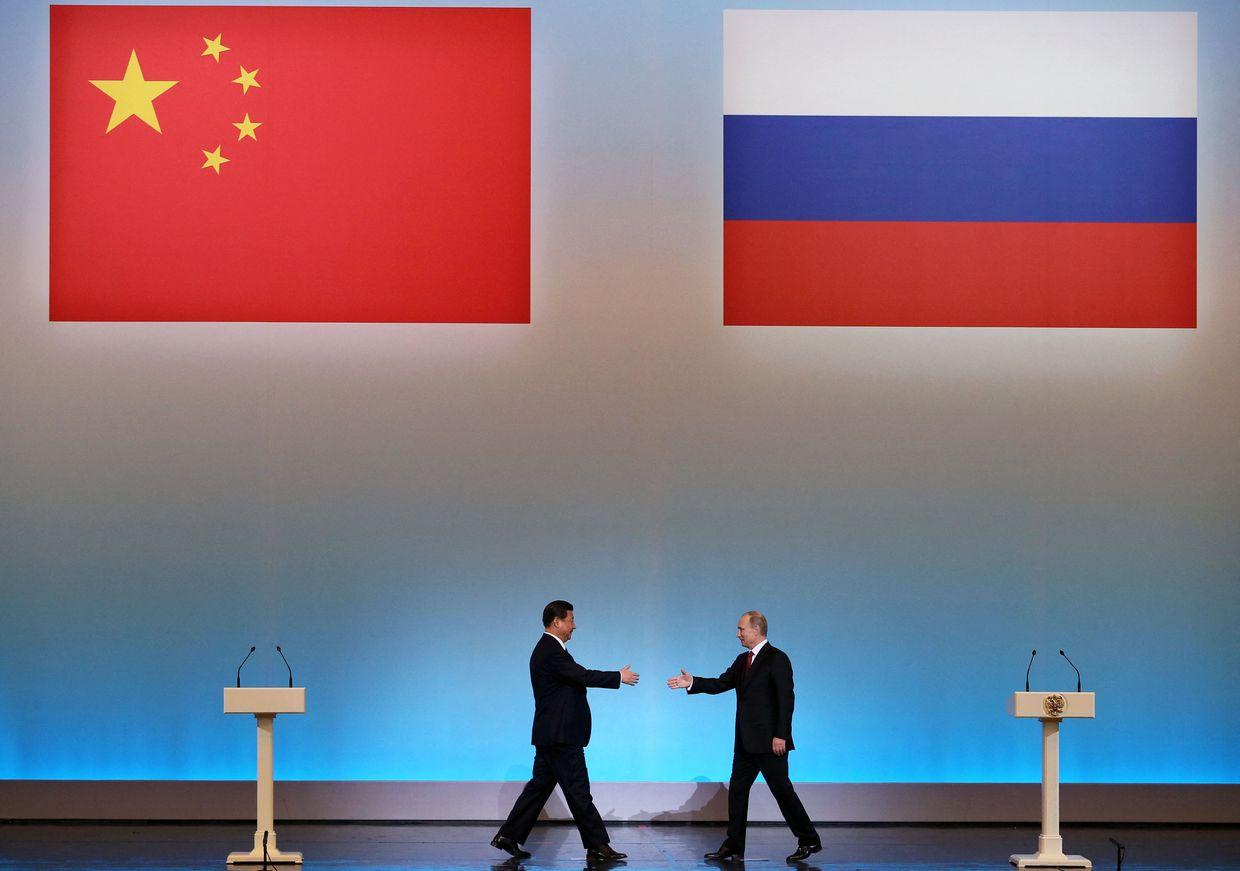
Russia is moving to curb the flow of Chinese car imports, a decision that could deal a blow to Chinese manufacturers and traders who have increasingly relied on the Russian market, the Financial Times reported on March 10.
China has remained a key economic partner for Russia throughout the full-scale invasion of Ukraine, supplying Moscow with critical dual-use goods and helping to keep its economy afloat amind Western sanctions.
Chinese car exports to Russia surged sevenfold in 2023 compared to 2022, as Western sanctions over Moscow’s war against Ukraine cut Russia off from brands like Volkswagen, Toyota, and BMW.
Automakers in China, facing anti-dumping measures in the U.S., EU, Canada, Turkey, and Brazil, found a lucrative market in Russia, the Financial Times wrote. Chinese brands now account for 63% of the market, while domestic Russian brands have fallen to 29%.
In response, Russian authorities have introduced measures to slow the influx. In January, Moscow raised the "recycling fees" for most passenger cars to $7,500, more than doubling the rate set last September.
The fees will continue rising by 10-20% annually until 2030. Russian regulators have also blocked the sale of a Chinese truck model over alleged safety violations and warned that more compliance checks may follow.
The move comes amid an expected decline in new car sales in Russia, with projections of a 30% drop in 2025 if high interest rates persist, according to Avtovaz CEO Maxim Sokolov. The state-owned Avtovaz is Russia's largest carmaker, known for its flagship Lada vehicle series.
The Russian Central Bank raised its key interest rate to 21% in October 2024 to curb inflation from wartime spending.
Despite its growing economic ties with Russia, Beijing insists it remains neutral in Moscow's war against Ukraine and has even sought to position itself as a mediator.