Russia claims US 'ignored' offers to extend nuclear arms control agreement as key treaty set to expire
 on Google
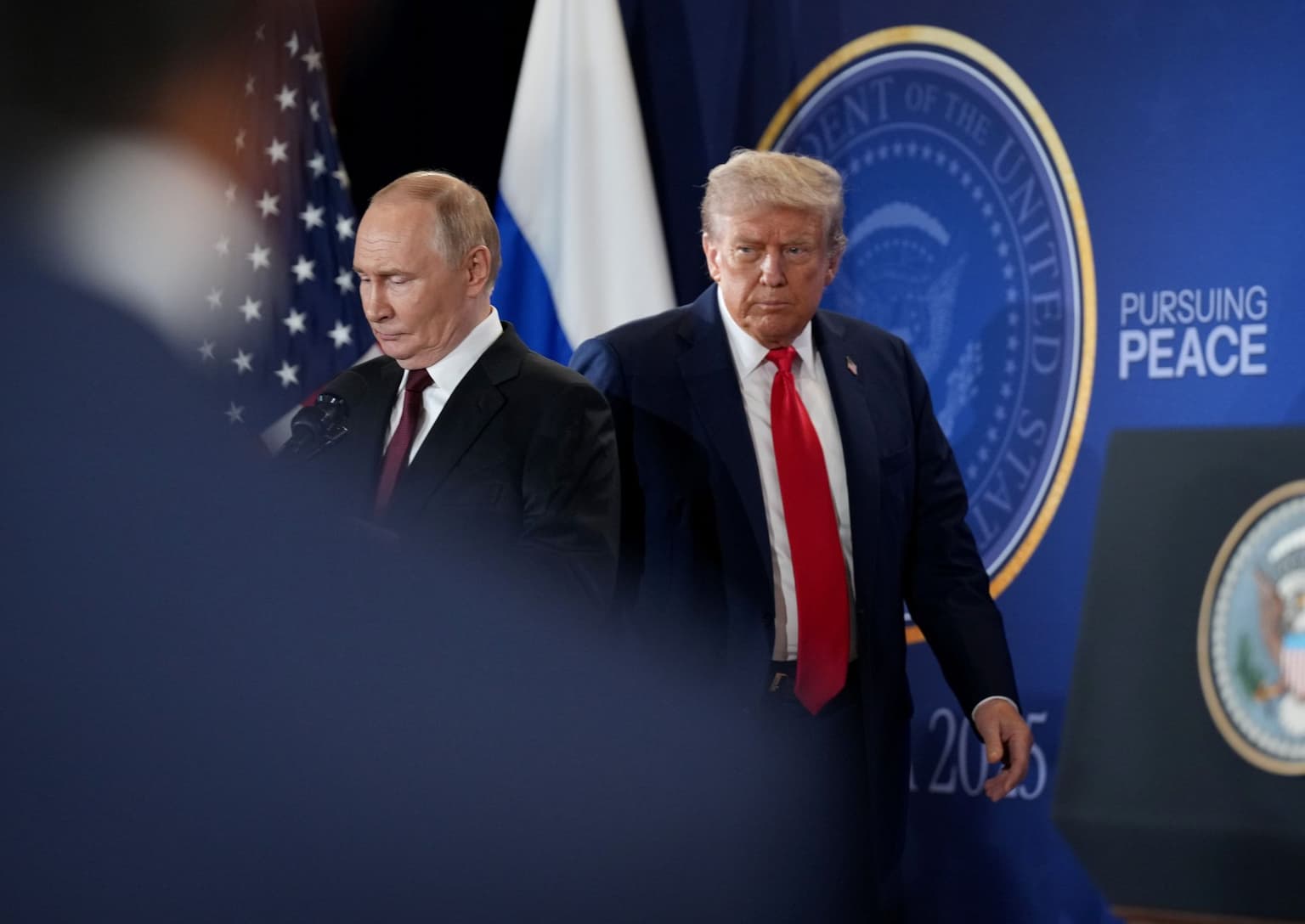
The Russian Foreign Ministry claimed on Feb. 4 that the United States has "ignored" its proposal to extend the New START nuclear arms control agreement by another 12 months, calling Washington's response "regrettable."
The New START Treaty, signed by Russia and the U.S. in 2010 and set to expire on Feb. 5, 2026, places mutual limits on strategic nuclear warheads and launchers. Russian President Vladimir Putin in September 2025 proposed that both Moscow and Washington agree to uphold the treaty's limits for another year.
In a statement published Feb. 4, the eve of the treaty's expiration, the Russian Foreign Ministry criticized the U.S. for not responding to Putin's offer.
"Essentially, our ideas are being deliberately ignored. This (U.S.) approach appears mistaken and regrettable," the ministry said.
The statement said Russia will act "responsibly and prudently" but "remains prepared to take decisive military-technical countermeasures to mitigate potential additional threats to national security."
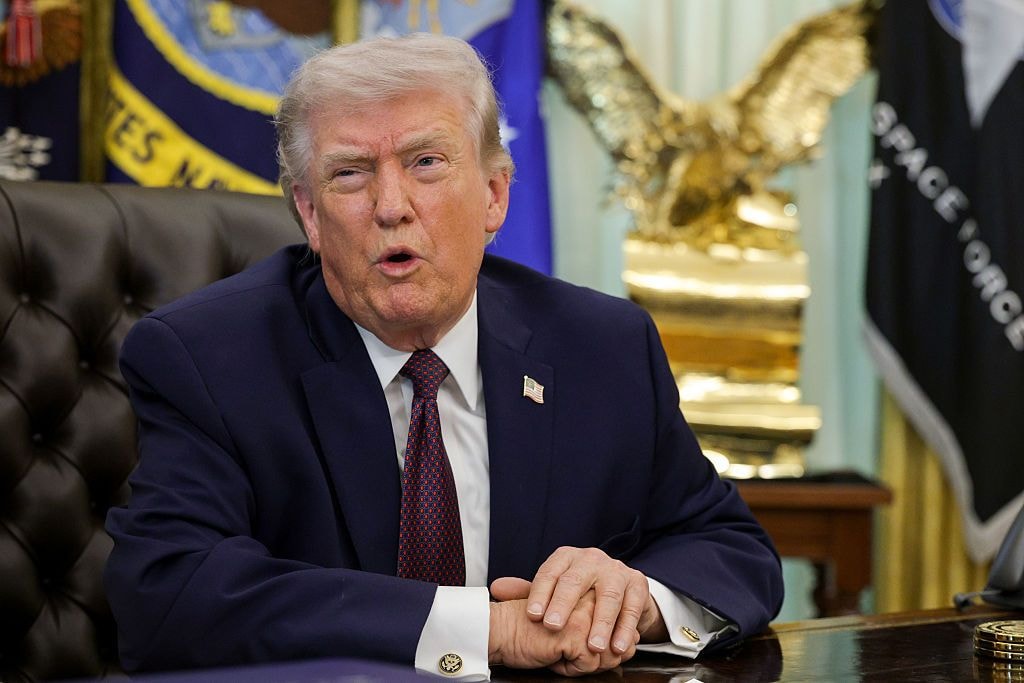
U.S. President Donald Trump has not yet made any announcements regarding the imminent expiration of New START. A White House official told the Kyiv Independent on Feb. 4 that Trump "will decide the path forward on nuclear arms control, which he will clarify on his own timeline."
Trump has "indicated that he would like to keep limits on nuclear weapons and involve China in arms control talks," the official said.


Speaking at a press briefing earlier in the day, U.S. Secretary of State Marco Rubio said Trump would comment on the New START treaty "later" and emphasized the importance of involving China in arms control discussions.
"Obviously, the president's been clear in the past that in order to have true arms control in the 21st century, it's impossible to do something that doesn't include China because of their vast and rapidly growing stockpile," Rubio said.
Russia currently possesses the largest nuclear arsenal in the world. According to estimates from the Stockholm International Peace Research Institute (SIPRI), in 2024, the United States has 3,708 nuclear warheads, while Russia has 4,380, excluding retired weapons. China, meanwhile, has doubled the size of its nuclear arsenal from 300 to 600 over the past five years, SIPRI reports.
According to the Arms Control Association, a U.S.-based nonprofit, Russia and the U.S. each have fewer than 800 strategic launchers, while China maintains an estimated 550.
Daryl G. Kimball, executive director of the Arms Control Association, urged the Trump administration to issue a clearer response to the expiration of New START and to agree to maintain the quantitative limits outlined in the treaty.
"If the Trump administration continues to stiff-arm nuclear arms control diplomacy with Russia and decides to increase the number of nuclear weapons in the U.S. deployed strategic arsenal, it will only lead Russia to follow suit and encourage China to accelerate its ongoing strategic buildup," Kimball said in a statement.
John Erath, Senior Policy Director at the Center for Arms Control and Non-Proliferation, said that the end of the New START treaty does not necessarily spell the end of arms control — but cautioned that the agreement's lapse could trigger a new global arms race.
"Now, both Russia and the U.S. have no legal obstacle to building their arsenals back up, and we could find ourselves reliving the Cold War," Erath said in statement Feb. 4.
"The good news is, the end of New START does not have to mean the end of nuclear arms control. While New START can't be extended beyond today, Presidents Donald Trump and Vladimir Putin could decide to respect the numerical limits the treaty set on nuclear arsenals."
Since launching the full-scale invasion of Ukraine in 2022, Russia has repeatedly issued nuclear threats against both Ukraine and its Western partners. Satellite imagery published in 2025 showed that Russia has expanded and modernized at least five nuclear-related facilities near European borders in recent years.