News Feed

Russia begins dismantling Ukrainian Orthodox church in occupied Crimea

2 min read
Russia begins dismantling Ukrainian Orthodox church in occupied Crimea
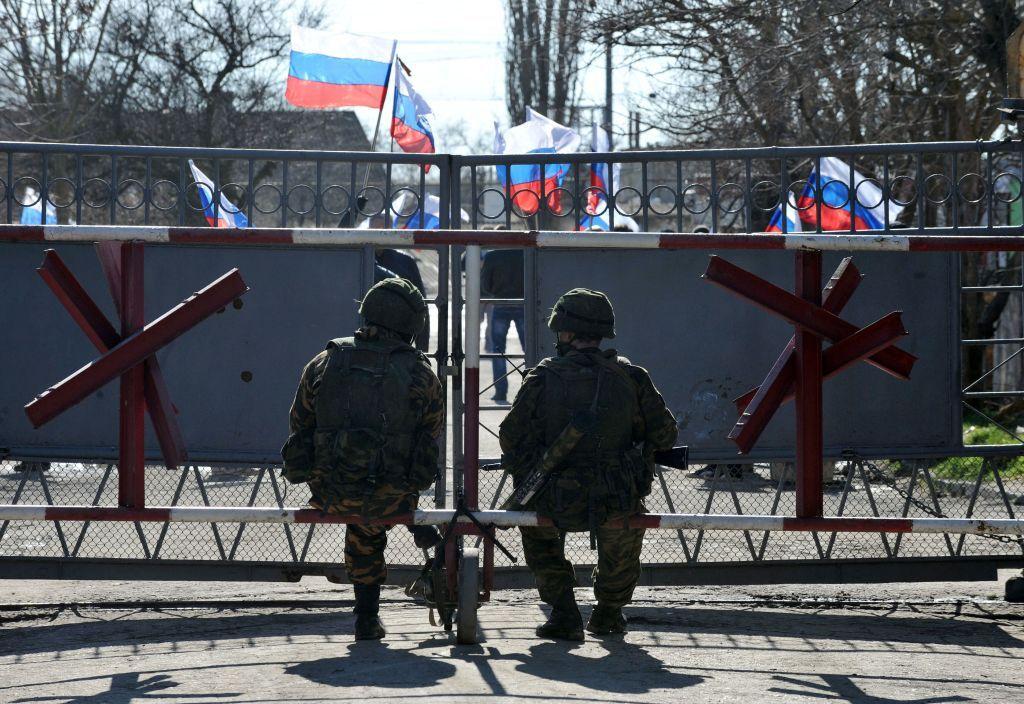
Russian forces guard in the Ukrainian anti-aircraft unit in the western Crimean city of Yevpatoria on March 5, 2014. Photo for illustrative purposes. (Genya Savilov/AFP via Getty Images)

Russian officials in the occupied Crimean city of Yevpatoria began dismantling a church belonging to the Orthodox Church of Ukraine (OCU), the Voice of Crimea media outlet reported on July 22.

The autocephalous OCU is not to be confused with the Ukrainian Orthodox Church of the Moscow Patriarchate (UOC-MP), which has been accused of ties with Russia.

Under Russian occupation, religious groups that do not conform to Russia's brand of Orthodoxy have been subject to repression, including the destruction of religious sites and persecution of religious leaders.

The church in Yevpatoria has faced legal challenges from occupying officials for years and was finally ordered to be demolished earlier in July. The Voice of Crimea said that the demolition of the church had officially begun on July 21, and shared pictures of the dome and other parts of the building being removed.

Former Deputy Prosecutor General Gyunduz Mamedov said, citing Metropolitan Klyment of the OCU Diocese in Crimea, that it was the last remaining OCU church in the occupied peninsula.

According to the State Agency of Ukraine for Ethno-Politics and Freedom of Conscience (DESS), the OCU has effectively ceased to exist in Crimea while its priests were forced to leave the occupied peninsula.

The Russian Orthodox Church (ROC) has absorbed many churches belonging either to the OCU or UOC-MP in parts of occupied Ukraine.

Russia's persecution of religious groups in Crimea and other occupied areas has also extended to Muslims, Catholics, Mormons, Evangelicals, and others.
Sign up for our newsletter
WTF is wrong with Russia?
Avatar
Nate Ostiller

News Editor

Nate Ostiller is a former News Editor at the Kyiv Independent. He works on special projects as a researcher and writer for The Red Line Podcast, covering Eastern Europe and Eurasia, and focused primarily on digital misinformation, memory politics, and ethnic conflict. Nate has a Master’s degree in Russian and Eurasian Studies from the University of Glasgow, and spent two years studying abroad at Kyiv-Mohyla Academy in Ukraine. Originally from the USA, he is currently based in Tbilisi, Georgia.

Read more
News Feed

During a meeting with Energy Minister Denys Shmyhal on July 12, President Volodymyr Zelensky stressed the need to take additional "more decisive" steps to protect Ukraine's energy infrastructure and emphasized the importance of robust winter preparedness plans for communities and regions.

 (Updated:  )

Yulia Svyrydenko, who replaced former Prime Minister Denys Shmyhal in July 2025, will now take on a new role leading cooperation with Ukraine’s key partners, Zelensky announced on social media.

Video

Once promoted by the Kremlin as a symbol of Russia’s resurgence and a premier tourist destination, the peninsula now faces mounting pressure from Ukrainian drone strikes targeting military infrastructure, logistics, and supply routes.

President Volodymyr Zelensky said on July 11 that he is preparing changes to Ukraine’s “diplomatic efforts” to accelerate weapons deliveries from allies, as Ukraine's stockpile of Patriot air defense missiles has run dry.

Show More