Polish Foreign Ministry suggests Hungary leave EU, NATO after Orban's controversial statements
 on Google
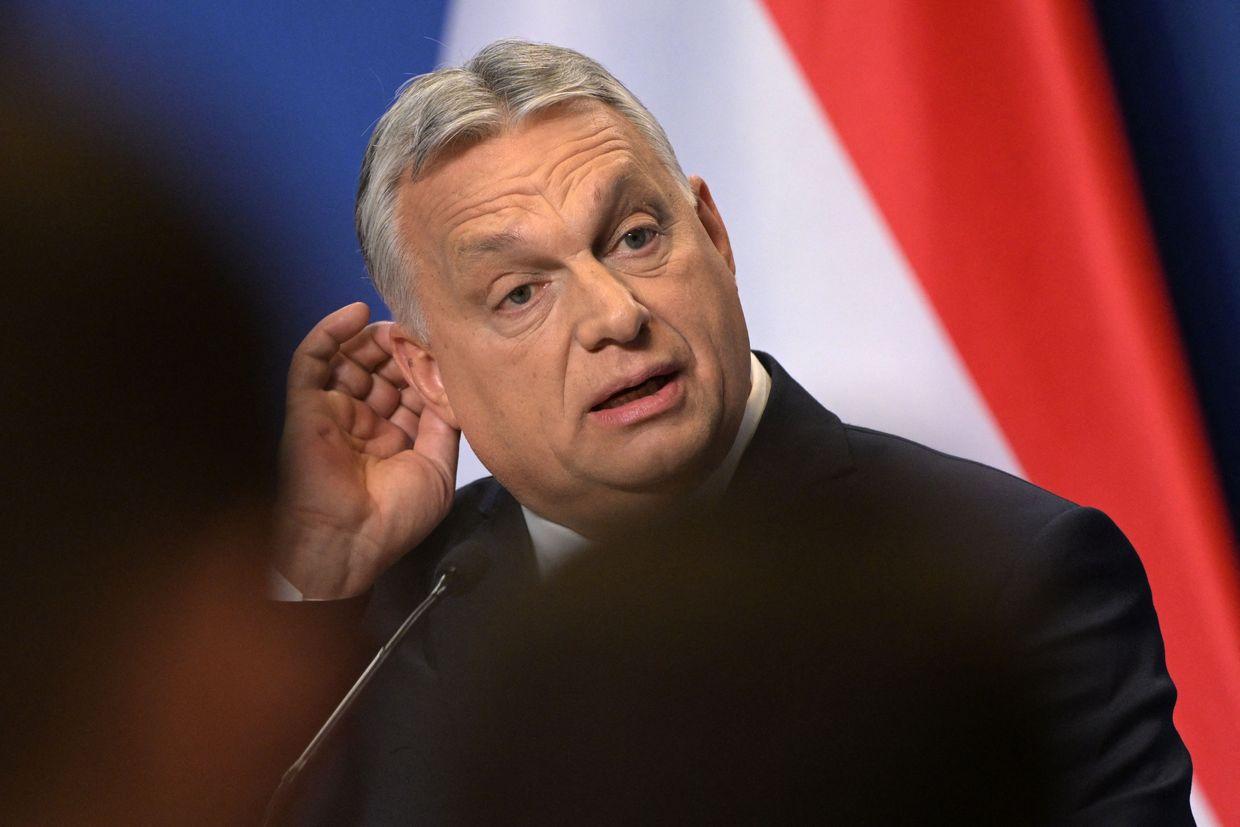
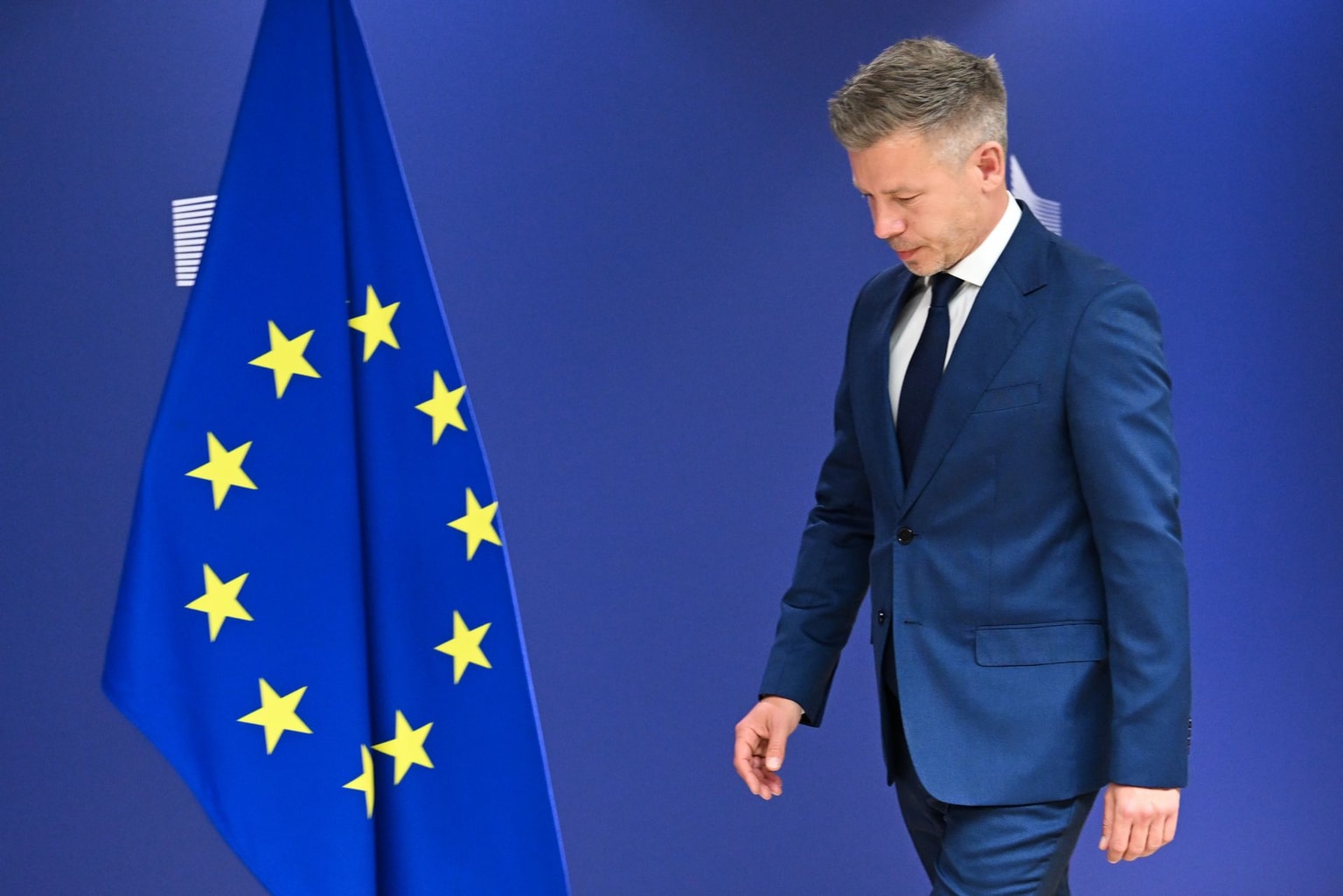
Polish Deputy Foreign Minister Wladyslaw Teofil Bartoszewski expressed doubt about Hungary's membership in the EU and NATO after controversial remarks by Hungarian Prime Minister Viktor Orban's about Poland, the Polish Press Agency (PAP) reported on July 28.
Giving a speech at the Tuscanos Summer University on July 27, Orban had criticized Poland's "hypocrisy," as well as what he called the misguided policies of the EU and the West.
Orban also accused Poland of changing the balance of power in Europe by weakening the Berlin-Paris axis in favor of a new configuration: London, Warsaw, Kyiv, the Baltic States, and Scandinavia.
"We do not do business with Russia, unlike Prime Minister Orban, who is on the margins of international society, in the EU and NATO," Bartoszewski said, adding that the U.S. ambassador to Budapest commented very negatively on Orban's speech.
Bartoszewski described Orban's speech as "an attack on Poland, the U.S., the EU, and NATO."
"I do not understand why Hungary wants to remain a member of organizations that they dislike so much and that supposedly mistreat them. Why does he (Orban) not form a union with (Vladimir) Putin and with some authoritarian states of this type?" Bartoszewski said.
"It is the principle that if you do not want to be a member of some club, you can always withdraw. Certainly, this is an anti-EU, anti-Ukrainian, anti-Polish policy at the moment."
The deputy minister also brought up that Budapest is currently blocking 2 billion zlotys ($509 million) owed to Poland from the EU for reimbursement for the military equipment Poland has given to Ukraine.
Budapest is often seen a key ally of Russia in the EU. Orban has repeatedly blocked aid to Ukraine, pushed for negotiations, and frequently spouted Kremlin talking points.
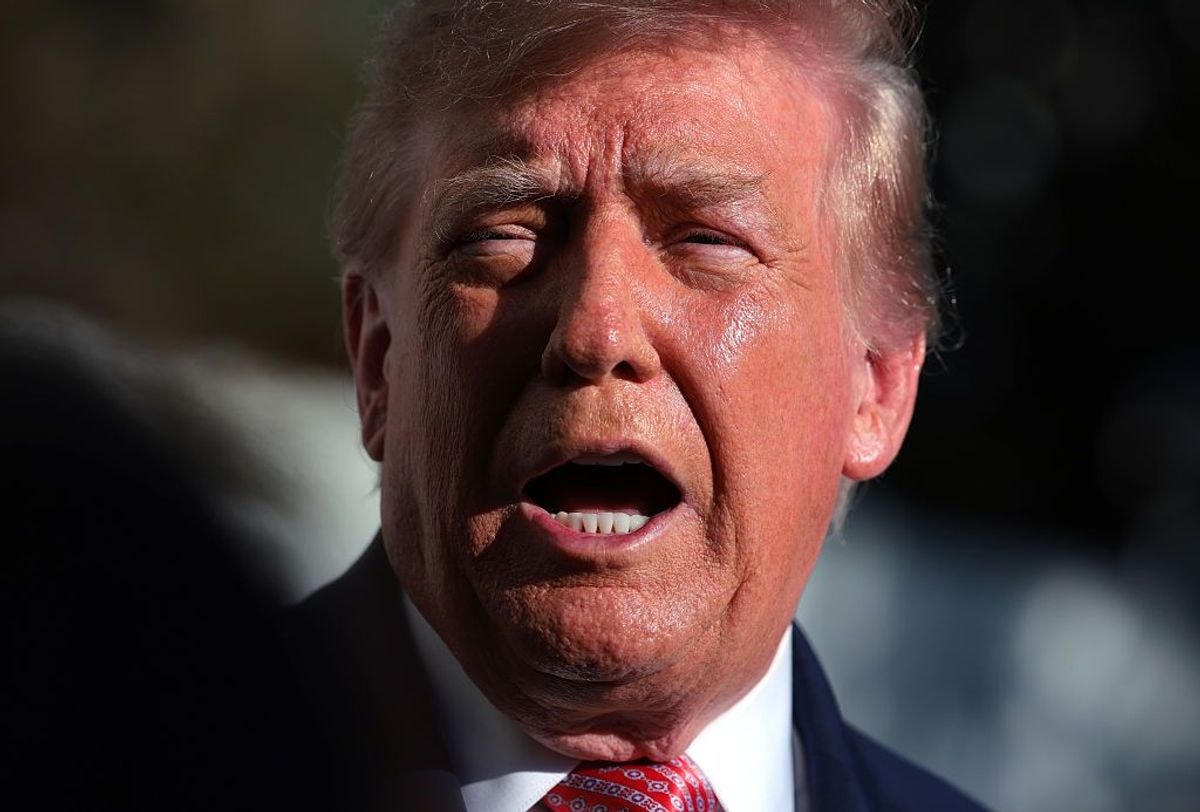
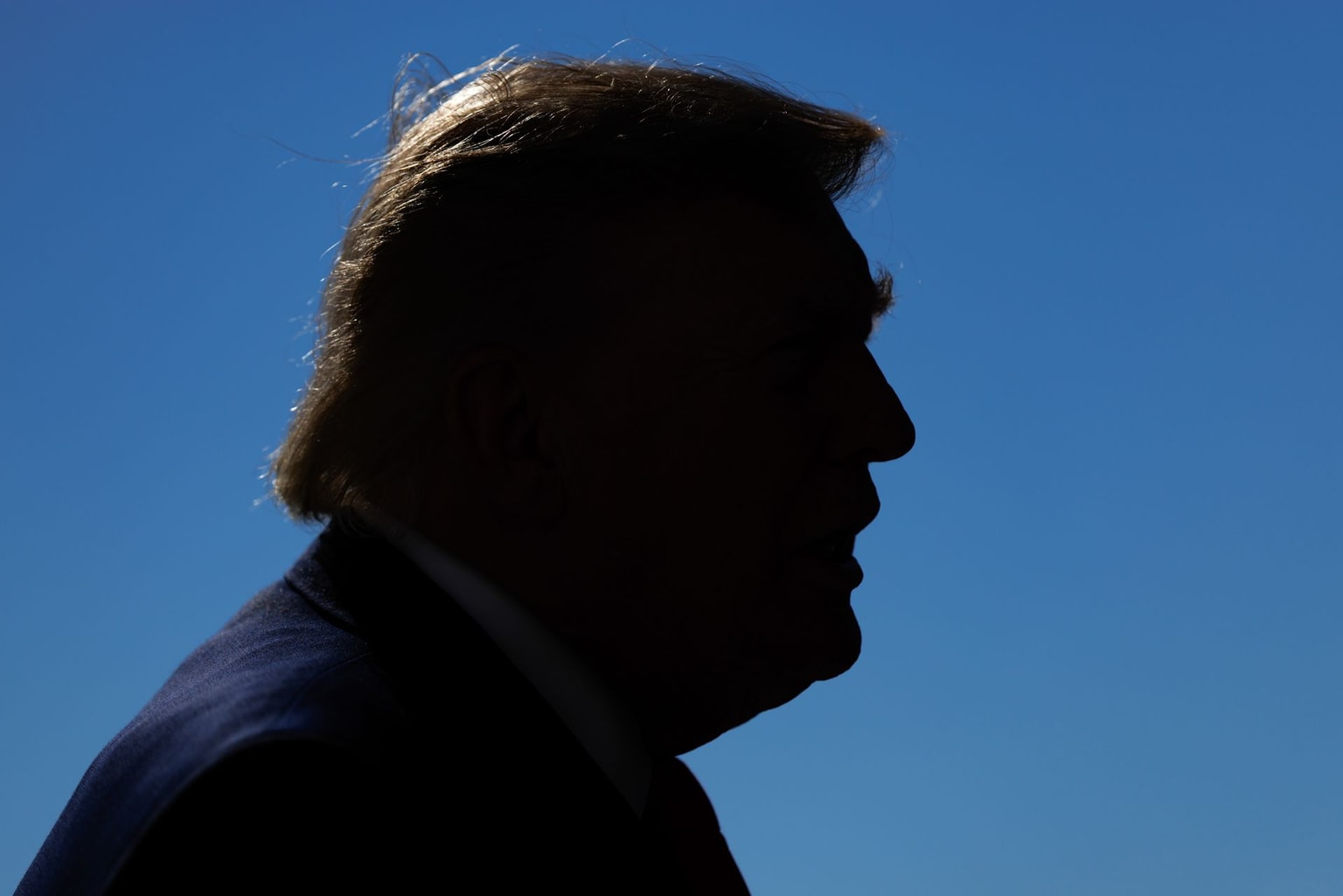
Since taking the presidency of the European Commission, Orban has amped up attempts to stand as a negotiator between Moscow and Kyiv. In July, he embarked on a “peace tour” and met with Russian dictator Putin, Chinese leader Xi Jinping, and Republican presidential nominee Donald Trump.
During his speech, Orban claimed peace can "only be brought from the outside." He said that both Ukraine and Russia believe they can win and are unwilling to negotiate.
Orban's visits sparked criticism from the EU and President Volodymyr Zelensky. The latter said that NATO and the EU can resolve the war without Orban.