In rare criticism, former Russian commander says Moscow was 'unprepared' for invasion of Ukraine
 on Google
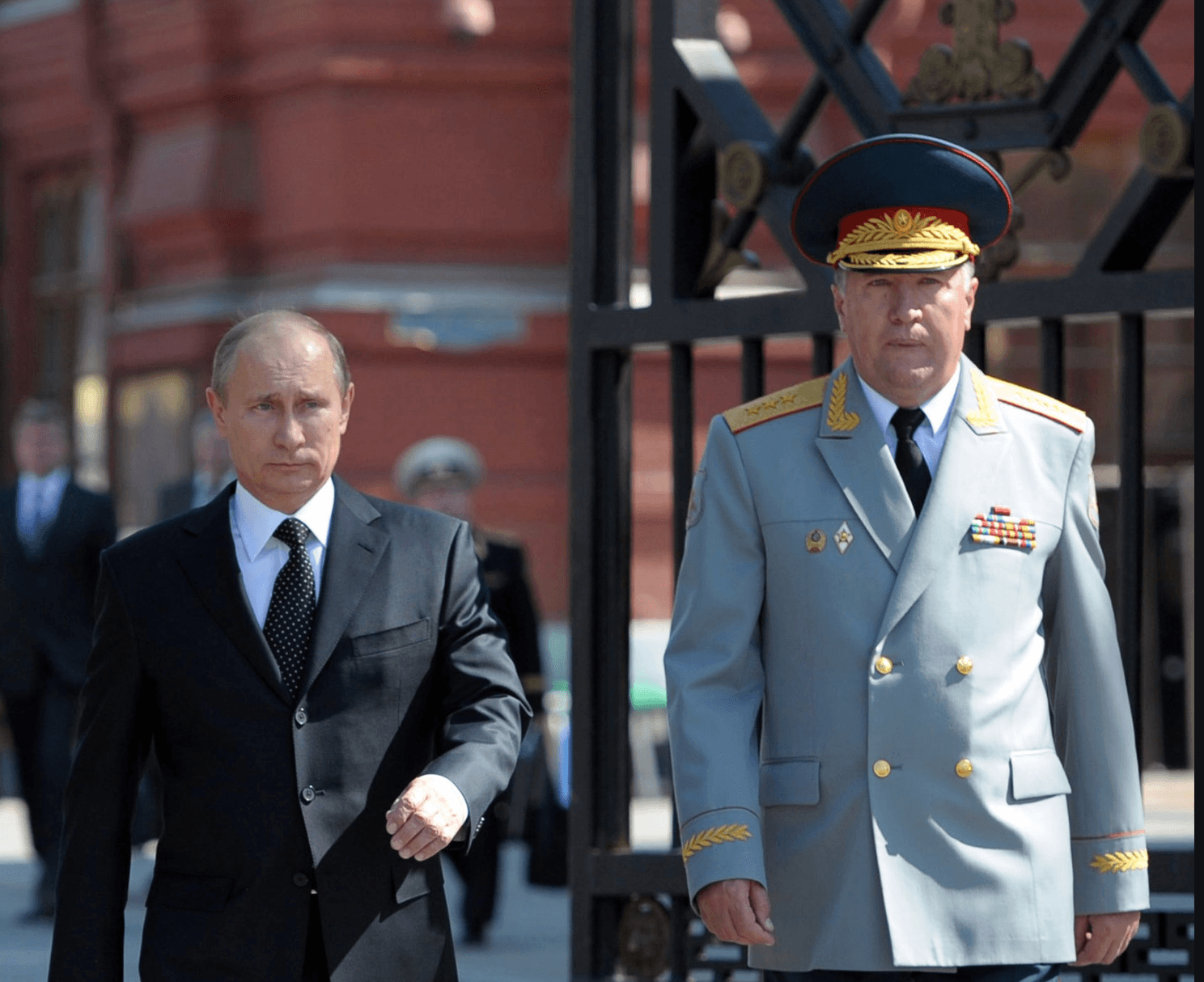
The former commander of the Russian Ground Forces, Vladimir Chirkin, has criticized Moscow's full-scale invasion of Ukraine, saying that Russia was "once again" not ready for the war.
"Moreover, we had the traditional underestimation of the opponent and overestimation of our own military," Chirkin said in an interview with Russian outlet RBС on Nov. 27.
He referred to Russia's reported plan to "seize Kyiv in three days," saying that Russia had "Tbilisi Syndrome," and memories of the events of the five-day war with Georgia in 2008, but in Ukraine's case it "did not turn out that way."
"During the first few weeks, we were taught a serious harsh lesson, and the former defense minister tried to find a face-saving exit from the situation, calling what was happening a 'gesture of goodwill'," Chirkin said.
He blamed "the entire Russian intelligence community" for the withdrawal from Kyiv Oblast, saying that the country's leadership was given false information that "70% of the Ukrainian population is with us and 30% is against us."
Ukrainian political journalist and blogger Denys Kazansky said on Dec. 2 that such statements have never been made at such a high level before.
"Chirkin, effectively acknowledged the failure of the special military operation and stated that Putin had entered the war unprepared because he had misjudged the situation, which resulted in heavy losses," Kazansky wrote on X.
In Russia, publicly criticizing the war can lead to criminal charges with prison sentences ranging from several years up to 15 years.
Since 2022, Russian authorities have intensified efforts to silence critics, designating dozens of independent media outlets and activist groups as "foreign agents" and "undesirable organizations," effectively banning their activities and criminalizing cooperation with them.
Amnesty International reported that more than 21,000 people were penalized in Russia in 2022 alone for criticizing the war or disseminating information deemed false by the state.