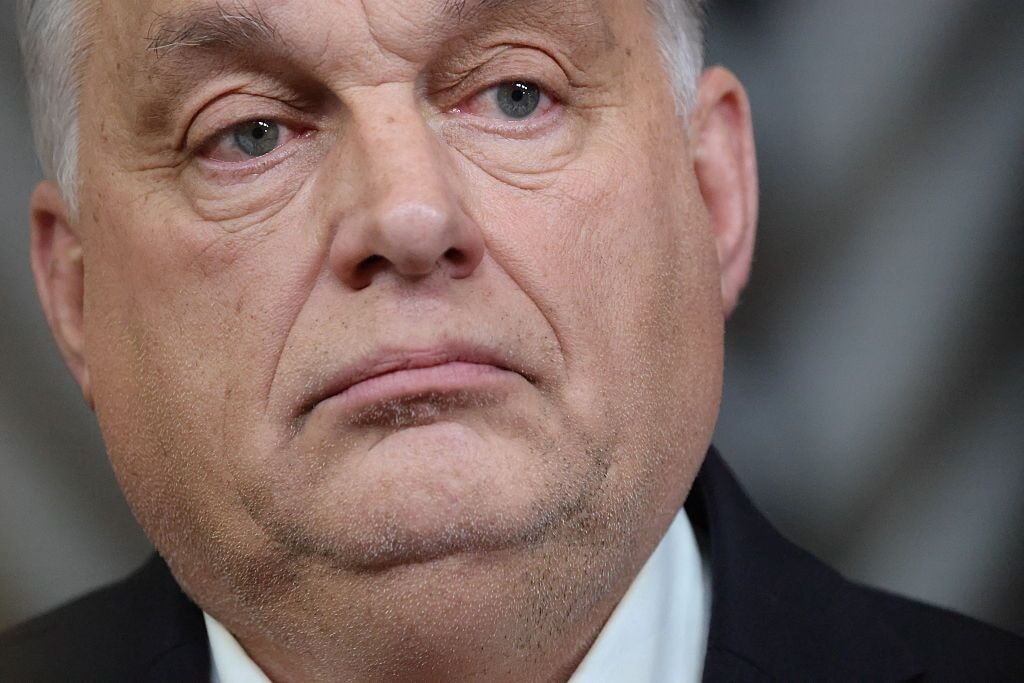
Hungary lobbied against EU's Russia sanctions at Moscow's request, investigation says
 on Google
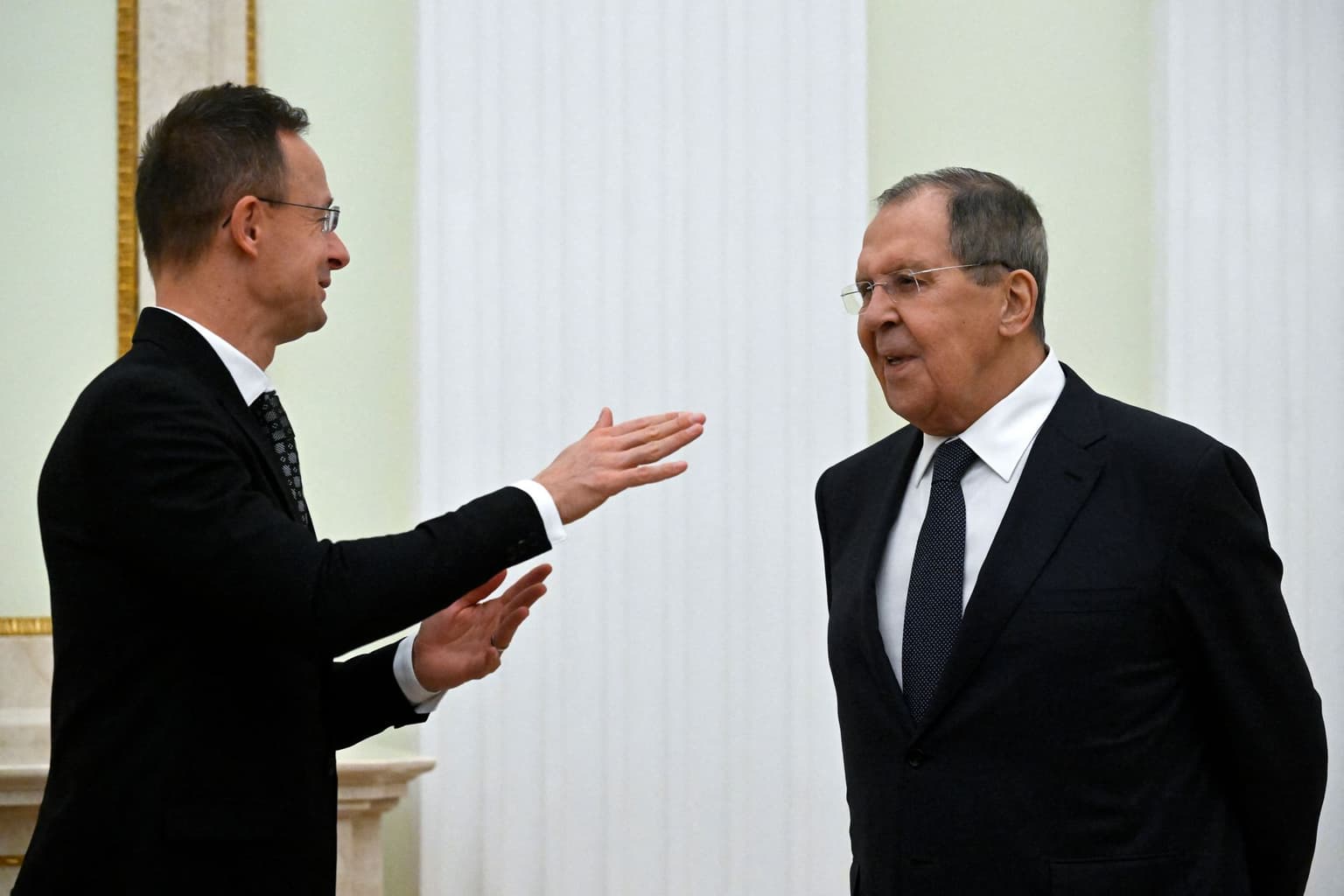
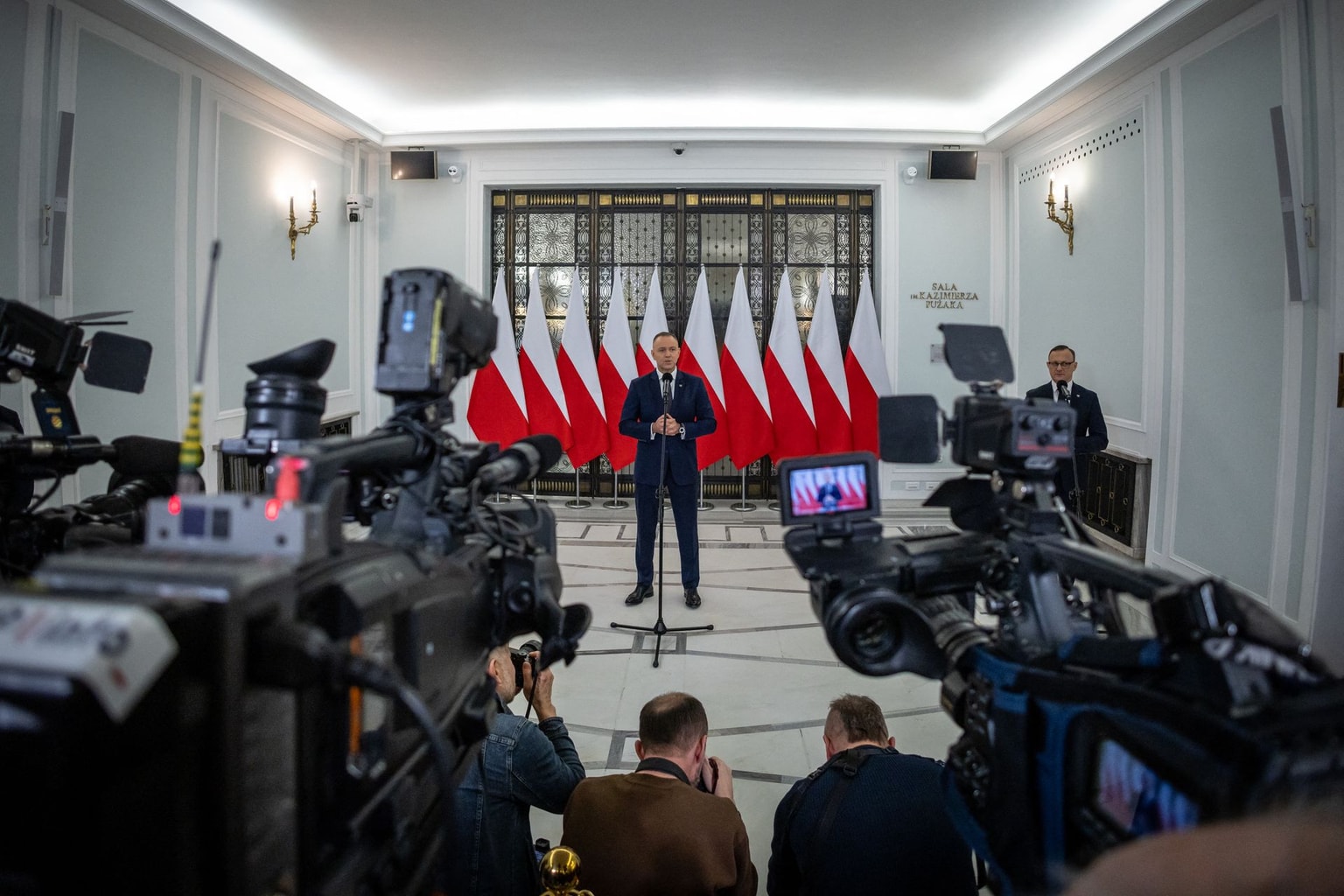
Hungarian Foreign Minister Peter Szijjarto lobbied in the EU for the delisting of sanctioned Russians and businesses at the Kremlin's behest, according to a media investigation published on March 31.
The investigation, authored by VSquare, Frontstory, Delfi Estonia, The Insider, and ICJK, sheds further light on previously reported behind-the-scenes communications between Szijjarto and his Russian counterpart, Sergey Lavrov.
The investigation says that the Hungarian chief diplomat worked to delist Gulbahor Ismailova, the sister of Alisher Usmanov, a Russian-Uzbek oligarch close to Russian President Vladimir Putin.
A phone call intercepted from August 2024 shows that Lavrov personally asked Szijjarto to have Ismailova removed from the sanctions list at Usmanov's request, according to VSquare.
The Slovak government is also reportedly involved in Hungarian-Russian efforts to blunt sanctions against Moscow.
The conversations between the two ministers, which took place between 2023 and 2025, also reveal that Szijjarto passed information from internal EU deliberations to Moscow.
VSquare wrote that the Hungarian foreign minister came across as "deferential" during his discussions with Lavrov. The outlet's undisclosed European intelligence source said the form of the discussion resembles "an intelligence officer working his asset."
The Washington Post previously reported that the Hungarian foreign minister was regularly updating Lavrov on discussions in Brussels — which Szijjarto later acknowledged. Another leak reported earlier in March showed that in 2020, Szijjarto asked Lavrov to help sway the Slovak elections.
Further materials reported by VSquare on March 31 show that Szijjarto was "reporting" to Russian Deputy Energy Minister Pavel Sorokin on Budapest's efforts to repeal EU sanctions against entities linked to Russia's shadow fleet of oil tankers.
Commenting on the investigation, Szijjarto did not refute the findings, claiming they reveal nothing new. He also accused Hungarian journalists of colluding with "foreign intelligence services."
"For four years, we have been saying that sanctions are a failure, causing more harm to the EU than to Russia," Szijjarto said on X. "Hungary will never agree to sanction individuals or companies essential for our energy security, for achieving peace, or those with no reason to be on a sanctions list."
Hungary has long been seen as the most Kremlin-friendly country within the EU, repeatedly blocking sanctions against Moscow and aid to Kyiv.
Szijjarto, a long-term top diplomat in Viktor Orban's government, has often visited Russia during the full-scale war. In December 2021, Lavrov awarded him the Order of Friendship, a decoration given to foreign officials whose work helped improve relations between their homeland and Russia.
The revelations come less than two weeks before the Hungarian parliamentary elections, where Orban's Fidesz party trails behind the opposition party Tisza.
As the divide between the two parties widens, Fidesz has increasingly accused "foreign intelligence services" of trying to sway the elections through local journalists and the opposition.
Szabolcs Panyi, a VSquare investigative reporter and one of the authors of the latest investigation, was charged by Hungarian authorities with espionage, a move denounced by media watchdogs and human rights groups as a politically motivated case.
read also
 Liubov Tsybulska
 Bohdan Krotevych