How Austria became a refuge for corruption fugitives and a risk for investigative journalists
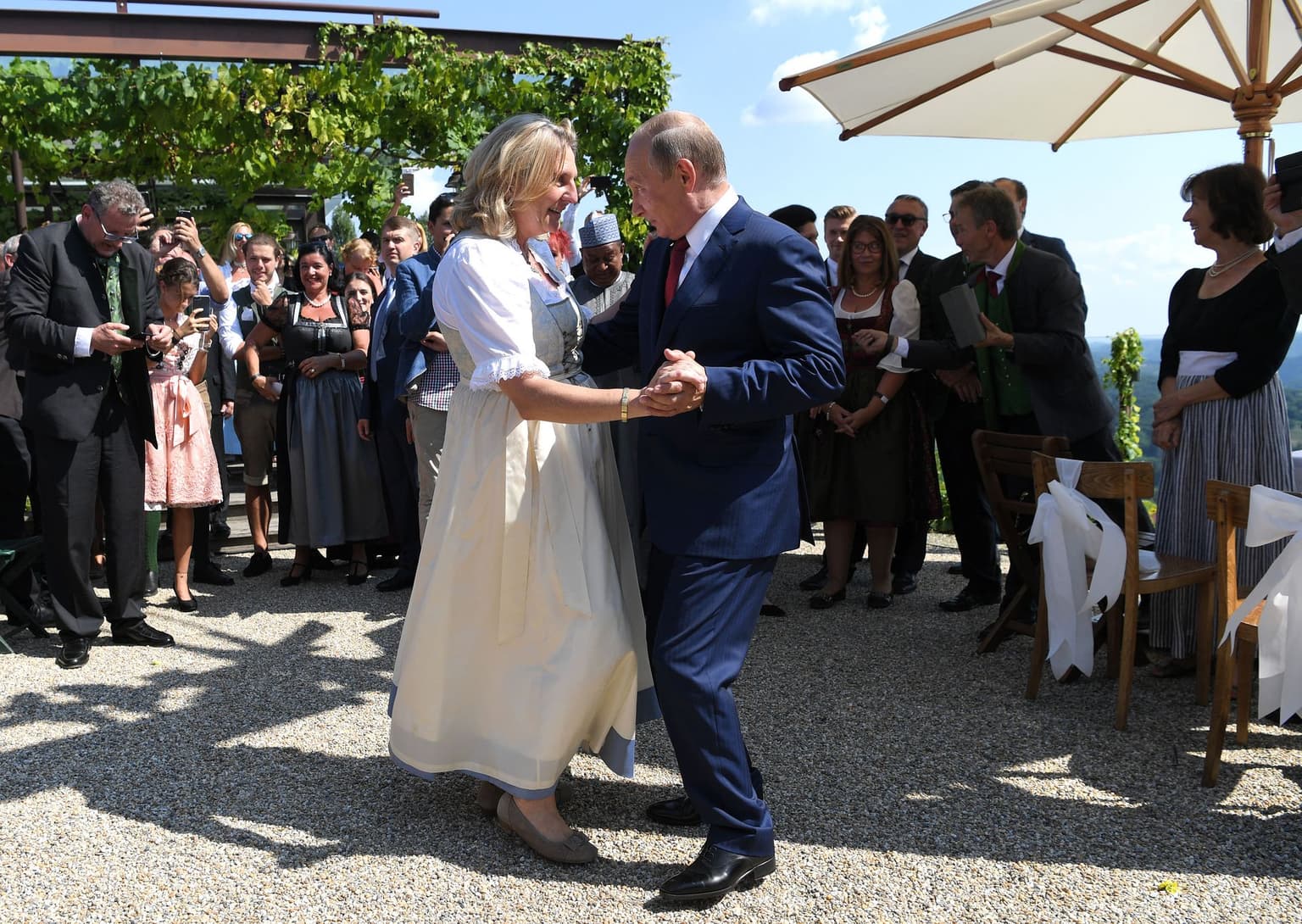
Austrian Foreign Minister Karin Kneissl and Russian President Vladimir Putin dance during her wedding on August 18, 2018 in Gamlitz, Styria, Austria. (Roland Schlager / APA /AFP via Getty Images)
 on Google
The detention of two Ukrainian journalists in Austria earlier this month while reporting on an investigation has highlighted deeper systemic concerns.
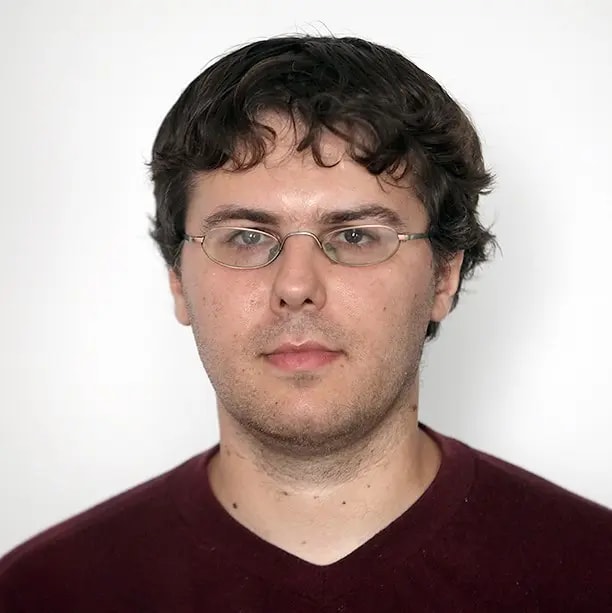
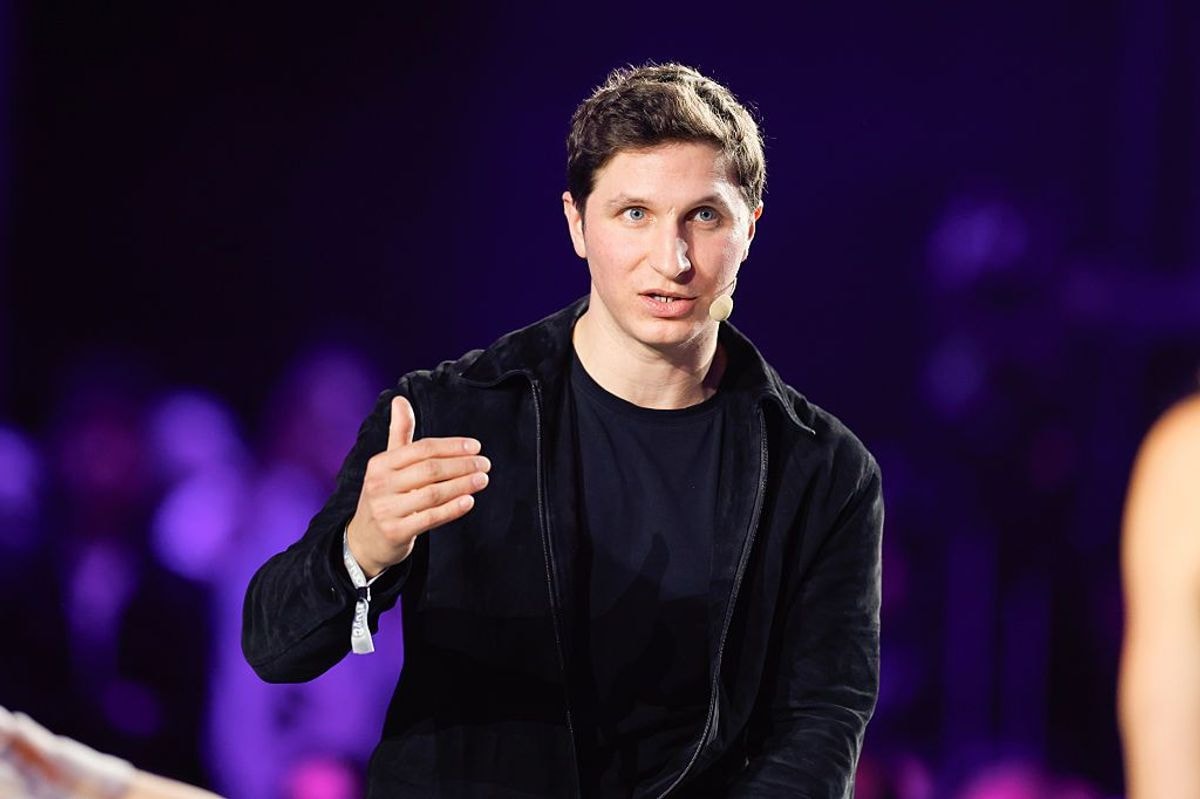
Mykhailo Tkach and Yaroslav Bondarenko were investigating a former Ukrainian prosecutor general who had fled Ukraine and settled in Vienna.
Austria has increasingly come under scrutiny for providing refuge to individuals wanted in connection with corruption cases in Ukraine, as well as Russian officials and oligarchs. Meanwhile, several senior Austrian officials have maintained close ties to Russia, with some having worked for the Kremlin.
These connections, alongside concerns over Austria's approach to corruption suspects, have raised questions about the country's commitment to the rule of law.
"It is astonishing that Austria's law enforcement system seems powerless against corrupt fugitives who have sought refuge in the country, yet has acted so aggressively against investigative journalists," Daria Kaleniuk, executive director of Ukraine's Anti-Corruption Action Center, told the Kyiv Independent.
The Kyiv Independent has requested comment from Austrian authorities and will publish their response upon receipt.
A brutal arrest
Tkach, head of investigations at the Ukrainian media outlet Ukrainska Pravda, said on Oct. 9 that the Austrian police had brutally detained him and cameraman Bondarenko the previous day and treated them "like terrorists."
As a result of the police's actions, Bondarenko was injured as shattered glass from their car hit him in the face.
The journalists were later released.

In an Oct. 12 press release, Austrian prosecutors said that the two journalists were arrested because they were mistakenly deemed conspirators of two different Ukrainian nationals currently in pretrial detention on suspicion of espionage.
"The actions of Austrian prosecutors are disgraceful," Kaleniuk told the Kyiv Independent. "Independent journalists came to Austria, only to be detained by a special police unit as if they were terrorists."
The key question is how credible the information that prompted the journalists' detention actually was, a former Ukrainian top investigator told the Kyiv Independent.
"It should be established who supplied that information, especially now that we know for certain that these people posed no threat," the ex-investigator said.
"This is where the greatest potential for abuse lies. If the reports contained specific allegations that these people were terrorists, that they were armed, and so on, then whoever made those allegations must be held accountable for providing false information."
Following Kravchenko
Tkach was on an editorial assignment in Vienna to locate fugitive ex-Prosecutor General Ruslan Kravchenko.
Ukrainska Pravda reported on Sept. 23 that Kravchenko had moved to Austria. He was fired by parliament on Sept. 15 amid a major corruption investigation.
Within the investigation, a top prosecutor described as a "confidant" of Kravchenko was charged. Publicly revealed evidence hints at Kravchenko being implicated.

He left Ukraine on Sept. 14 amid speculation that he could face charges in the same corruption case.
One possible reason for the journalists' detention in Austria was that some fugitives from Ukraine, possibly Kravchenko, could have leaked information to Austrian law enforcement agencies and manipulated them, according to Tkach.
As Kravchenko left Ukraine, he simultaneously approved charges against the head of the anti-corruption agency investigating him. The charges were later dropped as unfounded.
The Kyiv Independent has requested comment from Kravchenko and will publish his response once it is received.
A haven for corrupt officials
Tetiana Shevchuk, a lawyer at the Anti-Corruption Action Center, said that "historically, Austria has welcomed Russian money and capital from other former Soviet countries."
"It has convenient banking services and a well-developed network of lawyers and luxury housing catering to wealthy people from the former Soviet Union," she told the Kyiv Independent.
Austria rarely extradites suspects in corruption cases, using the justification that former Soviet countries do not protect human rights and that there are political motives. Other European countries extradite suspects more often.
"These wealthy individuals can afford to live in luxury and effectively buy themselves justice," Shevchuk argued. "Ordinary people don't have the same access to lawyers. But if you have a lot of money, things are different. The extremely wealthy can afford to hire entire teams of lawyers."
A former Ukrainian top investigator who worked with Austria told the Kyiv Independent that "the Austrian authorities either failed to help us or responded inadequately."
"In general, they were not cooperating with Ukrainian law enforcement agencies," he said. "They were failing to act on extradition requests, requests for investigative assistance, and so on."
The former investigator argued that "it seemed like a systematic pattern of behavior," and that his "impression is that there may be some degree of political influence behind this."
A long-running extradition saga
One of the fugitives based in Austria, Ukrainian oligarch Dmytro Firtash, has been charged with bribery, racketeering, and money laundering by the U.S. and money laundering and organized crime by Spain.
Since 2014, he has been fighting an extradition battle with both countries. Dieter Böhmdorfer, a former Austrian justice minister, was one of Firtash's lawyers in his extradition proceedings.
Firtash's fate appeared to have been sealed in 2019, when Austria's Supreme Court ruled that Firtash could be extradited to the United States, and then Justice Minister Clemens Jabloner approved Firtash's extradition.
Surprisingly, Firtash was still able to escape justice. His lawyers filed a new appeal, and in March 2026, a Vienna court definitely rejected the U.S. extradition request.

The basis for the rejection was seen by critics as dubious: Firtash allegedly enjoyed diplomatic status as an adviser to Belarus's Permanent Mission to the United Nations Industrial Development Organization (UNIDO), granting him immunity from prosecution.
The Kyiv Independent has requested comment from Firtash and will publish his response once it is received.
Other fugitives
Another fugitive living in Austria, Oleksandr Tupytskyi, is a former chairman of Ukraine's Constitutional Court.
In 2021, he was charged with unlawfully influencing and bribing a witness to induce false testimony, abuse of power, and illegally tampering with a government computer system.
He left Ukraine during the full-scale invasion in 2022.

Other Ukrainians who have reportedly moved to Austria include Kyrylo Shevchenko, former head of the National Bank of Ukraine; billionaire Hennadiy Boholyubov, President Volodymyr Zelensky's former Deputy Chief of Staff Rostyslav Shurma, businessman Denys Komarnytskyi, Andrii Kholodov, a lawmaker from Zelensky's party, and former pro-Russian lawmaker Yevhen Murayev.
The list of Austria-based Ukrainians also includes Viktor Tatkov, former head of Ukraine's High Commercial Court, and businessmen Oleksandr Petrovskyi and Oleh Bakhmatyuk.
Many of these fugitives are suspects in high-profile corruption cases.
The late Andriy Pornov, a former deputy chief of staff for pro-Russian ex-President Viktor Yanukovych, lived in Vienna from 2015 to 2019.
Portnov, who was widely seen as wielding immense influence over Ukraine's judiciary, was shot dead in Madrid in 2025.
Several other Yanukovych allies — Andriy Klyuyev, Serhiy Klyuyev, and Oleksii Azarov — had investments and properties in Austria.
Meanwhile, Yanukovych's Mezhyhirya residence near Kyiv was connected to a complex ownership structure involving Austrian-registered businesses.
A haven for Russian officials
Austria has also been a safe haven for Russian top officials and oligarchs.
In 2023, the Organized Crime and Corruption Reporting Project (OCCRP) reported that Russian President Vladimir Putin's daughter, Maria Vorontsova, had frequented a 10.8 million euro chalet in Kitzbühel, Tyrol. Several local residents claimed that Putin himself had visited the property.
Funds from the Russian oligarch Arkady Rotenberg, a close Putin associate, were used to purchase the chalet, according to OCCRP.

The late Yury Luzhkov, who was mayor of Moscow from 1992 to 2010, and his billionaire wife, Yelena Baturina, maintained an extensive property portfolio in Austria, including Alpine residences and hotel investments.
Another Russian politician linked to Austria is Andrei Metelsky, secretary of the Moscow branch of Putin's United Russia party.
Metelsky associates owned four hotels in Tyrol with an estimated total value of 40 million euros in 2019, the late opposition leader Alexei Navalny's Anti-Corruption Fund reported in 2019.
Igor Shuvalov, CEO of Russian state-owned VEB bank and former deputy prime minister, has also declared renting a residential property in Austria measuring approximately 1,480 square meters. The property was owned by Shuvalov's family, the Russian media outlet Meduza reported in 2016.
Austrians working for Russia
The ties run both ways, with Austrian officials later taking up positions at Russian state-owned entities.
Karin Kneissl, who was Austria's foreign minister from 2017 to 2019, triggered a scandal by inviting Putin to her wedding and dancing with him in 2018.
Kneissl was nominated to her government post by the Freedom Party of Austria, which has long maintained close ties with the Kremlin.
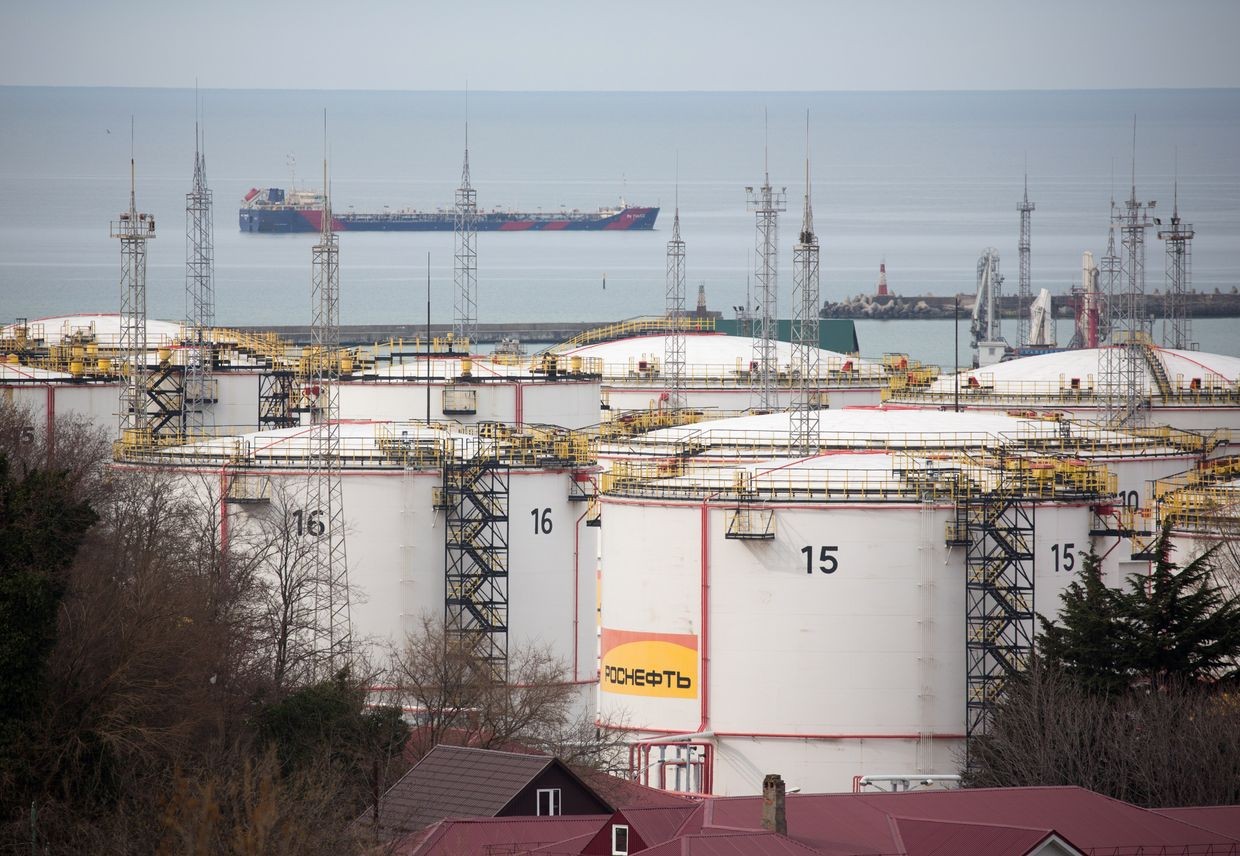
She also became a columnist for the Russian state propaganda outlet RT in 2020 and joined the board of Russian state-controlled oil giant Rosneft in 2021.
In 2023, she moved to Russia and started working at a think-tank promoting the Kremlin's foreign policy.
Another scandal linked to Russia took place in 2018, when Austria's Interior Ministry raided the country's domestic intelligence service.
The raid, which was later ruled to be unlawful, targeted intelligence officers investigating right-wing extremism and suspected Russian influence. Subsequent investigations raised the possibility that Russian intelligence had helped engineer the operation to weaken Austria's counterintelligence service and replace its leadership with people more accommodating to Moscow.
Vienna has earned a reputation as Europe's spy capital, where Austria's neutrality and historically lax espionage laws have reportedly helped Russian intelligence operatives establish a formidable presence.
Meanwhile, two former Austrian chancellors — Wolfgang Schüssel, Christian Kern — worked for Russian companies and organizations following their chancellorships. Another chancellor, Alfred Gusenbauer, served as a supervisory board member of a Berlin-based think tank founded by Putin’s allies.
The Kyiv Independent has requested comments from the officials involved.
"Russia corrupts local elites," Shevchuk argued.