Higher chlorine air concentration in Ternopil after Russian attack on industrial site
 on Google
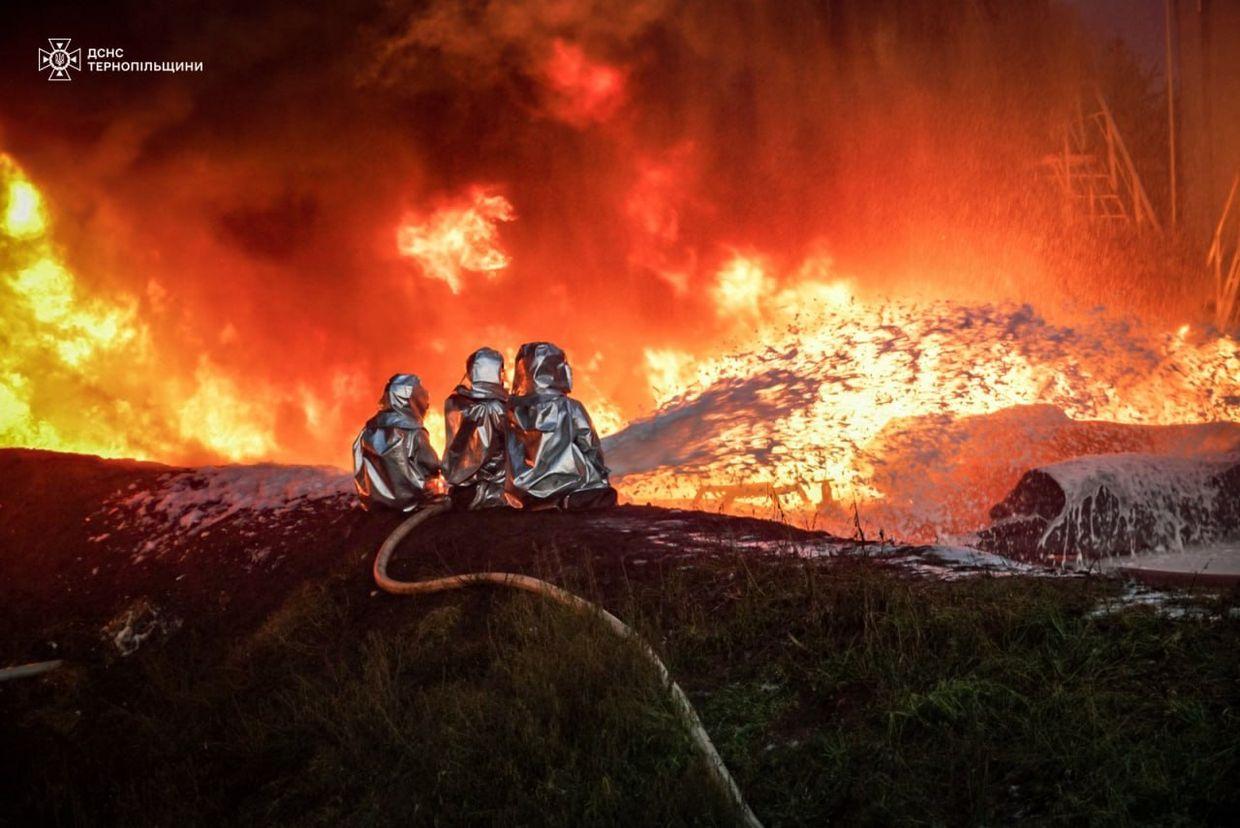
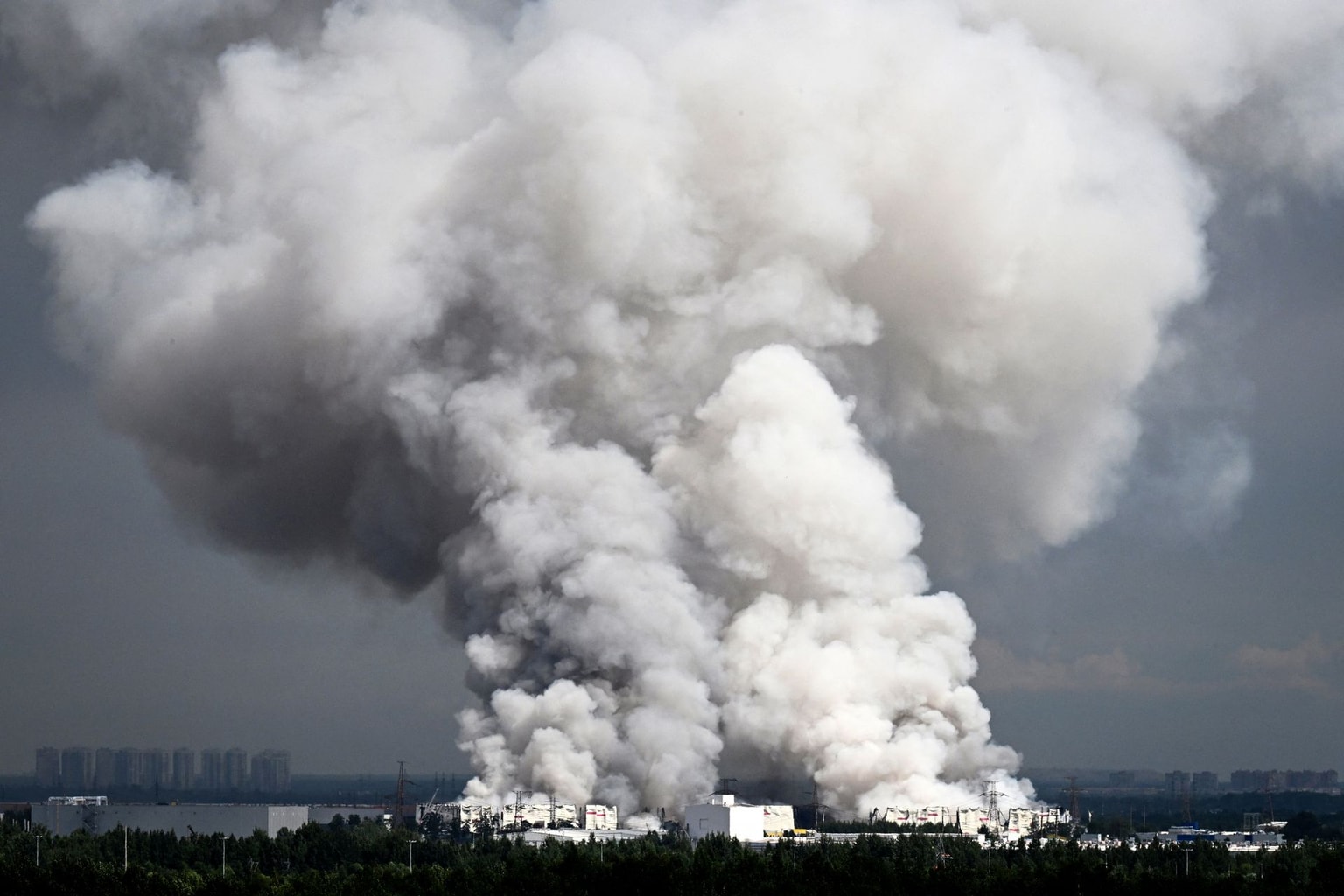
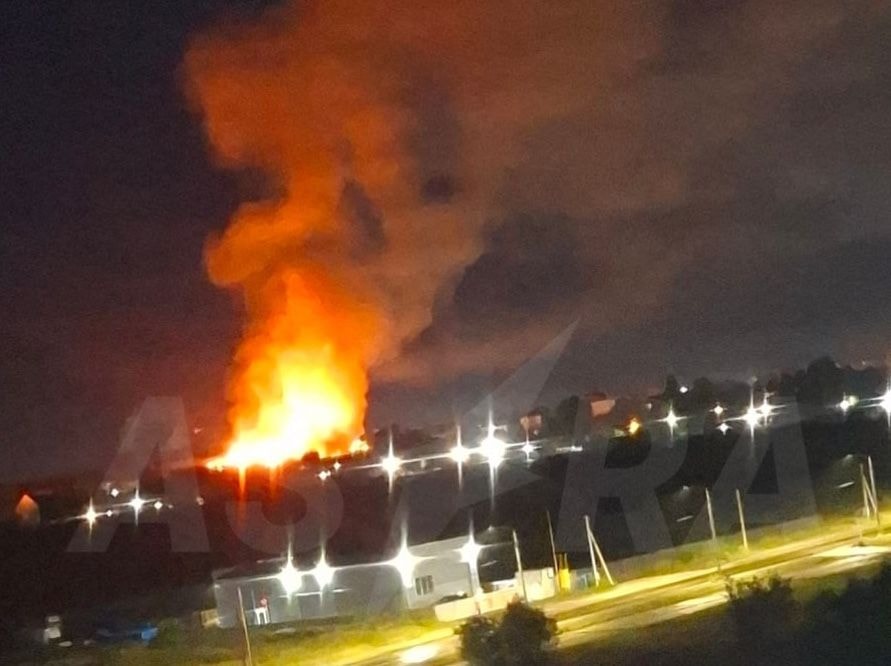
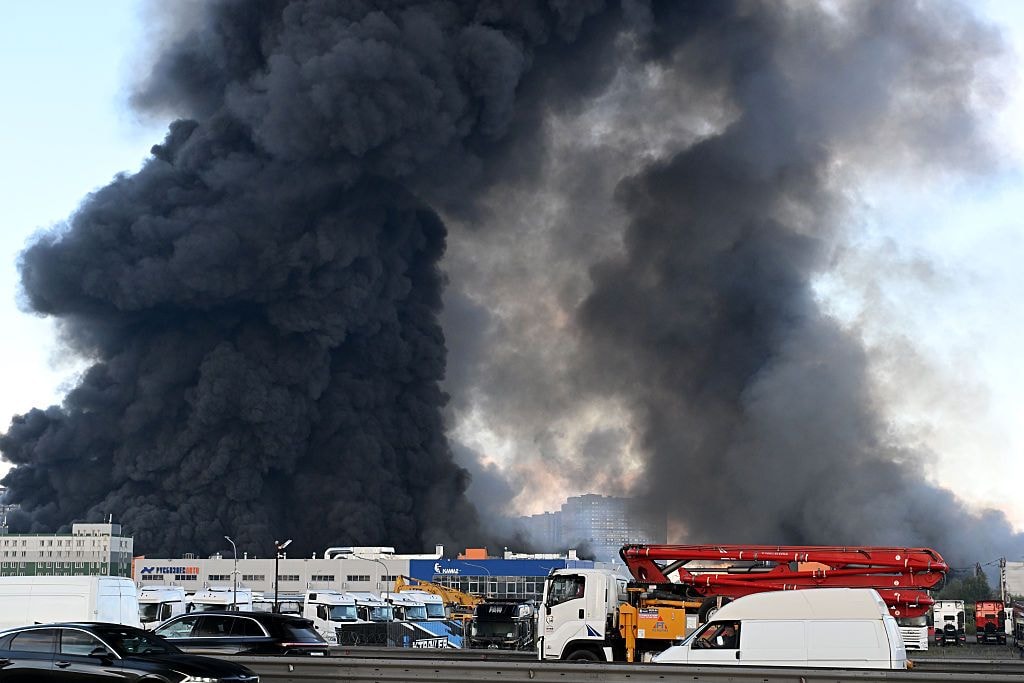
An increased level of chlorine air concentration was detected in the western city of Ternopil following a Russian missile attack against an industrial facility on Aug. 20, authorities said.
Russia carried out the attack overnight, with a fire breaking out in a fuel and lubricant warehouse in an unspecified facility at 3 a.m. No casualties or injuries have been reported as a result of the strike.
Oksana Chaichuk, the head of the regional Center for Disease Control and Prevention, warned Ternopil's residents to limit exposure to open air and close windows.
"With a norm of 0.1 milligrams (of chlorine) per cubic meter (mg/m³), there is an excess of 0.4 to 1.01," Chaichuk said at a press briefing, adding that this means the chlorine air concentration is from four to 10 times higher than the norm.
According to the American Conference of Governmental Industrial Hygienists, chlorine inhalation can cause health issues at concentrations above 1.5 mg/m³ in case of long-term exposure and at 2.9 mg/m³ for short-term exposure.
Chlorine exposure can lead to irritation of the eyes, nose, and sore throat at lower concentration levels but can also cause more serious problems and death at higher levels.
Ternopil is a city in western Ukraine with a population of roughly 225,000. Lying hundreds of kilometers from the front line, the city is not a common target of Russian attacks.