Germany’s Rheinmetall to supply Ukraine with 100,000 mortar shells
 on Google

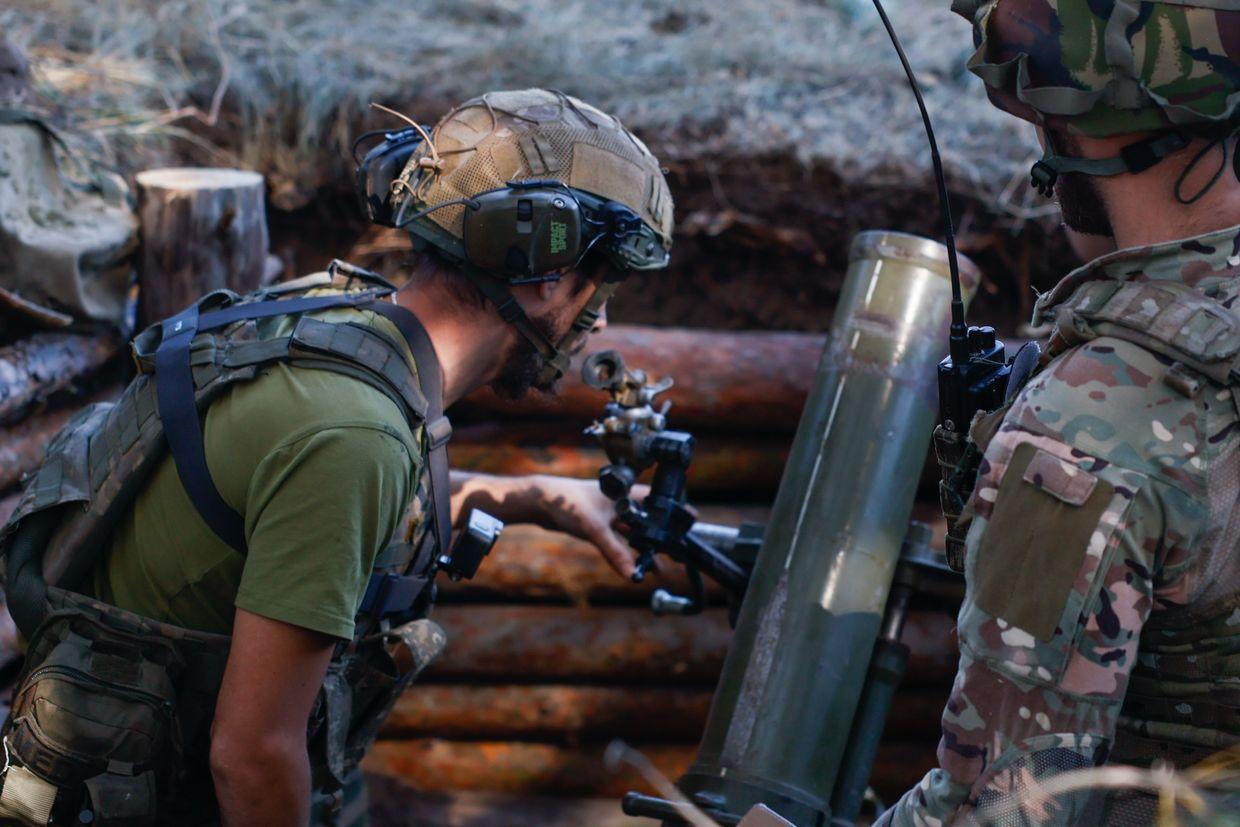
German arms manufacturer Rheinmetall received an order from the German government to provide Ukraine with about 100,000 rounds of 120mm mortar ammunition, the company announced on Nov. 8.
The ammunition deliveries are due to begin soon and will extend over the next two years, according to Rheinmetall.
“The order, worth a figure in the lower-three-digit million-euro range, forms part of a recent 400-million-euro military aid package for the Ukrainian armed forces,” reads the announcement.
Rheinmetall also wrote that thanks to the acquisition of the Spanish munitions manufacturer Expal, the German concern had further strengthened its capacity in this field of infantry fire support.
“Thanks to its enhanced range, heightened precision, and optimum combat effectiveness, Rheinmetall mortar ammunition can assure favorable outcomes even during operations in difficult terrain and urban environments, the company added.
The announcement comes a month after Rheinmetall said it would produce 150,000 artillery shells for Ukraine on Berlin’s order and deliver them in 2023-2024.
Both Ukrainian and Russian forces are firing thousands of artillery rounds a day, according to Michael Kofman, a senior fellow at the Carnegie Endowment for International Peace.
Rheinmetall also plans to open a joint Ukrainian-German facility to repair and maintain Western-produced military vehicles and ultimately to produce them domestically in Ukraine, Prime Minister Denys Shmyhal said on Oct. 24.