France replaces US as main intelligence provider to Kyiv, Macron says
 on Google
France is now providing two-thirds of the intelligence supplied to Ukraine by its partners, President Emmanuel Macron said on Jan. 15.
The change works to solve Kyiv's heavy dependence on the U.S. for military intelligence, which has been wielded as leverage against Ukraine by the Trump administration on several occasions.
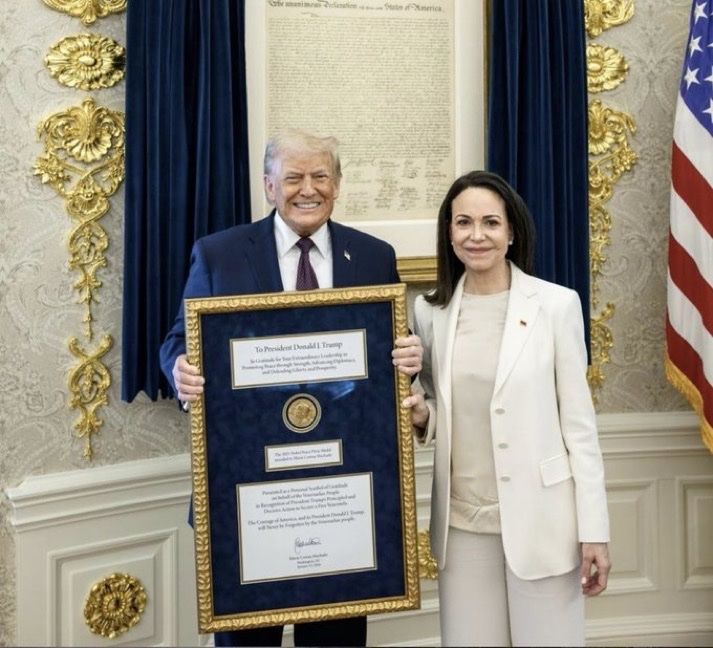
In March 2025, after U.S. President Donald Trump publicly berated Ukrainian counterpart Volodymyr Zelensky in the Oval Office, Washington notoriously stripped Kyiv of all intelligence provisions.
The flow of intelligence was soon restored, but in November that year, Trump once again threatened to cut it off if Zelensky did not accept an openly capitulatory peace plan prepared by U.S. envoy Steve Witkoff in collaboration with Russia.
Despite the threats, temporary cut-off and the often-strained relations between Trump and Zelensky, the U.S. continues to provide extensive intelligence support to Ukraine.
Intelligence shared by partners — from fresh, high-quality satellite imagery to signals intelligence and cyber — plays a crucial role in Ukraine's war effort, especially for information on Russian movements and equipment beyond the range of reconnaissance drones.
Since such intelligence sharing is of a highly diverse character, and includes highly technical support like early warning for ballistic missile launches — which only the U.S. can provide — quantifying such support and comparing the input of different nations is questionable.
"Where Ukraine used to be extremely dependent on American intelligence capacity, with a huge majority (provided by the U.S) a year ago," Macron said, "over (the last) year, two-thirds is today provided by France."
The Kyiv Independent reached out to Ukraine's military intelligence agency to confirm France's ousting of the U.S. as Kyiv's top intelligence provider, but did not receive a response by the time of publication.
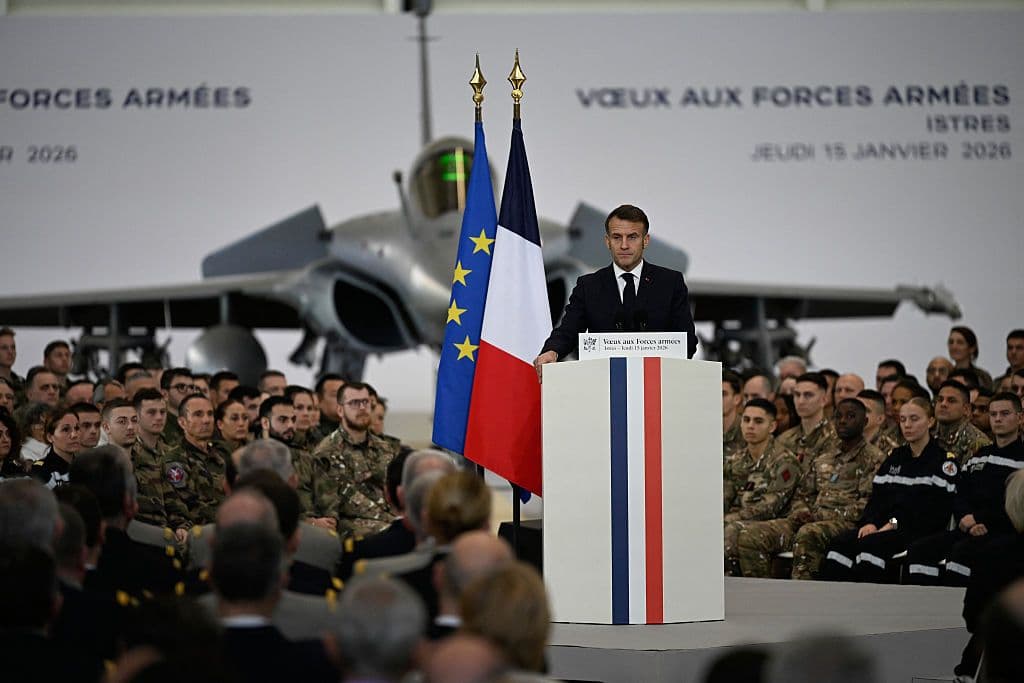
Macron's comments came during his New Year's address to the French military at the Istres air force base, where he praised Europe's efforts to continue to provide military support to Kyiv amid the Trump administration's ending of almost all newly funded aid.
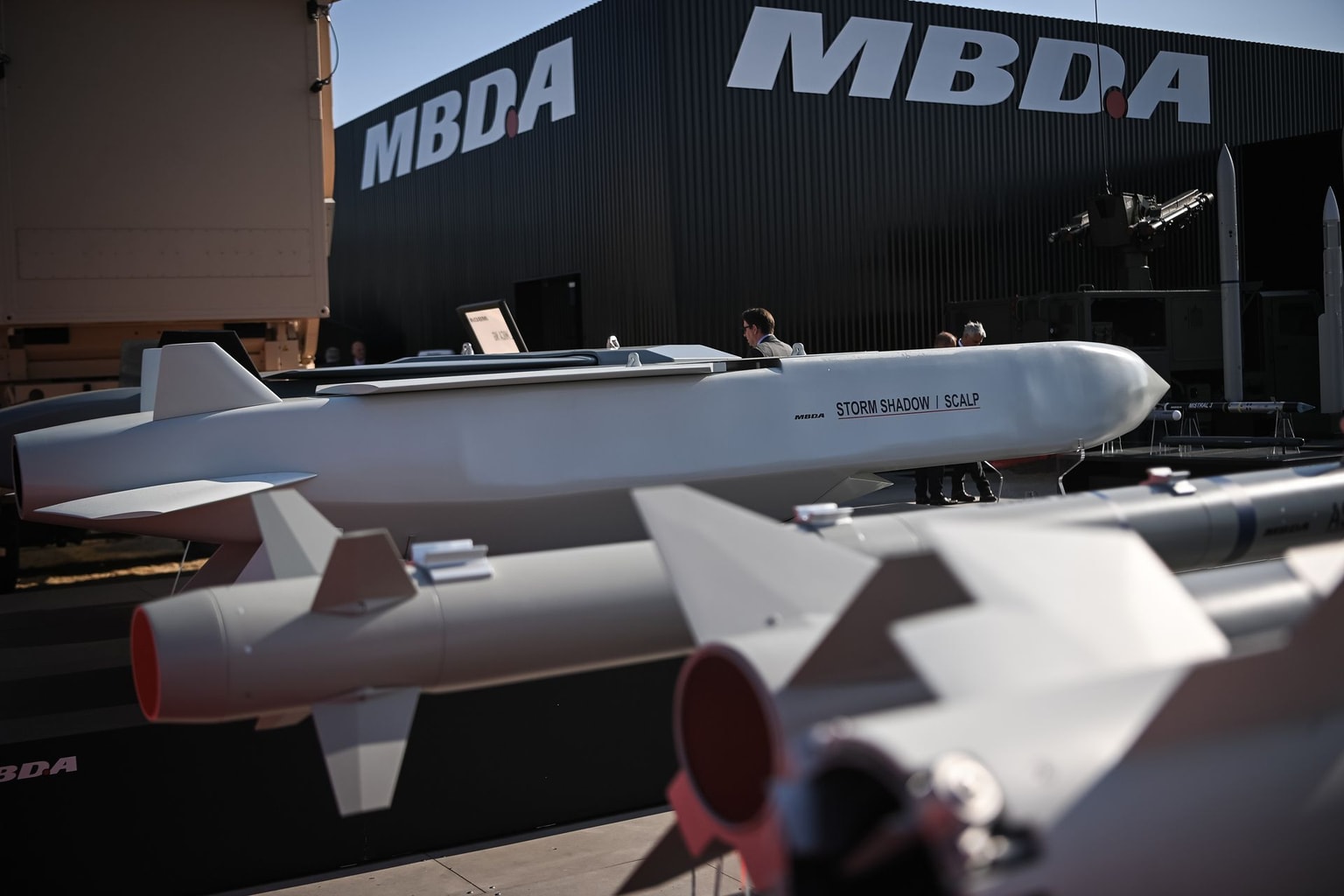
The French president also used the occasion to issue a challenge to the country's domestic arms industry, saying that the military could need to look to foreign manufacturers to fuel its quick rearmament if in-country production does not ramp up fast enough.