European officials warn Russian veterans could play a role in Moscow’s shadow war
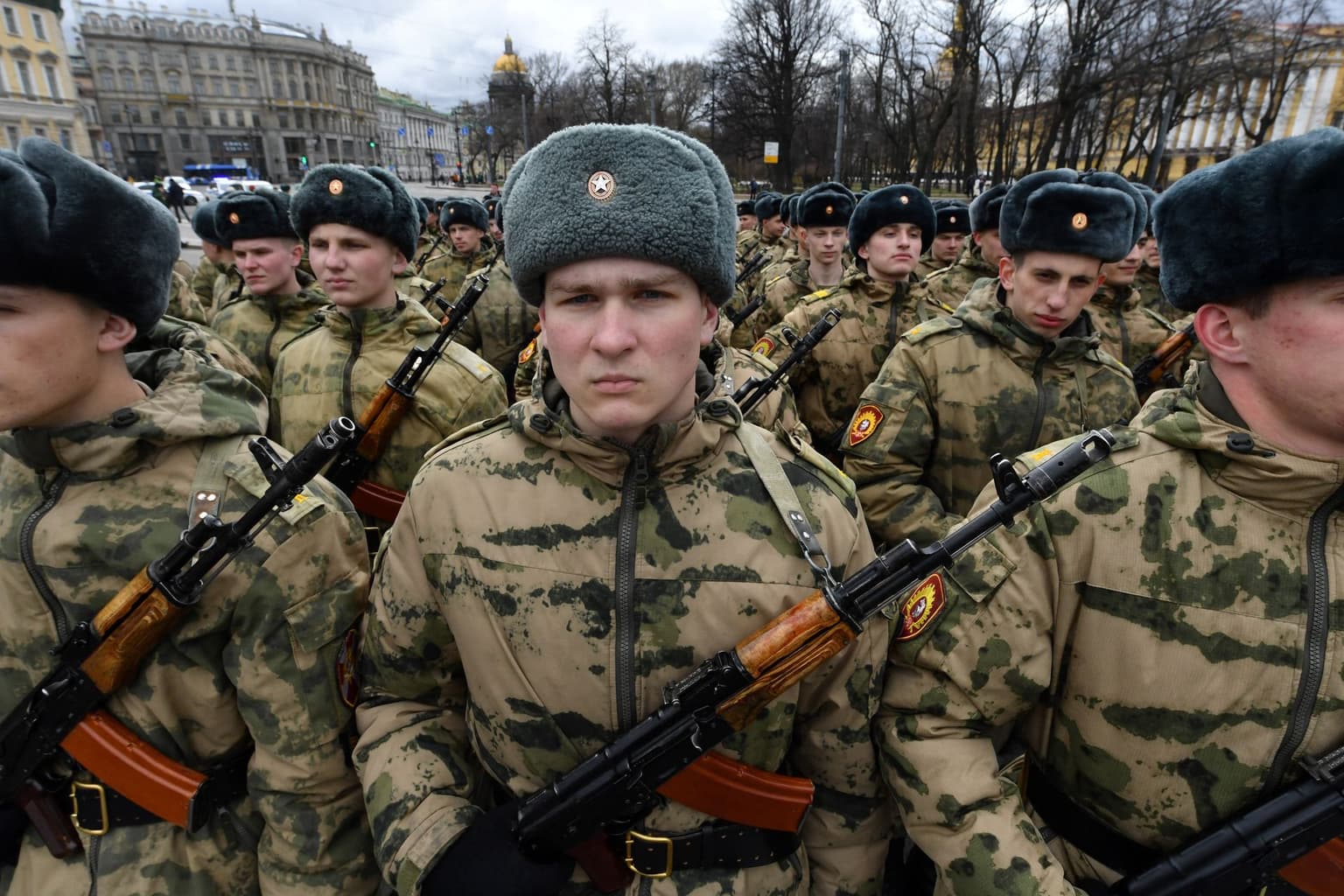
Russian military cadets in central Saint Petersburg, Russia, on April 23, 2024. (Olga Maltseva / AFP via Getty Images)
 on Google
Europe must ban entry to all Russian veterans of the war against Ukraine or face a surge in crime rates and hybrid attacks, Estonian officials have warned.
Estonian Foreign Minister Margus Tsahkna warned that battle-hardened "ex-prisoners and rapists" could flood Europe after the war and carry out nefarious activities on behalf of Russian intelligence.
To boost common security, Tallinn proposed a blanket Schengen entry ban for Russian veterans during a meeting of European foreign ministers on Jan. 29, while also inviting the U.K. to join the initiative.
Sweden, the Netherlands, Finland, Denmark, and the other Baltic countries expressed openness to the idea, a European official familiar with the matter told the Kyiv Independent.
Radoslaw Sikorski, Poland's chief diplomat, publicly signaled support. "Many member states" support the plan, EU foreign policy chief Kaja Kallas said, adding that the European Commission agreed to move the proposal forward.
Yet, the stance of major European countries that host significant Russian communities or are common destinations for Russian visitors — such as Germany, France, Spain, and Italy — remains unclear.
No more clarity is there on the desired method, as listing hundreds of thousands of Russian ex-soldiers on a Schengen blacklist would be a daunting and lengthy endeavor.
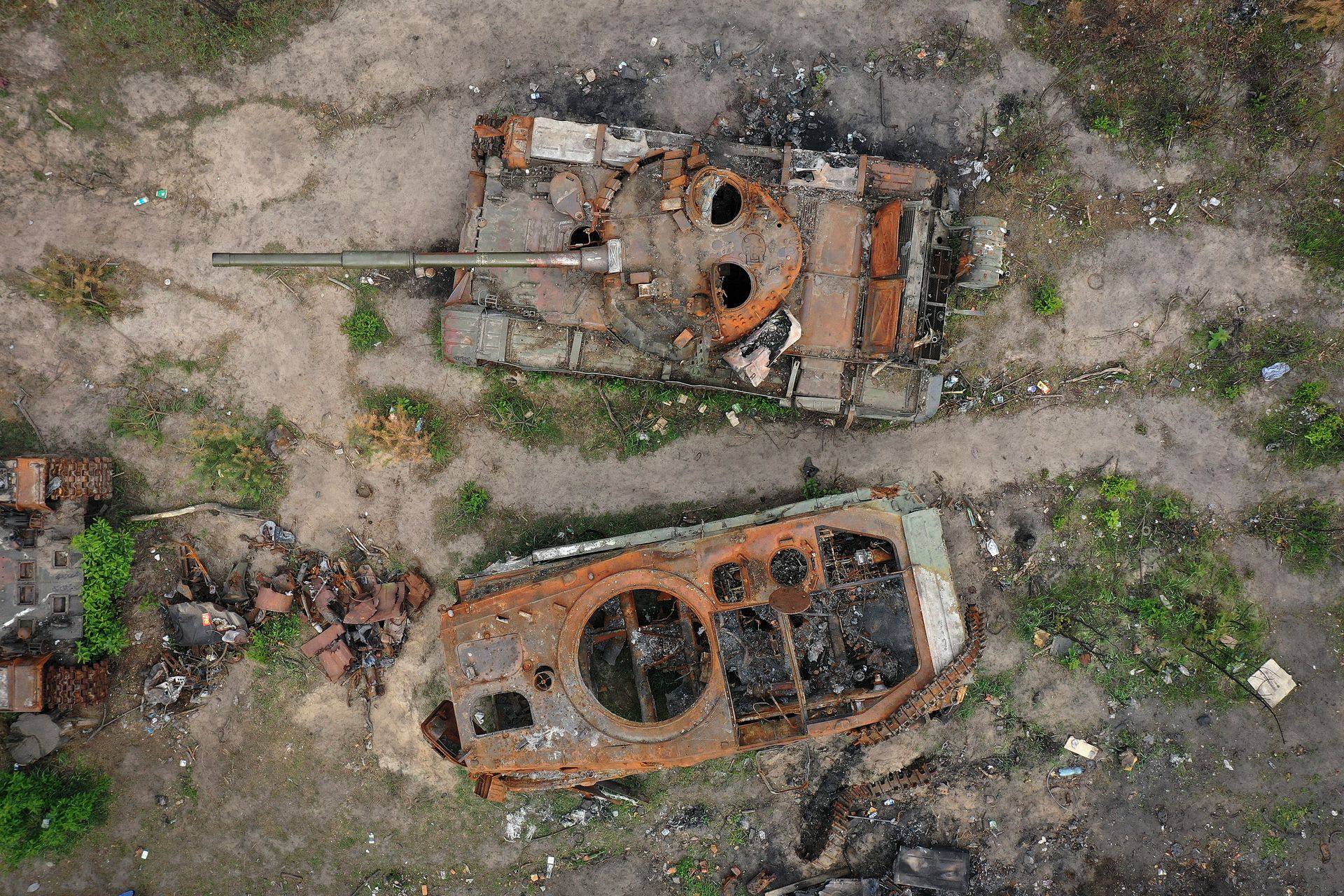
Technical obstacles
Estonia has not wasted time, banning access to the Schengen area — a free-travel zone of 29 European countries — for the first 261 Russian soldiers earlier in January.
But this figure is only a tiny fraction of the estimated 700,000 Russian soldiers currently deployed in Ukraine. Estonia's Interior Ministry believes that as many as 1.5 million service members have taken part in the full-scale invasion since 2022.

"In theory, Estonia itself could put the names of more than 600,000 or 700,000 people on the Schengen Area blacklist, but that is simply beyond our capacity," Tsahkna told the Estonian public broadcaster ERR.
A European official told the Kyiv Independent that identifying individual combatants and placing them on the Schengen ban list would take time, given their numbers.
As Estonia pushes for a political agreement, it is simultaneously examining other possible methods, such as changes to visa requirements, they added.
The EU has sharply tightened visa rules for Russian nationals since the outbreak of the all-out war.
A visa facilitation agreement with Moscow was suspended in September 2022, a step that imposed more restrictive entry rules on Russian visitors to the EU. Last November, Brussels largely barred Russian citizens from obtaining multi-entry visas, except in humanitarian cases.
However, issuing visas themselves remains a prerogative of individual member states.
While the Baltic states and Poland have largely suspended or sharply restricted visas for Russian nationals, France, Spain, Hungary, and Italy have continued to receive Russian tourists despite the war.
According to the European Commission, over 500,000 Russians received Schengen visas in 2024 — an increase since 2023, but a steady drop from the 4 million in 2019.

Bringing crimes home
Some of the risks posed by battle-hardened soldiers returning to civilian life are already visible in Russia itself.
An investigation by the independent outlet Novaya Gazeta found that Russian courts have issued around 8,000 rulings involving veterans of the full-scale war in Ukraine since 2022.
Roughly 900 of these cases involved prosecutions for murder or assault, frequently committed while the accused were intoxicated.
The actual figures may be significantly higher, Novaya Gazeta journalists note, given incomplete data and attempts by military courts to conceal information.
Another Russian independent media outlet, Vyorstka, wrote that over 1,000 people have been killed or injured by ex-soldiers over the past four years.

The crime rate spike is often linked to the fact that many veterans already had a criminal record prior to their service, or were even recruited straight out of prison. Russian convicts, including murderers and rapists, are offered a pardon in exchange for military service, allowing them to return home after concluding their contracts.
Ukrainian intelligence estimates that Russia recruited up to 180,000 prisoners to fight in its full-scale war against Ukraine as of late 2024.
"Nearly half of the veterans of the war in Ukraine who have returned have not been able to find jobs," or maintain the income they had during the war, says Paul Goble, a U.S. author and analyst specializing in ethnic and religious issues of the former Soviet space.
"As a result, there is universal acknowledgement in Russia both among officials and the population that the crime rate will go up," he told the Kyiv Independent.
However, journalist and analyst Kseniya Kirillova argues that this does not necessarily mean the same scenario will play out for Russian veterans arriving in Europe.
"(T)he vast majority of men who signed the contract are socially marginalized people from remote regions of Russia who have never been abroad and don't even have an international passport," Kirillova told the Kyiv Independent.
Recruits for Moscow's hybrid war
The danger lies elsewhere, Kirillova warns, pointing out that Russia could deliberately "infiltrate" European countries with its veterans to carry out sabotage operations.
These ex-soldiers have already acted against Ukraine's allies by participating in the war and may also include individuals who have committed war crimes, she adds.
In this context, an EU-wide entry ban is appropriate, although exceptions could be made — after careful investigation — for deserters who seek asylum and face criminal prosecution at home, she says.
Since 2022, hybrid attacks have surged across Europe, with Western officials linking Russian intelligence to arson, parcel bombing, cyber attacks, and sabotage of critical infrastructure.

A string of unidentified drone sightings over strategic facilities and Russian aerial incursions in late 2025 led many in Europe to conclude that Moscow is already engaged in a covert war against the West.
Russia's intelligence has reportedly targeted a wide range of recruits — from ex-Soviet military personnel and struggling migrants to unwitting Ukrainian nationals — for these operations.
As negotiations for ending the war continue, observers say that after a ceasefire deal, Russian war veterans could become another fertile breeding ground for potential saboteurs.
"Tallinn is right," Goble says, backing Estonia's assessment of the danger.
The expert concludes that "Moscow will seek to redirect unemployed veterans who are ready to have a life in crime" to join the Kremlin's hybrid war against the West.
read also
 Tim Zadorozhnyy
 Martin Fornusek
 Martin Fornusek
Note from the author:
Hi, this is Martin Fornusek.
I hope you enjoyed this article. In our team, we believe that fact-based, truthful reporting should be available to all – that's why we don't use a paywall.
If you'd like to help us provide you with more in-depth coverage of Ukraine's struggle against Russian aggression, international politics, and more, please consider joining the Kyiv Independent community.