EU imposes new sanctions on Russia's 'shadow fleet'

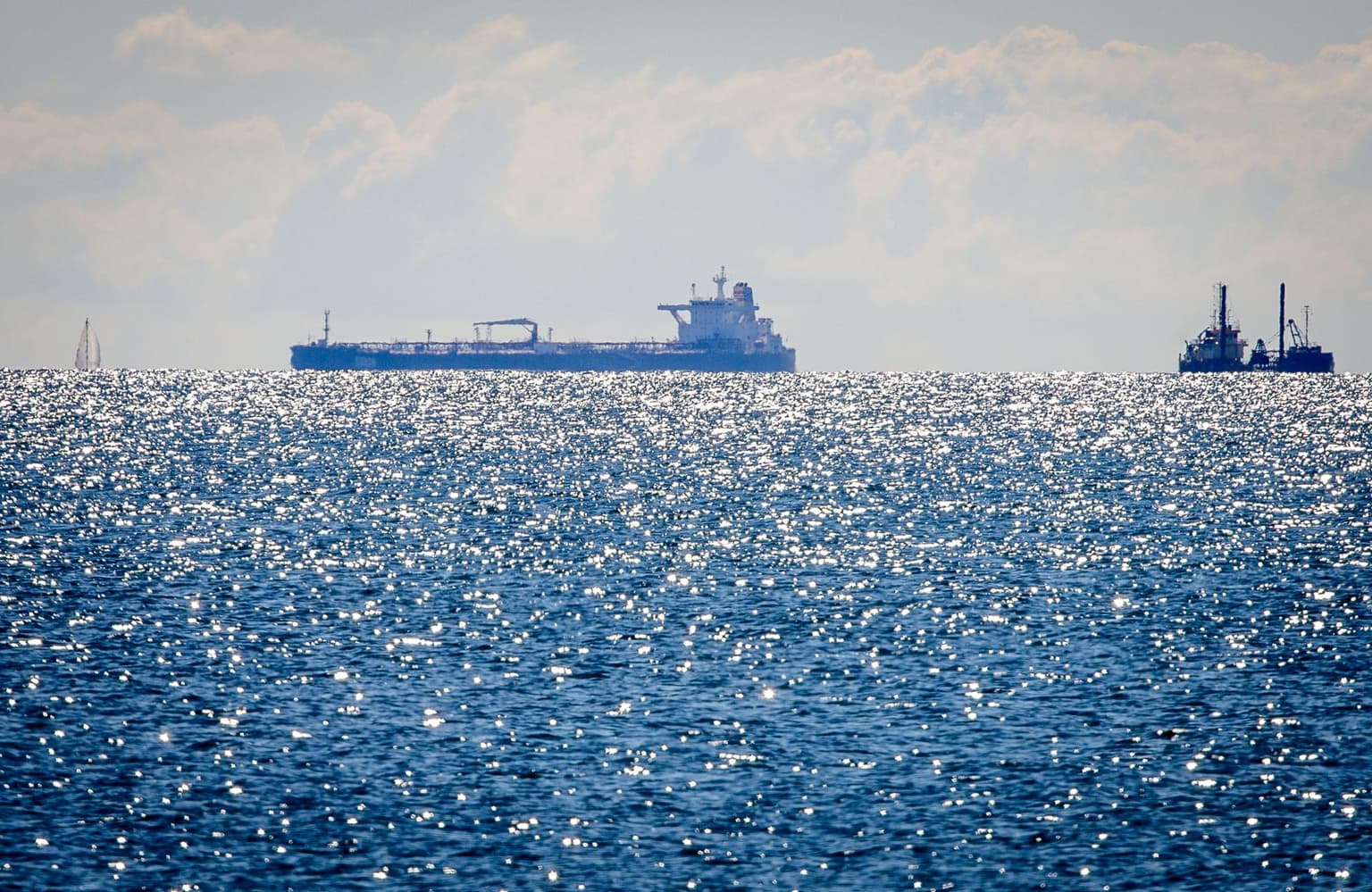
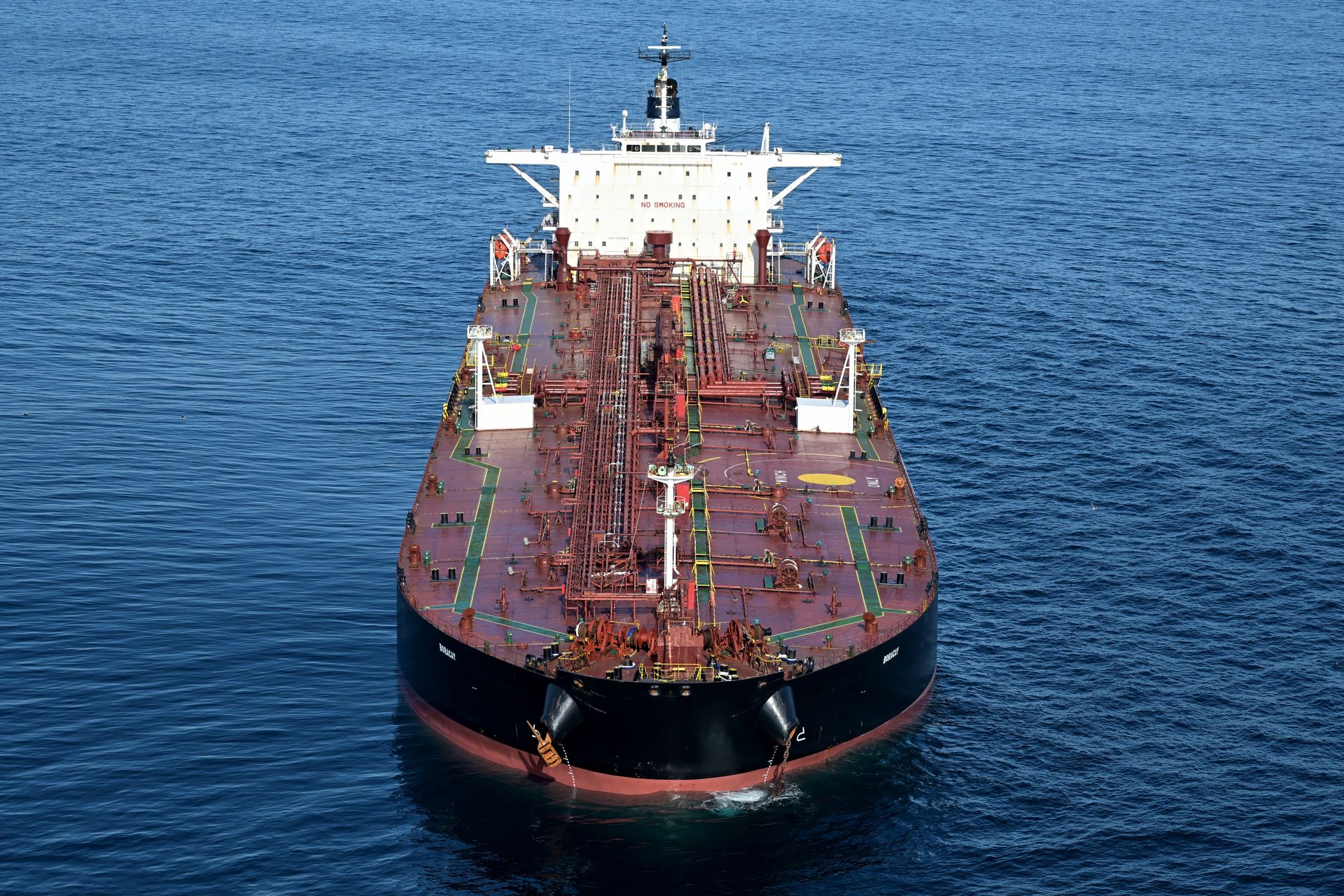
The European Union on Dec. 18 imposed sanctions on 41 more vessels in Russia's "shadow fleet", the Council of the EU said.
The new sanctions bring the total of sanctioned "shadow fleet" ships to 600, according to the council.
"These 41 vessels are therefore added to the list of those subject to a port access ban and ban on provision of a broad range of services related to maritime transport," the Council of the EU said in a statement.
"This measure is intended to target non-EU tankers that are part of (Russian President Vladimir) Putin’s shadow fleet circumventing the oil price cap mechanism or support the energy sector of Russia, or vessels that are responsible for transporting military equipment for Russia or involved in the transport of stolen Ukrainian grain and cultural goods from Ukraine."
Russia relies on its fossil fuel revenue to fund its war against Ukraine. Since Feb. 24, 2022, Russia has exported some 958 billion euros worth of fossil fuels — 68% of which was oil, 20% gas, and 12% coal, according to the Russia Fossil Tracker project led by CREA.
The shadow fleet includes hundreds of older, often uninsured or poorly maintained tankers. These typically operate under the flags of other countries and have little transparency, making it difficult for regulators to enforce sanctions.