EU approves $1.7 billion defense program to boost industry, integrate Ukraine
 on Google
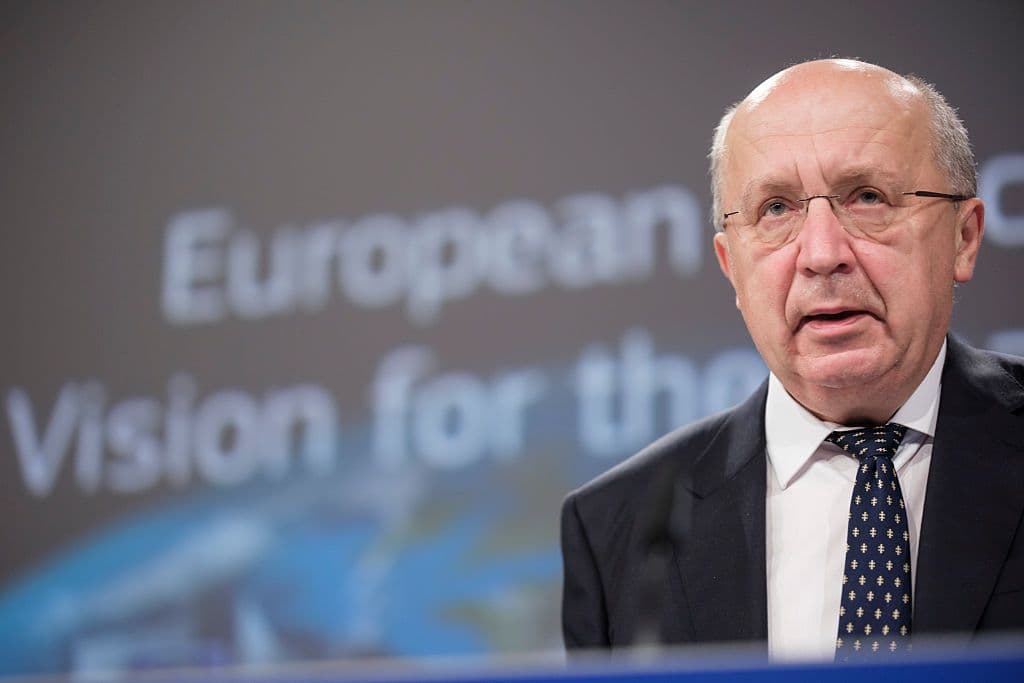
The European Commission approved a 1.5 billion euro ($1.7 billion) work program on March 30 under the European Defence Industry Programme (EDIP), including funding to integrate Ukraine's defense industry into the EU's industrial base.
The initiative aims to strengthen Europe's defense capabilities by boosting production, expanding cooperation with Ukraine, and improving joint procurement.
"Now, Member States, Norway, and as a first for an EU defence industrial program Ukraine and their industries can seize funding opportunities to strengthen defense cooperation and ramp up production," European Defence Commissioner Andrius Kubilius said.
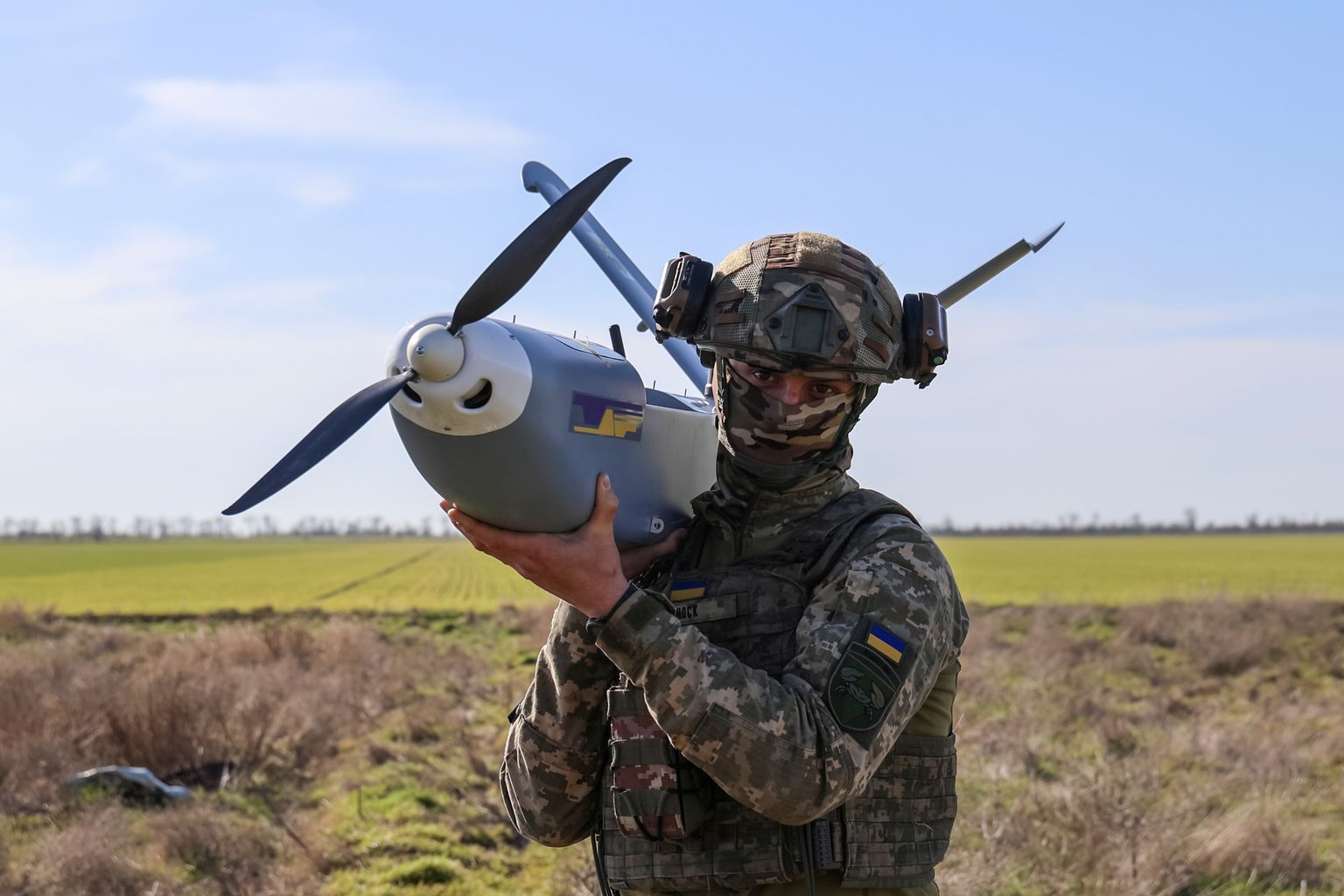
More than 700 million euros ($800 million) will be allocated to increase production of key defense equipment, including counter-drone systems, missiles, and ammunition.
Of that amount, 260 million euros ($300 million) under EDIP's Ukraine Support Instrument will help rebuild and modernize Ukraine's defense industry through joint projects expanding production in both Ukraine and Europe.
The program, adopted in December 2025, is part of broader EU efforts to boost defense readiness. It provides 1.5 billion euros in grants for 2026–2027.
The first round of proposals will be published on the EU's tenders portal starting March 31.