Environmental disaster looms as Russian shadow ship leaks 800,000 barrels of oil into Arabian Sea
 on Google
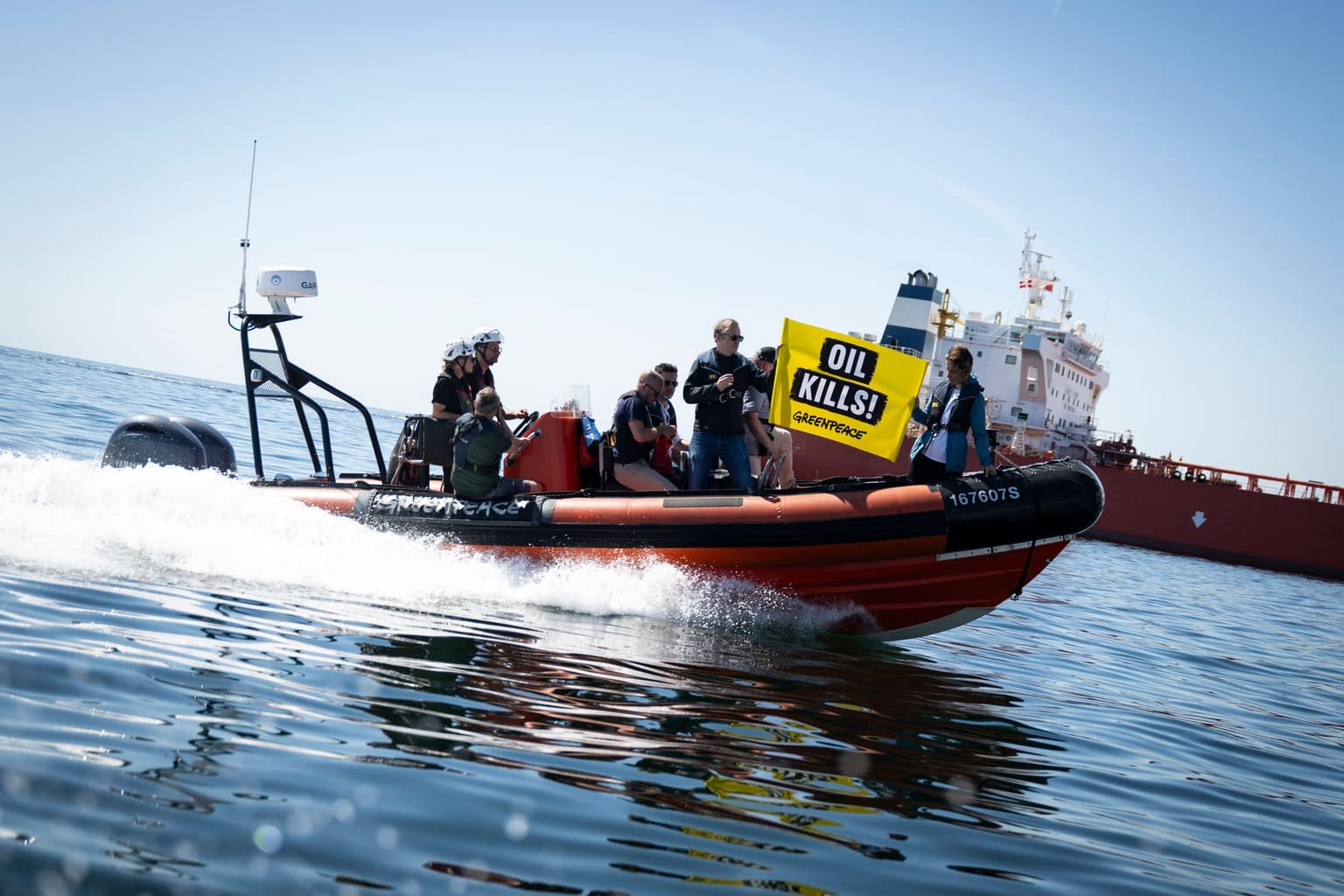
A Cameroon-flagged tanker belonging to Russia's shadow fleet has been leaking oil into a marine protected area off the coast of Oman since the end of July, threatening ecological disaster.
The state-run Oman News Agency reported on Aug. 10 that Omani authorities have launched a "comprehensive response" to secure the Caroline Bezengi vessel and mitigate the impact on the marine ecosystem and maritime navigation.
The ship has been sanctioned by Ukraine, the EU, the U.K., Canada, and Switzerland as one of some 1,400 dangerously old, uninsured, and third-party-country vessels that have been helping Russia circumvent Western sanctions.
AFP reported that the tanker had been stranded near Al-Qibliyyah Island for over a month and that explosions occurred on June 6. The last signal shared by the ship tracking website Marine Traffic reports the Caroline Bezengi in the area as of June 11.
No party has claimed responsibility for the incident.
The environmental NGO Greenpeace estimates that the ship was carrying 800,000 barrels of oil, which has been leaking into the marine protected area for weeks.
Oman's environmental agency said the oil slick has reached 390 square kilometers (150 square miles), stretching from the Hallaniyat Islands towards the mainland coast, according to the Omani state media.
Greenpeace has provided even higher estimates, reporting that the area affected has grown from 45 square kilometers (17 square miles) on July 26 to 600 square kilometers (230 square miles) as of Aug. 4.
"This is a drastic increase, indicating a deterioration of the vessel's condition," said Nina Noelle, an environmental disaster expert from Greenpeace Germany.
"Sea turtles rely on the island's beaches for nesting and egg-laying, while many seabird species depend on the islands as critical breeding sites. The surrounding waters are also home to the rare Arabian Sea humpback whale," warns Greenpeace campaigner Hanen Keskes.
Oman's environmental agency's head, Abdullah bin Ali Al-Omari, told Oman TV News on Aug. 9 that the "National Oil Spill Contingency Plan" had been activated and that mitigation measures included "plugging the holes, attempting to rebalance the ship, and conducting dive operations to ensure the integrity of the tanks in the depths."
European countries have increased inspections and interceptions of shadow fleet vessels in recent months, with environmental concerns playing a prominent role.
"Shadow fleet vessels are a serious threat to the environment and neglect safety rules," Anitta Hipper, an EU spokesperson for Foreign Affairs and Security Policy, told the Kyiv Independent.
Sweden's coastguard likewise warned that "lack of safety, maintenance, and competence is both a threat to the environment and to other maritime traffic."
The EU also expanded the scope of its naval operation Atalanta in July to intercept shadow fleet ships in the Indian Ocean, meaning the bloc could intercept suspect ships near Oman in the future before they cause damage.