What Trump’s easing of Russia oil sanctions means for Putin’s war spending
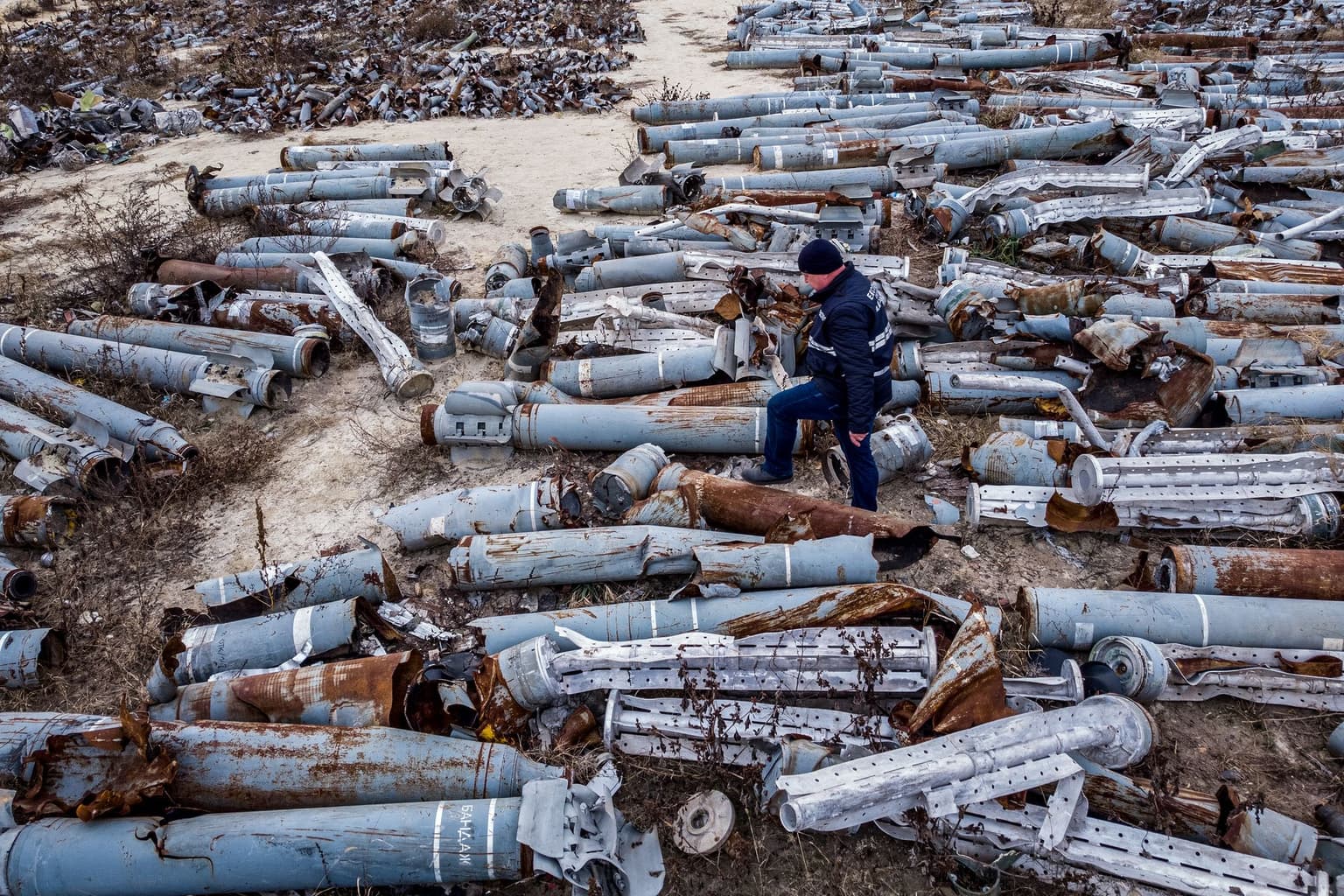
An expert from the prosecutor’s office examines collected remnants of shells and missiles used by the Russian army to attack Kharkiv, Ukraine, in an aerial view on Dec. 7, 2022. (Oleksii Filippov / AFP / Getty Images)
 on Google
The easing of sanctions on Russian oil by the White House could land the Kremlin $150 million a day to fund its war machine in Ukraine, U.S. Democratic senators have warned.
"President Trump's decision to provide sanctions relief to Russia is yet another example of how Putin has been one of the prime beneficiaries of President Trump's poorly conceived and executed war against Iran," Senators Elizabeth Warren, Jeanne Shaheen, and Chuck Schumer said in a March 13 statement shared with the Kyiv Independent.
While Russia has already set its military budget for this year, President Volodymyr Zelensky has warned the Kremlin would likely spend additional revenues on weapons, particularly drones used in Russia's deadly mass attacks on Ukrainian cities.

The Kyiv Independent calculated how many of these — and other weapons — Russia could buy with $150 million.
Attack drones
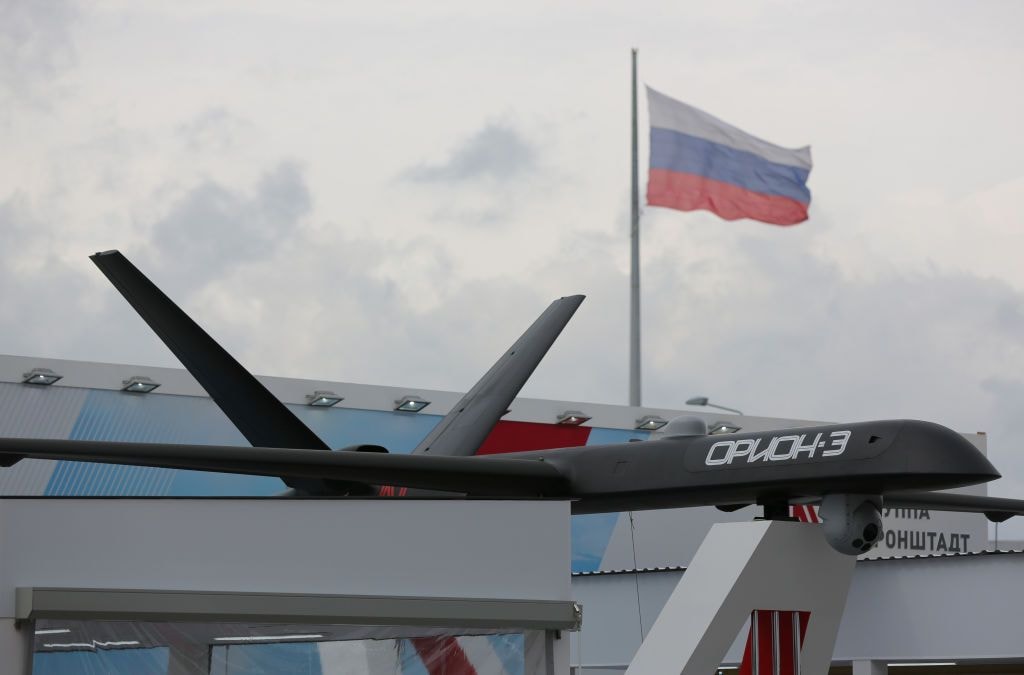
Russia began using Iranian-made Shahed drones against Ukraine in October 2022. It now domestically produces its own copy called a Geran in vast numbers, which is one of Russia's most widely used weapons in the war against Ukraine.
They are typically launched in large nighttime swarms to overwhelm air defenses and hit cities and infrastructure.

Russia has rapidly scaled up their use. In January alone, Moscow launched more than 6,000, Zelensky said. Some overnight attacks now include more than 500 drones at once.
Gerans are relatively cheap compared with missiles. Analysts estimate Russian-produced drones cost around $20,000–$50,000 each, depending on the model.
At that price, $150 million could fund approximately 3,000–7,500 Shahed drones. That is roughly equal to a full month of Russia's drone attacks against Ukraine.
Cruise missiles
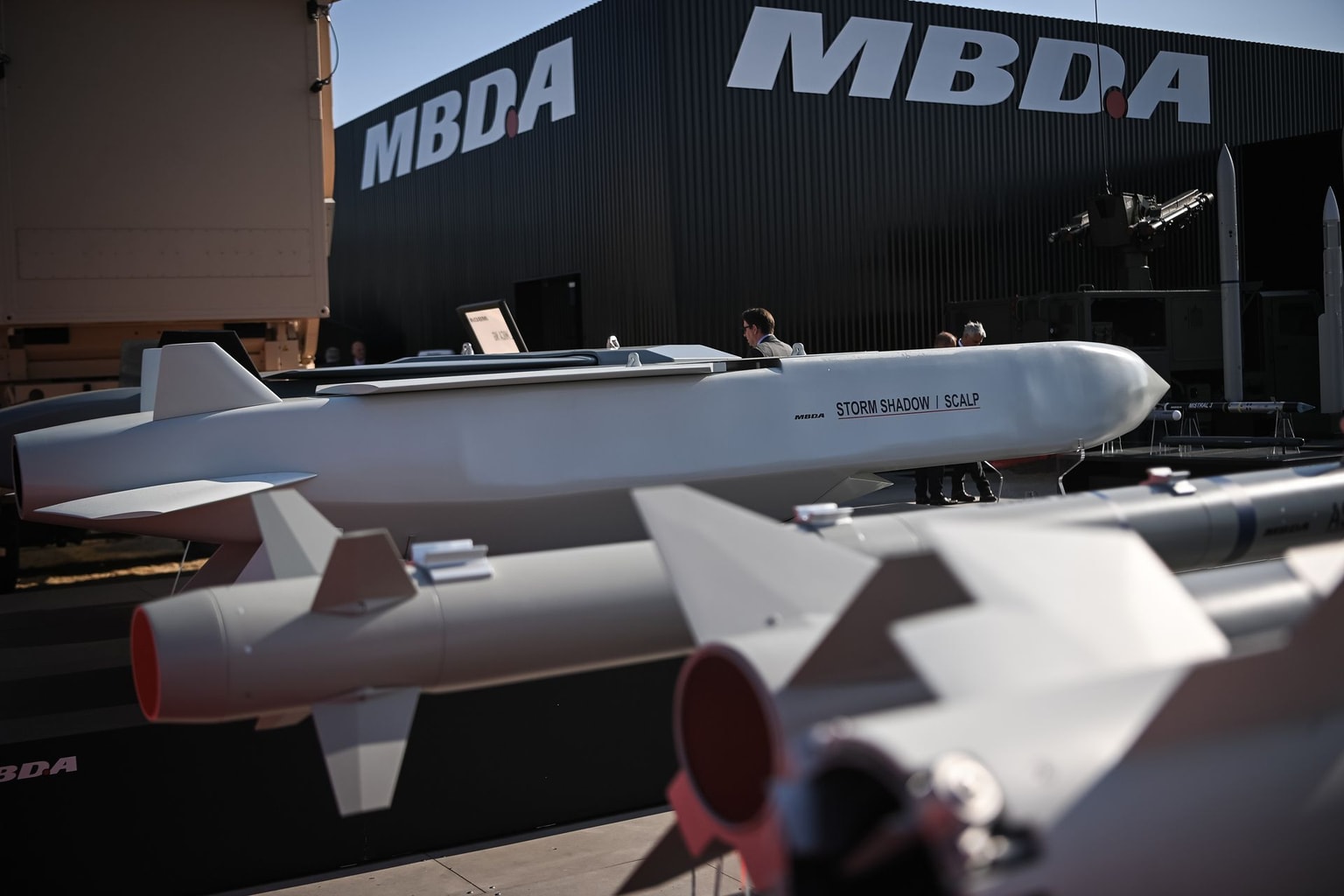
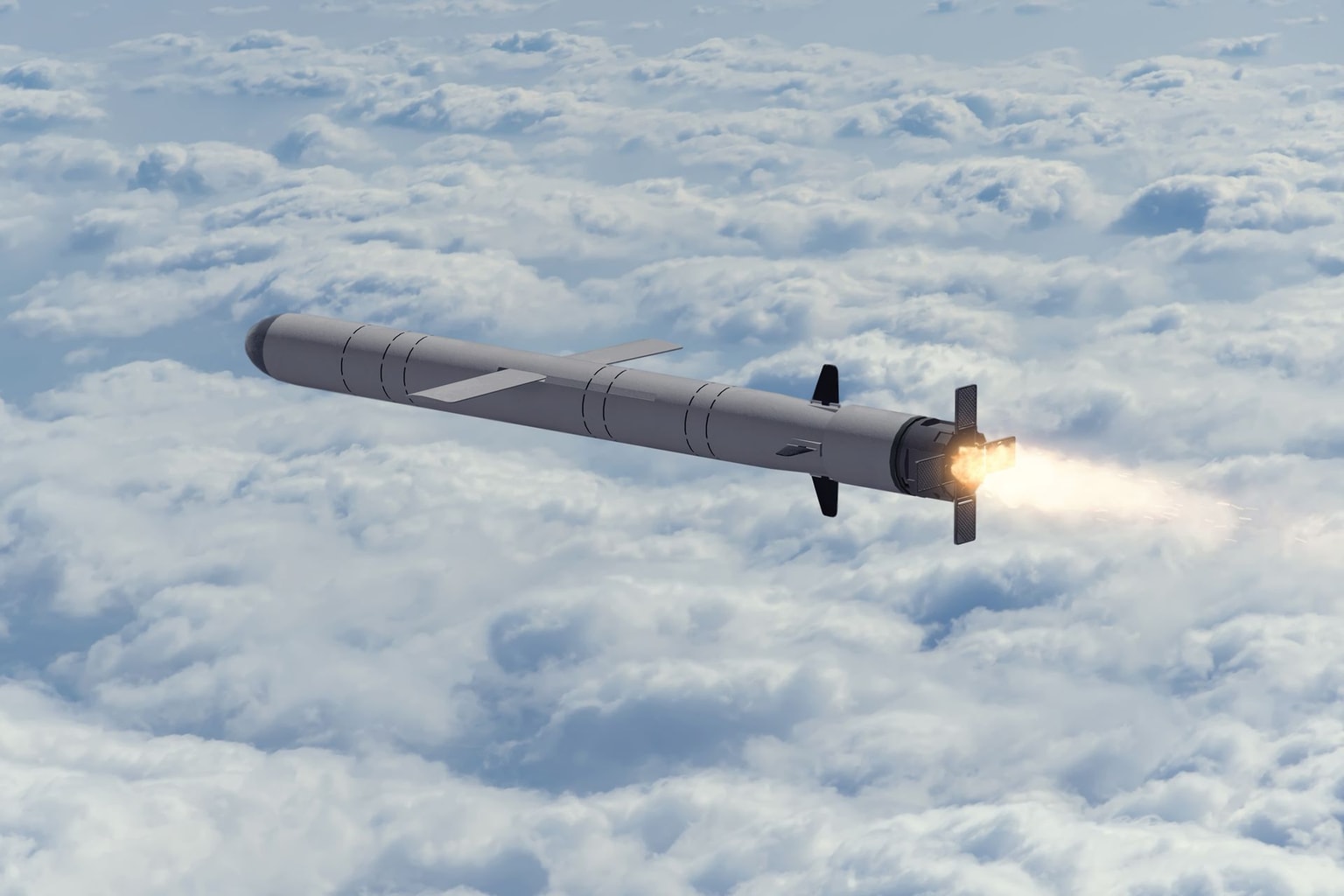
Cruise missiles are one of Russia's main long-range strike weapons, launched against Ukrainian cities from the safety of Russian airspace and territory. The most commonly used include Kalibr, Kh-101, and Kh-22/Kh-32 missiles, launched from ships, aircraft, or ground systems, and capable of hitting targets all over Ukraine.
These missiles have been used in some of the deadliest attacks on Ukrainian civilians. In June 2022, a Russian Kh-22 cruise missile struck a shopping mall in Kremenchuk, central Ukraine, killing at least 21 people.
In November 2025, a Russian Kh-101 missile hit apartment buildings in Ternopil, a city about 200 kilometers (120 miles) from the Polish border, killing at least 38 people and injuring more than 90.


Cruise missiles are far more expensive than drones. According to Russia's procurement documents obtained by media outlet Militarnyi, a Kh-101 cruise missile costs approximately $2–2.4 million, while Kalibr missiles cost about $2–2.3 million per unit. A ground-launched Iskander-K missile costs roughly $1.5–$1.8 million.
At those prices, $150 million could fund approximately 62–75 Kh-101 missiles, around 65–75 Kalibr missiles, or roughly 83–100 Iskander-K missiles — enough for 3-5 mass aerial attacks.
Ballistic missiles
Unlike cruise missiles or drones, ballistic missiles are rocket-powered and launched high into the atmosphere before arcing back down toward their target at extremely high speed, giving air defenses very little time to intercept them.
Russia's main ballistic weapons include the Iskander-M missile, launched from ground systems, and the hypersonic Kinzhal air-launched ballistic missile.Russia relied on these weapons during its winter campaign to destroy Ukraine's energy infrastructure.
Ukrainian Air Force spokesperson Yurii Ihnat said Moscow significantly increased the use of ballistic missiles in 2025–2026, including around 15 major attacks over the winter, targeting the Ukrainian energy grid.

Stopping them is also much harder than drones or cruise missiles. Ukraine critically lacks air defenses capable of intercepting ballistic missiles. Zelensky said in February 2026 that around 80% of Ukraine's territory remains exposed to Russian ballistic missile strikes.
In terms of price, Iskander-M missiles cost approximately $2.4–3 million per unit, while Kinzhal missiles cost about $4.5 million each. This means that $150 million could fund roughly 33 Kinzhal missiles and 50-62 Iskander-M missiles.
FPV drones
FPV drones — small first-person-view attack drones controlled by an operator using live video — have become one of the most widespread weapons on the battlefield. Cheap and precise, they are used to strike vehicles, trenches, and increasingly, civilians near the front line.
In Kherson, where Russian forces remain on the opposite bank of the Dnipro River, FPV drones have been used in systematic attacks on civilians, known as "human safari."
According to the open-source monitoring project Tochnyi, 3,152 civilians were injured or killed in Kherson Oblast in 2025, including 332 deaths, as Russian drone troops increasingly targeted people in streets, cars, and evacuation vehicles.
The scale of drone use has grown rapidly. At the beginning of 2025, around 50–60 Russian drones entered Kherson each day. By the end of the year, the number exceeded 300 per day.
Ukrainian drone manufacturer Eskadron told Militarnyi that a typical FPV drone costs around $300–$700, meaning $150 million could finance around 214,000 to 500,000 FPV drones.

Sign-up bonuses
In its war against Ukraine, Russia relies on contract soldiers — paid volunteers who sign military contracts and can be sent to fight. Contracts operate alongside Russia's regular conscript army, whose soldiers by law cannot be sent abroad.
To attract recruits, Moscow offers large one-time sign up bonuses. According to Ukraine's military intelligence (HUR), payments can reach around $30,000, depending on the region.
To keep the war going, Russia must sign up more soldiers than it loses — now around 30-35,000 a month, with Ukraine aiming to raise that to 50,000 this year.
At those rates, $150 million could finance around 4,400–5,500 new Russian soldiers.
With daily Russian losses typically hovering around the 1,000 mark, this is enough cannon fodder for 4-6 weeks.