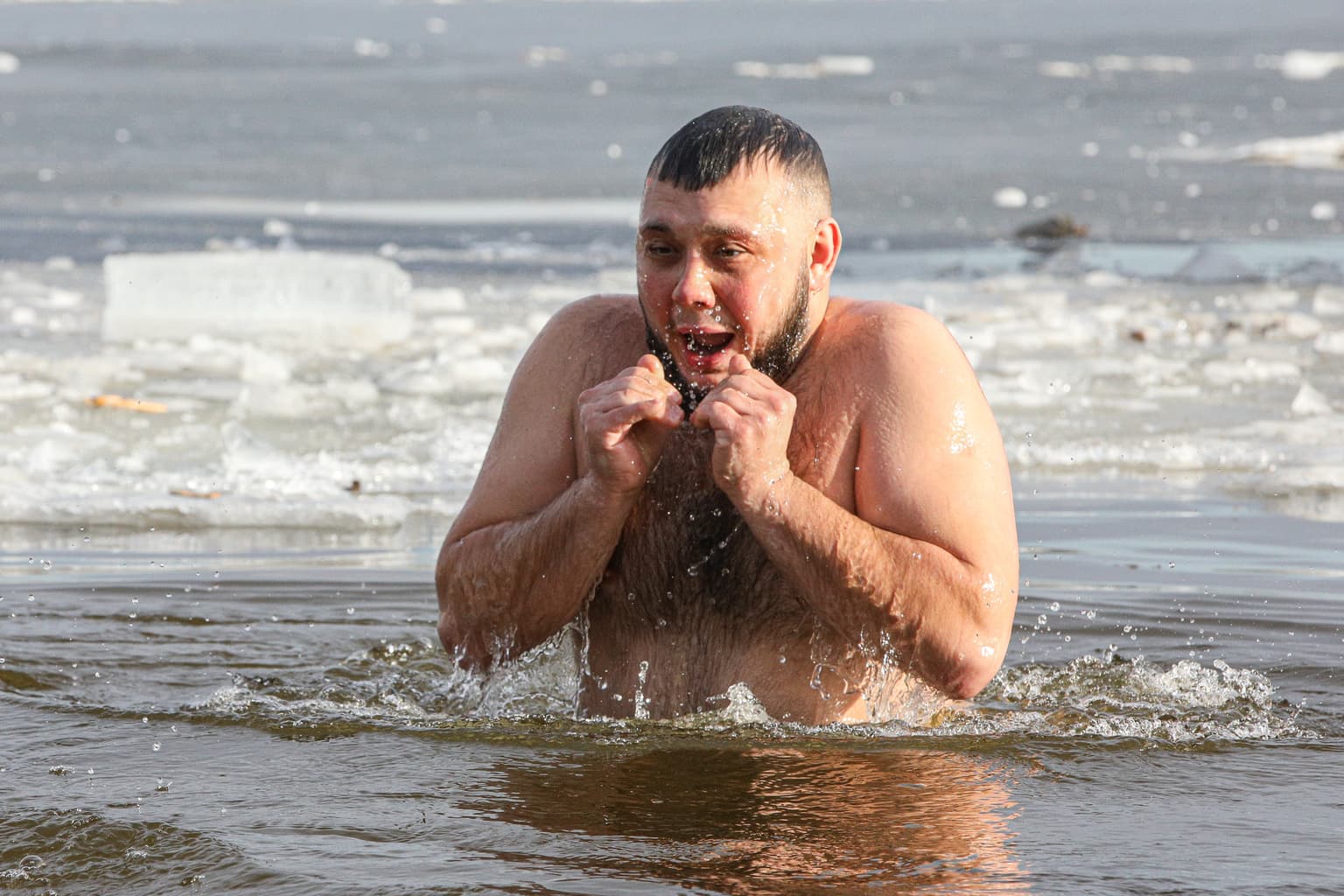
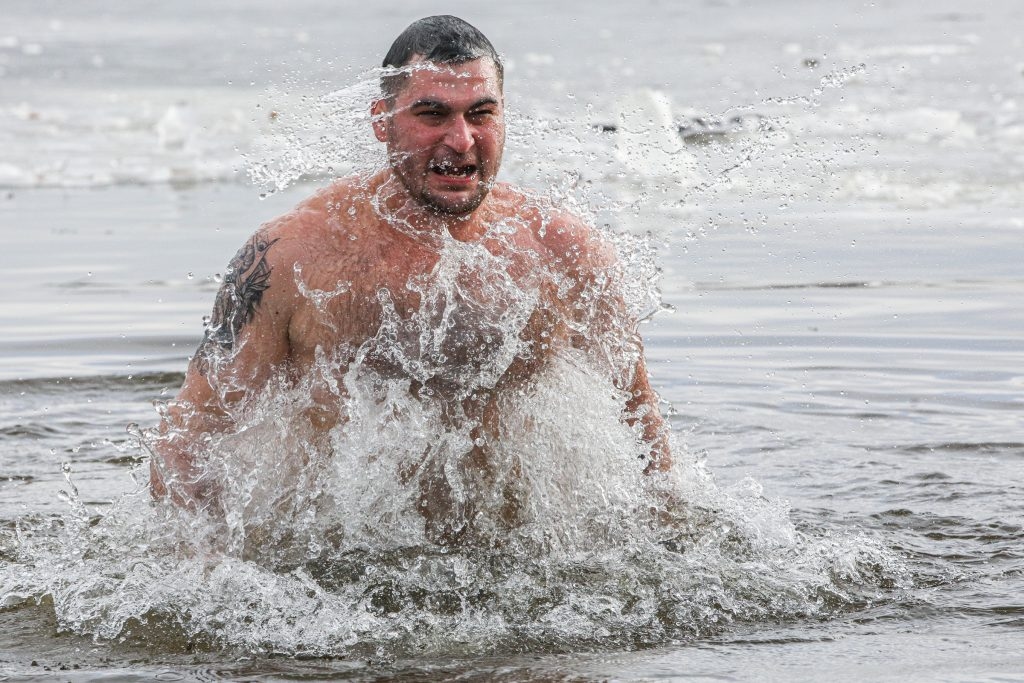
A man reacts to the icy water during the Orthodox Christian feast of Epiphany on Jan. 19, 2022 in Kyiv's Obolon district. (Kostyantyn Chernichkin)
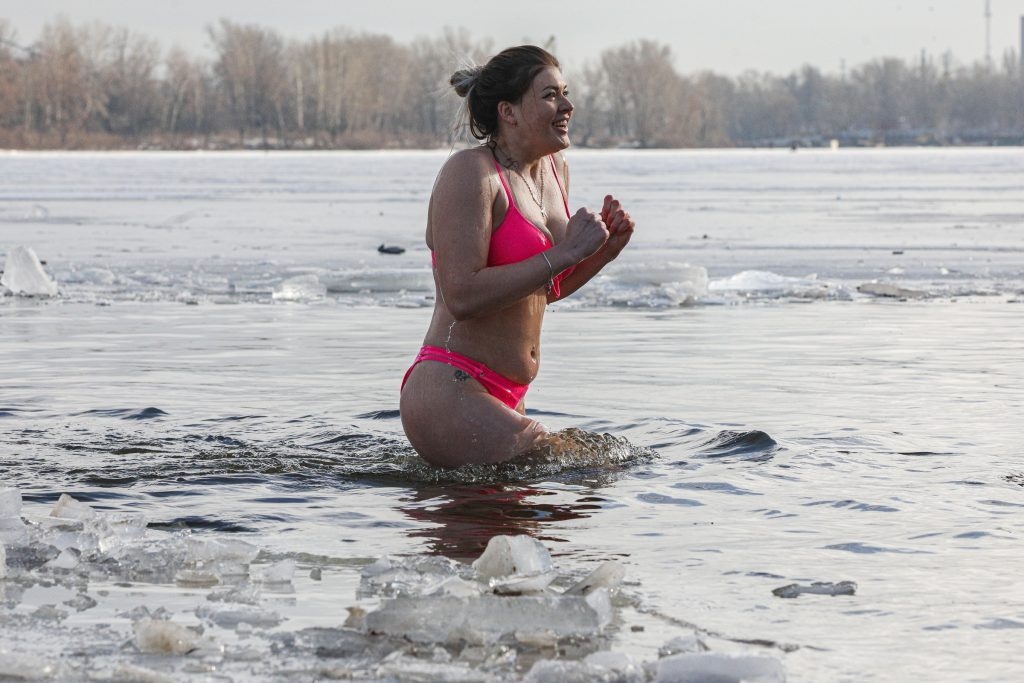
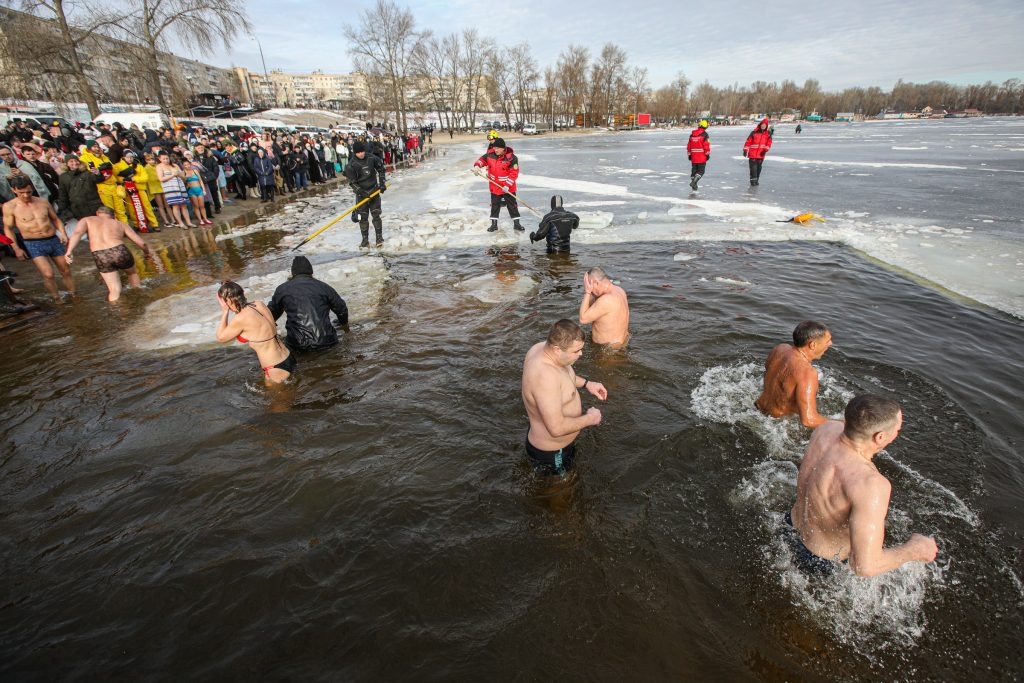
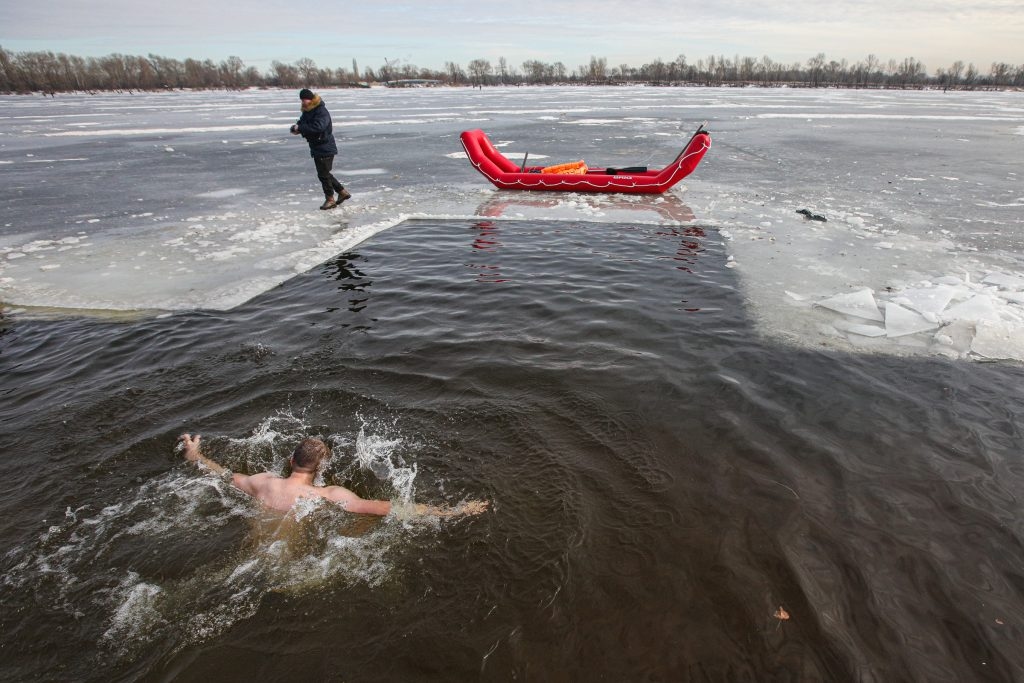
Dozens of people plunged into the icy waters of the Dnipro River on Jan. 19 in Kyiv's northern district of Obolon to celebrate Epiphany.
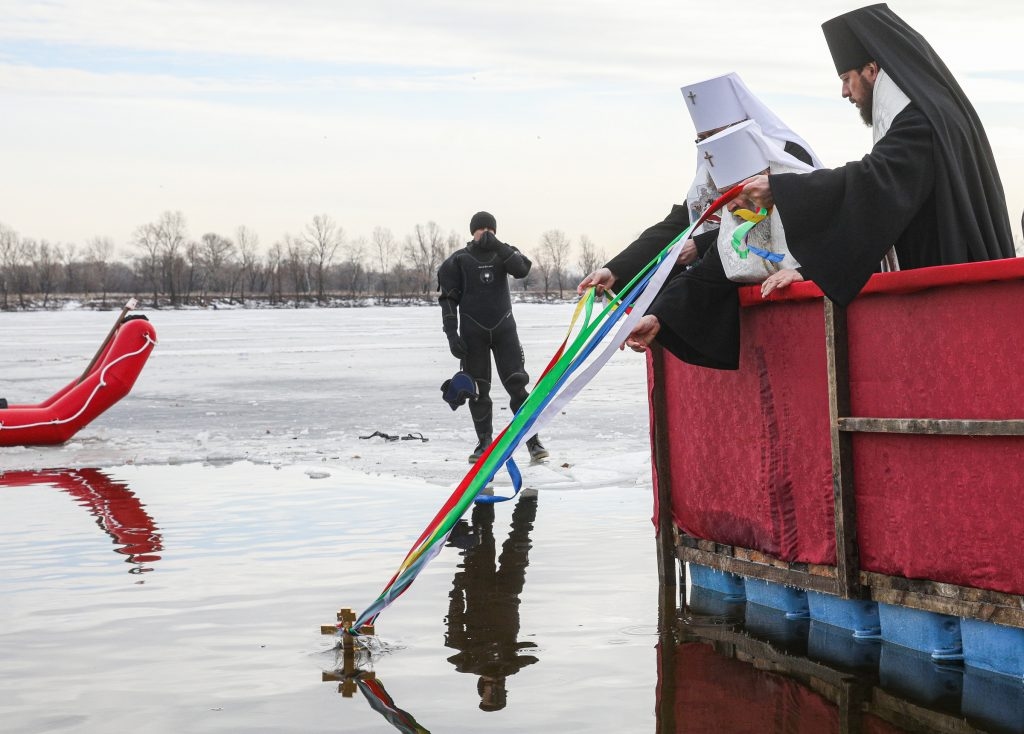
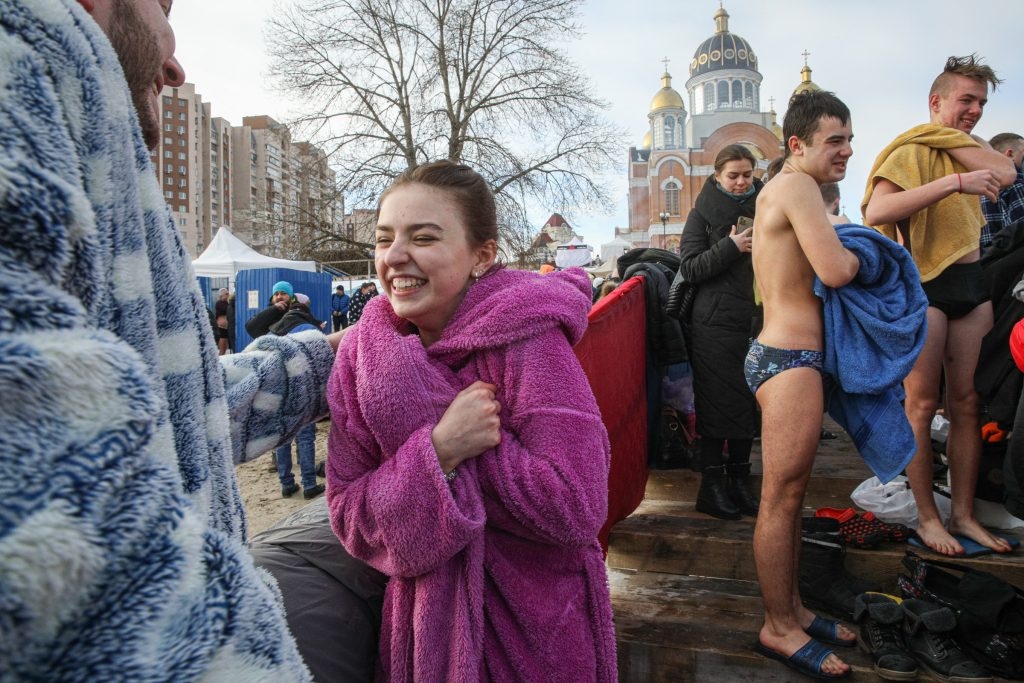
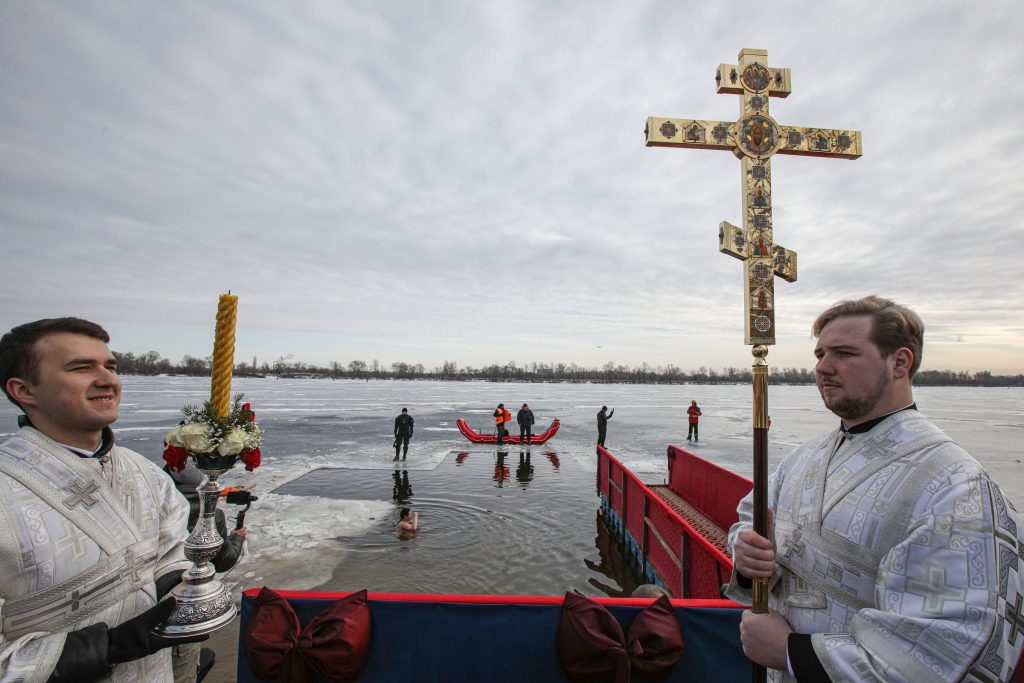
A woman reacts after taking a dip in icy water during the Epiphany Day celebrations of Epiphany on Jan. 19, 2022 in Kyiv's Obolon district. (Kostyantyn Chernichkin)Priests bless the water in the Dnipro River during the Epiphany Day celebrations at Kyiv's Obolon district on Jan. 19, 2022. (Kostyantyn Chernichkin)
The tradition to bathe in the freezing water of a river or lake comes from a popular belief that on this day, the water brings health or even washes away one's sins.
People walk into the icy waters of the Dnipro River during the Epiphany Day celebrations at Kyiv's Obolon district on Jan. 19, 2022. (Kostyantyn Chernichkin)People dress after swimming in the cold waters of the Dnipro River during the Epiphany Day celebrations in Kyiv on Jan. 19, 2022. (Kostyantyn Chernichkin)
Lately, the perception of this ritual in Ukraine has been changing. Some point out that the tradition isn't native to Ukraine, and has been adopted from Russia in the 20th Century. In light of Russia's war against Ukraine, which has been ongoing since 2014, the subject becomes sensitive.
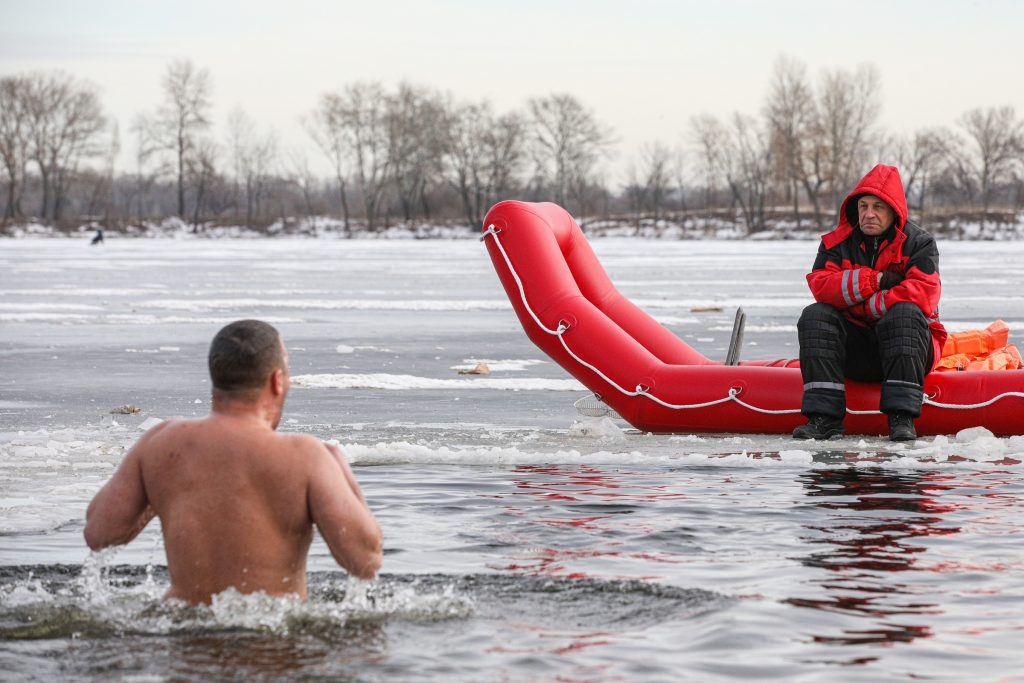
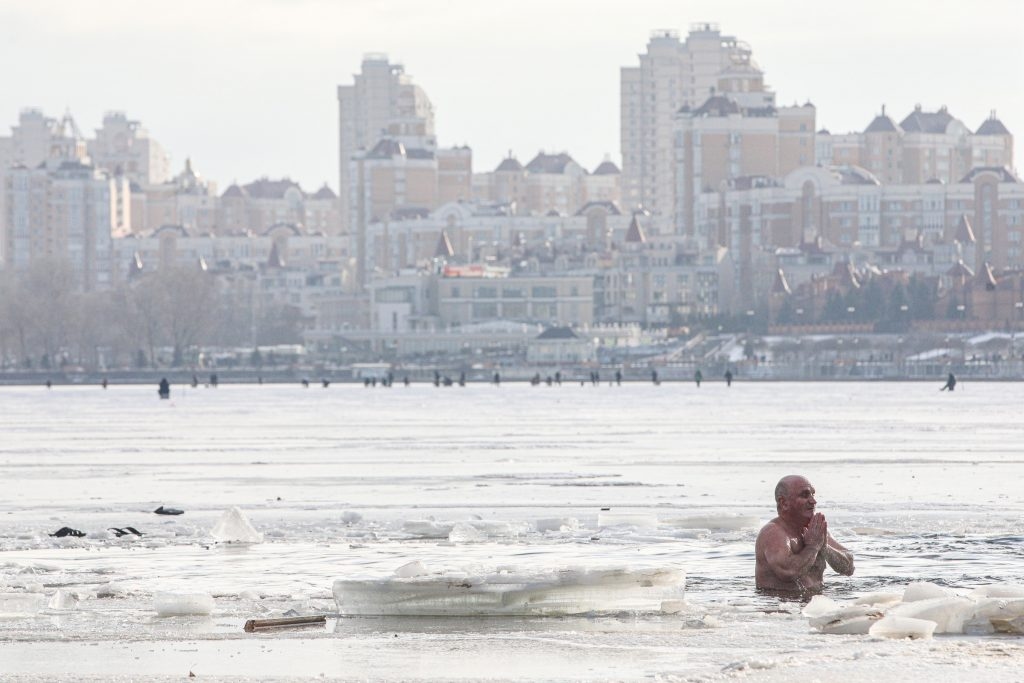
A lifeguard looks at man as he dips into the icy waters of the Dnipro River during the Epiphany Day celebrations in Kyiv's Obolon district on Jan. 19, 2022. (Kostyantyn Chernichkin)A man prays as he dips into the Dnipro River during the Epiphany Day celebrations in Kyiv's Obolon district on Jan. 19, 2022. (Kostyantyn Chernichkin)
The Orthodox Church of Ukraine has been vocal in its objections to the bathing tradition. The church was established in 2019 as an independent Ukrainian church, an alternative to the Moscow Patriarchate-governed church which was previously the largest in Ukraine.
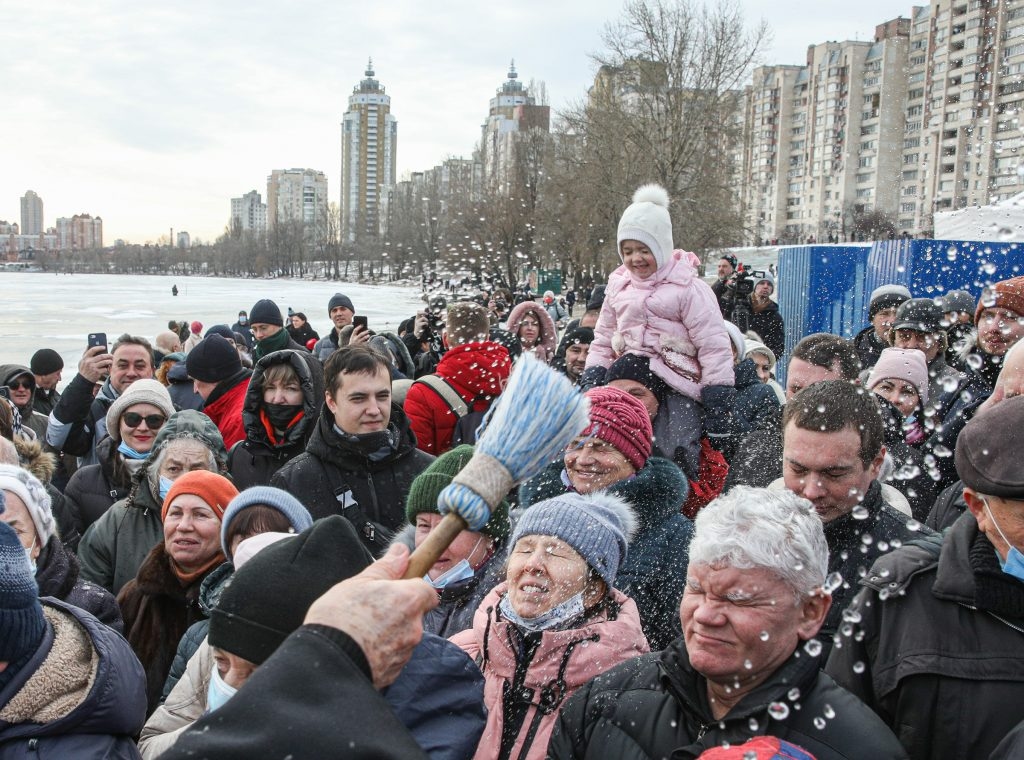
A priest sprinkles believers with holy water during the Orthodox Epiphany service at the Dnipro River in Kyiv's Obolon district on Jan. 19, 2022. (Kostyantyn Chernichkin)
While the Orthodox Church of Ukraine opposes the bathing tradition, the Russia-backed church, which still remains popular in Ukraine, actively encourages it. The celebration in Obolon was organized by one of the local churches from the Russia-backed Orthodox church.
A man takes a dip into the Dnipro River during the Epiphany Day celebrations in Kyiv's Obolon district on Jan. 19, 2022. (Kostyantyn Chernichkin)A man dips into the Dnipro River during the Epiphany Day celebrations at Kyiv's Obolon district on Jan. 19, 2022. (Kostyantyn Chernichkin)
The practice comes with some risk: a 52-year old man was found drowned today after taking an icy dip near the town of Fastiv in Kyiv Oblast, according to a police report.
Priests participate in the Orthodox Epiphany service at the Dnipro River in Kyiv's Obolon district on Jan. 19, 2022. (Kostyantyn Chernichkin)A man takes a dip in icy water during the Orthodox Christian feast of Epiphany on Jan. 19, 2022 in Kyiv's Obolon district. (Kostyantyn Chernichkin)
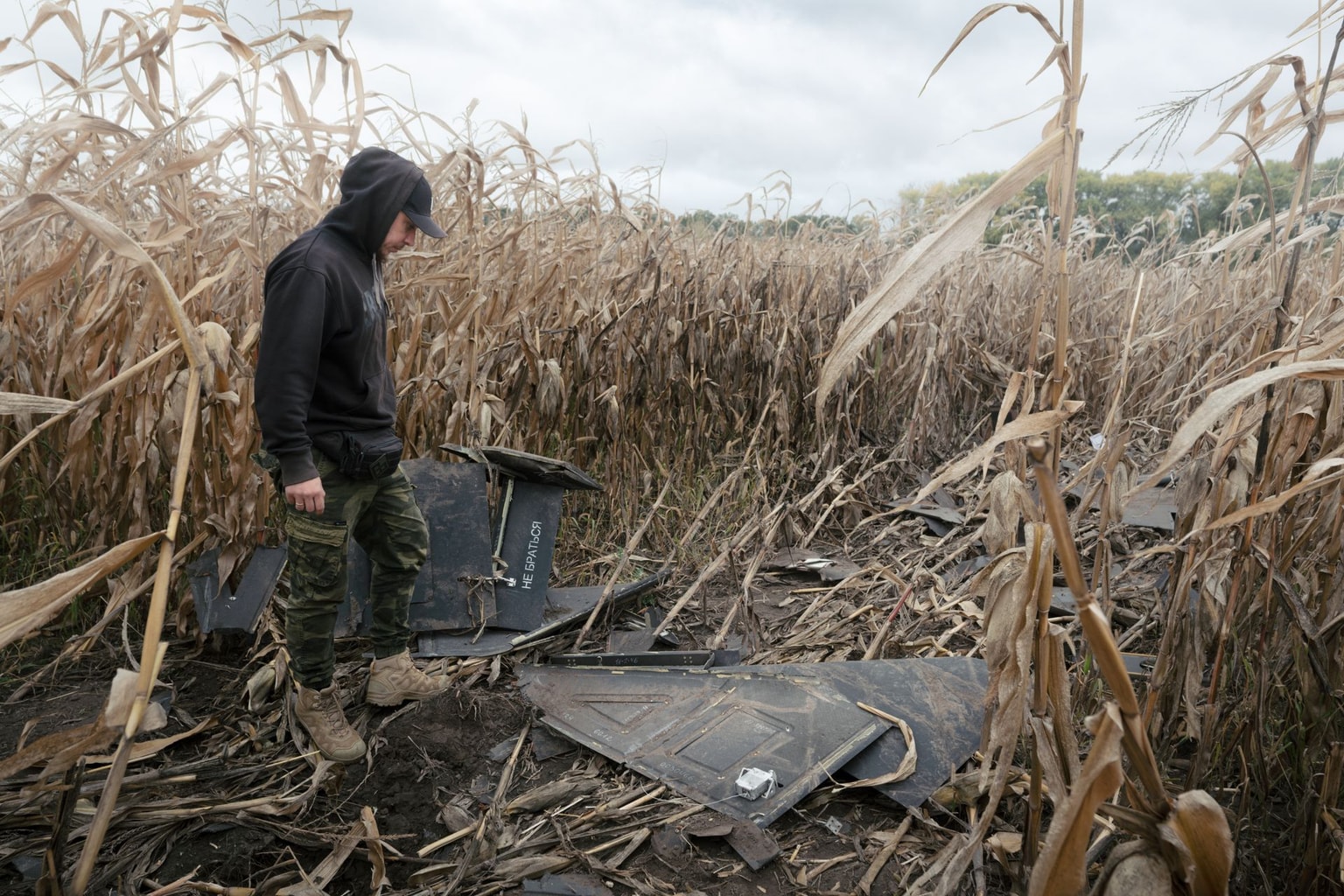
Alongside attacks on Vinnytsia, Russia launched 153 Shahed-type drones at Ukraine overnight on Oct. 25, including 92 jet-powered drones, as well as low-cost Banderol cruise missiles, the Ukrainian Air Force said.
The gas project was part of an energy deal discussed by U.S. peace envoys Steve Witkoff and Jared Kushner during their September visit to the Kremlin, sources told the New York Times.
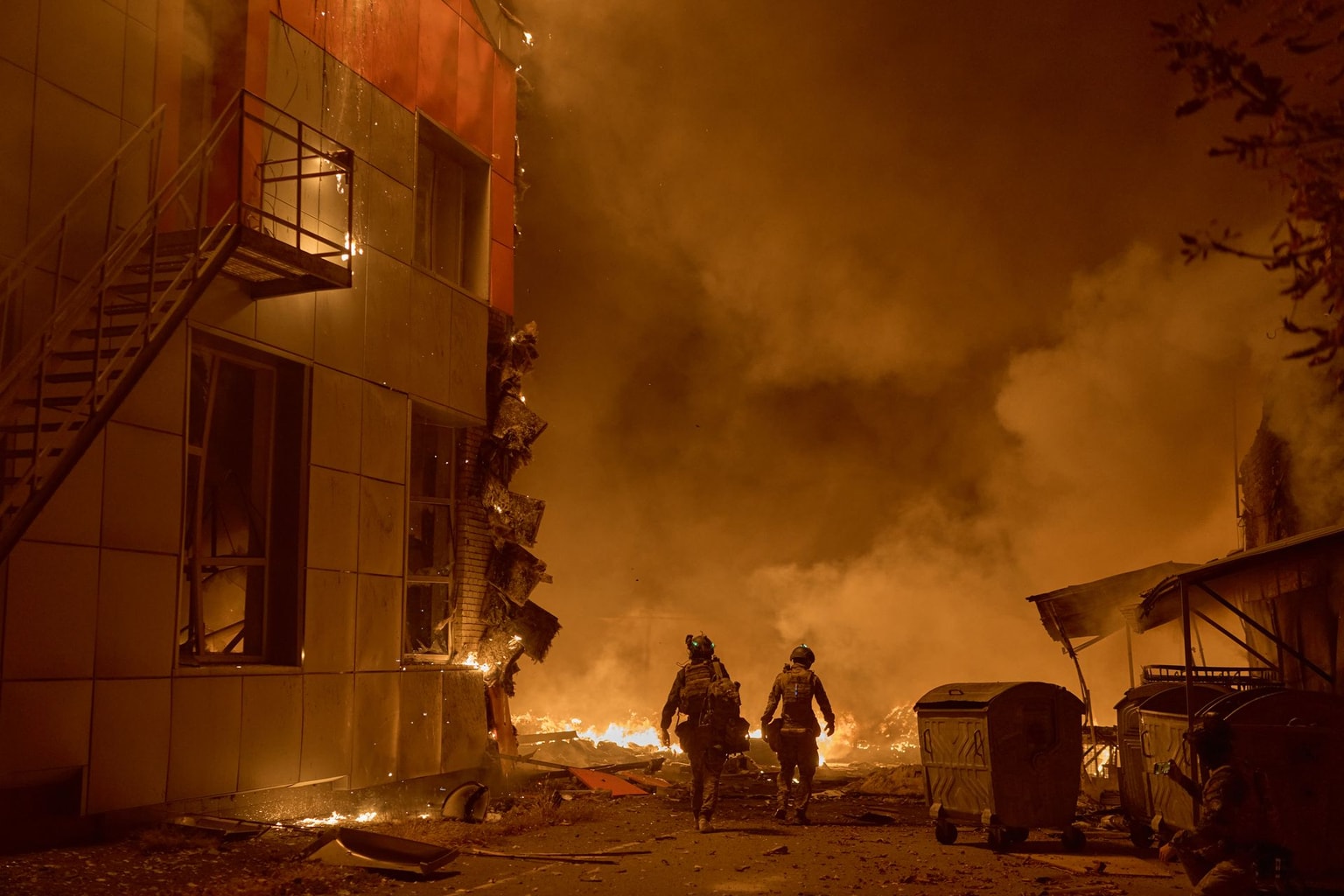
One of the injured victims is an 11-year-old girl. Five wounded individuals are being treated in the hospital, with two in serious condition and undergoing surgery.
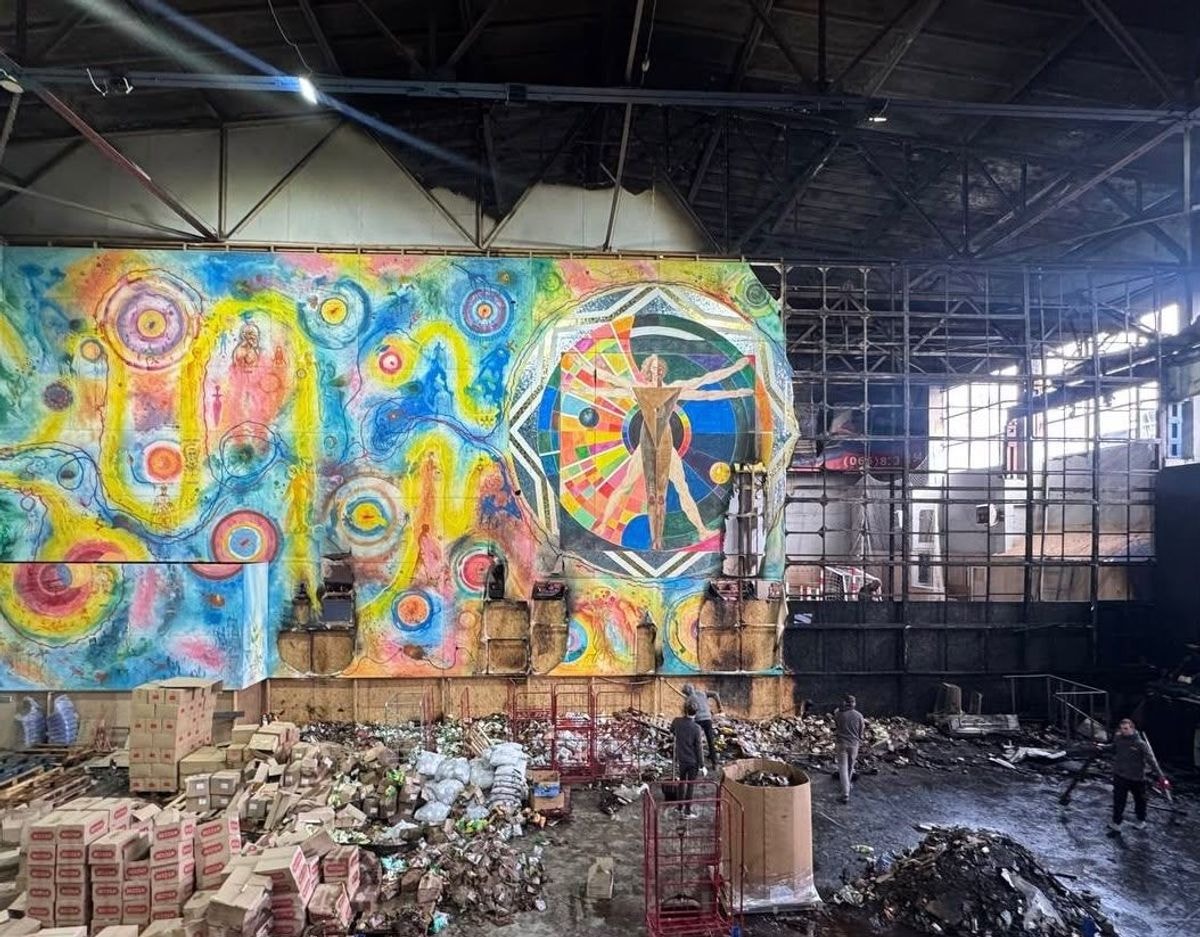
Ukraine struck several targets, including a petrochemical plant and a warehouse in Siberia around 2,500 kilometers away from the border on Oct. 24, monitoring channels reported.
European Parliament Vice President Pina Picierno announced the hunger strike on Oct. 20, demanding an immediate humanitarian truce in the occupied town.
Included in the first sanctions list are 51 Russian citizens and 44 businesses producing and supplying raw materials, equipment, and tools used in long-range weapons like Iskander, Kalibr, Kh-101, and Kinzhal missiles.
Overnight, Russian forces launched 126 drones, 61 of which were jet-powered, while Ukraine's air defense managed to suppress 101 drones, including 50 jet-powered drones, the Air Force said.
Restrictions were placed on incoming and outgoing flights in Sheremetyevo, Domodedovo, Vnukovo, and Zhukovsky airports, Russian civilian aviation authority Rosaviatsiya reported.
Videos filmed by locals show smoke billowing over the city in the early morning, with reports claiming that the Tolyattikauchuk chemical plant was attacked and that evacuations took place at the AvtoVAZ car manufacturing factory.
This story exists because readers chose to back it. Behind it is a newsroom that will not look away — and a community of people who make that possible. It's thanks to 35,000 members that our reporting stays free for everyone to read, and we can continue our reporting. Will you be one of them?

 on Google