Court releases ex-Defense Ministry official charged with weapons procurement fraud without bail
 on Google
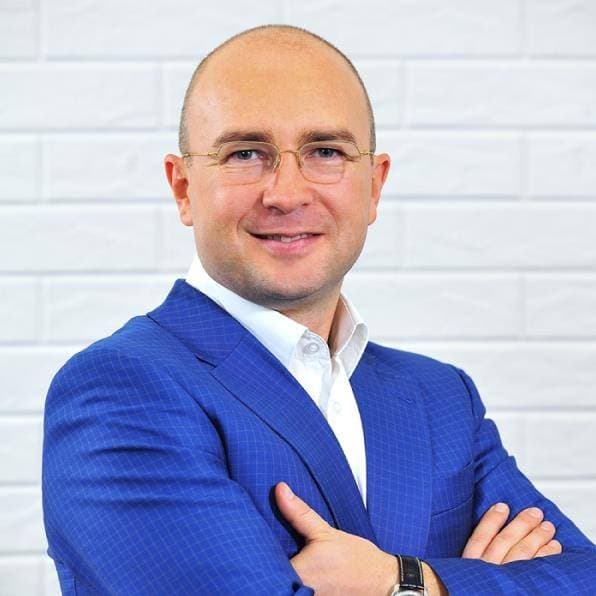
Ukraine's High Anti-Corruption Court ruled on March 15 to release Oleksandr Liyev without bail. Liyev is an ex-Defense Ministry official formerly tasked with weapons procurement.
Liyev was arrested in February 2024 in charges related to a corruption scheme revealed by the Security Service of Ukraine (SBU) in January that involved the procurement of almost 100,000 mortar shells, amounting to almost Hr 1.5 billion ($40 million).
His bail was originally at set at Hr 50 million ($1.3 million).
Liyev's laywer told the Suspilne media outlet that he had been released without bail on March 15.
The SBU said in January that the investigation had "exposed officials of the Ministry of Defense and managers of arms supplier Lviv Arsenal, who stole nearly Hr 1.5 billion in the purchase of shells."
According to the SBU, a contract for shells was secured with Lviv Arsenal in August 2022, six months into the full-scale invasion. The payment was made upfront, including the transfer of funds abroad. No arms were delivered, however, and some funds were subsequently moved to other foreign accounts.
Liyev was reportedly arrested in relation to the scheme while trying to flee the country. He has denied the validity of the charges.