Investigations

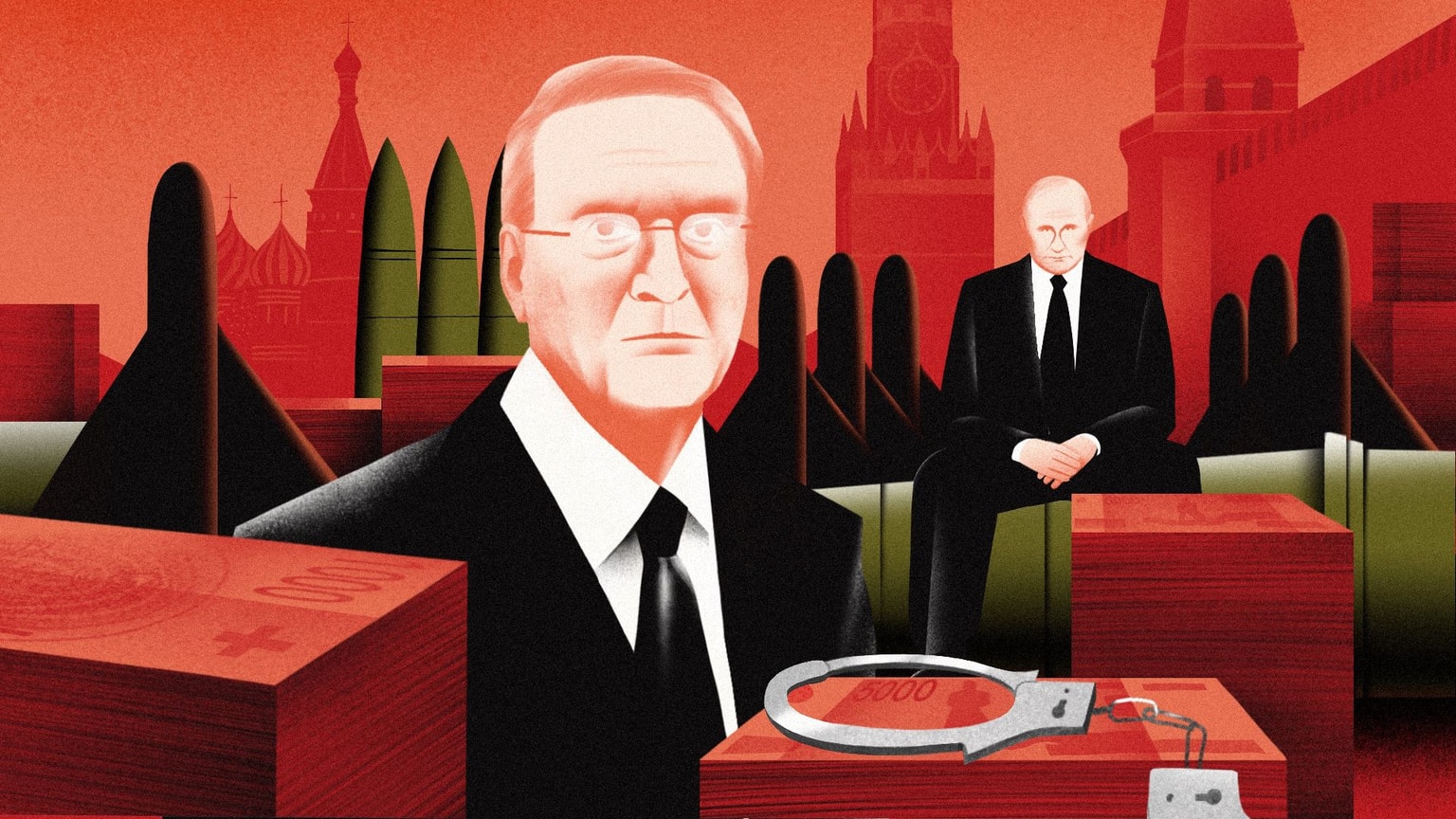
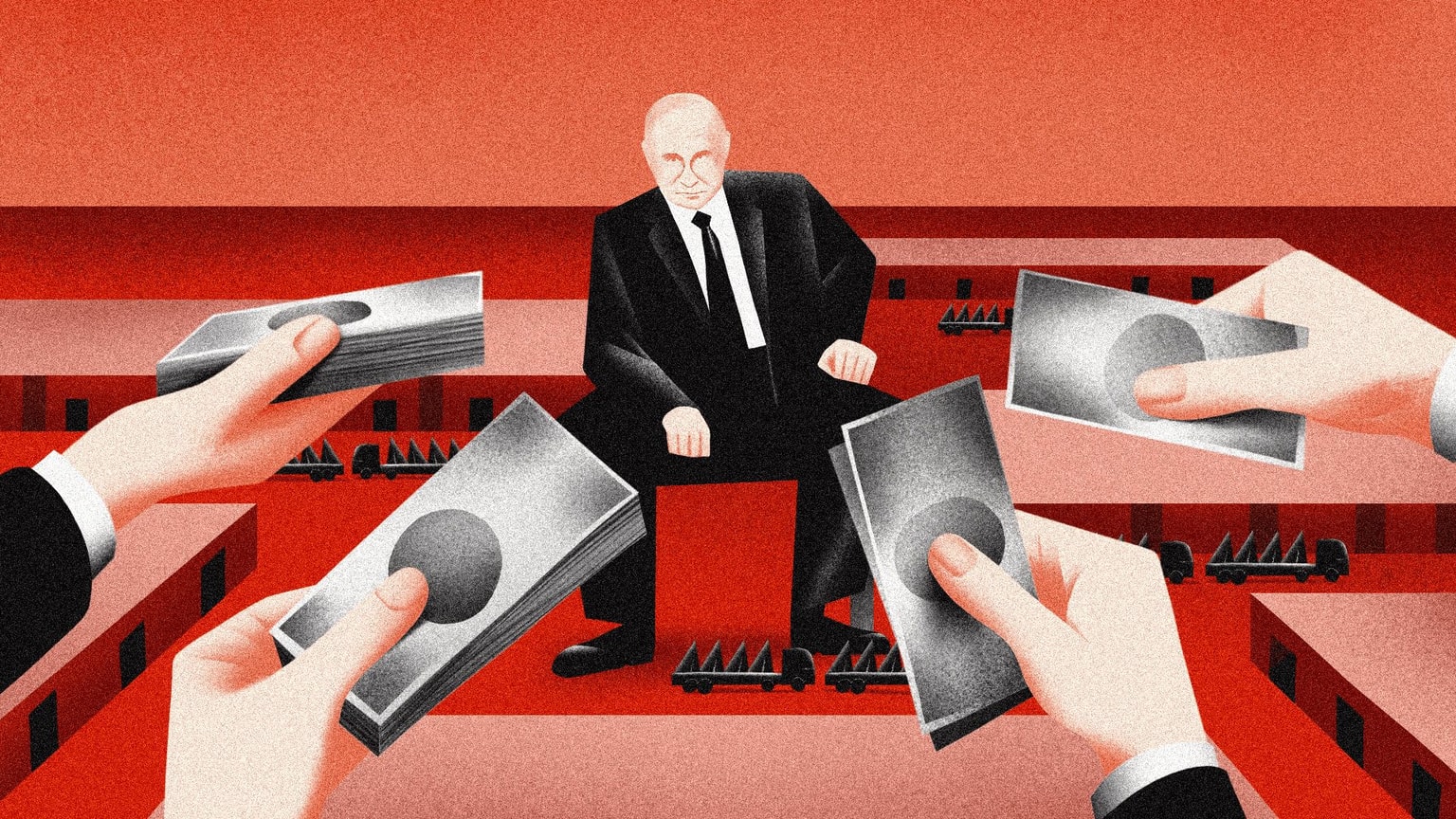
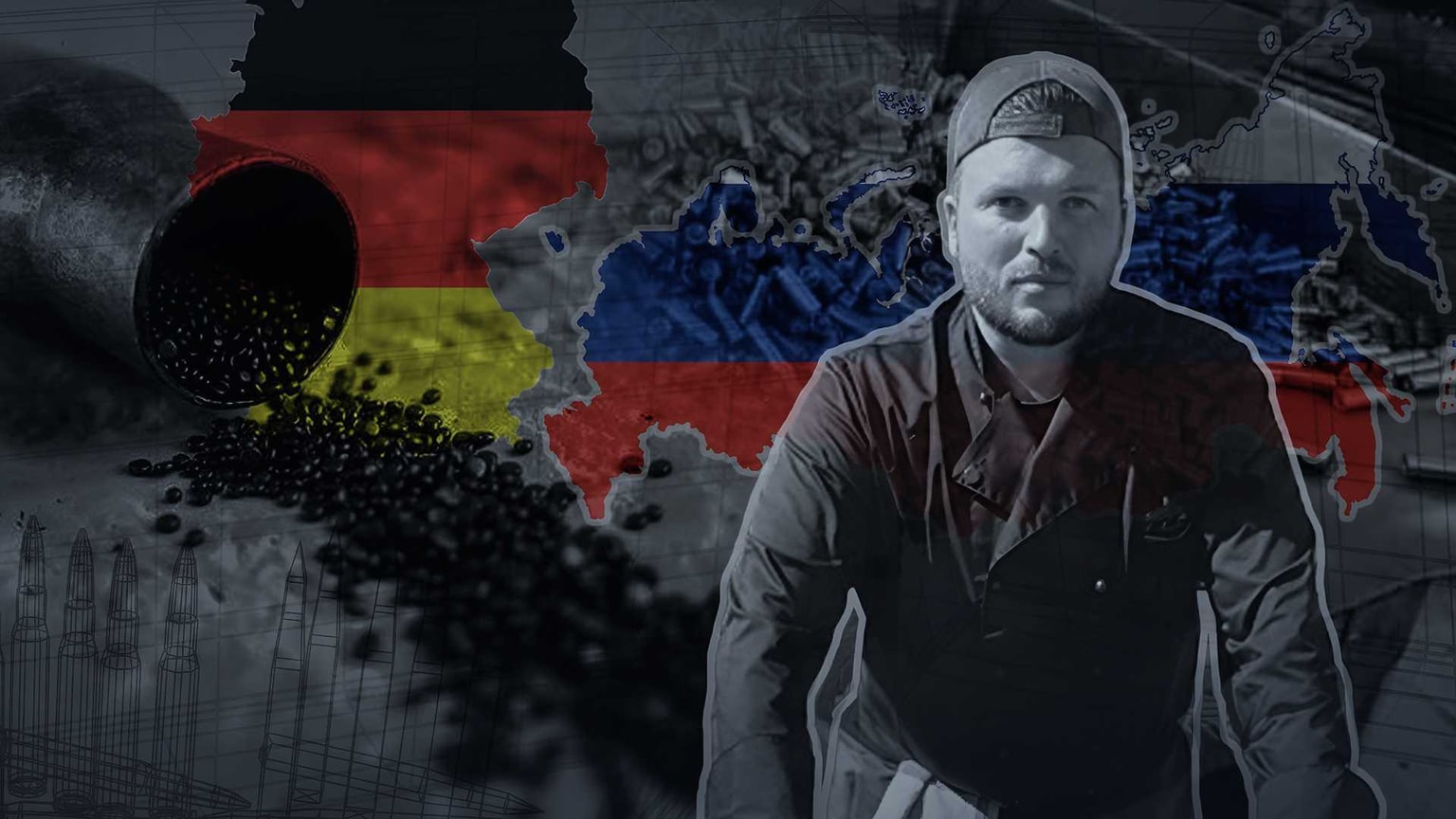
Investigation: How EU machinery keeps feeding Russian missile makers
Investigations

Investigation: How EU machinery keeps feeding Russian missile makers

by Alisa Yurchenko

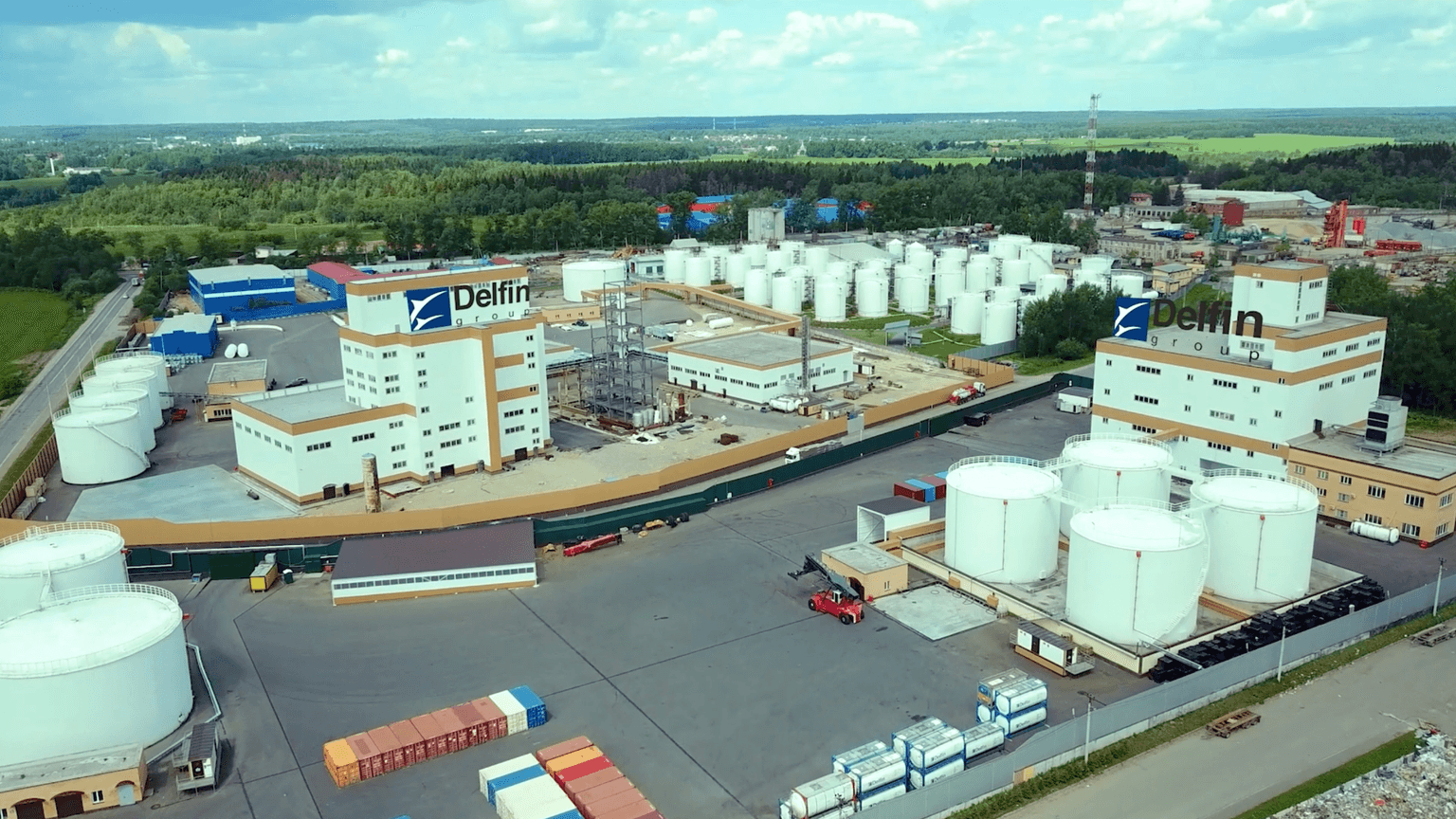
Editor's note: This investigation is a collaboration between The Kyiv Independent (Ukraine), IrpiMedia (Italy) and OCCRP.  The story is also available in German, translated by Krautreporter. Key findings * A Turkish company co-owned by an EU national shipped EU-made equipment to Russian defense plants despite European export restrictions, customs records reveal. * The Russian plants use such equipment to produce metal alloys, later used to make missiles and fighter jets. * Two plants that

News Feed

Not only walls — rebuilding a young generation's right to belong

When a russian strike hit the building in Sumy where our teenagers met each week, I was sure we had lost them. They were frightened; some could not stop shaking. They had felt the blast. We brought in psychologists without asking for anything in return. Less than two weeks later, the same teenagers found a new venue and finished the program. I have returned to that moment many times since. The courage of those youngsters astonished me. They had found a place where their voice counted, and they

Children play soccer next to a damaged building following shelling in Kramatorsk, Donetsk Oblast, Ukraine, on May 6, 2023.

Behind the lies of the latest guest on Tucker Carlson's podcast — a criminal Russian arms dealer

In 2022, American commentator Tucker Carlson condemned the U.S. giving up Russian arms dealer Viktor Bout in a prisoner swap, calling him "an indisputably serious criminal" who "sold weapons to terror groups that killed Americans." Just four years later, Carlson welcomed Bout on his podcast to promote Russian talking points to his millions of viewers. "I can understand why (former U.S. President) Barack Obama wanted to put you in prison," Carlson laughingly told Bout, praising the arms dealer

New EU steel quotas are a crippling hit to Ukraine's industry

The EU's new steel allocation, set to enter into force on July 1, was introduced in response to global steel overcapacity, which has been hurting EU producers. The measure aims to restrict tariff-free steel imports to 18.3 million metric tons per year, a 47% reduction.

News Feed