Around 25% of Kyiv's residential buildings remain without heating as freezing weather persists, mayor Klitschko says
 on Google
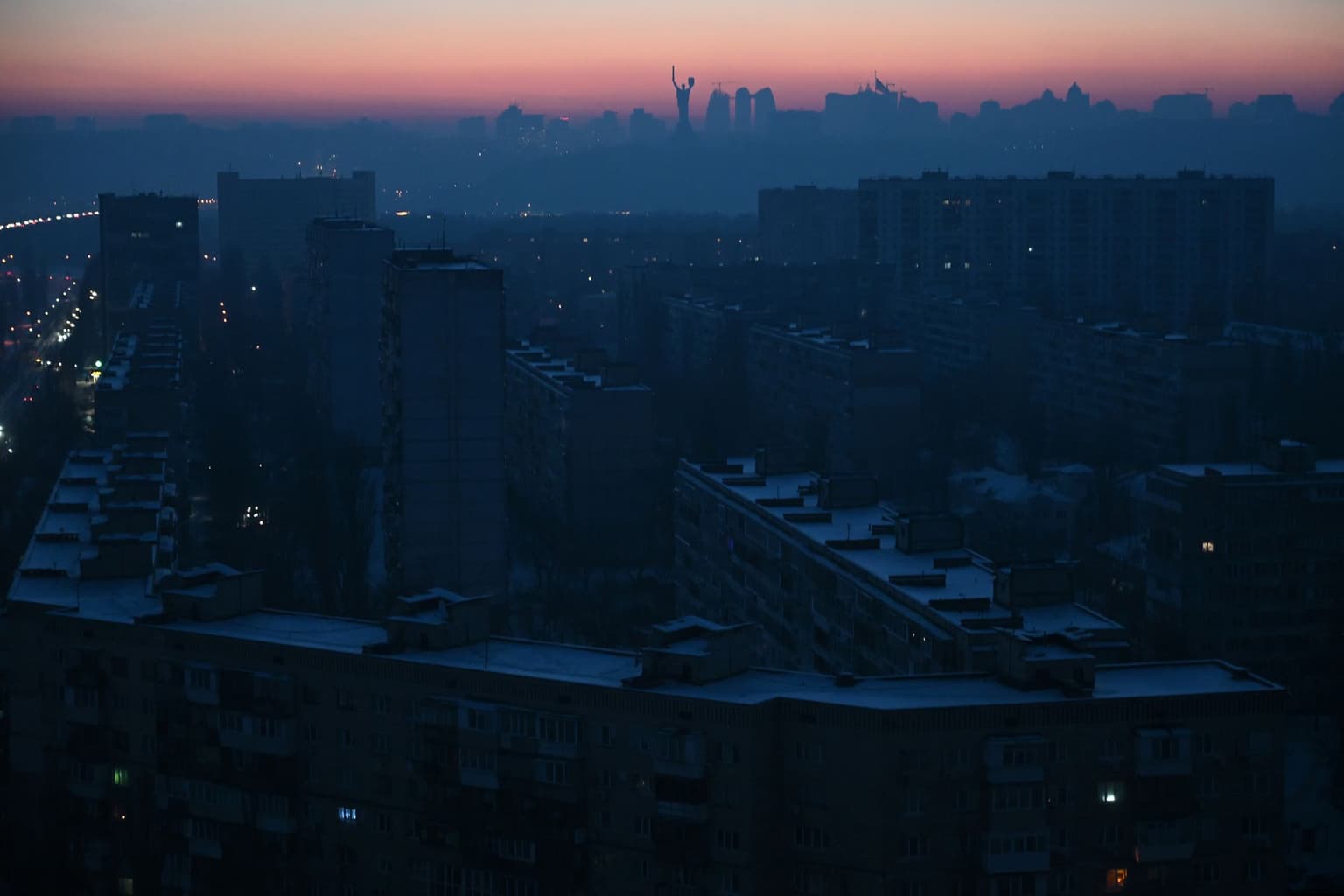
There are 2,600 residential buildings in Kyiv — around 25% of the city's housing supply — that remain without heating after Russian attacks on critical infrastructure, Kyiv Mayor Vitali Klitschko said on Jan. 22.
Home to more than 3 million people, Kyiv is still struggling to restore power, heating and water after Russian attacks on Ukraine's critical infrastructure on Jan. 9 and Jan. 20. Some homes have been without heating and power since Jan. 9.
Heating was restored to 600 buildings overnight and during the day on Jan. 22 — for the second time in two weeks after two massive Russian attacks targeted the Ukrainian capital, according to the mayor. Most of the buildings are in eastern Kyiv, on the left bank of the Dnipro River.
"Emergency power cuts continue in Kyiv. Utility and energy workers are working around the clock to restore heat and light to Kyiv residents' homes," Klitschko said.
The mayor's report came on the day that Energy Minister Denys Shmyhal described as "the most difficult day for the energy system since the blackout in November 2022," the first year of Russia's full-scale invasion.
Russia has increased targeted strikes on Ukraine's energy sector as temperatures have remained below minus 10 degrees Celsius (14 degrees Fahrenheit) in recent weeks.
As of Jan. 21, 4,000 of the 5,635 high-rise apartment buildings, which were left without heating after the Russian attack on Jan. 20, were still without heating, according to Klitschko.
Klitschko said 600,000 people have left the capital in January following a series of Russian strikes that led to severe power outages and the lack of heating in many homes under subzero temperatures, the Times reported on Jan. 20.
Klitschko's press service told the Kyiv Independent that the 600,000 number was calculated from mobile phone billing data. Yet, Kyiv's Military Administration did not confirm the mayor's claims that 600,000 residents left the city.
"If such a number of consumers who are provided with electricity services had left, then, probably, the electricity situation would not be so critical," spokesperson Kateryna Pop said on the national television.
President Volodymyr Zelensky said on Jan. 21 that almost 60% of Kyiv had no electricity as of the morning. Kyiv, Kharkiv, Sumy, Chernihiv, and Dnipro, and their surrounding regions were enduring the "most difficult" situation, he added.
The evacuation recommendation came after the Jan. 9 overnight attack left about 6,000 apartment buildings across Kyiv, nearly half of the city's total.
Zelensky also declared a state of emergency in the energy sector on Jan. 14 as Russia escalated its energy blitz, in an apparent attempt to lower Ukrainians' morale in the freezing capital nearly four years into the full-scale war.