38,000 people remain in Pokrovsk as Russia closes in on the Donetsk Oblast town, governor says
 on Google

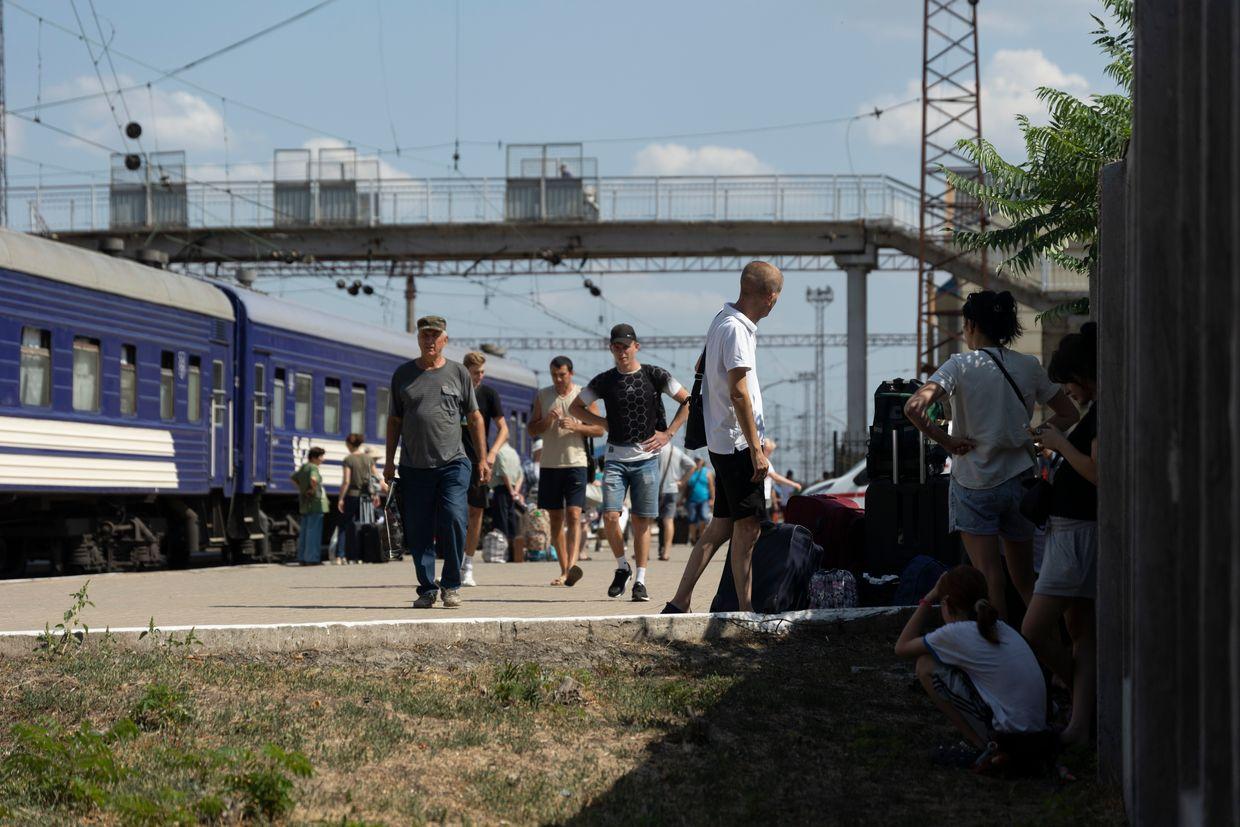
38,000 people and 1,900 children remain in Pokrovsk in Donetsk Oblast as of Aug. 28, as Russian troops are closing in on the town, Governor Vadym Filashkin said on national television.
The Pokrovsk sector has been the scene of fierce fighting for several months and a focal point of Russia's offensive in Donetsk Oblast. Filashkin described the situation in the region as "dangerous and very difficult."
Pokrovsk is an important logistical hub for the Ukrainian forces that supports their operations in Donetsk Oblast, which had a pre-war population of around 80,000.
When asked how much time people have for evacuation, Filashkin said that banks in Pokrovsk will be open until the end of this week.
"Starting Monday (Sep. 2), only ATMs will work. There will be no banking institutions. This also applies to all areas of other services that cater for our population," the governor said.
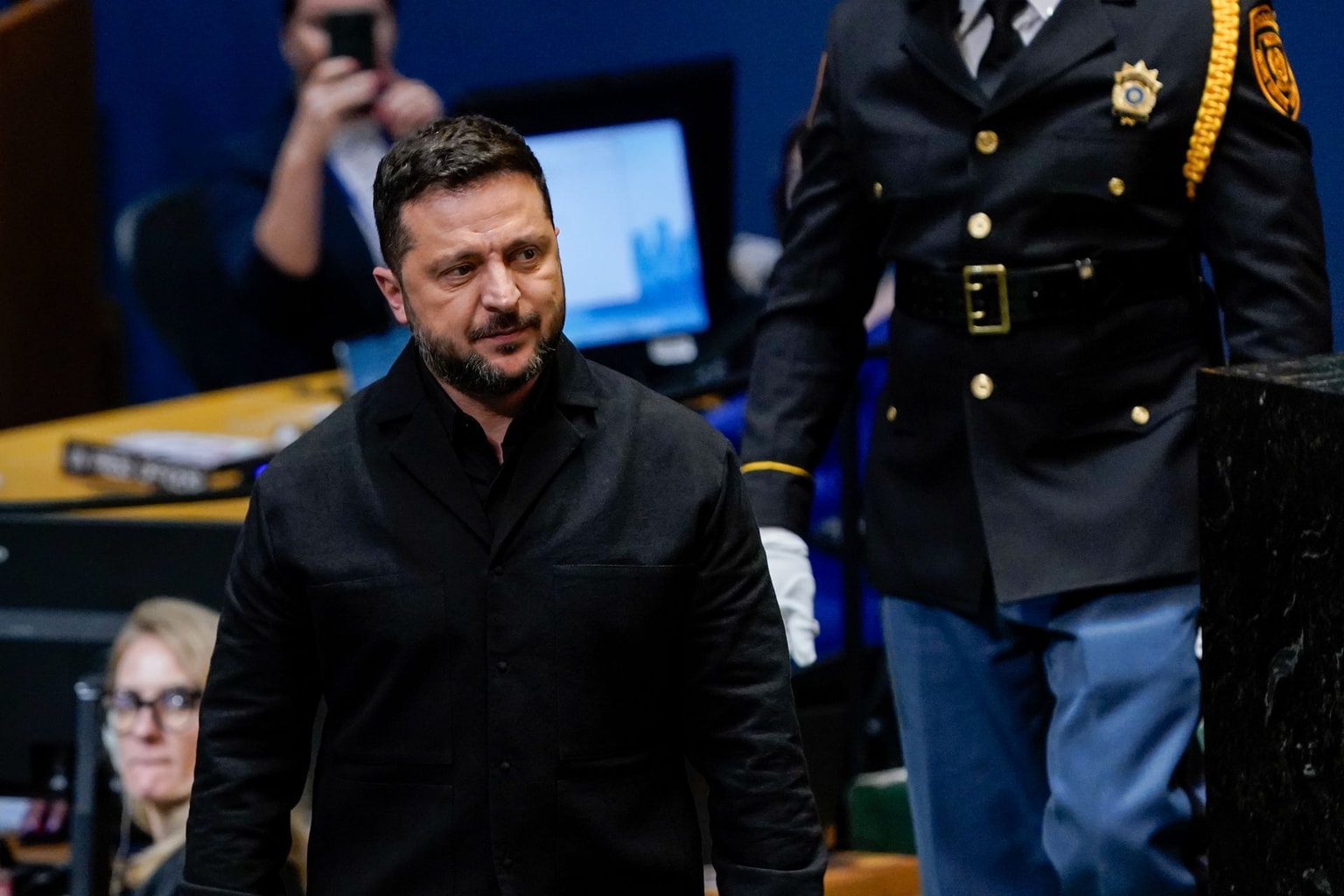
President Volodymyr Zelensky said earlier that Pokrovsk had become Russia's main target after its Kharkiv Oblast offensive failed.
The military administration of Pokrovsk called on residents on Aug. 15 to evacuate immediately, as the Russian army was about 10 kilometers (6 miles) from the town's outskirts.