US plans interception of Russian-flagged tanker linked to Venezuelan oil trade, CBS News reports
 on Google
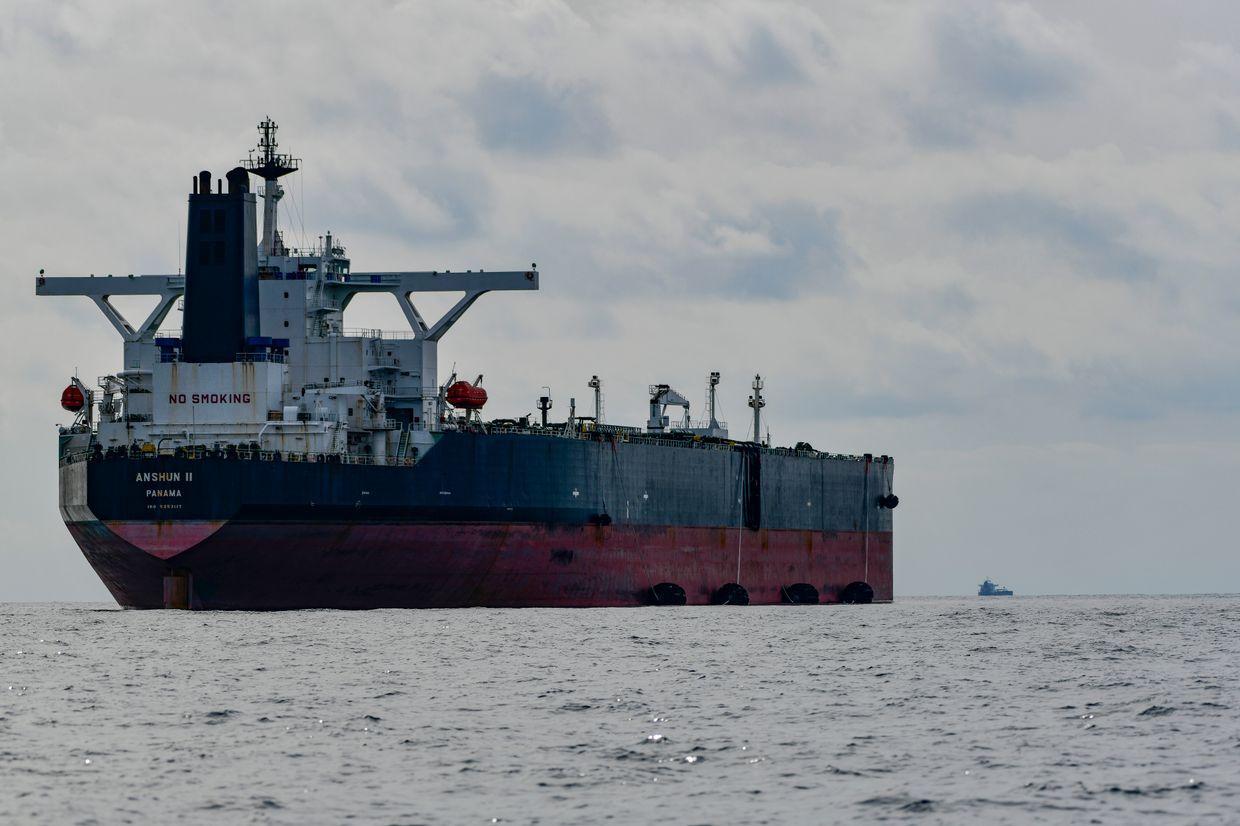
U.S. forces are planning to intercept a sanctioned Russian-flagged oil tanker tied to the Venezuelan oil trade, CBS News reported on Jan. 5, citing U.S. officials.
The news comes just two days after the U.S. carried out a large-scale attack on Venezuela, with the stated goals of effecting regime change and seizing control of the country's oil reserves. Venezuelan leader Nicolas Maduro and his wife were captured and brought to the U.S., where they have been indicted on narcoterrorism conspiracy and other charges.
The ship in question, formerly named "Bella 1," is known for its involvement in the Iranian and Venezuelan crude oil trade. The ship avoided a U.S. blockade of sanctioned oil tankers while en route to Venezuela on Dec. 20, refusing to let the U.S. Coast Guard board the ship. The refusal to board the sanctioned ship ultimately led to U.S. pursuit of the vessel in the Atlantic Ocean.
While fleeing the U.S. Coast Guard, the New York Times (NYT) reported that the Bella 1, renamed the Marinera, appeared in a registry of Russian vessels with its home port listed as Sochi, Russia, with crew members painting a Russian flag on its hull. The NYT further reported that the vessel may be headed to the Russian port city of Murmansk.
Two officials told CBS News that the U.S. prefers to seize the ship instead of attempting to sink it, likening the interception to a U.S. operation that seized "The Skipper," another oil tanker involved in the Venezuelan oil trade in December.
The State Department has not responded to the Kyiv Independent's request for comment.

Reports of the planned interception come amid increasingly tense relations between Washington and Moscow, as the U.S. continues to broker a peace deal in Ukraine.
Ahead of his capture, Maduro maintained close ties with Russian President Vladimir Putin, with Russia serving as one of Venezuela's largest arms suppliers and providing significant financial loans.
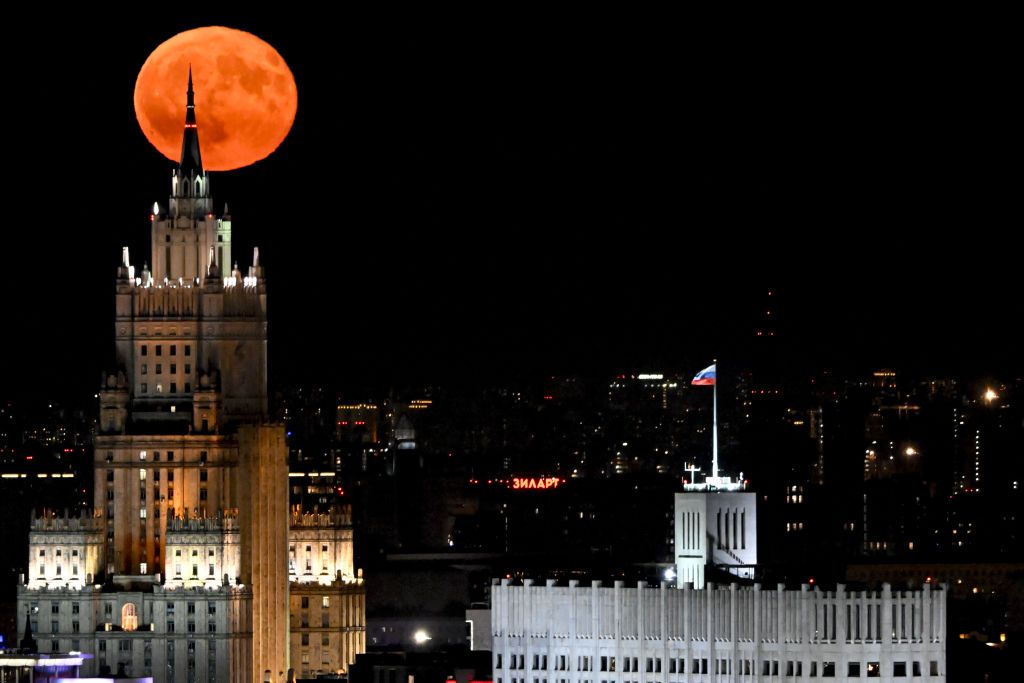
Following the large-scale strikes, Russia’s Foreign Ministry said that the U.S. intervention amounted to "an unacceptable infringement on the sovereignty of an independent state."
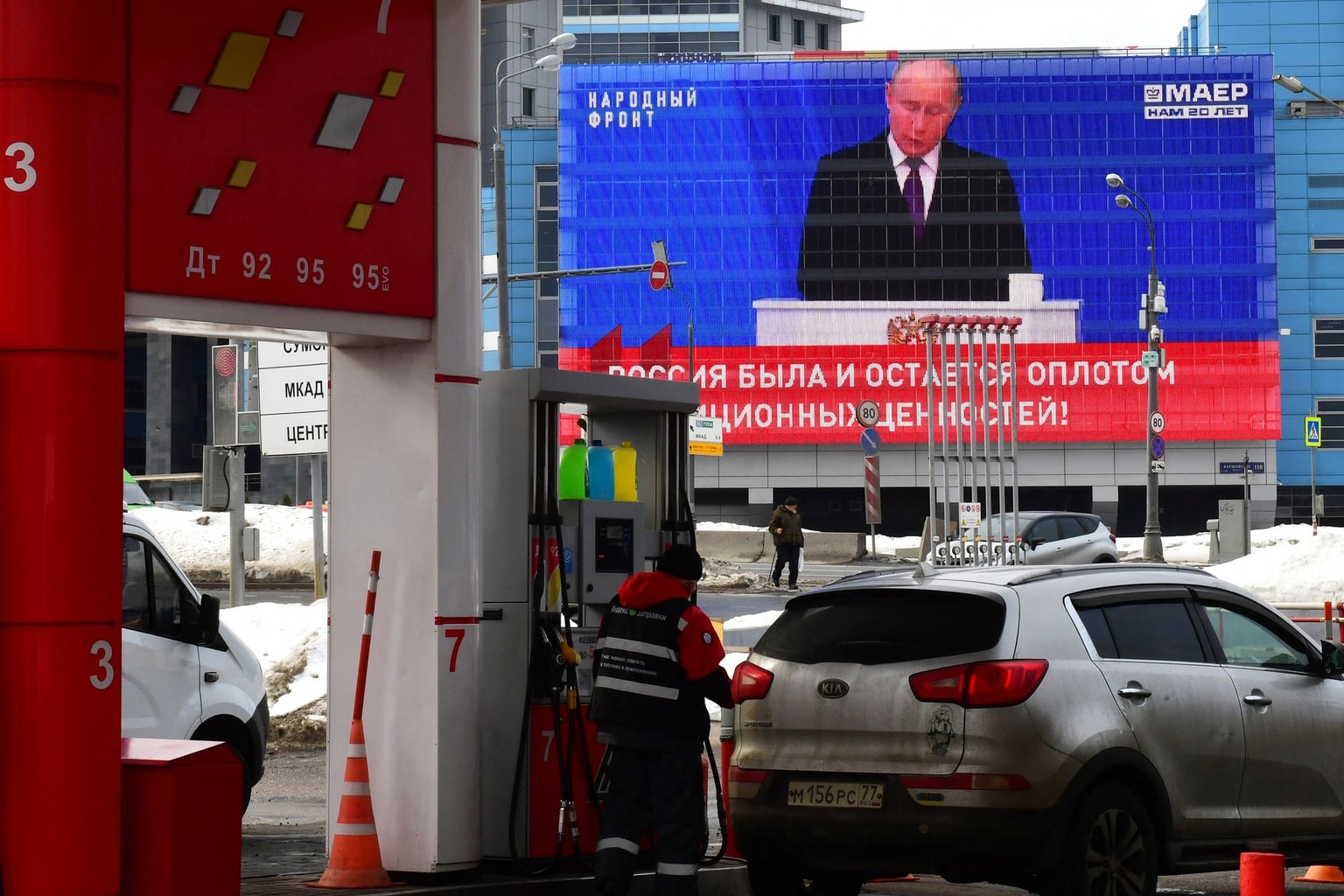
Despite months of U.S.-led peace negotiations, Putin has repeatedly refused to accept a ceasefire in Ukraine, espousing maximalist demands to end the war.
Russia continues to pummel Ukrainian cities with aerial attack. On Jan. 5 a Russian drone struck a facility reportedly belongs to Bunge, a U.S. agribusiness company based in St. Louis, Missouri, just days after U.S. President Donald Trump said that he was "not thrilled" with Putin for "killing too many people."
Trump on Jan. 5 again threatened to raise tariffs on Indian goods if New Delhi does not reduce its purchases of Russian oil — which serve as a critical source of revenue that continues to fuel its war in Ukraine.
In December, Russia’s oil and gas revenue declined to its lowest levels since 2020, as Ukrainian forces continue to strike oil infrastructure across Russia.