US and Ukraine plan to sign $800 billion deal at Davos
 on Google
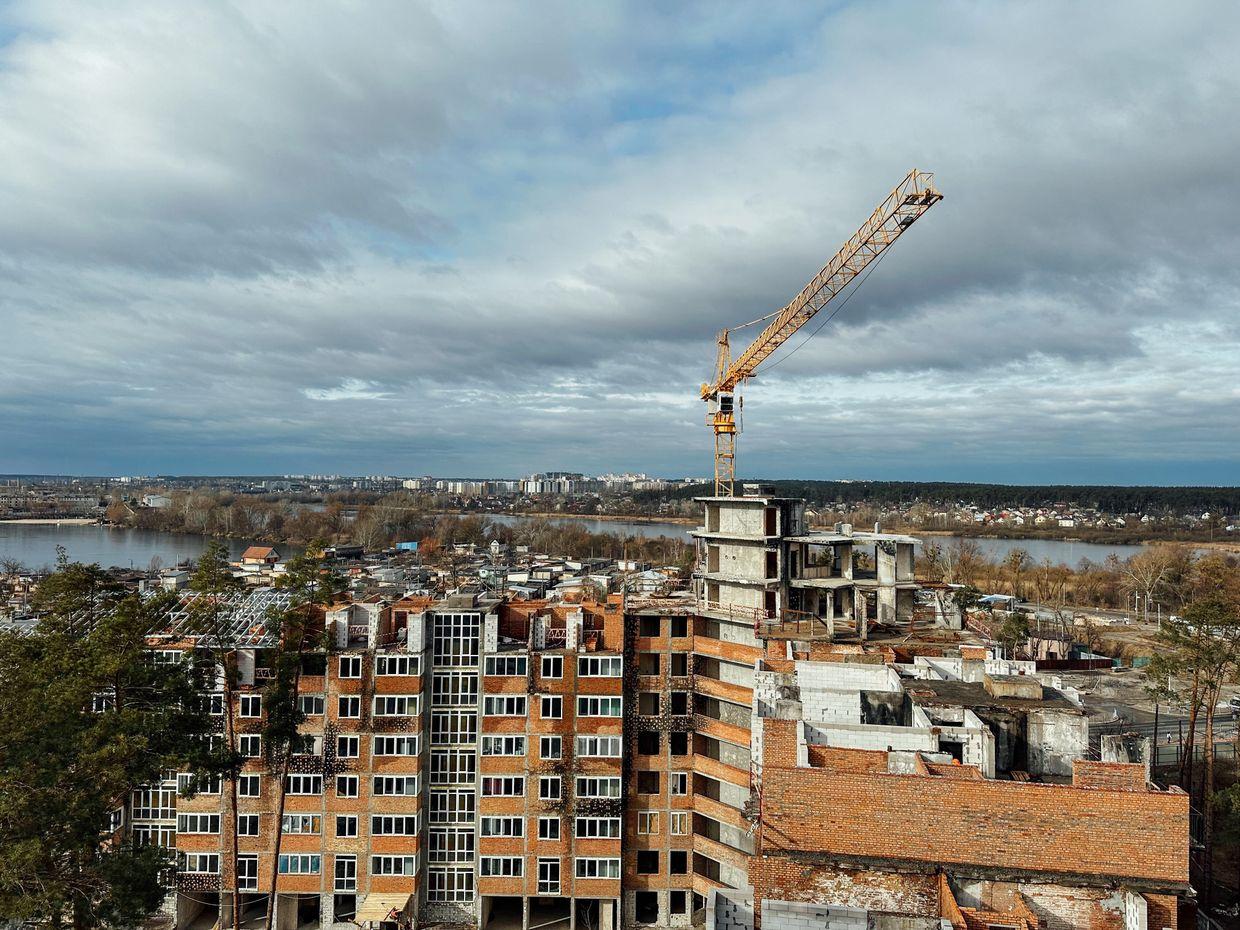
Ukraine and the U.S. are expected to sign an economic deal aimed at spurring Ukraine's postwar recovery at a gathering of world leaders and business leaders at Davos.
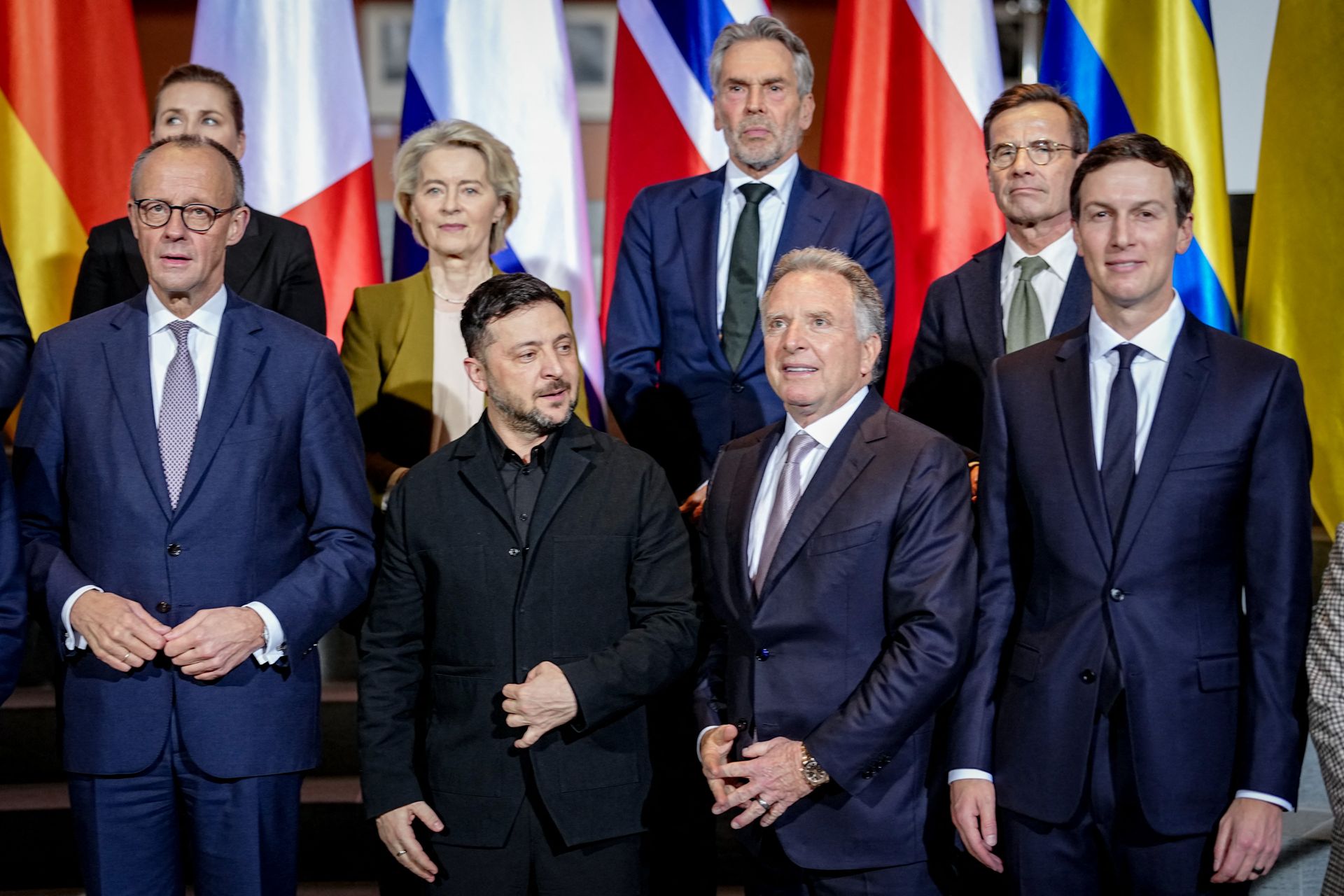
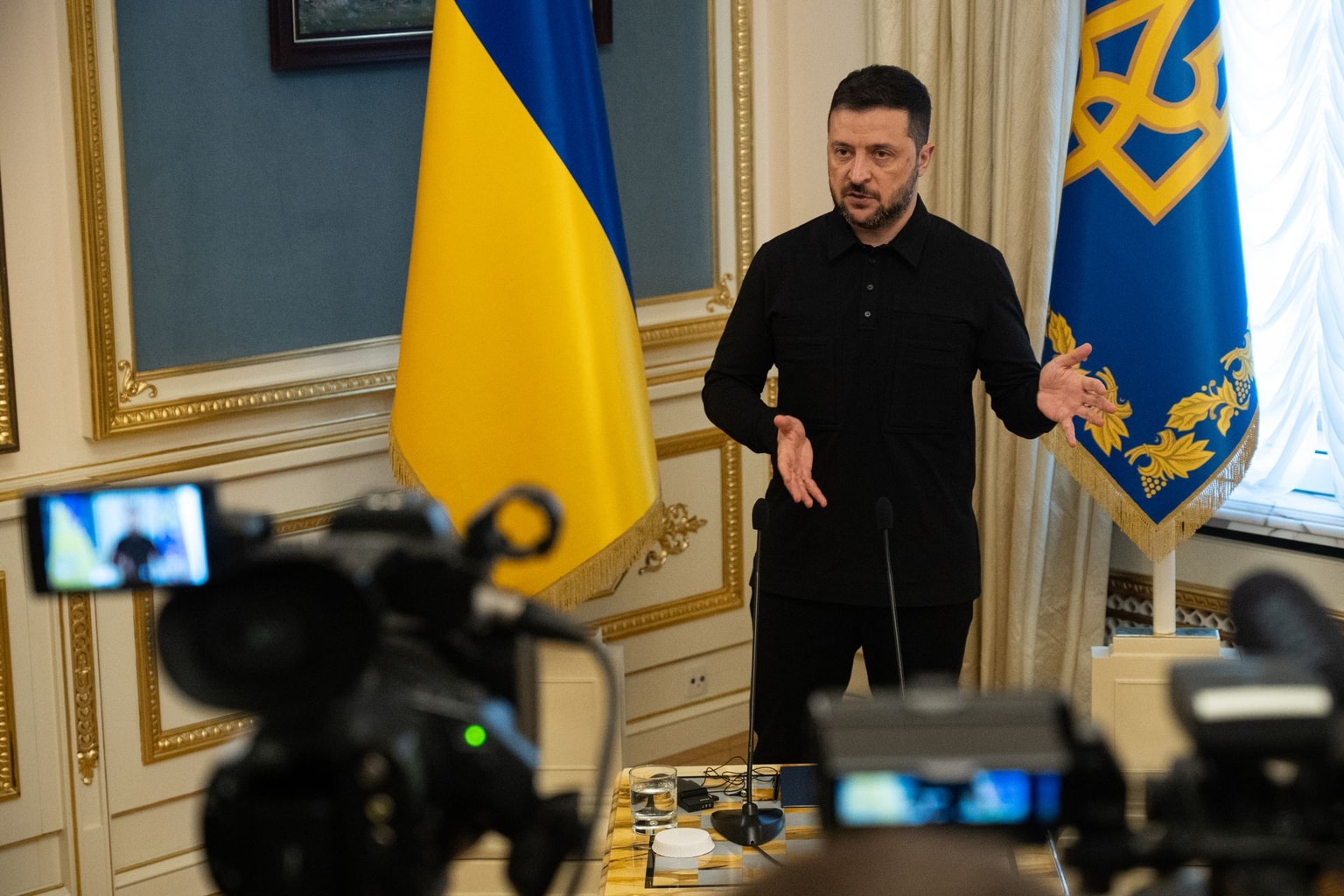
President Volodymyr Zelensky and U.S. President Donald Trump plan to finalize the deal at the World Economic Forum's flagship annual summit, held in Switzerland on Jan. 19–23, the Telegraph reported on Jan 9.
Backed by European allies, Ukraine has rushed to seize the initiative in peace negotiations after a Russia-U.S. peace plan emerged in November 2025. Crafted without Kyiv's input, the document included Russian maximalist demands that were tantamount to Kyiv's capitulation.
Ukraine is hoping that economic diplomacy will coax robust security guarantees from the U.S. as part of a renegotiated peace framework. The deal is also likely to appeal to the Trump administration's transactional approach to foreign policy.
President Zelensky first floated the so-called Economic Prosperity Plan at the end of December, describing it as a package "for economic recovery, restoring jobs, and bringing life back to Ukraine."
While Zelensky had originally hoped to sign the deal on a trip to the White House as early as next week, European allies instead suggested Davos was a more appropriate venue in order to not rush proceedings, according to the Telegraph.
Prone to touting Kremlin talking points, President Trump and other elements of his administration have adopted a tougher stance on Putin in recent weeks.
Ukrainian officials say that the country's recovery and reconstruction will require $800 billion over 10 years — roughly four times its prewar domestic gross product. Ukraine hopes that the prosperity plan will mobilize both public and private investment into the country.
The deal follows the blueprint of the so-called "minerals deal," a 2025 agreement giving preferential access to U.S. investors through a U.S.–Ukraine reconstruction fund.
That deal has borne fruit, with Ukraine awarding a lithium project on Jan. 9. to a consortium of investors including TechMet, a mining company backed by the U.S. government.